The Best Autoflowering Light Schedule For Bigger Yields
15 min read · , updated May 14, 2026
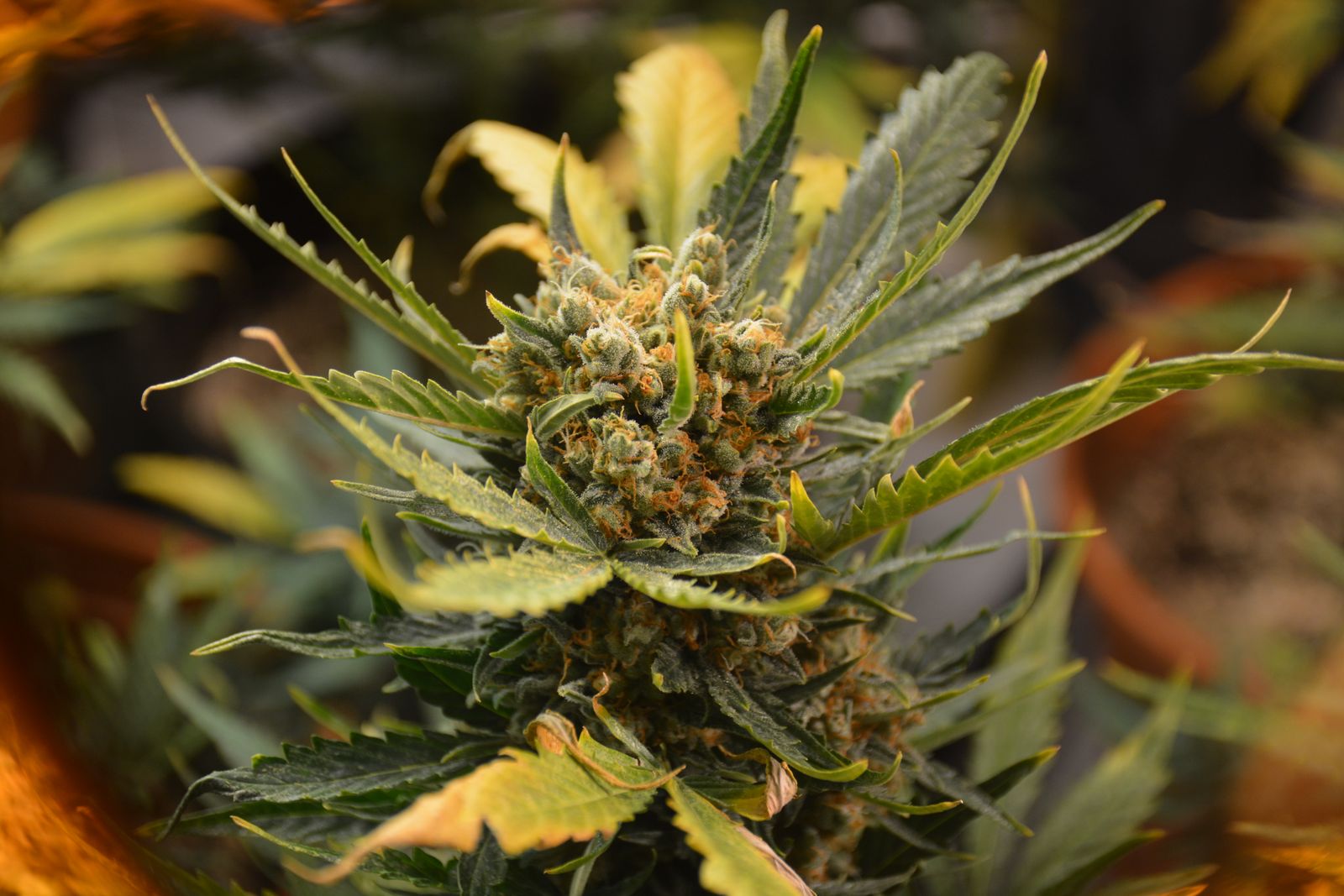
Seventy percent of indoor autoflower growers run an 18/6 light schedule — not because it's the easiest option, but because decades of collective trial and error have proven it delivers the most reliable results. Get your light schedule right and everything else, yield, density, terpene expression, resin production, follows. Get it wrong and no amount of premium nutrients or expert training will save your grow.
This guide breaks down exactly which autoflowering light schedule will produce the biggest, most flavourful harvest from your specific setup, and why the answer isn't the same for every grower or every cultivar.
Why Your Autoflower Light Schedule Matters More Than You Think
Here's the fundamental difference that changes everything: autoflowers don't care what time of year it is.
Unlike their photoperiod cousins — which require a deliberate shift to a 12/12 light cycle to trigger flowering, autoflowers carry a built-in genetic clock inherited from their Cannabis ruderalis ancestry. They begin budding based on age, typically 20 to 28 days after sprouting, regardless of how many hours of light they receive each day. You can read the full breakdown of how this works in our guide on autoflowering vs photoperiod plants.
This matters enormously in practice. Because you never need to "flip" your lights, you can run a long, aggressive light cycle from seedling to harvest — maximising photosynthesis across the entire grow without the scheduling juggling act that photoperiod cultivation demands.
Around 2008, breeders refined the art of crossing hardy Cannabis ruderalis with classic indica and sativa cultivars, producing autos that were genuinely productive rather than just fast. Today's genetics are a far cry from those early ruderalis hybrids. Modern autoflowering strains express vigorous growth, elite cannabinoid profiles, and complex terpene suites that compete directly with the best photoperiod cultivars — provided you give them the light they're built to run on.
The most common schedules you'll encounter in the community are:
- 18/6 — 18 hours on, 6 hours off. The gold standard for most growers.
- 20/4 — 20 hours on, 4 hours off. The high-performance option for yield-focused cultivators.
- 24/0 — Continuous light. Controversial, high-risk, and rarely worth the trade-offs.
- 12/12 — Only relevant if you're running autos alongside photoperiods in a shared flower tent.
Here's a side-by-side look at how they compare:
| Light Schedule | Total Daily Light | Best For | Pros | Cons |
|---|---|---|---|---|
| 18/6 | 18 hours | Balanced growth, energy efficiency, plant health | Excellent growth rates; crucial rest period; manageable electricity costs; easier heat control | Slightly lower theoretical ceiling than 20/4 |
| 20/4 | 20 hours | Maximising yield with a dialled-in environment | More photosynthesis time; noticeably heavier buds; faster development | Higher energy bill; additional heat load; less metabolic rest |
| 24/0 | 24 hours | Experimental growers with perfect environmental control | Theoretically fastest vegetative growth possible | Plant stress risk; highest electricity cost; diminishing returns common |
| 12/12 | 12 hours | Shared photoperiod/auto tent situations only | Maximum energy savings; compatible with flowering photoperiods | Severely limits auto yield potential; not recommended otherwise |
The best schedule is always the one that fits your grow room, your budget, and the specific cultivar in your tent. There is no universal answer — but there is a framework that gets every grower to the right one.
The 18/6 Schedule: Why It's the Industry Standard
Ask a roomful of experienced cultivators for their go-to autoflower light schedule, and you'll hear "18/6" more than anything else. This isn't convention for convention's sake — it's a schedule that has been stress-tested across millions of grows and consistently delivers exceptional results.
Eighteen hours of intense light gives your plants an enormously productive "day" to drive photosynthesis, fuel vegetative expansion, and begin the complex biochemical work of bud production. The six-hour dark period that follows isn't wasted time. It's when the plant earns its gains.
Why the Dark Period Is Non-Negotiable
During those six hours of darkness, your autoflower is anything but idle. It's translocating sugars produced during the light period down to the root zone, processing and mobilising nutrients where they're needed most, reinforcing its root architecture, and carrying out critical repair and recovery processes that simply cannot occur under continuous light.
A well-rested plant is a resilient plant. And a resilient plant produces denser, more resinous buds.
The dark period also provides an enormous practical advantage: temperature management. High-powered grow lights generate substantial heat. A six-hour lights-off window gives your tent a daily opportunity to shed that heat load. Time your dark period to coincide with the hottest part of the day and you've solved one of indoor growing's most persistent challenges without spending an extra dollar on cooling equipment.
What 18/6 Does for Your Plants at Each Stage
- Root development: The rest period redirects energy below the canopy, building a robust, expansive root system that acts as the plant's foundation for everything that follows.
- Canopy structure: Eighteen hours of fuel drives bushy, compact lateral growth rather than the lanky, etiolated structure you'd see under insufficient light. More branching means more potential bud sites.
- Stress reduction: Some cultivars genuinely struggle under continuous light. The 18/6 rhythm mimics a natural photoperiod that most autoflowering genetics are well-adapted to, significantly reducing the risk of light-induced stress responses.
- Electricity savings: Running 18 hours instead of 24 cuts your daily light usage by 25%. Over a two-to-three-month grow, that's a meaningful reduction in operating costs — without any measurable sacrifice in yield quality.
From personal experience: a tent run full of Gorilla Glue Autoflower seeds — that famously resinous, heavy-hitting hybrid, on a consistent 18/6 schedule from seedling to harvest produced short, stocky plants loaded with lateral branching. Temperature management was straightforward, the plants showed zero signs of light stress, and the final yield-to-cost ratio was outstanding. It's a repeatable formula that holds up grow after grow.
The 18/6 schedule is effective, efficient, and forgiving — whether you're on your first grow or your fiftieth. If you're not sure where to start, start here.
Pushing Yield Ceilings With the 20/4 Schedule
If 18/6 is the reliable daily driver, 20/4 is the performance build. Those extra two hours of light each day translate into meaningfully more photosynthesis time across a full grow cycle — and in a plant that's only alive for 70 to 90 days, every additional hour of productive light adds up.
Grower community surveys consistently show that 55% of experienced cultivators across Canada, the US, and Europe prefer this schedule for serious production grows, reporting 20–30% higher yields compared to 18/6 setups. That figure became the standard recommendation in the community around 2015, when affordable full-spectrum LED technology made running long-hour cycles practical for home growers without catastrophic electricity bills or unmanageable heat loads.
The Logic Behind Near-Constant Photosynthesis
More light equals more energy. More energy fuels faster cell division, larger leaf surface area, more prolific branching, and ultimately denser, heavier buds. The four-hour dark period in a 20/4 schedule is just sufficient for the plant to manage root-zone temperatures, process sugars, and perform the most critical metabolic maintenance — enough rest to stay healthy without braking momentum.
This schedule pairs particularly well with modern autoflowering genetics, which are bred specifically for vigour and an appetite for intense, sustained light periods. High-yield cultivars respond to 20/4 the way a performance engine responds to high-octane fuel — they simply run better.
For growers who don't mind a slightly higher energy bill in exchange for a substantially heavier harvest, the 20/4 schedule is a legitimate big shift. It's about trading a modest amount of extra cost for a lot more weight in your jars.
Is Your Setup Ready for 20/4?
Before committing to this schedule, run through these environmental checks honestly:
- Ventilation capacity: Two extra hours of lighting means two extra hours of heat generation. Is your exhaust fan rated to pull that volume of warm air out efficiently?
- Baseline temperatures: If your tent already runs warm on 18/6, the 20/4 cycle may push you into heat stress territory. Know your numbers before you commit.
- Cultivar suitability: Most contemporary autoflowering strains thrive under 20/4, but some more sensitive phenotypes prefer the longer rest. Watch for drooping or yellow leaves — early indicators that a cultivar is struggling with the light load.
- Budget realism: More hours of lighting means a higher electricity bill. Do your numbers first. Our guide on the cost of growing your own cannabis in Canada is a useful reference point here.
If your environment is dialled in and your genetics are strong, 20/4 is the most effective legal tool available to a Canadian home grower for maximising yield within the four-plant limit of the Cannabis Act.
The 24/0 Debate: More Light Isn't Always More
Running your grow lights around the clock — zero hours of darkness, every single day from sprout to harvest, sounds logical on paper. Maximum light equals maximum photosynthesis, which should mean maximum growth. It's the pedal-to-the-metal approach, and it has its vocal advocates.
The reality is considerably more nuanced.
The Case for Continuous Light
The primary argument for 24/0 is speed. During the critical vegetative stage, certain hardy, light-hungry cultivars can respond to constant illumination with explosive growth — packing on leaf mass and branching more rapidly than they would under any interrupted schedule. If your grow space has perfectly managed humidity, temperature, and CO₂ levels, this schedule might shave several days off your total grow time.
It's a method for the data-driven, experimentally inclined grower who has every other variable locked down and wants to push to the absolute limit of what their genetics can do.
Why the Evidence Argues Against It
Running lights 24/7 burns 25% more electricity than an 18/6 schedule — a significant and ongoing operational cost that compounds across every grow. More importantly, that constant light generates a continuous heat load that challenges even well-built ventilation systems.
The deeper problem is biological. Plants are not simply photosynthesis machines. The dark period is when they transport sugars from leaves to roots, process and store the energy produced during the light period, and perform cellular repair. Eliminating that window entirely doesn't just deprive plants of rest — it disrupts fundamental metabolic processes that determine long-term health and productivity.
From practical experience, the combination of plant stress risk, elevated power costs, and the genuine possibility of reduced final quality simply isn't worth the marginal gain in speed. A rested plant will almost always outperform an overworked one when the jars are finally filled.
Specific Risks of the 24/0 Approach
- Light burn and nutrient lockout: Continuous light can overwhelm many cultivars, causing tip burn, pale upper foliage, and a breakdown in nutrient uptake regardless of feeding quality.
- Paradoxical growth stalling: Without rest, some plants reach a threshold of stress where growth actually decelerates. The expected speed advantage evaporates.
- Reduced bud quality: Growers who have run parallel tests frequently report that 18/6 and 20/4 produces denser, more aromatic, and more resinous buds than the same genetics grown under 24/0 — even when the 24/0 plants reach harvest slightly faster.
The verdict: 24/0 is technically possible and occasionally interesting as an experiment with proven, robust cultivars in a perfectly controlled environment. For the vast majority of Canadian home growers working under the Cannabis Act's four-plant limit, 18/6 or 20/4 will consistently deliver superior results with less risk and lower operating costs.
Dialling In Light Intensity From Seedling to Harvest
Choosing the right schedule is only half the equation. The other half is matching light intensity to your plant's developmental stage — and this is where a lot of otherwise solid grows go sideways.
A brand-new seedling receiving the same intensity you'd direct at a plant in peak flower is not getting a head start. It's getting stressed. Nailing intensity at each phase is just as important as the hours on your timer.
Stage-by-Stage Light Recommendations
| Growth Stage | Recommended Schedule | Intensity Target | Primary Goal |
|---|---|---|---|
| Seedling (Weeks 1–2) | 18/6 | 25–50% power; lights positioned well above canopy | Root establishment without stress |
| Vegetative (Weeks 3–4) | 18/6 or 20/4 | 50–75% power; gradually lower light height | Vigorous branching and canopy development |
| Flowering (Week 5+) | 18/6 or 20/4 | 75–100% power; optimised distance for PPFD | Dense, resinous bud production |
Seedling Stage: Start Gentle
For the first two weeks, your autoflower is establishing the root architecture it will depend on for its entire life. The goal is consistent, gentle light — not intensity.
Position your light significantly higher than you would for an established plant, or dial it back to 25–50% power if your fixture is dimmable. An 18/6 schedule is ideal at this stage. The six-hour rest period actively supports root development by redirecting metabolic resources downward during darkness.
Resist the temptation to blast seedlings with full power in an attempt to accelerate early growth. It reliably does the opposite.
Vegetative Stage: Ramp Up Progressively
After two to three weeks, when your plant has developed several sets of true leaves and is visibly putting on size, it's ready to handle significantly more light. This is when you begin incremental increases in both intensity and proximity, matching the plant's expanding capacity to process photons. For a deeper look at what's happening physiologically during this phase, our guide on the vegetative stage covers the mechanics thoroughly.
At this point you can maintain 18/6 or shift to 20/4 if your environment supports it. Increase intensity gradually over several days rather than jumping to full power in a single step. Watch the plant's response — healthy upward leaf orientation and consistent green colour are your signals that the ramp-up is going well.
If you're running training techniques like LST, topping (on particularly vigorous phenotypes), or a SCROG setup, the vegetative stage is where that work happens. More branches in veg means more bud sites in flower, and more bud sites under strong light means a heavier final harvest.
Flowering Stage: Give Everything You Have
Around weeks four to five, the first white pistils will appear at your nodes — the autoflower's signal that it has shifted its energy budget toward reproduction. Your job now is to fuel that process with every photon your fixture can deliver.
Crank intensity to 100%. This is the phase where light directly determines bud density, resin production, cannabinoid concentration, and terpene development. Shortchanging your plants on light during flower is the single most common reason for disappointing harvests from otherwise healthy grows.
Strong, consistent light during flowering is the single biggest variable in determining your final yield and bud quality. This is not the moment for caution.
Your schedule — whether 18/6 or 20/4, stays consistent right through to harvest. What changes is intensity, not timing.
The One Tool Every Grower Needs
An automatic outlet timer. Full stop. At under $20 CAD, it's the highest-return investment you'll make in your entire grow setup. Manual light management introduces inconsistency, and inconsistency stresses plants. Set your timer once, verify the programming, and let it run. Your plants will thank you with a more stable, productive grow from start to finish.
Troubleshooting Common Lighting Problems
Even with a well-chosen schedule and properly staged intensity, problems surface. When they do, lighting is almost always the first place to look.
Reading Your Plant's Stress Signals
Your autoflower communicates distress clearly — you just need to know what to look for. Daily walk-throughs are the most effective early-warning system available, and they cost nothing.
Watch for these specific indicators:
- Pale or yellowing upper leaves: When foliage closest to the light source turns yellow while lower leaves remain green, this is the classic presentation of light burn — too much intensity at too close a distance.
- Brown, crispy leaf tips and margins: Tip burn is another reliable sign of excessive light intensity, often compounded by high VPD or heat stress.
- "Taco-ing" leaves: When leaf edges curl upward, the plant is attempting to reduce its surface exposure to excessive light. This is an urgent signal to act.
- Bleached bud sites: White or faded calyxes at the top of colas indicate severe, prolonged light burn and represent a direct hit to potency and flavour.
How to Correct Light Problems Quickly
The fastest intervention is the simplest: raise your lights. Increasing the distance between your fixture and the canopy by a few centimetres can produce dramatic improvement within 24 to 48 hours. A practical field test: hold your hand at canopy height for 30 seconds. If it's uncomfortable for your skin, it's damaging your plants.
If distance adjustment alone isn't sufficient, dial your light back by 10–15% using your dimmer. Then monitor recovery over the following two to three days before making any further changes — avoid the instinct to over-correct.
If you're running a 20/4 schedule and seeing persistent stress signs, dropping to 18/6 gives the plant two additional hours of metabolic recovery time each day. That extended dark period can be exactly the reset a struggling plant needs.
Ruling Out Heat as the Culprit
Heat stress and light burn present almost identically, which makes diagnosis critical before treatment. Check your thermometer. If your grow space is consistently above 26°C (79°F), heat is the primary problem — and simply raising your lights without improving airflow won't resolve it.
Ensure your exhaust fan is pulling adequate volume, and position an oscillating fan to maintain gentle, consistent air movement throughout the canopy. If light leaks are contributing to heat build-up in your space, our practical guide on how to blackout windows effectively can help you seal your environment properly.
Frequently Asked Questions
Do I Change the Light Schedule When My Auto Starts Flowering?
No — and this is one of the genuine joys of growing autoflowers. Because they flower based on age rather than light cycle, you never need to flip your schedule. Choose a strong schedule at the start, 18/6 or 20/4, and maintain it consistently from the day your seedling breaks the surface until harvest day. Consistency is the single most important thing you can do for a productive auto grow.
How Far Should My Grow Light Be From the Canopy?
Distance depends on both your light's wattage and your plant's developmental stage. As a practical starting point: position lights 60–75 cm (24–30 inches) above seedlings, then gradually reduce that distance to 30–45 cm (12–18 inches) as plants enter the vegetative stage, and optimise for your specific fixture's PPFD output during flower. The hand test — hold your palm at canopy height for 30 seconds, if it's uncomfortable your light is too close, works across every fixture type.
Does the Type of Light Matter?
Significantly. A quality full-spectrum LED is the current gold standard for autoflower cultivation, and it pairs with any autoflower light schedule you choose. Full-spectrum LEDs deliver blue-weighted light (400–500 nm) that drives compact, vigorous growth during the seedling and vegetative stages, then the red-heavy spectrum (620–700 nm) that powers dense, resinous bud production during flower — all from a single, energy-efficient fixture that generates less heat than HPS or CMH alternatives. For Canadian growers managing electricity costs under increasingly scrutinised utility rates, LED efficiency is increasingly non-negotiable.
Putting It All Together
The autoflowering light schedule that produces the biggest yields isn't a secret — it's the one you apply with consistency, adapt to your specific cultivar, and pair with the environmental control your plants deserve. For most Canadian home growers, 18/6 remains the most reliable path to impressive, repeatable harvests with manageable operating costs. For those with dialled-in environments and yield-focused ambitions, 20/4 unlocks measurably heavier results with modern genetics that are genuinely built for it.
Start with 18/6, read your plants daily, and adjust with intention rather than impulse. Whether you're growing a resinous indica-dominant strain or a fast-finishing sativa-leaning auto, the fundamental principle holds: more informed light management produces better cannabis, every single time. Explore more cultivation guides across all stages of your grow — from seed selection through to cure, in our Growing Marijuana resource library.
Keep Reading

How Much Does It Cost To Grow Your Own Weed in Canada?
Learn the real costs of growing weed at home, including grow tents, lights, seeds, nutrients, electricity, and how much cannabis you can harvest.
The 5 Best Blueberry Cannabis Strains To Grow Indoors
Find the best blueberry weed strains to grow indoors, including Blue Dream, Blueberry Cheesecake, and more - and buy the seeds from Pacific Seed Bank.
Why 5.8–6.5 Is The Ideal pH for Cannabis (And When to Adjust)
Learn why 5.8-6.5 is the ideal pH for cannabis plants, how to test your plant's pH, and how to adjust it higher or lower when you need to.
Your Guide to Growing Kush Strains
Learn how to grow Kush strains with tips on lighting, feeding, training, and harvest. Get the most out of your Kush cultivars from seed to finish.