Durban Poison Feminized
These Durban Poison seeds produce a cultivar that’s 100% Sativa originating from South Africa. Durban Poison has a 20% THC content and moderate CBD content. Providing an energised cerebral buzz, this bud tastes and smells like sweet, earthy pine.
More About These Durban Poison Strain Seeds
Durban Poison is a classic pure sativa that traces back to the South African port city of Durban. It has built a long standing reputation for clear headed energy and a vibe that stays upbeat without feeling heavy. With THC levels around 19 percent and a small touch of CBG, this cultivar lands on the stronger side compared to many traditional sativas, but it still keeps things approachable for daytime use.
The effects lean focused, energetic, and lifted, which is why Durban Poison has stuck around for decades. It fits well into busy days, outdoor plans, or moments when you want to stay mentally sharp and creative. Some people report feeling a bit anxious if they push it too far, so pacing matters, especially for newer consumers.
Flavour wise, Durban Poison keeps it earthy and herbal. Pine comes through first, followed by dry earth and a sage like finish that feels clean and sharp rather than sweet. The dominant terpenes include terpinolene, myrcene, and ocimene, which shape that fresh, outdoorsy profile and the strain's energising character.
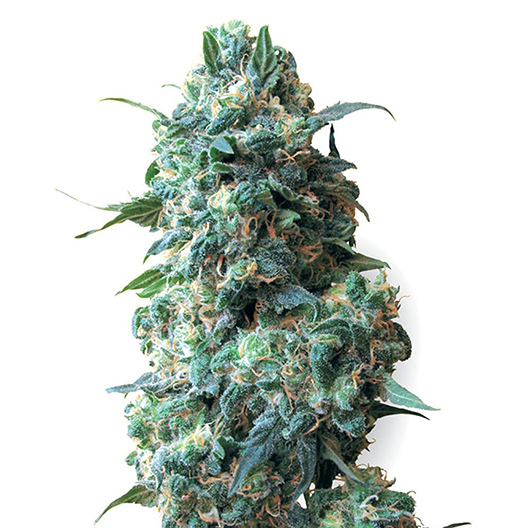
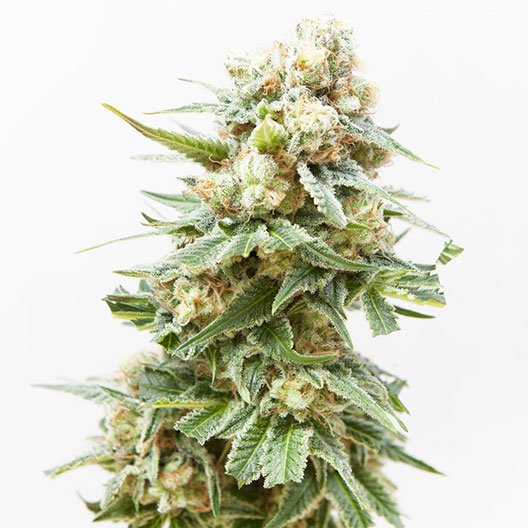
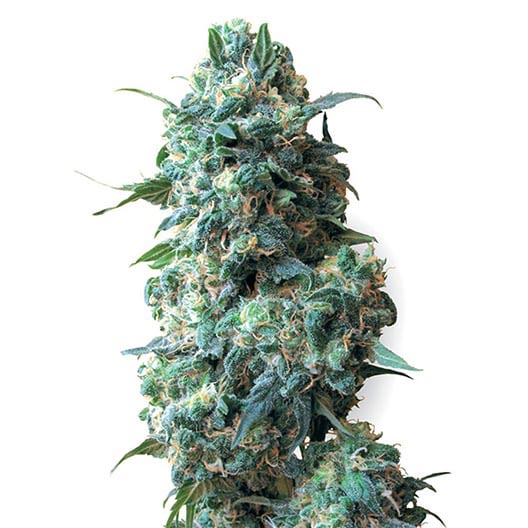
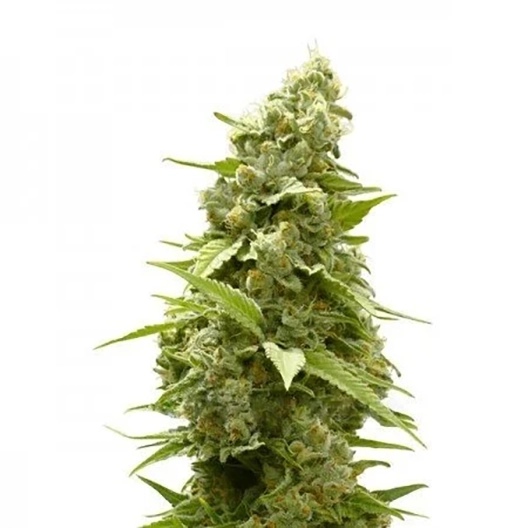
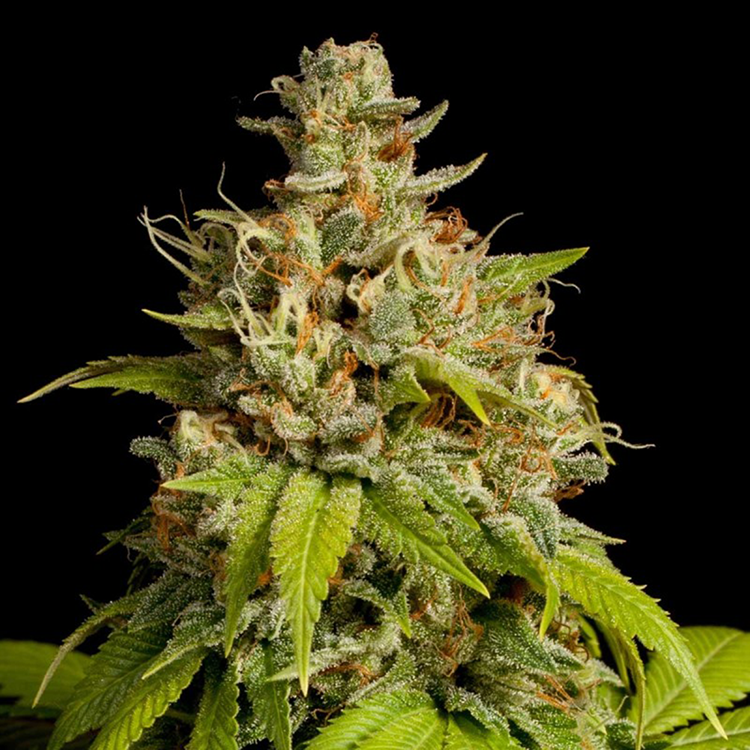
From a grower's perspective, Durban Poison is known for its chunky, rounded buds and oversized resin glands. Trichomes coat nearly the entire plant, making this cultivar a favourite for people who enjoy working with concentrates. It's a visually striking plant with strong bag appeal and a reputation that still holds up decades after its rise to global fame.
Growing Tips for Durban Poison
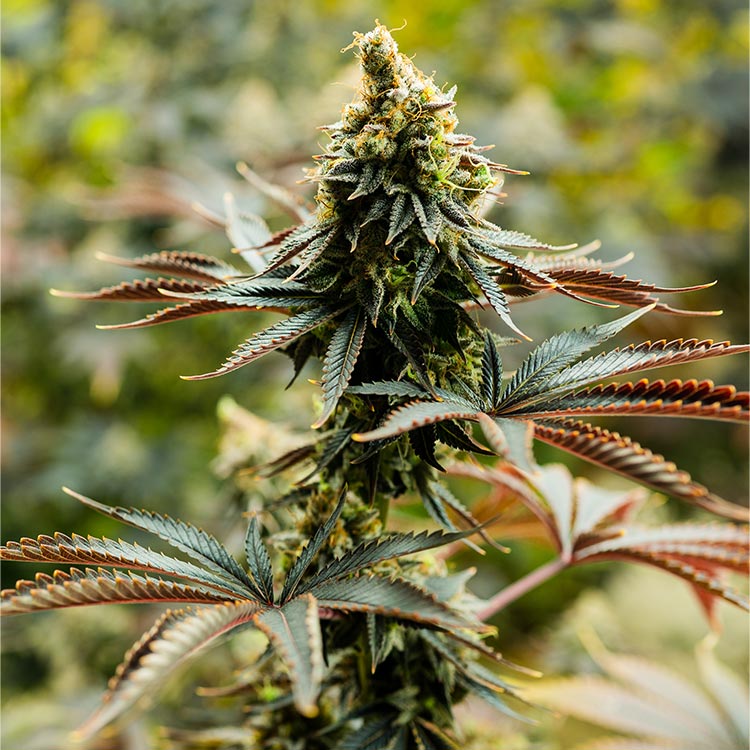
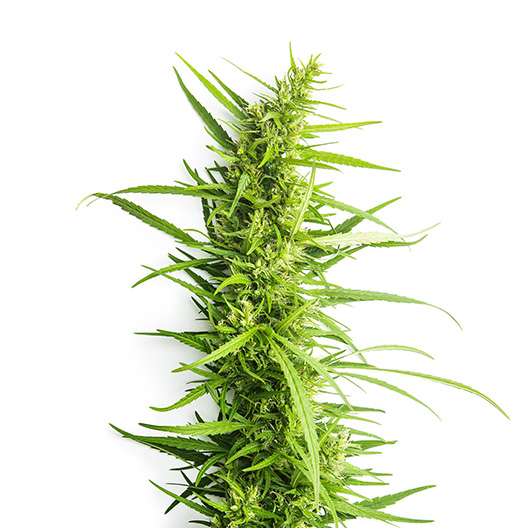
Durban Poison is easy to grow and can be cultivated by growers with limited experience. Durban Poison marijuana plants will thrive indoors and outdoors, but have an easier time growing indoors because of the ability to completely control the climate. If you choose to grow indoors, you will need to replicate a steady environment similar to a warm Mediterranean climate. Durban Poison cannabis seeds grow into bright green and orange plants with smaller buds.
The plants are coated in a thin layer of trichomes, making them appear dusty and resinous. If you choose to grow outdoors, you will need consistent temperature and humidity to grow these plants to completion. Doing so will ensure that you grow healthy buds from the top of the plants to the buds closest to the soil. Having access to a greenhouse is the best way to give these plants the ideal outdoor climate without having to contend with unexpected variables. These plants grow to a tall height and can reach around 1.2–3 metres tall. Because the plants reach a maximum indoor and outdoor height of around 3 metres, they grow as if they are still in the wild.
The ideal temperature for these plants is around 25–30°C and slightly cooler at night. Humidity levels should be kept around 40–50% during the vegetative growth stage and the flowering stage, but lowering the humidity gradually each week will help this plant thrive. Growing indoors will ensure that moderate humidity levels and moderate temperatures are consistent and maintained throughout the growing stages.
Topping, Screen of Green (ScrOG), and Low-stress training (LST) methods are the most beneficial techniques for this strain. If performed correctly, these methods will help to increase overall yields and improve bud production. Both of these approaches will help the plant reach its peak by adjusting the canopy so more light and air reach the lowest levels of the plant, while also reinforcing the heaviest bud sites so the branches don't bend or break. The Durban Poison strain requires an 18–20 hour light cycle to reach the vegetative growth stage. This strain requires a change in the light cycle to induce the flowering stage. A 12/12 cycle should do the trick!
Yields, Flowering Time, and Harvest
- Flowering Time: Growing indoors, you can expect the Durban Poison strain to harvest after a short flowering period of 55–65 days.
- Yields: Indoor yields are around 450 grams per square metre, while outdoor grows typically produce up to 600 grams per plant. These taller plants produce hefty yields of quality buds.
- Harvest: Outdoor growers across Canada can plan on harvesting their yields around the middle of October, depending on when the seeds were planted.
Durban Poison: Earthy, Sweet Pine
The Durban Poison cannabis strain terpene profile is directly responsible for how the plant smells and tastes, and the strong effects it has on its users. The most dominant terpene in this strain is caryophyllene, while ocimene, humulene, limonene, and myrcene are the secondary terpenes.
- Caryophyllene: Most Dominant - Spicy and peppery, caryophyllene is mostly found in cloves, black pepper, and cannabis plants.
- Ocimene: Secondary Terpene - Found in cannabis plants, basil, mint, parsley, and mangoes, this terpene is aromatic and sweet.
- Humulene: Earthy Flavour and Aroma - Found in beer with a high hop content, humulene produces an earthy aroma and taste in cannabis.
- Limonene: Citrus Vibes - Commonly found in the rinds of citrus fruits like lemons, this terpene contributes bright, uplifting notes to the overall profile.
- Myrcene: Mother of All Terpenes - Myrcene is responsible for some cannabis strains' earthy and woody flavour and aroma.
FAQsIs Durban Poison a good choice for daytime use?
What does Durban Poison taste like?
How strong is Durban Poison compared to other sativas?
Is Durban Poison good for making concentrates?
Strain Data
| Pack Size | 3 Seeds, 5 Seeds, 10 Seeds, 25 Seeds |
| Breeder | Original Harvest Seeds |
| Cannabis Species | 100% Sativa |
| Genetics | 100% Sativa |
| Flowering Time | 55-65 days |
| THC | 16% |
| CBD Level | Moderate (3-10%) |
| Effects | Energetic, Focused, Uplifting |
| Terpene Profile | Caryophyllene, Humulene, Limonene, Myrcene, Ocimene, Terpinolene |
| Yield Indoors (per m²) | Up to 450g/m² |
| Yield Outdoors | 500-600 g/plant |
| To Target | Depression, Fatigue, Stress |
| Taste | Earthy, Pine, Sweet |
| Skill Level | Easy |
| Plant Sex | Feminized |
| Flowering Type | Photoperiod |
| Where to Grow/Cultivate | Indoor/Outdoor |
| Size | Medium |
| BIN | BIN1 |
| Yield Level | XL Yield |