How to Black Out Windows for Your Grow Room Like a Pro
· 14 min read · Updated May 14, 2026
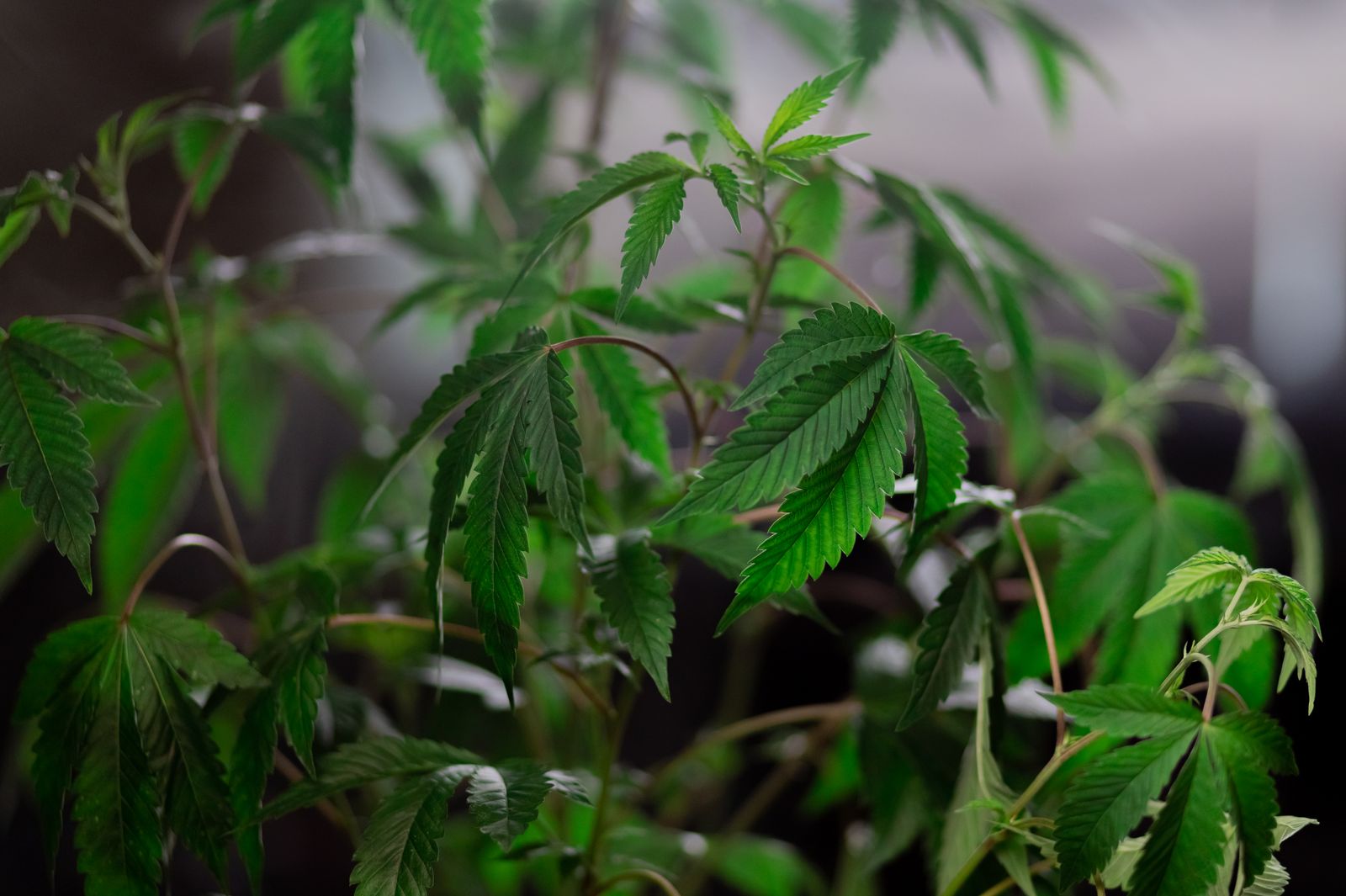
A single pinhole of light during your plants' dark cycle can undo weeks of perfect growing — hermaphroditism, seeded buds, stunted yields. That's not hyperbole; it's plant biology. Mastering the blackout is the unglamorous skill that separates growers who consistently hit top-shelf results from those who wonder what went wrong.
Why Your Plants Need Absolute Darkness — and What Happens When They Don't Get It
Cannabis is a photoperiod-sensitive organism at heart, even when you're running feminised strains bred to flower on a schedule. The dark cycle is where phytochrome photoreceptors reset, where carbohydrate translocation happens, and where your plants consolidate the energy they've been building all "day." Think of it as the biological equivalent of deep sleep — interruptions have consequences.
Any stray photon during lights-off acts like a 3 a.m. alarm clock.
Photoperiod cultivars read darkness duration to decide when to initiate flowering. Disrupt that signal and you create metabolic confusion: the plant doesn't know whether it's in vegetative or flowering mode. Even autoflowering genetics, which flower regardless of photoperiod, suffer measurable stress when their dark cycle is constantly interrupted — and a stressed plant is a less productive plant. Here's what chronic light leaks actually cost you:
- Reduced yields: Stress hormones divert energy away from bud development and into defence responses. Less sugar goes into trichome production, more goes into damage control.
- Hermaphroditism: Light stress is one of the most reliable triggers for female plants to develop pollen sacs. Once those sacs open, your other females are pollinated, and you're looking at a seed-filled harvest instead of potent, smokable flower.
- Compromised immunity: Chronically stressed plants show elevated ethylene production and suppressed systemic acquired resistance, making them easy prey for spider mites, powdery mildew, and botrytis.
- Irregular flowering windows: Light leaks in the early weeks of 12/12 can delay canopy-wide flower initiation by a week or more, stretching your grow cycle unnecessarily.
For cannabis, a consistent and uninterrupted dark period is just as important as the light cycle itself. Light leaks confuse the plant's internal clock, potentially triggering premature flowering, re-vegging mid-flower, or hermaphroditism that can ruin your entire crop of smokable bud.
The solution is straightforward: your grow room must achieve pitch-black darkness — zero lux, from the moment lights go out to the moment they come back on. Achieving that in a room with windows takes deliberate effort, but it's entirely doable.
If you're just getting started, understanding how light management fits into the broader picture is essential — our guide to the simplest starter grow setup for first-time cultivators walks through the environmental fundamentals you'll need alongside blacking out your windows.
Choosing the Right Blackout Method for Your Space and Budget
There is no single correct answer here. The best blackout method depends on three variables: your tenancy situation, your budget, and how permanently you've committed this room to cultivation. Getting that combination right from the start saves you money, time, and the frustration of redoing the job.
The first fork in the road is temporary versus permanent.
Temporary solutions are designed to go up and come down without leaving evidence — ideal for renters, apartment growers, or anyone running a seasonal grow who wants to reclaim the space later. Permanent solutions are for dedicated growers who own their space and want the most robust, maintenance-free outcome. They take more time to install but reward you with a tighter, longer-lasting seal.
Once you've settled that question, the cost question becomes much easier to answer. Here's how the four most popular methods stack up:
Blackout Curtains
The most accessible option, blackout curtains are widely available and easy to source across Canada. The key detail most growers miss is hardware: a standard straight curtain rod leaves a vertical sliver of light at each end. A wrap-around curtain rod — one where the brackets curve the rod back toward the wall, is a non-negotiable upgrade. Pair that with curtains that are at least four to six inches wider and longer than the window frame on every side, and you have a legitimately effective solution that looks completely normal from both inside and out. The global blackout fabric market was valued at approximately CAD 1.7 billion in 2025 and is projected to reach CAD 2.9 billion by 2035, driven in part by energy savings of up to 30% on heating and cooling, so quality materials are easier than ever to find at competitive prices.
Blackout Window Film
Applied directly to the glass like a precision tint, high-quality blackout film blocks up to 99% of light while also reducing solar heat gain — a real benefit if you're growing in a south-facing room during a Canadian summer. It's a semi-permanent solution with a clean, professional appearance from the street. The trade-off is installation patience: air bubbles trapped beneath the film are both visually obvious and create minor gaps. A squeegee, a spray bottle of soapy water, and unhurried technique make the difference between a flawless install and a frustrating redo.
DIY Foam Board Inserts
Rigid foam insulation board — the pink or blue type sold at every Canadian hardware store for under CAD 30 a sheet, is arguably the highest-value option available. Cut to the precise inside dimensions of your window frame, it wedges in with enough friction to stay put on its own. It's completely removable, leaves no marks, costs almost nothing, and delivers an excellent seal. Painting the glass-facing side white adds a bonus: it reflects heat away from the glass rather than absorbing it, reducing the risk of thermal stress cracks and keeping your grow room cooler.
Panda Film
A staple in serious grow operations, panda film is a heavy-duty polyethylene sheeting that is jet black on one side and brilliant white on the other. Taped or stapled directly over the entire window frame — covering wall surface, not just glass, it delivers a 100% light-proof barrier. The white side facing your grow space doubles as a reflective surface, bouncing light back toward your canopy rather than absorbing it into the walls. It isn't subtle, and it isn't pretty, but in a dedicated grow room it is extraordinarily effective. It's also the go-to material when you're building out a larger cultivation space and aren't relying on a pre-built tent. Speaking of which, The White, a potent, resin-drenched feminised cultivar known for its near-translucent trichome coverage, is a fitting strain to run in a room sealed with panda film's matching white-sided sheeting.
Blackout Method Comparison at a Glance
| Method | Cost | Effectiveness | Best For |
|---|---|---|---|
| Blackout Curtains | Low–Medium | Good to Excellent (with wrap-around rod) | Renters, multi-use rooms |
| Window Film | Low | Excellent | Homeowners, clean exterior appearance |
| Foam Board (DIY) | Very Low | Excellent | Budget growers, renters, seasonal grows |
| Panda Film | Very Low | Excellent to Perfect | Dedicated grow rooms, custom builds |
Don't let the simplicity of some of these options fool you. A perfectly fitted foam board insert can outperform an expensive blackout blind installed carelessly. Fit and seal matter far more than price tag.
A Practical Installation Guide for Each Method
The difference between a light-proof room and a room with light leaks almost always comes down to installation quality, not materials. Here's how to do it right the first time.
Step One: Measure Twice, Cut Once
Before you buy or cut anything, take two sets of measurements from every window:
- Inside measurement: Height and width of the glass area, measured flush against the frame. Use this for foam board inserts and inside-mount blinds — anything designed to sit within the frame.
- Outside measurement: Height and width from the outermost edge of the window trim on all four sides. Use this for curtains, panda film, and anything designed to overlap the frame entirely.
Pro Tip: Add a minimum of four to six inches to every outside measurement. That generous overlap is what prevents edge creep — the phenomenon where light bends around the perimeter of a material that fits too tightly.
Installing Blackout Curtains Properly
Mount your wrap-around curtain rod three to six inches above the top of the window trim and extend it at least three to five inches beyond the trim on each side. This positioning ensures the curtain fabric covers not just the glass but the entire frame and surrounding wall margin. When you pull the curtains shut, they should press flush against the wall at both ends — no gap, no sliver, no light.
Installing Foam Board Inserts
Mark your inside measurements on the foam board using a pencil and a long straight edge. Score deeply with a sharp utility knife, then snap cleanly along the score line. Test the fit before committing: the board should slide in with mild resistance and hold itself in place through friction. If it's loose, a thin strip of weatherstripping foam tape around the edges of the board adds both grip and a light seal. Add duct-tape pull tabs on the room-facing side for easy removal during maintenance.
Installing Blackout Blinds
For inside-mount cellular shades, measure the inside width at three points — top, middle, and bottom, and use the narrowest value. Do the same vertically. Deduct the manufacturer's specified clearance from each dimension. Install side-channel tracks, adhesive plastic rails that the blind's edges slide into, along the vertical sides of the frame before mounting the headrail. These channels are the critical upgrade that transforms a standard blind into a light-proof barrier.
Installing Panda Film
Cut your panda film to the outside measurement plus a full six-inch overlap on all sides. Starting at the top, press the white side against the glass and use black gaffer tape to secure the top edge firmly to the wall above the trim. Work your way down and outward, keeping the film taut and flat. Tape all four edges to the wall surface — not to the frame itself, which flexes, using long, continuous runs of tape with no gaps. Pay particular attention to the bottom edge, where the film tends to sag and pull away from the wall over time.
Finding and Sealing Every Light Leak Like a Pro
Your blackout material is up. Now comes the inspection — and this step is not optional.
The most effective leak-detection method is free and requires nothing more than your own eyes and a bit of patience. Here's the exact process:
- Enter the grow room during the brightest part of the day — ideally between 11 a.m. and 2 p.m. on a sunny day.
- Turn off every artificial light source inside the room. Cover any indicator LEDs on equipment with electrical tape.
- Sit or stand still and do not look at your phone. Wait a full ten to fifteen minutes for your eyes to fully dark-adapt.
- Slowly scan every surface: the window perimeter, the floor-wall junction below the window, all four corners of the blackout material, and the door frame.
After fifteen minutes of dark adaptation, even a 1 mm gap will glow with surprising intensity. What you find will likely surprise you.
Where Leaks Hide Most Often
- Around the window trim: The junction between trim and drywall is almost never perfectly tight. Paint and caulk crack over time.
- The bottom edge: Gravity pulls blackout materials away from the sill over time, opening a gap that worsens with each installation cycle.
- Corners and seams in panda film: Overlapped material creates a double layer but not a sealed layer — light can still travel laterally between the sheets.
- The door frame: The gap under a standard interior door can admit a surprising amount of light. Don't overlook it.
The Right Fix for Each Type of Leak
- Weatherstripping tape: Self-adhesive closed-cell foam tape is the fastest fix for gaps around window frames and door frames. It compresses on contact, creating a soft but light-proof barrier.
- Black paintable caulk: For permanent cracks between trim and drywall, a smooth bead of caulk is the definitive fix. Sand flush once dry and paint over for a clean finish.
- Black gaffer tape: The multi-tool of grow room sealing. Use it to tack down edges, patch small tears in panda film, and bridge seam gaps. Gaffer tape releases cleanly without damaging drywall — a key advantage over duct tape for renters.
Once you've addressed every leak you found, do one final fifteen-minute dark test. Only when you see nothing — nothing, is the job done. A properly sealed room is the foundation that all your other horticultural skill gets to build on.
Keeping Your Grow Room Discreet, Ventilated, and Odour-Controlled
Blacking out your windows creates a sealed environment. That's ideal for your plants' light cycle — and a potential problem for everything else if you don't plan ahead.
Making Blacked-Out Windows Look Normal from the Street
A solid black window is visually unusual. Under the Cannabis Act, personal cultivation of up to four plants per household is legal in Canada, but there's no reason to advertise your hobby. Keeping things low-key is simply good neighbourly practice.
Two simple strategies maintain a normal exterior appearance:
- Layer normal window treatments on the outside of your blackout material. A set of ordinary roller blinds or simple curtains between your blackout layer and the glass is all it takes. From the street, every window on your house looks the same.
- Use white-backed materials facing the glass. Foam board painted white and panda film's white side both look far more natural from outside than a sheet of flat black plastic.
Ventilation: The Variable You Cannot Ignore
Sealing a room for light also seals it for air. Grow lights generate significant heat — a single 600W HPS lamp can raise a small room's temperature by 5–8°C within an hour. Without active ventilation, you'll also see humidity climb rapidly as plants transpire, creating the warm, moist conditions that botrytis and powdery mildew thrive in.
The solution is an intake-exhaust loop:
- An exhaust fan mounted high in the room (heat rises) pulls hot, humid, CO₂-depleted air out.
- An intake vent or passive opening low on the opposite wall draws in fresh, cooler air to replace it.
- A carbon filter inline with the exhaust fan scrubs odorous terpenes from outgoing air before it reaches the rest of your home or yard.
Maintaining proper vapour pressure deficit (VPD) — typically 0.8–1.2 kPa in late vegetative growth and 1.0–1.6 kPa in flowering, requires active temperature and humidity management that passive sealing alone cannot provide. Your ventilation system is what makes those numbers achievable.
A Word on Odour Control
Flowering cannabis produces some of the most complex and potent terpene profiles in the plant kingdom — myrcene, caryophyllene, limonene, and linalool combining into that unmistakeable aroma. Your carbon filter handles the majority of it, but for a complete strategy, our guide on how to get rid of that weed smell covers the full toolkit from carbon scrubbing to ozone and enzymatic neutralisers. Good odour management is as much about being a considerate neighbour as it is about discretion.
Frequently Asked Questions About Blacking Out Grow Room Windows
Can I just use black paint on the glass?
Technically possible, practically inadvisable. Paint is difficult to remove without damaging or scratching the glass, nearly impossible to apply without streaks (which means light leaks), and looks unmistakably deliberate from the outside. A quality blackout film achieves 99% light blockage, looks clean, and can be removed cleanly — strictly better in every dimension.
Will blacking out windows cause the glass to crack?
It's a legitimate concern in climates with strong direct sunlight. Dark materials absorb thermal energy and can create a steep temperature gradient between the centre of the pane (hot) and the frame (cool), potentially causing thermal stress fractures. Mitigation is simple:
- Ensure any material touching or near the glass has a white or reflective surface facing outward.
- Leave a small air gap between your blackout material and the glass pane to allow passive heat dissipation.
- If you're using window film, choose a product with a low solar heat gain coefficient specifically designed to manage thermal stress.
Is it okay to cover only part of the window?
No. This is an all-or-nothing proposition. Even a 10% exposed window area during a 12-hour dark cycle delivers enough photons to interrupt phytochrome signalling in sensitive cultivars. Cover the full window — glass, frame, and a margin of surrounding wall, and seal the perimeter. Partial coverage is worse than no coverage in one respect: it gives you false confidence that the job is done when it isn't.
Do autoflowering strains still need a blacked-out room?
Autoflowering cultivars flower independently of photoperiod, so light leaks won't prevent them from flowering. However, chronic light stress during the dark cycle still suppresses trichome development, elevates stress hormones, and can trigger hermaphroditism under severe conditions. Running autos in a properly blacked-out environment consistently produces denser, more resinous harvests. Don't skip the blackout just because your cultivar doesn't technically require it.
Does blacking out windows affect anything after harvest — like during flushing or drying?
Your blackout setup is a live-cycle investment, not a harvest consideration. During the final flush — our guide on how to flush cannabis plants covers the full protocol, your lighting schedule remains critical right up until chop day. Post-harvest drying and curing happen in a dark environment regardless, so your blacked-out room does double duty as an ideal drying space: stable temperature, controlled humidity, and zero light degrading those hard-earned cannabinoids and terpenes.
Build the Foundation, Then Let Your Genetics Do the Work
Every environmental variable in your grow room — VPD, temperature, CO₂, nutrient delivery, operates downstream of light discipline. Get the dark cycle right and you give your genetics the stable platform they need to express their full potential. Cut corners here and every other investment you make in your grow is undermined.
Foam board, panda film, a wrap-around curtain rod and a roll of gaffer tape: the materials cost less than a bag of premium fertiliser, and the return is compounded across every grow you run in that room. Take the hour. Do the dark test. Seal every last leak.
When you're ready to fill that perfectly dark room with world-class genetics, Pacific Seed Bank has over 1,400 cultivars of premium, lab-tested feminised and autoflowering seeds to choose from. Explore everything from terpene-rich photoperiod cultivars to fast-finishing autos in our Growing Marijuana resource hub, and build the grow you've been planning with confidence.
Keep Reading

How Much Does It Cost To Grow Your Own Weed in Canada?
Learn the real costs of growing weed at home, including grow tents, lights, seeds, nutrients, electricity, and how much cannabis you can harvest.
The 5 Best Blueberry Cannabis Strains To Grow Indoors
Find the best blueberry weed strains to grow indoors, including Blue Dream, Blueberry Cheesecake, and more - and buy the seeds from Pacific Seed Bank.
Why 5.8–6.5 Is The Ideal pH for Cannabis (And When to Adjust)
Learn why 5.8-6.5 is the ideal pH for cannabis plants, how to test your plant's pH, and how to adjust it higher or lower when you need to.
The Best Autoflowering Light Schedule For Bigger Yields
Stop guessing your autoflowering light schedule. Our guide breaks down the 18/6, 20/4, and 24/0 schedules to help you grow bigger, better plants.