How Much Does It Cost To Grow Your Own Weed in Canada?
· 19 min read · Updated May 14, 2026
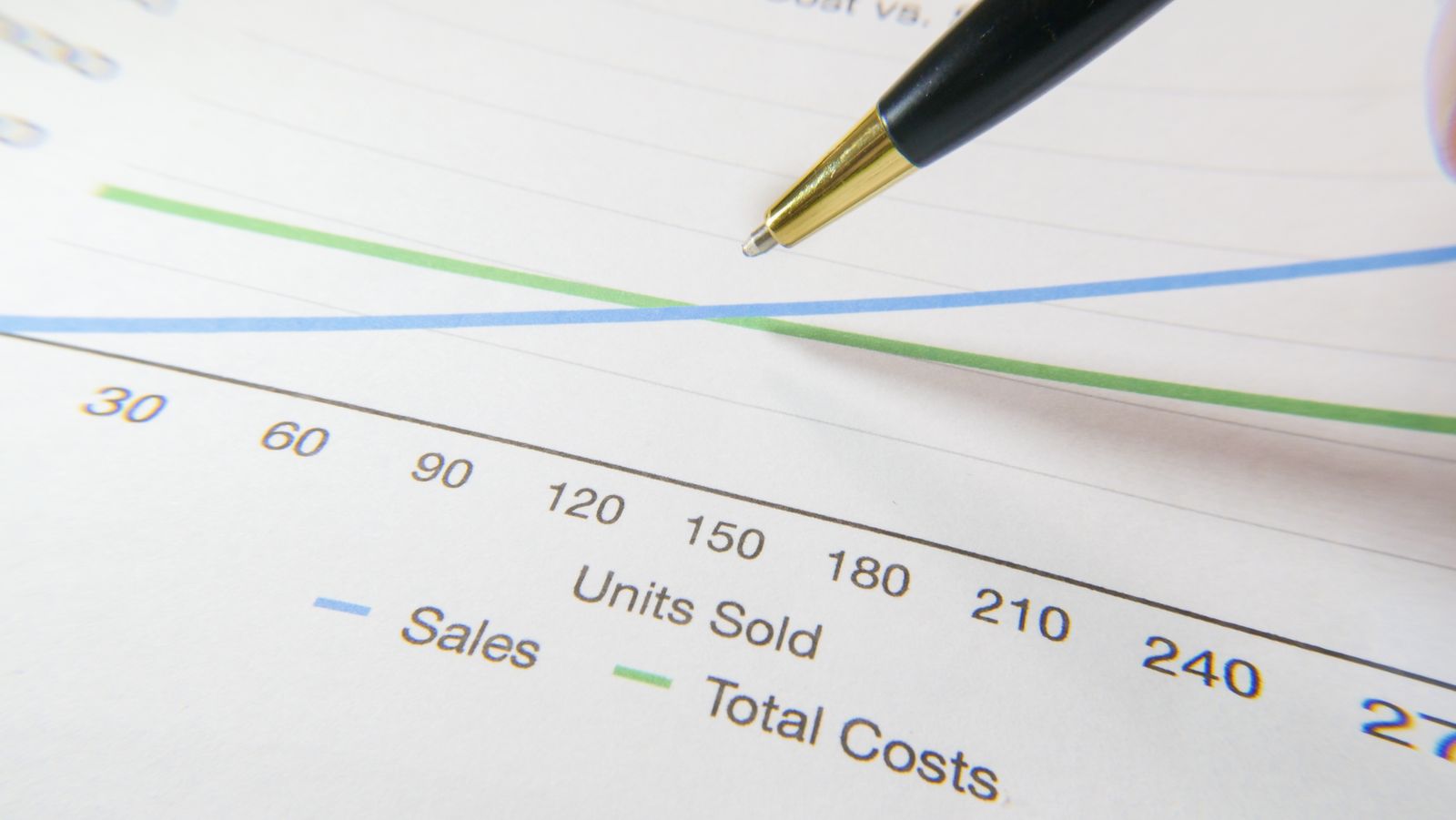
Most Canadians assume home growing is always cheaper than buying from a licensed retailer. The real answer is more interesting than that — and once you understand where the money actually goes, you can engineer a grow that pays for itself far faster than you'd expect.
Under the Cannabis Act, Canadian adults are permitted to cultivate up to four cannabis plants per household for personal use. That legal opening, combined with a flood of accessible genetics and affordable equipment, has turned home growing into one of the most practical hobbies a regular consumer can take up. But "practical" doesn't mean "free." Startup costs, ongoing electricity, nutrients, and replacement consumables all add up — and the growers who understand those costs upfront are the ones who come out ahead.
This guide breaks down every layer of the real-world cost of growing weed at home: indoor vs. outdoor, budget builds vs. premium rooms, monthly operating expenses, and the harvest math that makes it all worthwhile.
Why More Canadians Are Growing Their Own Cannabis
Retail prices were the original catalyst. Paying premium rates at a provincial retailer week after week — especially once you factor in provincial markups and taxes, adds up to a serious annual expense for regular consumers. A grow tent and a few packs of quality seeds start looking less like a hobby purchase and more like a sensible long-term investment.
But the financial argument is only part of the story. Growing your own cannabis gives you something no dispensary shelf ever can: complete transparency. You choose the cultivar, the nutrients, the drying protocol, and the harvest window. You know exactly what went into every gram you smoke. Some growers chase dense, gassy indica-forward cultivars. Others want fast-finishing autoflowers with fruity terpene profiles. Home growing opens that entire spectrum in a way that even the best-stocked retailer rarely can.
Freshness matters more than people realise. Properly dried and cured homegrown flower retains aroma, flavour, and terpene integrity far better than retail cannabis that's been sitting in a sealed pouch for weeks. Once growers fill their first curing jars themselves, many never look at the dispensary cooler the same way again.
Autoflower genetics lowered the barrier to entry considerably. These cultivars don't require lighting-schedule manipulation to trigger flowering, stay compact enough for apartment grows, and finish quickly — sometimes in under 70 days from seed. That simplicity pulled a wave of first-time growers into the hobby who might otherwise have found the learning curve too steep.
Online communities and grow forums accelerated everything else. A new grower in Saskatoon can now watch a full seed-to-harvest run online, compare LED fixtures with growers in Vancouver, and troubleshoot a nitrogen deficiency with someone in Halifax — all before their seedlings hit the second week of vegetative growth. A decade ago, that kind of knowledge took years to accumulate. Now it's a weekend of research.
For a lot of people, the hobby takes on a life of its own. Part gardening project, part science experiment, part obsession. The savings are real — but the satisfaction of pulling a personal harvest and packing your own jars tends to become its own reward.
What Actually Drives the Cost of Growing Weed
There is no universal price tag on a home cannabis grow. One person spends $300 on a modest closet autoflower setup. Another spends $3,000 building out a fully automated 4×4 room before the first seed ever cracks. The gap between those two growers comes down to a handful of key decisions.
Indoor vs. Outdoor Growing
Indoor growing costs more upfront — full stop. You are, in essence, building an artificial sun and a controlled outdoor environment inside four walls. That requires grow lights, ventilation equipment, oscillating fans, timers, containers, a growing medium, nutrients, and usually a grow tent to contain it all. Electricity becomes a recurring line item the moment you flip the switch on a grow light for the first time.
Outdoor growing flips that equation. The sun handles your lighting cost entirely, natural airflow reduces ventilation overhead, and your primary expenses shrink down to soil, nutrients, containers, and seeds. For a well-planned outdoor setup, the startup costs can be a fraction of an equivalent indoor grow.
The tradeoff is environmental exposure. Across much of Canada, growing seasons are short, frosts arrive early, and humidity can swing wildly — all of which create real risk for outdoor crops. Pests, mould pressure, and lack of privacy are genuine considerations that indoor growers largely sidestep. A greenhouse splits the difference: it cuts electricity costs dramatically while still giving the grower more environmental control than a fully exposed outdoor plant.
Autoflower vs. Feminised Seeds
Autoflower cultivars typically finish in 60–80 days from seed, regardless of light cycle. That shorter lifespan directly reduces indoor electricity costs, since lights simply run for fewer weeks. Their compact stature also means smaller tents, less airflow equipment, and lower nutrient consumption overall.
Feminised photoperiod cultivars demand more: longer vegetative periods, a deliberate light-cycle change to trigger flowering, larger containers, stronger lighting, and more training and trimming work. The payoff is typically larger yields and, for experienced growers, more direct control over plant size and structure before flowering begins.
Seed pricing varies meaningfully too. Premium genetics from established breeders cost more per pack, but the consistency in phenotype expression, cannabinoid profile, and flowering time usually justifies the premium — especially for growers who want predictable results from a limited plant count.
Plant Count and Grow Scale
Plant count changes everything financially.
A single-plant grow in a 2×2 tent needs one LED fixture, one small inline fan, and a modest supply of consumables. A four-plant grow in a 4×4 space needs proportionally stronger lighting, higher-capacity ventilation, larger carbon filters, and bigger nutrient reserves — and it produces significantly more heat, which sometimes forces growers to add cooling equipment they hadn't budgeted for. Under the Cannabis Act, Canadian adults may grow up to four plants per household for personal use, so that upper limit is worth planning around.
Container size matters in proportion to plant size. A compact autoflower in a three-gallon fabric pot costs far less to feed and water than a large feminised photoperiod cultivar sitting in a seven-gallon pot through a 10-week flower cycle.
Starting small is almost always the right move for first-time growers. It keeps startup costs manageable, limits the consequences of early mistakes, and creates space to learn before committing to a larger, more expensive build.
Typical Startup Costs for an Indoor Cannabis Grow
Indoor growing demands the most upfront capital, particularly for growers starting from scratch. The good news is that most of the core equipment is reusable across many grow cycles — so while the initial investment can feel heavy, the per-gram cost drops significantly with every successful harvest.
Here is where the bulk of the startup money goes, and what to expect at each stage.
Grow Tent
A grow tent is the first purchase for most indoor growers. It creates a self-contained environment for managing light, heat, airflow, and odour without converting an entire room into a grow space. Reflective interior lining maximises light efficiency, and the enclosed structure makes carbon filter odour control far more effective.
- 2×2 tent — suits one or two plants; the most affordable entry point
- 2×4 tent — fits two to four smaller plants; popular for autoflower runs
- 4×4 tent — the sweet spot for a full four-plant legal grow; requires stronger lighting and ventilation
- 5×5 and larger — serious builds; higher cost for frame, fabric, and all associated equipment
Quality varies considerably. Higher-end tents use thicker canvas (1680D vs. 600D), reinforced zippers, and sturdier steel poles. Cheap tents can develop light leaks and zipper failures quickly — a real problem for photoperiod cultivars that rely on uninterrupted dark periods to flower properly. Budget somewhere between $70 and several hundred CAD depending on size and build quality.
LED Grow Lights
Lighting is almost always the single most important purchase in an indoor cannabis grow — and where growers are most tempted to cut corners they'll later regret.
Modern full-spectrum LED fixtures have largely replaced older HPS and metal halide systems for home growers. They run cooler, consume less electricity, and don't require ballasts or reflectors. That said, not all LEDs are equal. Budget fixtures often struggle with canopy penetration depth, produce uneven spectrum distribution, and degrade faster over time. Mid-range to high-quality LEDs from reputable manufacturers provide better PPFD output, more consistent flower development, and greater long-term durability.
Light sizing is simple in principle: match wattage and coverage area to tent size. A 2×2 tent might need 150–200W of true LED power. A 4×4 tent may require 400–600W or more to achieve the canopy saturation needed for premium yields. For many growers, the LED fixture is where the largest single chunk of startup budget goes — and where spending a bit more upfront usually pays dividends through improved yields and lower electricity consumption compared to cheaper alternatives.
Ventilation and Odour Control
Good airflow is non-negotiable, and it matters more than most beginners anticipate.
Cannabis plants in flowering produce serious heat and significant humidity — especially as trichome-heavy buds swell and release terpenes during the final weeks. Without adequate airflow, a grow space can develop mould, stressed plants, or stagnant conditions that choke yields. The standard indoor solution is an inline fan connected to ducting and a carbon filter. The fan pulls stale, warm air out of the tent; the carbon filter neutralises odour before that air enters the surrounding room.
Inside the tent, one or two oscillating clip fans improve humidity distribution, prevent hotspots directly under the light, and strengthen stems through gentle mechanical stimulation. Maintaining proper airflow also helps growers manage vapour pressure deficit (VPD) — the relationship between temperature and relative humidity that drives transpiration and nutrient uptake. Dialling in VPD is one of the clearest markers separating intermediate growers from beginners.
Odour control becomes critical in late flowering, when resinous cultivars can perfume an entire floor of a house. Growers in apartments or homes with thin walls should budget for a properly sized carbon filter rather than treating it as optional.
Growing Medium and Containers
Three primary growing media dominate home cannabis cultivation, each with a different cost profile and learning curve:
- Soil — the most beginner-friendly option. Pre-amended "living soil" mixes contain enough organic nutrition for the first several weeks of growth, simplifying early feeding schedules. Reliable, forgiving, and widely available at Canadian garden centres.
- Coco coir — an inert coconut-husk medium that behaves more like hydroponics than soil. Faster growth rates, better oxygen at the root zone, and more precise nutrient control — but it demands more attentive watering frequency and a complete nutrient programme from the start.
- Hydroponic systems — recirculating or drain-to-waste setups that deliver nutrients directly to the root zone in water. Can produce aggressive growth rates and heavy yields, but startup costs for reservoirs, pumps, irrigation lines, and monitoring equipment climb fast.
Fabric pots are the container of choice for most soil and coco growers. The air-pruning effect at the pot walls encourages denser, more fibrous root zones and prevents the root circling that reduces nutrient uptake in plastic containers. Three-gallon pots suit most autoflowers; five- to seven-gallon pots support larger feminised photoperiod plants through a full cycle.
Nutrients and pH Equipment
Cannabis is a heavy feeder under strong artificial lighting, and a proper nutrient programme is essential to reaching the plant's genetic potential. Most commercial nutrient lines include separate formulations for the vegetative and flowering phases, with additional options for root stimulants, bloom boosters, and flush products. Understanding the role of the proper pH range in nutrient availability is critical — cannabis absorbs macro and micronutrients most efficiently between pH 6.0–7.0 in soil and 5.5–6.5 in coco or hydro.
A digital pH pen is a non-negotiable piece of equipment for any indoor grower. Budget options work reasonably well but require regular calibration. Higher-end pens stay accurate longer and include automatic temperature compensation. Add pH-up and pH-down solutions, calibration fluid, and possibly a TDS/EC meter for nutrient concentration monitoring, and these tools become a regular line item in the grow budget.
By the time a first-time grower assembles all the core equipment for a modest indoor build — tent, light, ventilation, medium, containers, nutrients, and pH tools, total startup costs typically land somewhere between $400 and $1,200+ CAD, depending on equipment quality and tent size.
Monthly Costs of Growing Weed Indoors
The startup investment gets most of the attention — but the ongoing monthly costs are where growers often get surprised. None of these expenses are enormous in isolation. Together, they form a real operating budget that deserves honest planning.
Electricity
Electricity is the largest recurring expense for the vast majority of indoor cannabis growers. Even efficient LED fixtures run for 12–18 hours daily for weeks on end. Add inline fans running continuously, oscillating fans, a dehumidifier during late flowering, and potentially a portable AC unit during summer months, and the utility bill notices.
A small single-light setup in a 2×4 tent might add $20–$50 CAD per month to your electricity bill depending on local provincial rates. A larger four-light setup with climate control equipment can run considerably higher. Two growers running identical equipment in British Columbia and Alberta may see meaningfully different monthly costs simply because provincial electricity rates differ. High-efficiency LEDs help — they deliver more light per watt consumed and generate less heat, which reduces cooling load at the same time.
Water and pH Management
Water costs stay relatively modest for most small home growers, but they're not zero. Cannabis plants consume water at an accelerating rate through late vegetative and flowering stages, and that usage scales with container size, grow room temperature, and plant count.
The more significant water-related expense often comes from treatment and management. In regions with hard municipal water, many growers invest in a reverse osmosis filtration system to remove excess dissolved solids before feeding. Even without RO, pH adjustment solutions, storage containers, and watering tools add up over time. Outdoor growers catch a break here — rainfall and natural soil moisture handle much of the irrigation load, especially in wetter provinces.
Consumables and Replacement Equipment
Every grow cycle depletes a predictable list of consumables. Carbon filters lose effectiveness over time and eventually stop controlling odour altogether — most need replacing every 12–18 months under heavy use. pH pen probes degrade and need replacement. Nutrient bottles empty out. And then there are all the smaller items that growers constantly restock:
- Trellis netting and plant ties (for SCROG and LST training)
- Pruning scissors and trimming gloves
- Sticky insect traps
- Drying racks and hanging lines
- Glass curing jars and Boveda humidity packs
- Replacement ducting and zip ties
- Calibration fluid for pH meters
- Rooting gel or cloning supplies (if taking cuttings)
Individually, these costs are minor. Collectively, they represent a real ongoing budget that experienced growers factor in from the start. Cheap equipment compounds this problem — budget fans that fail mid-grow, bargain inline fans that seize up, and low-quality timers that misfire can all force mid-cycle purchases at the worst possible moment. Buying decent equipment upfront almost always costs less in the long run than replacing failed cheap gear repeatedly.
How Much Weed Can You Actually Harvest — and What Is It Worth?
This is where home growing stops feeling like a cost and starts feeling like an asset.
Indoor yields vary significantly based on genetics, lighting intensity, container size, training methods, and grower experience. A beginner running autoflowers in a small tent under modest LED output might harvest two to four ounces total. An intermediate grower running feminised photoperiod cultivars in a dialled-in 4×4 with strong lighting, regular defoliation, and a SCROG net can pull dramatically more from the same legal plant count.
Compare either outcome to the cost of buying an equivalent amount of flower from a licensed retailer. In many Canadian provinces, retail cannabis flower carries a significant per-gram price once provincial taxes are layered on. Even a modest home harvest can offset a meaningful amount of dispensary spending per cycle. After the setup equipment is already purchased, subsequent grow cycles primarily cost electricity, nutrients, seeds, and consumables — a fraction of the original investment.
Autoflower cultivars improve the financial equation further for some growers. Their shorter life cycle means faster harvest rotation and fewer total weeks of electricity usage per ounce produced. Multiple autoflower harvests per year in the same tent are entirely realistic, steadily building a personal stash without significant month-to-month cost spikes.
Harvest processing adds a few expenses that are easy to overlook until chop day arrives: drying racks, trimming scissors, curing jars, humidity packs, and proper storage containers all become necessary the moment you cut the plants down. Budget a modest amount for these items well before harvest so they're on hand when you need them.
The quality dimension matters as much as the quantity. A carefully grown, properly dried, and well-cured harvest — terpenes intact, moisture content dialled in, no rush-dry shortcuts, competes very respectably with premium licensed retailer flower. Many growers find they prefer their own product once they've done it right a few times.
Budget Setup vs. Premium Grow Room: A Real Comparison
Cannabis cultivation doesn't require a professional facility to produce excellent flower. Understanding where budget and premium builds actually differ helps growers make smart purchasing decisions at any spending level.
Budget Build
A beginner-friendly personal-use setup can be assembled for a few hundred dollars and still produce quality cannabis. A typical budget build includes:
- A 2×2 or 2×4 grow tent
- One mid-range full-spectrum LED grow light
- A small inline fan with a carbon filter
- One or two clip fans for internal airflow
- Three- to five-gallon fabric pots
- Pre-amended soil or basic coco coir
- A starter nutrient line
- A digital pH pen and adjustment solutions
- One or two autoflower cultivars
This kind of setup fits comfortably in a spare closet, small corner of a basement, or a compact bedroom space. Electricity overhead stays low because smaller lights and fans draw less power. The learning curve is manageable because fewer variables need monitoring simultaneously. Many experienced growers will tell you honestly that their best early harvests came from exactly this type of simple, well-maintained build.
The tradeoffs are real but not disqualifying. Budget LED fixtures may not deliver the canopy penetration or spectral consistency of premium alternatives. Cheaper fans run louder and wear out faster. Smaller tents limit plant size and total harvest volume. But plenty of first-time and intermediate growers produce surprisingly good flower from modest setups — and the skills built here carry directly into any future upgrades.
Premium Build
A premium grow room pushes considerably further. These setups often include a dedicated 4×4 or larger tent — or a purpose-built room, with multiple high-end LED fixtures, an advanced inline ventilation system, a standalone environmental controller, automated irrigation, a dehumidifier, a portable AC unit, and smart monitoring equipment accessible by app.
Some growers automate nearly every variable:
- Temperature and humidity controllers with independent sensors
- VPD monitoring and real-time climate adjustment
- Automated irrigation timers or drip systems
- Light schedules and spectrum control through app interfaces
- CO₂ supplementation for enhanced photosynthesis rates
- Dedicated drying rooms with controlled temperature and humidity
The environmental precision these setups provide can produce very consistent harvests across multiple cycles, dramatically reduce the risk of mould or pest issues, and fully unlock the yield potential of premium feminised genetics. Premium LEDs alone can cost several hundred to over a thousand dollars per fixture. Add climate controllers, CO₂ equipment, and automated irrigation, and the total investment can climb well past $3,000–$5,000 CAD before a single seed goes in.
Most growers arrive at premium setups gradually. The common trajectory starts with a simple budget build, yields a first successful harvest, triggers an equipment upgrade, and slowly evolves over several grow cycles. That's a completely sensible path — it lets growers develop skill alongside their equipment investment rather than over-buying gear before they know what they actually need.
The Economics of Home Growing: A Real Number Breakdown
Abstract cost estimates only go so far. Running the actual numbers on a specific cultivar makes the financial case for home growing much more concrete.
Take Pacific Seed Bank's Permafrost seeds as a working example. Permafrost is a potent indica-dominant feminised cultivar known for its dense, resin-coated buds and strong finishing weight. At roughly $6.70 per seed, the genetics cost is nearly negligible compared to the harvest potential. Under solid growing conditions, a single Permafrost plant is capable of producing around 14 ounces (approximately 392 grams) of dried flower.
A modest single-plant indoor or outdoor run might look like this:
- One Permafrost feminised seed — approximately $6.70 CAD
- One 10-gallon canvas fabric pot — approximately $6 CAD (part of a five-pack at ~$29 total, reusable across multiple grows)
- Soil, nutrients, water, and electricity for the full grow cycle — approximately $75–$150 CAD for a modest indoor run
That puts total production cost for the entire harvest somewhere between $90 and $165 CAD under a conservative budget setup. If the plant reaches its full 14-ounce yield potential, the rough cost breakdown lands at:
- Approximately $6–$12 CAD per ounce produced
- Well under $1 CAD per gram
Compare that to licensed retail pricing. In many Canadian provinces, premium flower retails at $10–$15 per gram or more at the dispensary counter — which puts a single ounce at $280–$420+ CAD after taxes. One harvest from a single Permafrost plant, under even conservative yield assumptions, can represent thousands of dollars in dispensary equivalent value.
After the first grow cycle, the financial case improves further still. The grow tent, LED fixture, inline fan, carbon filter, and fabric pots are all already paid for and ready to go again. Future cycles primarily cost seeds, nutrients, electricity, and consumables. That's when the true per-gram cost of home growing really drops — and stays low, harvest after harvest.
Not every grow hits peak yield numbers, especially early on. Growing environment, lighting quality, genetics, training, nutrition, and grower experience all influence the final weight. But even a moderate first-time harvest — half of what Permafrost is capable of under ideal conditions, still produces a compelling financial outcome compared to buying the equivalent weight from a retailer.
FAQs
How much does it usually cost to start growing weed at home?
Most beginner indoor grows land somewhere between a few hundred and around $1,000 CAD, depending on equipment quality and tent size. A small setup with a grow tent, LED light, inline fan, soil, nutrients, and seeds costs far less than a fully automated grow room. Starting modest is almost always the right call — you can upgrade once you understand what your grow actually needs.
Is growing weed indoors more expensive than outdoors?
Yes, consistently. Indoor growing requires lighting, ventilation, odour control, and electricity to replicate the outdoor environment artificially. Outdoor growing eliminates most of those costs entirely, since sunlight and natural airflow do the heavy work for free. The tradeoff, particularly in Canada, is exposure to weather, pests, and a limited growing season.
Do autoflower cultivars cost less to grow?
In most cases, yes. Their faster finish — typically 60–80 days from seed, means fewer weeks of electricity usage indoors. Compact stature reduces nutrient consumption and allows smaller, more affordable tents and lighting. For beginners, the simplified light-cycle management removes one more variable from an already steep learning curve.
How much weed can one plant realistically produce?
That depends heavily on genetics, lighting intensity, container size, environment, and grower experience. Compact autoflowers may yield a few ounces per plant under modest conditions. Larger feminised photoperiod cultivars like Permafrost, grown under strong lighting with proper training, can produce well over half a pound from a single plant. Even conservative estimates produce compelling value compared to regular retail purchases.
The Bottom Line
Home growing in Canada is not automatically cheaper than buying from a retailer on day one — but it becomes dramatically more economical with each successive harvest. The startup costs are real, the monthly operating expenses deserve honest planning, and the first grow cycle is as much an education as it is a production run. But once that core equipment is in place and the first jars are filled, the cost-per-gram of homegrown cannabis drops to a level that licensed retail simply cannot match.
Start with the right genetics, keep your first setup appropriately scaled, learn your environment, and let the results compound over time. Whether you explore the outdoor setup route or build a controlled indoor room, the resources at Growing Marijuana on the Pacific Seed Bank blog will take you through every stage of that journey. The investment pays off — grow by grow, harvest by harvest.
Keep Reading
The 5 Best Blueberry Cannabis Strains To Grow Indoors
Find the best blueberry weed strains to grow indoors, including Blue Dream, Blueberry Cheesecake, and more - and buy the seeds from Pacific Seed Bank.
Why 5.8–6.5 Is The Ideal pH for Cannabis (And When to Adjust)
Learn why 5.8-6.5 is the ideal pH for cannabis plants, how to test your plant's pH, and how to adjust it higher or lower when you need to.
The Best Autoflowering Light Schedule For Bigger Yields
Stop guessing your autoflowering light schedule. Our guide breaks down the 18/6, 20/4, and 24/0 schedules to help you grow bigger, better plants.
Your Guide to Growing Kush Strains
Learn how to grow Kush strains with tips on lighting, feeding, training, and harvest. Get the most out of your Kush cultivars from seed to finish.