How to Raise Humidity in a Grow Tent for Better Yields
· 14 min read · Updated May 14, 2026
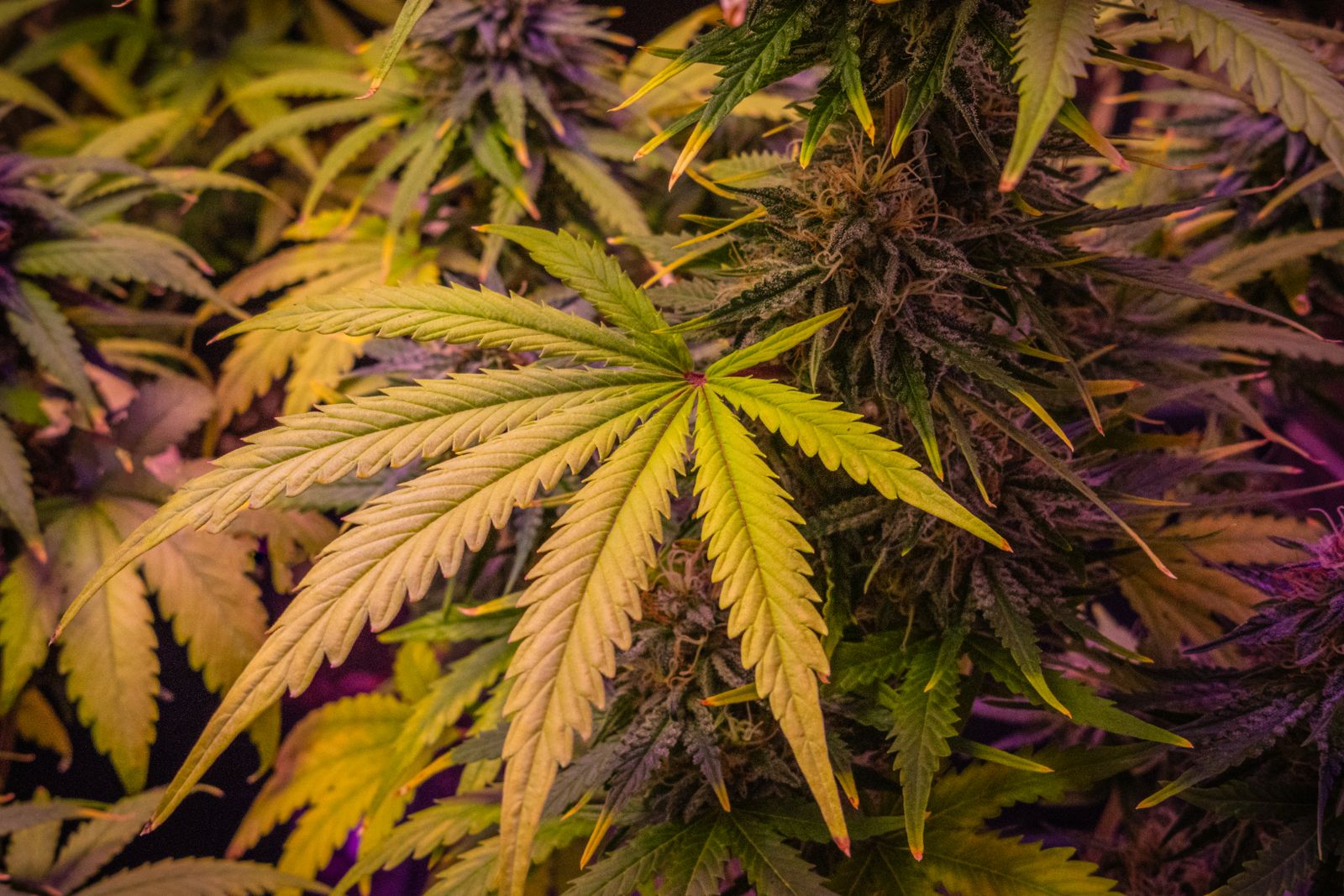
Drop the relative humidity in your grow tent below 30% during peak vegetative growth, and you can kiss roughly a third of your potential yield goodbye. That single number — documented across commercial operations and repeated in hobbyist grows coast to coast, is the most convincing argument for taking humidity seriously that exists in cannabis cultivation. It's not a variable you fine-tune after everything else is dialled in. It's foundational, right alongside light intensity and root-zone temperature.
Whether you're running a compact 2×4 in a Vancouver apartment or a sprawling 5×5 in a Calgary basement facing a −30 °C January, the principles are identical: understand what relative humidity does for your plants, choose the right tools for your budget, and avoid the handful of mistakes that turn a moist tent into a mould factory. Here's everything you need to know.
Why Relative Humidity Is a Non-Negotiable Environmental Variable
Relative humidity (RH) describes how much water vapour the air currently holds as a percentage of the maximum it could hold at that temperature. For cannabis, that number determines almost everything happening inside the leaf — and by extension, how fast and how well the plant grows.
The mechanism is transpiration. Water moves from root to canopy through a pressure gradient driven partly by evaporative demand at the leaf surface. When RH is comfortably high, stomata stay open, CO₂ flows in, photosynthesis runs at full capacity, and dissolved nutrients travel upward with the transpiration stream. Drop the RH too low, and the plant enters a defensive crouch: stomata close, transpiration stalls, nutrient transport slows, and growth plateaus. It's a stress response the plant didn't evolve out of — it's baked in.
A 2018 survey of professional cultivators found that while 73% of respondents targeted 40–55% RH during flowering, a significant portion still saw humidity dip below 30% at some point in the grow — and that dip correlated with yield reductions of up to 30%. In commercial terms, that's an enormous loss. In a home tent, it's the difference between a banner harvest and a mediocre one.
The benefits of dialled-in RH break down clearly:
- Efficient nutrient uptake: Open stomata and steady transpiration keep the xylem stream flowing, delivering calcium, magnesium, and micronutrients to where they're needed.
- Accelerated vegetative growth: A plant not conserving moisture pours its energy into cell division and canopy expansion instead.
- Seedling and clone survival: Young plants with underdeveloped root systems rely heavily on foliar moisture absorption; high RH is genuinely life-sustaining at this stage. Using a humidity dome in the first week is standard practice for good reason.
- Terpene and cannabinoid expression: Chronic water stress suppresses resin production. Consistent RH throughout the grow supports the full expression of a cultivar's chemical profile.
Key Takeaway: Humidity is a direct line to how well your plants can eat, breathe, and grow. Getting RH right for each growth stage isn't a suggestion — it's a non-negotiable step toward the absolute best harvest your genetics can deliver.
The target numbers shift with the growth stage. Seedlings thrive at 65–75% RH. The vegetative stage runs best at 50–70%. Early flower wants 45–55%, and late flower — when dense buds become susceptible to botrytis, should sit at 40–50%, ideally trending downward toward harvest.
The Right Gear: Humidifiers, Controllers, and Sizing Your Setup
DIY hacks work. But if you live in a prairie province where indoor air in January can drop to 15% RH, or you're running a perpetual harvest with multiple overlapping stages, purpose-built equipment pays for itself in reliability alone.
The workhorse of any humidity-controlled tent is the humidifier. Two main types exist, and the choice matters more than most growers initially realise.
Cool Mist vs. Warm Mist: A Clear Comparison
A cool mist humidifier — either ultrasonic or evaporative, produces a fine, room-temperature vapour using vibration or a fan. It adds moisture without adding heat, which is critical when your lights, ballasts, and drivers are already pushing the ambient temperature toward the upper edge of the acceptable range. Ultrasonic models are especially popular because they're quiet, energy-efficient, and produce a visible mist that's easy to direct.
A warm mist humidifier boils water to generate steam. The humidity boost is real, but so is the thermal load. In a sealed or semi-sealed tent, that extra heat forces your exhaust fan to work harder, can push canopy temperatures above the optimal 24–26 °C window, and creates additional VPD (vapour pressure deficit) complexity. Unless you're deliberately trying to compensate for a very cold grow space, warm mist is the wrong tool.
Sizing is equally important. Pairing a 6-litre humidifier with a 2×2 tent turns your grow space into a sauna. A rough guide:
- 2×2 to 2×4 tent: A 1–2 litre ultrasonic unit runs intermittently and maintains consistent RH without overshooting.
- 4×4 tent: Step up to a 3–4 litre model, especially if you're running high-intensity LEDs that reduce ambient humidity through heat.
- 5×5 and larger: A 5–6 litre unit, ideally paired with a controller, is the minimum for stable results in dry climates.
Pro Tip: Use distilled or reverse osmosis water in your humidifier. Tap water — even filtered municipal water, contains calcium and magnesium ions that deposit as white mineral dust on leaves and clog ultrasonic membranes within weeks. RO water extends equipment life significantly and keeps your foliage clean.
Automating Your Environment with a Hygrometer Controller
This is the upgrade that separates reactive growers from proactive ones. A hygrometer controller (sometimes called an environmental controller) plugs between your humidifier and the wall outlet. You place the sensor probe at canopy level, dial in your target RH, and the device handles the rest — switching the humidifier on when RH drops below the set point and cutting power once it recovers.
For seedlings, set the controller to 70%. When you transition into flower, reprogram it to 50%. The controller eliminates the humidity swings that come from manual adjustment — and those swings, even brief ones, cause measurable stress. Coupled with a quality oscillating fan, an automated humidifier is the closest a home grower can get to commercial environmental control without commercial infrastructure.
If you're running high-yield autoflowering genetics — strains like the aptly named big shift, an autoflowering feminised cultivar built for serious production, this kind of environmental consistency is exactly what unlocks the strain's ceiling. Autoflowers in particular compress their entire life cycle into 8–10 weeks, leaving no buffer for recovery from stress. Stable RH from day one is worth every dollar of the controller.
Budget-Friendly Hacks to Raise Humidity Without New Equipment
Not every grower is ready to invest in a humidifier on their first run. That's fine. These methods have been used since the early days of indoor cultivation, and they genuinely work — especially in smaller tents where surface-area-to-volume ratios are favourable.
The underlying principle is simple: increase the amount of exposed water surface inside the tent, and evaporation does the rest. Your circulation fan becomes the delivery mechanism.
Classic Water-Surface Methods
Place shallow trays or baking pans filled with a few centimetres of water on the tent floor. Shallow is key — a wide, flat water surface evaporates far faster than the same volume in a deep bucket. Position one tray directly in front of an intake vent or oscillating fan; the moving air skims the surface and carries moisture up into the canopy. For a 5×5 tent, this approach can raise ambient RH by 20% within a couple of hours.
- Wet towels or cloths: Soak a towel, wring it until it's damp rather than dripping, and hang it from a tent pole or support rod. As air circulates, evaporation from the fabric raises RH steadily. A bath towel provides substantial surface area — more than most people expect.
- The sponge method: A large clean sponge, soaked and placed in a shallow dish, acts as a slow-release moisture reservoir. The porous structure holds a surprising volume of water and releases it gradually over several hours.
- Perlite or clay pebble trays: Fill a deep tray with horticultural perlite, add water until it reaches halfway up the medium, and allow the top layer to remain exposed. The capillary structure wicks moisture upward continuously, releasing it into the air. This passive humidifier can maintain a moderate RH boost for two to three days before needing a top-up.
Data from Canadian commercial operations in the years following legalisation under the Cannabis Act in 2018 showed that poor ventilation accounted for 40% of humidity-control failures. The most common low-tech remediation? Wet towels and strategically placed water trays — interventions that boosted RH by 15–30% overnight without adding a single watt of electricity.
Heads Up: Manual methods require daily attention. Water trays evaporate, towels dry out, and sponges need refreshing every 24–48 hours. They're reliable as long as you're consistent — set a reminder if you're prone to forgetting.
Using Plants and Watering to Manage Humidity Organically
Here's the insight most beginner guides skip entirely: your plants themselves are humidity-management tools. Transpiration — the process by which leaves release water vapour through open stomata, contributes meaningfully to tent RH. A canopy of healthy, actively growing plants in vegetative growth can raise ambient humidity by 10–15% compared to an empty tent under identical conditions.
Microclimate Engineering Through Plant Spacing
Cluster your plants closer together and the effect amplifies. Transpired water vapour, rather than dispersing immediately through the ventilation system, collects beneath and within the canopy, creating a self-sustaining microclimate. Dense, high-yield feminised cultivars with broad canopies — particularly those trained with SCROG or LST to maximise leaf area, are especially effective at this. The canopy becomes a living humidifier.
This is worth considering when you're planning tent layout. Tight plant spacing isn't just about maximising your square footage; it's about creating the most favourable microenvironment your plants can generate collectively.
Strategic Watering for a Morning Humidity Spike
Your watering schedule has more influence on tent RH than most growers realise. Water evaporates from the soil surface continuously after irrigation, and the rate of evaporation increases with temperature. Timing your watering to coincide with lights-on — when tent temperature begins to climb, maximises the evaporative spike during the first few hours of the photoperiod.
This is particularly valuable during the early and mid stages of the grow. Seedlings and plants in early vegetative growth benefit enormously from a humid morning environment; it mirrors the dewy, moisture-rich conditions in which cannabis evolved. As a bonus, morning watering allows the soil surface to dry somewhat before lights-off, reducing the overnight condensation risk that can lead to mould.
Key Takeaway: By timing your watering, you're not just feeding your plants — you're actively shaping the tent's atmosphere. This simple adjustment provides a critical morning RH boost that helps kickstart healthy transpiration for the entire day.
Foliar Misting and Foliar Feeding
A pump sprayer loaded with plain RO water delivers an immediate, if temporary, RH spike. Mist the undersides of leaves lightly — this is where stomatal density is highest, and you'll see a jump of 5–10% RH within minutes. The effect is short-lived, dissipating as ventilation normalises the environment, but it's a useful emergency tool when other methods are lagging.
Foliar feeding compounds the benefit. A dilute nutrient solution applied to the leaf surface provides a humidity boost and a direct nutritional dose simultaneously — a genuine two-for-one. The one firm rule: never foliar feed under full-intensity lighting. Water droplets on leaf surfaces act as lenses under high-intensity LEDs or HPS, concentrating light and causing focal burns. Apply foliar treatments at the very start of the photoperiod, before the lights reach peak intensity, or within thirty minutes of lights-off.
Research into automated misting systems suggests that pulsed misting every 15–30 minutes can maintain a stable 65–70% RH for seedlings and cuttings, accelerating germination and establishment. Some studies have found that combined misting and transpiration management can increase vegetative biomass by over 30% compared to unmanaged controls — a substantial advantage when you're trying to maximise the output of high-yield genetics.
Common Mistakes That Turn a Humid Tent Into a Disaster
Raising humidity is straightforward. Raising it correctly — without inadvertently creating the conditions for powdery mildew, bud rot, or nutrient dysfunction, requires avoiding a handful of predictable errors. These are the mistakes that show up repeatedly in online grow journals and forum post-mortems.
Neglecting Air Circulation
Stagnant, humid air is the single most common cause of mould in indoor cannabis cultivation. Full stop.
RH at 55% with good airflow is a productive growing environment. RH at 55% with dead air is a petri dish. The distinction matters enormously. Moisture settles on leaf and bud surfaces when air isn't moving, creating the damp film that Botrytis cinerea (bud rot) and powdery mildew need to establish. Two pieces of equipment prevent this entirely:
- An oscillating fan: Positioned to create a gentle, whole-canopy breeze. Leaves should flutter slightly — not be blown sideways. Oscillation ensures every corner of the tent gets fresh air, eliminating the stagnant pockets where mould originates.
- An active exhaust fan: Running continuously (or on a short-interval timer) pulls humid air out and draws fresh air in through passive or active intakes. This exchange is what prevents RH from climbing into the danger zone during and after watering.
Flying Blind Without a Hygrometer
Human perception of humidity is unreliable. A tent can feel comfortable to you and still be running at 28% RH — damaging to your plants and invisible to your senses. A digital hygrometer with a min/max memory function is a $15–$30 investment that eliminates all guesswork.
Sensor placement is critical: mount it at canopy level, not at the floor or near the exhaust port. The canopy is where your plants are living, and microclimate variations within a single tent can span 10–15% RH depending on proximity to the humidifier, the lights, or the exhaust. You need the number that matters, not an average of the whole tent volume.
Pro Tip: Check your hygrometer immediately after watering, after any equipment adjustment, and at lights-off. Those are the three moments when humidity moves most dramatically, and catching an anomaly early is far easier than correcting a full-blown mould problem later.
Neglecting Humidifier Maintenance
A dirty humidifier doesn't just underperform — it actively harms your plants. Mineral deposits reduce output efficiency and eventually disable the ultrasonic membrane. Stagnant water in the reservoir grows bacteria and mould colonies that get aerosolised directly onto your canopy. Neither outcome is acceptable.
Clean the reservoir and membrane every one to two weeks with a dilute white vinegar solution, rinse thoroughly, and allow to dry before refilling. Never let the unit run to empty — many ultrasonic models suffer irreversible membrane damage when operated dry. Treat your humidifier as carefully as you treat your pH meter: it's precision equipment that protects a significant investment.
FAQs
What Happens If Humidity Is Too Low in a Grow Tent?
When RH drops too low, plants compensate by increasing root-water uptake to replace foliar moisture loss — but this accelerated uptake pulls proportionally more dissolved salts into the tissue, risking nutrient toxicity and burn even at normal feed concentrations. Simultaneously, the plant closes stomata to conserve water, which halts CO₂ uptake and shuts down photosynthesis. The compounding result is stunted growth, diminished resin production, and a significantly reduced final harvest. Protecting your plants with a proper humidity management strategy from the seedling stage forward prevents this cascade entirely.
Can You Raise Humidity Too Much?
— and it's one of the more dangerous mistakes in a flowering tent. While seedlings genuinely thrive at 70–75% RH, running those levels during mid-to-late flower is a direct invitation to Botrytis and powdery mildew. Both pathogens can colonise a dense bud in 24–48 hours under favourable conditions and spread to the entire canopy within days. Excessively high humidity during flower is the leading cause of catastrophic crop loss for home growers. The solution is staged reduction: bring RH down progressively as flowering advances, targeting 40–45% in the final two to three weeks.
Does Humidity Need to Be Different at Night?
Yes, and this is a subtlety many growers overlook until they've dealt with the consequences. When lights go off and tent temperature drops, RH rises naturally — the same absolute moisture content represents a higher relative humidity at lower temperature. If your daytime RH is already at 55%, the lights-off temperature drop could push it to 65–70%, creating condensation on buds and leaves. A good environmental controller handles this automatically, reducing humidifier output as the photoperiod ends. If you're managing manually, set your daytime target 5–8% lower than you'd like to account for the nighttime rise.
Will a Bigger Pot Size Help with Humidity?
It contributes meaningfully. A larger pot volume holds more moist growing medium, and evaporation from the soil surface scales with exposed area. In a small tent with limited tooling, upsizing from a 3-gallon to a 5-gallon container can make a noticeable difference in baseline RH — particularly in the 24 hours following irrigation. It's not a replacement for a humidifier, but as part of a layered approach, it's a useful passive contributor.
Humidity management rewards growers who treat it as precisely as they treat their light schedule or feed programme. Get the numbers right for each growth stage, keep the air moving, and automate wherever your budget allows. The difference between a tent that runs at consistent, stage-appropriate RH and one that swings unpredictably is measurable in grams per square metre — and in the depth of flavour and aroma that only a plant grown without chronic stress can produce.
For more practical cultivation guides, visit the Growing Marijuana section of our blog. And when you're ready to put your newly optimised environment to work, Pacific Seed Bank carries over 1,400 premium autoflowering and feminised cultivars, all backed by our germination guarantee. Check out the full collection and find the genetics your tent deserves.
Keep Reading

How Much Does It Cost To Grow Your Own Weed in Canada?
Learn the real costs of growing weed at home, including grow tents, lights, seeds, nutrients, electricity, and how much cannabis you can harvest.
The 5 Best Blueberry Cannabis Strains To Grow Indoors
Find the best blueberry weed strains to grow indoors, including Blue Dream, Blueberry Cheesecake, and more - and buy the seeds from Pacific Seed Bank.
Why 5.8–6.5 Is The Ideal pH for Cannabis (And When to Adjust)
Learn why 5.8-6.5 is the ideal pH for cannabis plants, how to test your plant's pH, and how to adjust it higher or lower when you need to.
The Best Autoflowering Light Schedule For Bigger Yields
Stop guessing your autoflowering light schedule. Our guide breaks down the 18/6, 20/4, and 24/0 schedules to help you grow bigger, better plants.