The Easiest Cannabis Strains to Grow This Spring
9 min read · , updated May 14, 2026

Spring arrives in Canada and, with it, a question every new cultivator asks: which seeds won't punish me for the rookie mistakes I haven't made yet? The answer isn't about finding a strain so simple it grows itself — it's about choosing genetics that are genuinely forgiving: fast-finishing, mould-resistant, nutrient-flexible, and capable of producing respectable yields even when your VPD drifts or your pH wanders a point in either direction. The five strains below tick every one of those boxes.
What "Easy to Grow" Actually Means
The word easy gets thrown around loosely in seed marketing. Before you crack your first bean, it helps to agree on a working definition — because a strain that's forgiving outdoors in coastal BC may be a terror under a 600-watt HPS in a prairie basement.
There are four measurable qualities that make a strain genuinely beginner-friendly:
- Speed to harvest — shorter flowering windows (8–9 weeks or less) reduce the total time your plants are exposed to pest pressure, environmental swings, and your own inexperience.
- Resilience and forgiveness — mould resistance, mildew resistance, and a wide tolerance for pH fluctuation (roughly 6.0–7.0 in soil) mean a minor oversight won't cost you the whole crop.
- Productive yields — a beginner needs encouragement. Strains that deliver 400–550 g/m² indoors under adequate light make the learning curve feel worthwhile.
- Consistent potency — genetics that express reliably across varied phenotypes so every harvest feels like a win, not a lottery.
A strain that scores well on all four is a genuine beginner's ally. The five featured here do exactly that.
Growing Indoors This Spring: Start with a Grow Tent
Canada's spring is unpredictable. A warm weekend in April can flip to a hard frost by Monday morning, and outdoor seedlings rarely forgive that kind of whiplash.
For new growers, starting indoors — inside a dedicated grow tent, is the single smartest move you can make. A tent gives you a controlled microclimate where you manage every variable: light spectrum and photoperiod, temperature (aim for 22–26 °C during lights-on), and humidity, which should sit around 60–70% RH in veg and drop to 40–50% RH in late flower to discourage botrytis. Under the Cannabis Act, Canadian adults may grow up to four plants per household for personal use, a single tent handles that beautifully.
Entry-level tents in the $60–$100 CAD range that are well-regarded by Canadian home growers include:
- LAGarden — sturdy zippers, good light seal for the price
- Finnhomy — efficient corner-pole design, compact footprint
- Quictent Eco-Friendly — non-toxic lining, solid mid-size options
- Oshion — wide range of sizes, consistent reflective interior
- Ipomelo — lightweight frame, excellent for first-timers
Even the most forgiving strains benefit from a stable environment. Pair your tent with a clip fan for airflow, a digital thermometer/hygrometer, and a basic carbon filter — that's genuinely all a beginner needs to produce impressive results with the genetics below. If you want an even simpler path, autoflowering seeds are highly resilient and switch from vegetative growth to flower based on age rather than light cycle, making them almost foolproof in a tent setting.
Blue Dream — The All-Canadian Crowd-Pleaser
No strain earns its reputation quite the way Blue Dream, the beloved sativa-dominant Blueberry × Haze hybrid, has — quietly, by delivering every time.
Blue Dream feminized is one of the most-purchased strains in Canada for very good reason. Its genetic architecture leans sativa (roughly 60/40), which means vigorous, upright growth that responds beautifully to low-stress training (LST): tie those long lateral branches down early and you'll be rewarded with an even canopy and dramatically improved light penetration. Expect flowering to wrap up around 9–10 weeks, with indoor yields that can reach 500 g/m² under a well-dialled 600-watt setup. THC expression typically lands in the 17–21% range, with a terpene profile rich in myrcene and caryophyllene that delivers the strain's signature blueberry-pine scent.
The effects are classically balanced: a gentle cerebral lift that settles into full-body ease without couch-lock. Think of it as the strain you reach for before a slow weekend morning, a creative project, or — yes, a full Game of Thrones marathon. What makes it genuinely beginner-friendly is that it tolerates a fairly wide nutrient window, isn't prone to rapid calcium or magnesium deficiencies at typical pH ranges, and expresses consistent phenotypes without a lot of genetic surprises.
Green Crack — Sativa Power, Surprisingly Cooperative Plants
The name sounds aggressive. The grow is anything but.
Green Crack, the sharp sativa-dominant hybrid with a mango-citrus terpene bomb at its core, is one of the most rewarding plants a new Canadian grower can cultivate. Its lineage traces back to Skunk No. 1, which bequeathed it a compact internodal spacing for a sativa and a resistance to common environmental stresses that makes it forgiving of the occasional humidity spike or irregular feeding schedule.
Flowering finishes in approximately 7–9 weeks — fast for a sativa-leaning plant, and indoor yields regularly hit 450–500 g/m² when plants receive consistent light (at least 600 µmol/m²/s PPFD) and a well-balanced grow-bloom nutrient programme. THC levels typically range from 17–24%, with terpenes dominated by limonene, myrcene, and ocimene. That limonene-forward profile is what produces the bright citrus aroma growers love, and, as a bonus, makes trimming day one of the more pleasant sensory experiences in the grow room.
The effects are precisely what a sativa should deliver: focused mental energy, creative momentum, and a mood lift without the anxiety that higher-THC sativas sometimes trigger. Whether you're chasing a deadline or starting a new art project, Green Crack is wired for productivity. Keep your grow room temperature steady around 24 °C and feed slightly lighter on nitrogen in late veg to avoid over-stretching — that's really the only note a beginner needs.
CG4 — The Resin Machine That Forgives Your Mistakes
If you want a strain that produces remarkable quality even when you're still figuring things out, CG4 is your answer.
CG4 is a balanced hybrid (indica/sativa split hovering close to 50/50) with a terpene-rich, resin-heavy structure that makes it a favourite for growers who eventually want to explore concentrate and hash production. Its most compelling beginner credential is nutritional flexibility: where some strains throw a calcium or phosphorus deficiency at the slightest pH drift, CG4 holds steady across a fairly wide input range. That doesn't mean you should neglect your feed chart, but it does mean a minor miscalculation is unlikely to permanently damage the plant.
The aroma is full and complex — earthy, diesel-tinged, with sweet floral back-notes that intensify dramatically as the trichome heads turn from clear to milky. Heavy resin production begins as early as week 4 of flower, which means that by the time you're flushing in the final week, the buds will be coated. For anyone curious about making bubble hash or rosin from their first home grow, CG4 provides an ideal starting point: plenty of resin, consistent trichome density, and a high-energy euphoric effect profile that's crowd-pleasing at any occasion.
Dutch Treat — Indica Ease with Balanced Effects
Some strains are called a "treat" because they're pleasant to smoke. Dutch Treat, the indica-leaning Amsterdam classic, earns the name from root to tip.
Dutch Treat feminized is a compact, bushy indica-dominant plant (roughly 70% indica, 30% sativa) that was practically designed for indoor cultivation. Its height stays manageable — typically 60–90 cm under standard photoperiod conditions, which means it fits neatly in a tent without requiring aggressive topping or SCROG training, though both techniques will increase your final yield if you're willing to invest the time. Flowering wraps up in 7–8 weeks, making it one of the faster harvests on this list, with yields of approximately 400–450 g/m² indoors.
The terpene profile sits in fascinating territory compared to other indica-dominant strains. Unlike the rich, earthy cocoa notes of Chocolate Kush — or the exotic, vintage-cannabis character of Chocolate Thai, the rare sativa landrace, Dutch Treat leans sweet and candy-bright, closer to pine resin and fruity confection than anything in the chocolate family. Think tootsie roll and fresh-cut pine, with a subtle eucalyptus undertone that lingers on exhale.
The effects balance beautifully between the two hemispheres of the cannabis experience: the indica component delivers genuine muscle relaxation and a slow easing of mental tension, while the sativa fraction keeps you alert enough to hold a conversation, watch a film, or handle a quiet evening's work. It will not put you to sleep. It will, however, make everything feel considerably more manageable. For a beginner cultivator, Dutch Treat's short stature, fast finish, and nutritional predictability make it as close to a guaranteed success as the plant kingdom offers.
It's worth a quick comparison: where Blue Dream stretches tall and wants LST, Dutch Treat stays compact and almost manages itself. Where Green Crack needs consistent temperatures to avoid stress-triggered hermaphroditism, Dutch Treat is sturdier under fluctuating conditions. Different tools for different growing situations — know your space before you pick your seed.
Cinex — The Creative Powerhouse That Resists Mould
Up to 22% THC, mould-resistant genetics, and a daytime effect profile that turns any afternoon into a creative sprint. Cinex, the sativa-dominant hybrid bred from Cinderella 99 — the fast-finishing, sweet-fruity sativa-dominant legend, and Vortex, is the strain that makes beginner growers look like they know exactly what they're doing.
The mould and mildew resistance is the headline trait for new growers. In a tent environment where humidity management can be an ongoing challenge, especially during the transition from veg to early flower, having genetics that resist botrytis and powdery mildew gives you a meaningful safety margin. It doesn't replace good airflow and diligent defoliation — Cinex responds well to strategic leaf removal at weeks 3 and 5 of flower to open up bud sites, but it does mean a temporary humidity spike won't result in a crop loss.
Cinex inherits Cinderella 99's notably fast genetics. Kush-style indicas often take 9–11 weeks to flower; Cinex finishes in roughly 8 weeks, which shortens your risk window considerably. Terpene expression features citrus and pine with an earthy, slightly sweet back-note — the myrcene and terpinolene combination that experienced consumers associate with clear-headed focus rather than sedation.
One practical note: Cinex means what it says as a daytime strain. The cerebral activation it produces — racing thoughts, heightened sensory awareness, elevated mood, is genuinely uncomfortable if you consume it within a few hours of trying to sleep. Schedule your harvest sessions accordingly, and this strain will become a mainstay in any rotation.
Your Spring Grow Starts with the Right Genetics
Every skilled cultivator started exactly where you are: choosing their first strains, setting up their first tent, and wondering whether this would actually work. The honest answer is that the right genetics remove most of the doubt.
Blue Dream rewards patience and gentle LST with generous, balanced harvests. Green Crack delivers sativa vigour in a surprisingly cooperative plant. CG4 produces resin-drenched buds even through rookie errors. Dutch Treat fits any tent and finishes fast. Cinex brings up to 22% THC with built-in disease resistance — a combination that's almost unfair to call beginner-level.
Start with one. Master your environment, dial in your nutrient schedule, observe how the plant communicates stress through leaf colour and posture. Then grow another. The skills compound faster than most new growers expect, and by your third harvest you'll be reaching for more complex, demanding genetics with genuine confidence. That progression — from forgiving strains to challenging ones, is the most satisfying arc in home cultivation.
Spring is short in most of Canada. Get your seeds in the ground — or into that tent, while the season still has momentum on your side.
Keep Reading

How Much Does It Cost To Grow Your Own Weed in Canada?
Learn the real costs of growing weed at home, including grow tents, lights, seeds, nutrients, electricity, and how much cannabis you can harvest.
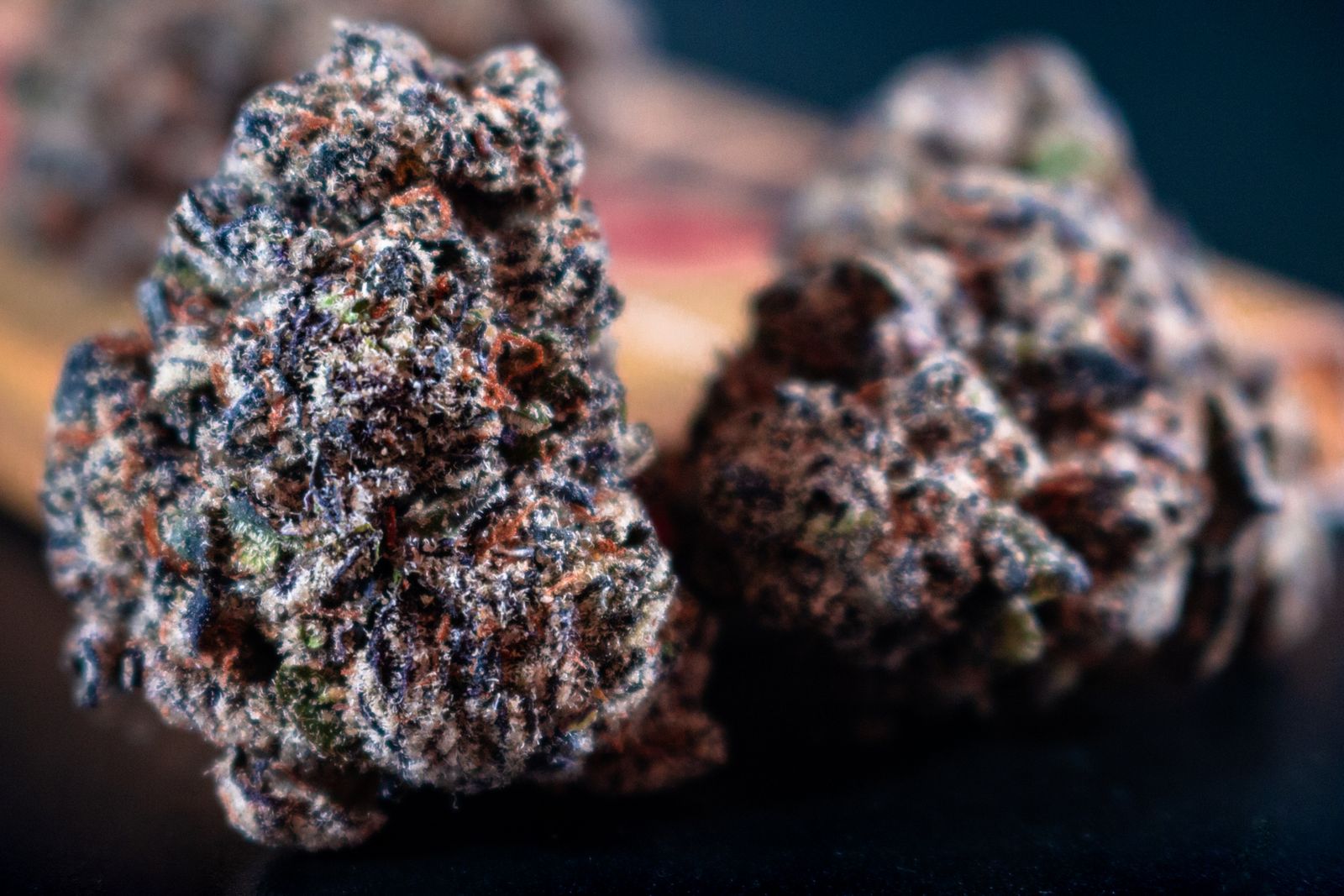
The 5 Best Blueberry Cannabis Strains To Grow Indoors
Find the best blueberry weed strains to grow indoors, including Blue Dream, Blueberry Cheesecake, and more - and buy the seeds from Pacific Seed Bank.

Why 5.8–6.5 Is The Ideal pH for Cannabis (And When to Adjust)
Learn why 5.8-6.5 is the ideal pH for cannabis plants, how to test your plant's pH, and how to adjust it higher or lower when you need to.
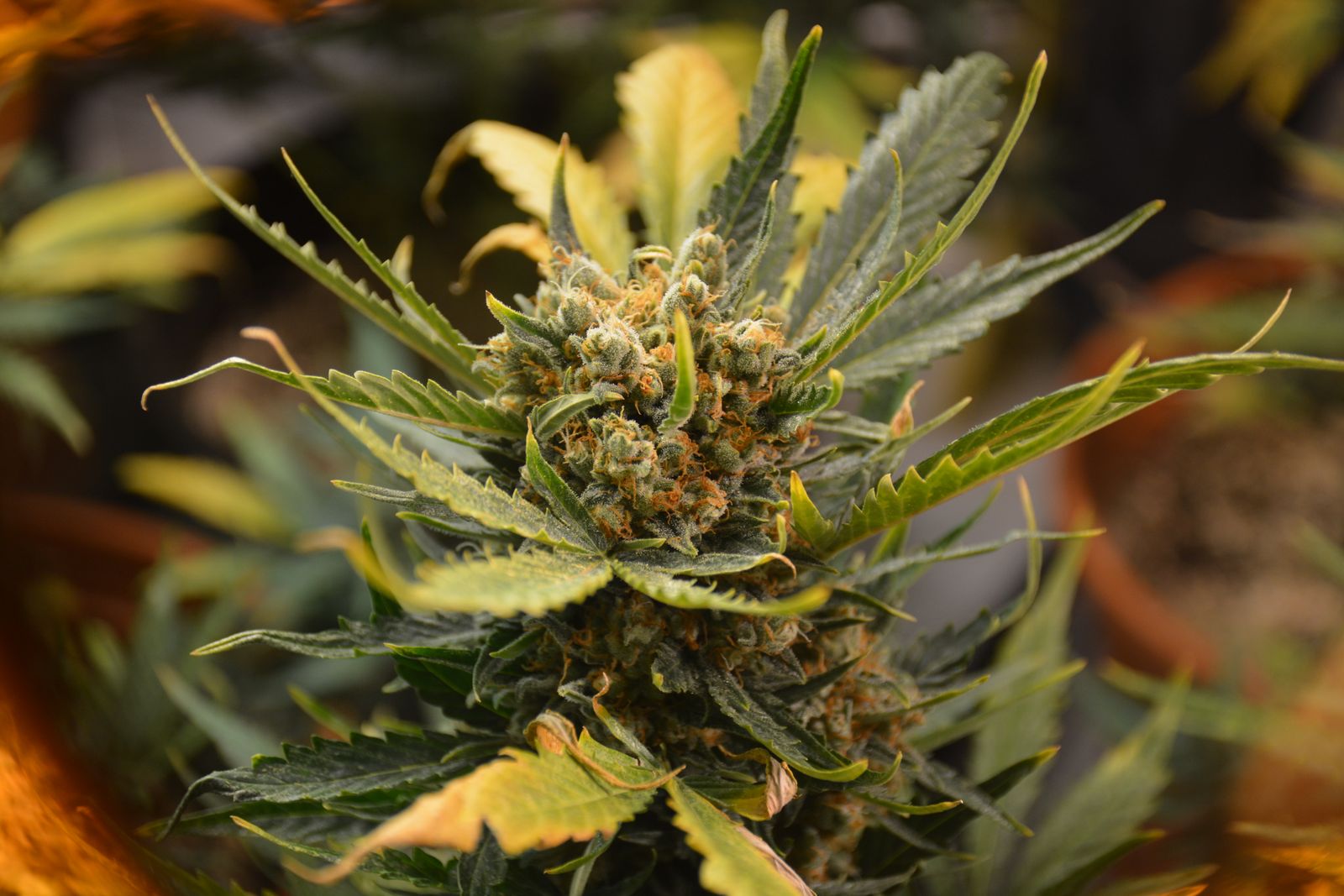
The Best Autoflowering Light Schedule For Bigger Yields
Stop guessing your autoflowering light schedule. Our guide breaks down the 18/6, 20/4, and 24/0 schedules to help you grow bigger, better plants.