Your Ultimate Girl Scout Cookies Strain Grow Guide
· 17 min read · Updated May 14, 2026
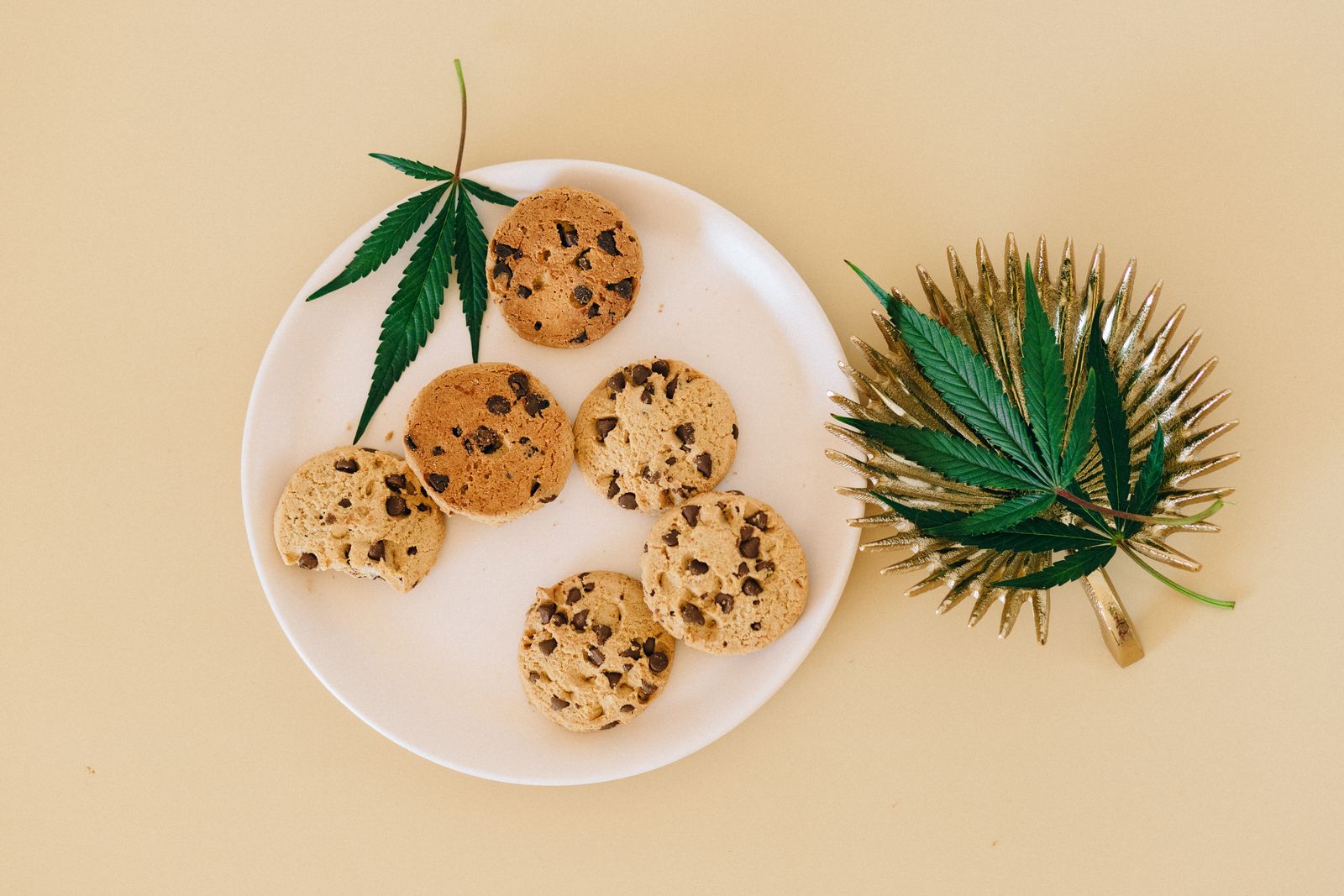
Twenty-eight percent THC. A Cannabis Cup win in 2013. A flavour profile so distinct — sweet cookie dough, fresh mint, dark earth, that a single whiff is enough to make experienced growers stop mid-sentence. Girl Scout Cookies didn't just become a legend by accident. It earned every bit of its reputation, and growing it yourself is one of the most satisfying projects you'll undertake as a cultivator.
That said, GSC rewards the grower who pays attention. Get complacent with your vapour pressure deficit, overload your feed schedule, or rush the cure, and you'll miss what makes this strain extraordinary. Follow the process with discipline, and you'll pull dense, trichome-caked colas that rival anything you'd find at a licensed retailer.
This guide covers everything: genetics, germination, training, harvest timing, and the cure that actually unlocks those iconic terpenes. Let's get into it.
Why GSC Became a Modern Cannabis Icon
The hype around a Girl Scout Cookies strain grow is not marketing. It's the result of genuinely exceptional genetics expressing themselves in ways most strains simply can't match. GSC hit the California scene around 2010, swept the Cannabis Cup Best Hybrid category in 2013, and has been one of the most sought-after cultivars on the continent ever since.
Here's the quick-reference profile every grower should know before popping a single seed:
| Attribute | Details |
|---|---|
| Genetics | ~60% Indica / 40% Sativa |
| THC Content | Up to 28% |
| Flowering Time | 9–10 weeks (photoperiod) |
| Indoor Yield | ~300 g/m² (approx. 10 oz/m²) |
| Outdoor Yield | ~300 g/plant (approx. 10 oz/plant) |
| Difficulty | Intermediate |
| Flavour Profile | Sweet, Earthy, Mint, Cookie-Dough |
Those numbers tell part of the story. The rest lives in GSC's genetic architecture — specifically in the two parents responsible for creating something entirely new.
The Legendary Genetics Behind Girl Scout Cookies
Every outstanding strain has a lineage worth understanding. GSC's parentage is a masterclass in complementary genetics: two iconic cultivars, each contributing something the other lacked, combining to produce a hybrid that transcends both.
OG Kush — The Structural Foundation
OG Kush, the archetypal West Coast powerhouse, is responsible for GSC's dense bud architecture, that thick blanket of resin, and the deeply relaxing physical effect underpinning the whole experience. The Kush influence is visible from week three of flower: tight, swelling nodes, calyxes stacking on calyxes, trichomes erupting across every surface.
Durban Poison — The Sativa Spark
Durban Poison, the celebrated pure sativa landrace from South Africa, brought an entirely different energy to the cross. This is the parent that lifts GSC's effect profile above a simple body-stone, contributing an uplifting cerebral quality and the sweet, anise-tinged aromatic character that sets GSC apart from every other Kush derivative. For growers interested in exploring Durban Poison's characteristics in an autoflowering format, Durban Poison Auto is a fantastic study in that pure sativa expression.
The result of this cross is a roughly 60/40 indica-sativa split with THC production that routinely reaches 25–28% under competent cultivation. It's a profile that balances euphoria and relaxation without collapsing into sedation — which is precisely why it's been imitated so many times and matched so rarely.
The Two Famous GSC Phenotypes
When you start researching a Girl Scout Cookies strain grow, you'll quickly encounter the concept of phenotypes. Same parents, same core DNA — but distinct expressions, the way siblings from the same household can look and act quite differently.
- Thin Mint GSC: The phenotype that originally put GSC on the map. Stunning dark-green and purple colouration, a pronounced minty-sweet-cookie flavour, and a flowering window of roughly 55–63 days with THC typically landing between 19–28%. This is the one growers mean when they talk about GSC being visually spectacular.
- Platinum GSC: Leans heavily into its OG Kush heritage. Extraordinarily frosty — the buds genuinely look dipped in platinum — with a heavier, fuller body effect. If you're after maximum resin production and a deeply physical finish, this is your phenotype.
Understanding which expression you're working with helps calibrate your feeding, training, and harvest timing. The core cultivation principles below apply to both, but keep the phenotype in mind as you monitor your plant's specific responses.
Grower's Note: GSC is confidently rated intermediate difficulty — not a beginner's plant, but accessible to a diligent first-time grower. It dislikes environmental instability and nutrient excess more than most strains. Respect those sensitivities and it will reward you generously. At Pacific Seed Bank, every GSC cultivar is available as feminised or autoflowering, meaning every seed you plant becomes a productive female, no sexing, no males to cull, no wasted grow space.
Getting Your GSC Seeds Started Right
The foundation of every exceptional harvest is a clean, confident germination. GSC seeds are no different, and the approach doesn't need to be complicated to be effective.
The Paper Towel Method
The paper towel technique remains the most reliable and accessible germination method for home growers. The principle is simple: create a dark, moist, warm microenvironment that triggers the seed's natural germination response. For a full breakdown of your options, our guide on how to germinate seeds covers every proven approach in detail.
Here's exactly what you need:
- Two clean ceramic or glass plates
- Two to three paper towels (unscented, undyed)
- Your GSC seeds
- Purified or distilled water (pH 6.0–6.5)
- Dampen the paper towels thoroughly — moist but not dripping. Excess free water encourages mould rather than germination.
- Place your seeds on one damp towel with roughly 2.5 cm (1 inch) of clearance between each seed.
- Lay the second towel over top and sandwich the setup between your two plates to create a dark, enclosed dome.
- Place on a warm surface — the top of a refrigerator works perfectly, maintaining a consistent 22–25°C (72–77°F).
- Check every 24 hours. Most GSC seeds will show a taproot between 24 and 72 hours.
Once the taproot reaches about 6–8 mm (roughly a quarter-inch), it's time to transplant. Use clean tweezers, handle gently, and place the seed taproot-down into a small starter pot of light, well-aerated seedling mix. Cover with about 5 mm of soil and water sparingly.
The Seedling Environment: Think NICU, Not Greenhouse
GSC seedlings are genuinely delicate. The root system is minimal, the leaf surface area is tiny, and the margin for environmental error is narrow. Treat this stage like a critical care environment.
Target these conditions:
- Temperature: 22–26°C (72–79°F), no sudden swings
- Humidity: 65–75% RH — a crucial window that supports transpiration without inviting damping-off. A plastic humidity dome (even a cut-down soda bottle) makes maintaining this trivially easy. For more on managing moisture levels throughout the grow, our guide on humidity in a grow tent is worth bookmarking.
- Light: Low-intensity CFL or small LED panel, 18–24 inches above the canopy, on an 18/6 schedule. Young seedlings don't need intensity — they need consistency.
Overwatering kills more GSC seedlings than any pathogen or pest. The root system at this stage is a thin thread; it cannot process large volumes of water, and saturated soil starves roots of oxygen. Master the watering rhythm early: lift the pot — if it feels light, give a small drink; if it has weight, leave it alone. That discipline pays dividends throughout the entire grow.
Healthy seedlings are a vivid, saturated green and stand upright with confidence. Pale colour or drooping almost always traces back to a watering imbalance or a light problem. Diagnose early and correct gently.
Nailing the Vegetative and Flowering Stages
Your seedlings have put out their first true leaves and begun filling their starter pots with roots. You're past the most fragile phase. Now the real cultivation begins — and this is where attentive growers separate themselves from average ones.
Vegetative Stage: Building the Architecture
Think of the vegetative stage as your construction phase. Every branch junction, every node, every square centimetre of canopy you develop now is a potential bud site during flower. GSC in veg is a vigorous, rewarding plant to work with — it wants to grow, and your job is to channel that energy intelligently.
Light schedule: 18 hours on / 6 hours off. Non-negotiable for photoperiod cultivars. This long photoperiod suppresses flowering hormone production and keeps the plant in pure vegetative mode.
Environmental targets for veg:
- Temperature: 21–29°C (70–85°F) — aim for the middle of that range and avoid swings greater than 5°C between lights-on and lights-off
- Humidity: 40–60% RH — higher humidity is tolerable early in veg but should trend downward as the canopy thickens
- VPD: Target 0.8–1.0 kPa during early-to-mid veg for optimal transpiration and nutrient uptake
For a thorough understanding of what your plant is doing biochemically and structurally during this period, our dedicated guide on the vegetative stage of cannabis development is an excellent complement to this section.
GSC is notably sensitive to nitrogen excess during veg. Start at roughly half the manufacturer's recommended dose of your base nutrients and increase only in response to plant demand — indicated by healthy, dark-green new growth without clawing or tip burn. It is always easier to add than to remedy a lockout caused by overfeeding.
Triggering Flower: The 12/12 Flip
After four to six weeks in veg — once your plant has developed a strong branch structure with multiple node sites, it's time to trigger flowering. For feminised photoperiod GSC, this means a single decisive change: switch your light timer to a strict 12 hours on / 12 hours off cycle.
That twelve-hour dark period mimics late-season day length and signals the plant to shift from vegetative growth into reproduction. The critical word is strict. Any light leak during the dark cycle — a timer glitch, a cracked tent seam, even a phone screen, can disrupt hormonal signalling and push susceptible cultivars toward hermaphroditism. Tape the seams, check the timer, eliminate every light source.
Immediately after the flip, prepare for the flowering stretch. GSC plants can double in height over the first two weeks of flower — a dramatic vertical surge driven by internodal elongation. Plan for this in your grow space. A 60-cm plant in veg could be 120 cm by week three of flower. Low-stress training during this window will keep things manageable.
Feeding Through Flower: Shift Your Ratios
As the plant transitions from vegetative growth to bud production, its nutritional priorities change fundamentally. Nitrogen — the driver of leaf and stem growth, steps back. Phosphorus and potassium step forward.
| Growth Stage | Primary Nutrient Focus | Secondary Considerations |
|---|---|---|
| Vegetative | Nitrogen (N) | Moderate P and K; calcium and magnesium support |
| Early Flower (Weeks 1–3) | Transitional — reduce N, introduce P/K | Silica beneficial for stem strength during stretch |
| Mid-to-Late Flower (Weeks 4–9) | Phosphorus (P) and Potassium (K) | Terpene and resin boosters; cal-mag as needed |
| Final 1–2 Weeks | Flush with plain, pH-balanced water | Eliminates residual mineral salts for a clean smoke |
Watch the leaf tips. Brown, crispy margins are the first visible sign of nutrient burn. If they appear, skip your next feeding, flush with clean pH-balanced water (6.0–6.8 for soil; 5.8–6.2 for coco or hydro), and reduce concentration going forward. GSC will tell you what it needs — your job is to listen.
Training and Pruning for Maximum GSC Yield
Left entirely to its own devices, cannabis grows like a conifer: one dominant central cola, with progressively smaller lateral branches tapering toward the base. It's a natural growth strategy, but it's a terrible strategy for your indoor yield. Training and pruning exist to override that default and redirect energy to the sites that can actually produce dense, marketable buds.
For GSC specifically, there's an additional reason to train aggressively: airflow. Dense indica-dominant canopies trap humidity and restrict circulation, creating ideal conditions for botrytis and powdery mildew. A well-trained, open canopy is preventative medicine as much as it is a yield strategy.
Low-Stress Training (LST): The Foundation
LST is the single most accessible, highest-return technique available to home growers. No cuts, no healing time, no stress response — just gentle, progressive manipulation that coaxes your plant into a flat, productive shape.
Begin LST in early veg, once the main stem has reached 20–25 cm with four to five node sets. Using soft plant ties or garden wire, gently bend the main stem toward horizontal and anchor it to the pot rim or a training stake. The branches below — previously suppressed by apical dominance, will now receive direct light and begin surging upward, each becoming a potential main cola.
Continue adjusting ties every two to three days as the plant grows. By the time you flip to flower, you should have a broad, roughly horizontal canopy with eight to twelve even bud sites all competing equally for light.
SCROG: The Next Level
The Screen of Green method takes LST logic to its logical conclusion. A horizontal net or screen — typically positioned 40–50 cm above the pot, acts as a training guide and canopy manager simultaneously.
- Install the screen in early veg and begin tucking branches under it as they grow.
- Weave longer branches along the screen to fill gaps evenly.
- Continue tucking until roughly 70% of the screen is filled — then flip to flower.
- As the stretch begins, allow new growth to pop up through the screen and leave it there. These shoots become your flower sites.
When done well, a SCROG-trained GSC plant produces an even carpet of dense buds across the entire screen footprint. Every site receives identical light intensity, leading to uniform maturation and significantly higher total yield compared to unmanaged growth. The setup investment is modest — a net, some stakes, and the return is substantial.
Lollipopping: Concentrating Your Plant's Resources
Training shapes the canopy. Lollipopping cleans up everything below it. Two to three weeks into flowering — once bud sites are clearly defined but before the plant has committed significant resources to lower growth, remove the small branches and bud sites occupying the bottom third of the plant.
These lower sites receive minimal light through the canopy above them. Even if they survive to harvest, they produce airy, poorly-developed "larf" that adds weight to your total without adding quality to your stash. By removing them early, every calorie the plant produces goes directly to the top-canopy sites that have full light access.
Understanding what lollipopping is and executing it correctly — clean cuts with sterilised scissors, performed decisively rather than gradually, is one of the most reliable ways to improve bud density and bag appeal on a GSC grow. Do it once, cleanly, and let the plant recover for a few days before returning to your regular feeding schedule.
Harvesting and Curing Your GSC: Where Legends Are Made
Everything that preceded this moment — the germination precision, the training sessions, the careful feeding adjustments, was infrastructure. The harvest and cure are the event itself. Rush this phase and you will produce mediocre cannabis from extraordinary plants. Execute it patiently and you'll produce top-shelf GSC that demonstrates exactly why this strain has dominated conversation for fifteen years.
Reading Trichomes: The Only Harvest Clock That Matters
Ignore the breeder's stated flowering time as a harvest trigger — use it only as an estimate for when to begin monitoring. The real indicator is trichome morphology, visible under a 30x–60x jeweller's loupe or an inexpensive digital microscope (both are available online for under CAD $25).
Here's what you're observing and what it means:
- Clear trichomes: THC biosynthesis is still incomplete. Harvesting now produces weak, immature effects and minimal flavour. Do not harvest.
- Cloudy/milky trichomes: Peak THC concentration. Effects are cerebral, energetic, and sharply psychoactive. This is the window for maximum potency.
- Amber trichomes: THC is oxidising to CBN. Effects become heavier, more sedative, and more physically relaxing. Some amber is desirable; too much tilts the experience decisively toward couch-lock.
For the classic GSC experience — balanced euphoria with physical relaxation, harvest at approximately 70% cloudy, 30% amber. This captures peak THC while the emerging amber brings in the depth and warmth that GSC users love.
For a more pronounced body effect that really showcases the OG Kush lineage — ideal for evening use or managing physical discomfort, push to a 60/40 cloudy-to-amber split. The difference in effect is noticeable and worth the extra patience.
The Drying Phase: Slow Is the Only Speed
A proper dry preserves terpene integrity and prevents the hay-like aroma that marks a rushed harvest. Target a controlled environment with these parameters:
- Temperature: 15–21°C (60–70°F)
- Humidity: 55–65% RH
- Light: Complete darkness — light degrades terpenes and cannabinoids
- Airflow: Gentle, indirect circulation from an oscillating fan — never direct airflow onto buds
- Duration: 7–14 days, depending on bud density and ambient conditions
Hang whole branches upside down with generous spacing between them. Check doneness by bending the smaller stems: a clean snap indicates sufficient moisture loss. A fold means more time is needed. Patience here is non-negotiable — GSC's dense bud structure means the interior dries more slowly than the surface, and premature jarring traps moisture that leads to mould.
The Cure: Where GSC's Terpene Profile Fully Develops
Drying removes water. Curing transforms chemistry. During the cure, residual chlorophyll — responsible for harsh, grassy taste, breaks down through enzymatic processes, and the full complexity of GSC's terpene profile matures and stabilises. This is what produces that signature sweet, minty, cookie-dough aroma that makes people stop and ask what they're smelling.
The process is straightforward:
- Trim dried buds and place loosely into wide-mouth airtight glass jars — fill to approximately 75% capacity to leave headspace.
- For the first seven days, "burp" jars once or twice daily by opening them for 5–10 minutes. This releases accumulated CO₂ and moisture while drawing in fresh air.
- If you detect ammonia during burping, the buds were jarred too wet — leave lids off for several hours before resuming.
- After the first week, reduce burping to every two to three days.
- Minimum cure time: two to four weeks. Optimal: six to eight weeks for full terpene expression.
The difference between a four-week cure and an eight-week cure on GSC is remarkable — rounder, more complex aroma, smoother smoke, and a more nuanced effect profile. The genetic potential was always there; the cure simply releases it.
What to Expect from Your Harvest
With feminised GSC cultivars grown under the conditions described in this guide, realistic expectations are:
- Indoor yield: Approximately 300 g/m² (~10 oz/m²) under 600W HPS or equivalent LED intensity, with LST or SCROG training
- Autoflower yield: Somewhat lower per-plant weight, offset by a much faster seed-to-harvest timeline of roughly 10–12 weeks total
- THC at harvest: A well-executed grow with proper curing reliably produces 20–25% THC even in a first grow — higher with optimised conditions
This is the cultivar that makes the effort feel proportionate to the reward.
Common GSC Questions, Answered Directly
Is GSC Too Difficult for a First-Time Grower?
It's intermediate — not impossible for a beginner, but not forgiving of neglect. The primary sensitivities are environmental stability and nutrient concentration. GSC dislikes large temperature swings and reacts quickly to excess nutrients, particularly nitrogen. A beginner who commits to monitoring daily and corrects issues at the first sign rather than waiting for problems to escalate can produce an excellent GSC harvest. Starting with an autoflowering cultivar removes the photoperiod management variable entirely, which simplifies the process considerably for newer growers.
How Long Is the Full Seed-to-Harvest Timeline?
The two formats have meaningfully different timelines:
- Autoflowering GSC: 10–12 weeks from germination to harvest, regardless of light schedule. The plant manages its own flowering trigger. Ideal for growers who want simplicity or multiple annual outdoor harvests across Canada's shorter growing season.
- Feminised (photoperiod) GSC: 4–6 weeks vegetative (your choice) plus 9–10 weeks flowering after the 12/12 flip. Total: roughly 13–16 weeks from seed to chop, plus 2–8 weeks of drying and curing.
Factor cure time into your planning — harvesting in late September indoors gives you properly cured GSC by late November or December, just in time for winter.
Why Are My GSC Leaves Turning Purple?
In most circumstances, purple colouration on GSC is desirable — not a problem. The Thin Mint phenotype is renowned for its dark purple and near-black hues, which emerge from anthocyanin pigments encoded in the genetics. These same pigments colour blueberries, red cabbage, and eggplants.
Cooler night-cycle temperatures during the final two to three weeks of flowering — dropping to around 16–18°C (61–65°F), activate anthocyanin expression in susceptible phenotypes. The result is visually striking and has no negative effect on potency or flavour. It's your plant showing off its genetics. For growers specifically drawn to dramatic purple colouration, it's worth exploring dedicated cultivars like deep purple genetics alongside GSC.
If the purple appears alongside leaf curl, yellowing, or poor vigour, investigate temperature stress or a phosphorus deficiency first. But if the rest of the plant looks vibrant and healthy, those purple leaves are a feature.
How Do I Get That Classic GSC Flavour?
The flavour is a terpene story: myrcene, caryophyllene, limonene, and linalool are the primary contributors to that sweet, earthy, minty, cookie-dough profile. Terpene production peaks during late flowering and is preserved or destroyed in the post-harvest process.
The two non-negotiable factors for flavour:
- A proper flush during the final 7–14 days of flowering — plain, pH-balanced water only. This reduces mineral salt accumulation that produces harshness.
- A slow dry followed by a minimum four-week cure in glass jars. There is no shortcut here. Rapid drying at elevated temperatures — a common mistake in impatient grows — volatilises the most delicate terpene fractions before they ever reach your nose.
The top-shelf GSC flavour that earned this strain its reputation is achievable at home. But it requires treating the post-harvest phase with the same seriousness as the grow itself.
Start Your GSC Grow with Confidence
A Girl Scout Cookies strain grow is not the easiest project in your cultivation career. It demands environmental attentiveness, nutritional restraint, and the patience to let the cure finish what the plant started. But every one of those demands is learnable, and the return on your investment — dense, frost-covered, terpene-rich buds with THC pushing toward 28%, is among the best in the cannabis world.
Start with quality genetics. Train early and deliberately. Feed conservatively. Harvest by trichome, not by calendar. Cure in glass for at least a month. Do those five things consistently, and you'll produce GSC that stands up to anything available from a licensed retailer.
Pacific Seed Bank Canada carries the full GSC family — feminised and autoflowering cultivars, alongside a comprehensive library of Growing Marijuana guides to support every stage of your grow. Your next legendary harvest starts with the right seed. Make it count.
Keep Reading

How Much Does It Cost To Grow Your Own Weed in Canada?
Learn the real costs of growing weed at home, including grow tents, lights, seeds, nutrients, electricity, and how much cannabis you can harvest.
The 5 Best Blueberry Cannabis Strains To Grow Indoors
Find the best blueberry weed strains to grow indoors, including Blue Dream, Blueberry Cheesecake, and more - and buy the seeds from Pacific Seed Bank.
Why 5.8–6.5 Is The Ideal pH for Cannabis (And When to Adjust)
Learn why 5.8-6.5 is the ideal pH for cannabis plants, how to test your plant's pH, and how to adjust it higher or lower when you need to.
The Best Autoflowering Light Schedule For Bigger Yields
Stop guessing your autoflowering light schedule. Our guide breaks down the 18/6, 20/4, and 24/0 schedules to help you grow bigger, better plants.