How to Get Rid of Gnats in Your Plants for Good
· 12 min read · Updated May 14, 2026
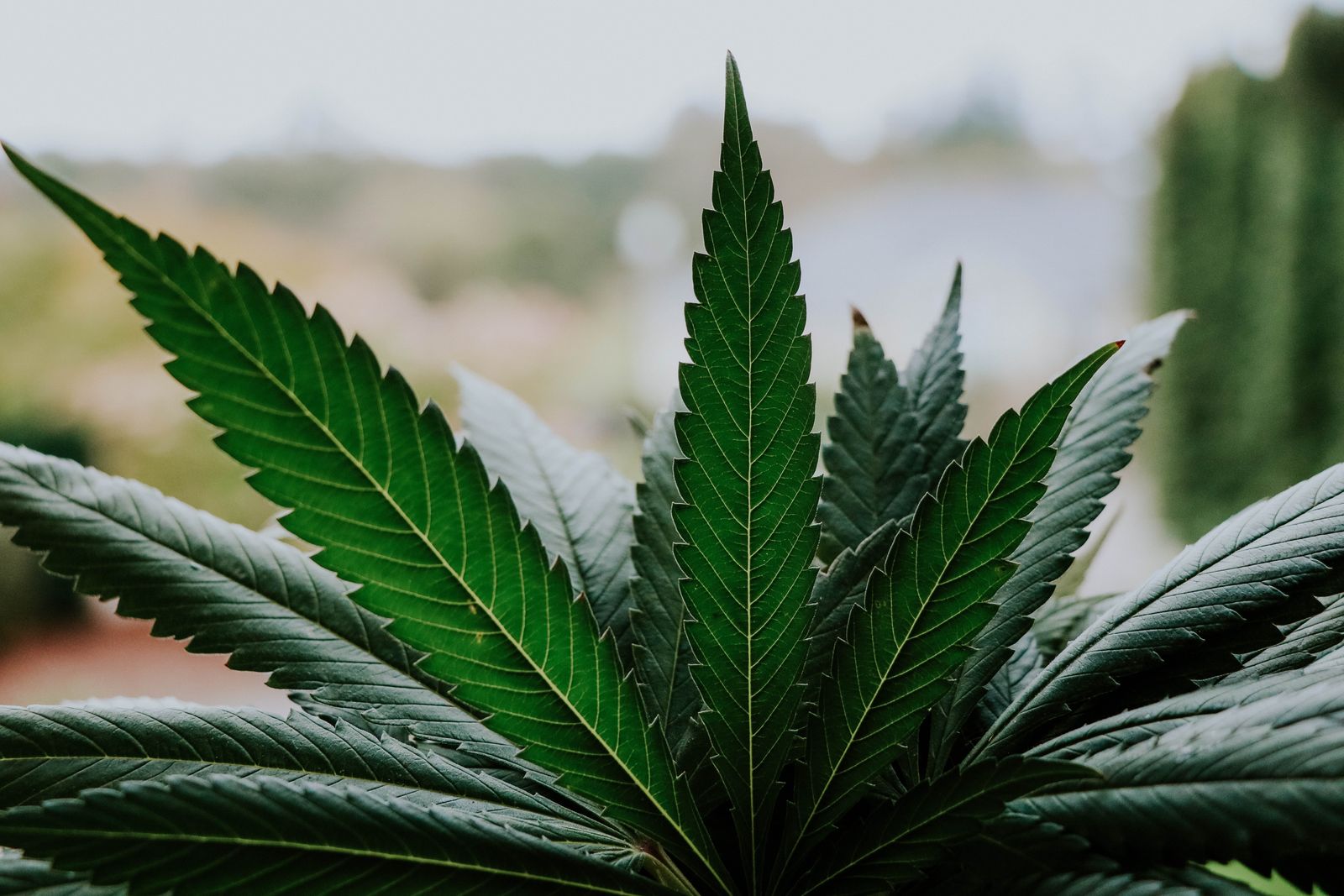
A single female fungus gnat can deposit 150 eggs into your cannabis soil in her ten-day lifespan — and the larvae that hatch will spend the next two weeks quietly destroying root hairs before you ever notice something is wrong. By the time you see adults orbiting your pots, you are almost three or four generations deep into an infestation. The fix is not a miracle spray. It is understanding the biology, breaking the cycle at every stage, and making a few precise adjustments that cost almost nothing.
Why Gnats Appear in the First Place
Fungus gnats are not attracted to cannabis specifically. They are attracted to the environment that cannabis growers tend to create: warm, humid, organically rich soil that stays damp for days at a time. Your grow room is genuinely their ideal world.
The adult female lands on moist topsoil, deposits her clutch of eggs into the first one to two inches of substrate, and moves on. The eggs hatch in four to six days. The larvae then spend roughly two weeks feeding on soil fungi, decomposing organic matter, and — here is the part that actually matters to your plants, the delicate root hairs responsible for nutrient uptake. Left unchecked, a serious larval population can destroy up to 25% of a seedling's root mass, slow vegetative growth to a crawl, and introduce pathogens that cause damping-off and collar rot. For mature plants, the damage is usually cosmetic and physiological, yellowing leaves, unexplained nutrient deficiencies, and a general loss of vigour that looks frustratingly like a dozen other problems.
The pupa stage lasts only three to four days, and then a new adult emerges to start the whole process again. At warm indoor temperatures — the 22–26 °C range most Canadian growers maintain, the complete cycle from egg to reproducing adult runs 21 to 40 days. That rapid turnover is precisely why a handful of gnats in week one becomes a cloud by week three.
Reading the Signs Early
Catching the problem before it escalates makes every intervention faster and cheaper. Here is what to look for:
- Visible adults: Small, dark, mosquito-like flies hovering near the soil surface or crawling on pot edges.
- Larvae in the substrate: Tiny, translucent, worm-like organisms visible when you gently scratch the top centimetre of soil.
- Unexplained yellowing or wilting: Root damage mimics overwatering and deficiency symptoms simultaneously — confusing if you don't suspect gnats.
- Sticky trap catches: Yellow sticky traps placed at soil level will reveal adults before your eye count does.
Fungus gnats are a symptom, not the disease. They appear because the growing environment invites them — almost always because of excess moisture at the root zone's surface. Correct the environment first, and every other intervention becomes far more effective.
For a broader view of everything that can infiltrate your garden, our comprehensive guide on how to keep common marijuana pests away from your plants is essential reading before you encounter your next unwanted visitor.
The Lifecycle at a Glance
| Life Stage | Location | Duration | What They Are Doing |
|---|---|---|---|
| Egg | Top 1–2 cm of moist soil | 4–6 days | Dormant, waiting to hatch into feeding larvae. |
| Larva | Moist soil column | ~2 weeks | Feeding on fungi, organic matter, and root hairs. |
| Pupa | Soil surface or just below | 3–4 days | Transforming into a winged adult. |
| Adult | Air above plants and soil | 7–10 days | Mating and depositing up to 150 eggs into damp soil. |
Your Immediate Action Plan
Speed matters here. Every adult flying around your tent is a potential egg-laying machine. Act on multiple fronts simultaneously rather than testing one method at a time.
Step One — Control Soil Moisture
This is the most impactful single change you can make, and it costs nothing. Allowing the top one to two inches (2.5–5 cm) of soil to dry out completely between waterings destroys the conditions that gnat eggs and larvae require to survive. Growers who implement this change consistently report up to an 80% reduction in gnat populations within two weeks — before introducing any other control.
Dialling in precise watering frequency is one of the most underrated skills in cannabis cultivation, and it pays dividends far beyond pest management. Your roots need the wet-dry cycle to breathe, to strengthen, and to push into new soil territory. Letting the surface dry is not stressing your plant — it is training it.
For growers seeking the most gnat-resistant approach possible, consider switching to bottom watering: place the pot in a shallow tray of water and allow the substrate to draw moisture upward through the drainage holes. The plant takes exactly what it needs, and the topsoil never becomes a viable egg site. It also encourages deeper root development — a structural advantage that pays off at harvest.
Step Two — Deploy Physical Traps and Barriers
Moisture control handles the larvae. You still need to intercept the adults before they lay another generation of eggs. Yellow sticky traps are your frontline tool.
- Place traps horizontally on the soil surface to catch adults the moment they emerge from the substrate.
- Stake additional traps just above canopy height to catch airborne adults moving between pots.
- Inspect every two days — trap saturation tells you whether the population is declining.
- Replace traps every seven to ten days or sooner if heavily loaded.
A physical soil barrier is the second layer. Two options work reliably well:
- Coarse sand: A half-inch (1.25 cm) layer dries out almost instantly after watering, creating an abrasive, inhospitable surface for adults trying to oviposit.
- Diatomaceous earth (DE): This powdered fossilised silica feels harmless to humans but lacerates and fatally desiccates any insect with an exoskeleton. Dust a light, even layer over dry topsoil and reapply after every watering session.
Step Three — Optimise Airflow
Fungus gnats are poor, fragile fliers. Even modest air movement from a small oscillating fan disrupts their ability to locate soil and land long enough to deposit eggs. Good airflow also accelerates surface drying between waterings, amplifying everything else you are already doing. If you are growing in an enclosed tent and your ventilation is not yet dialled in, our guide covering everything you need to know about how to set up a grow tent walks through the fan, filter, and intake configuration that keeps your microclimate healthy and hostile to pests.
Biological Controls That Actually Work
Physical controls slow the infestation. Biological controls end it — and unlike chemical pesticides, they do not disrupt the microbial ecosystem your roots depend on.
BTI: The Larval Assassin
Bacillus thuringiensis israelensis — sold in Canada as "mosquito bits" or "mosquito dunks", is a naturally occurring soil bacterium that produces a protein lethal specifically to the larvae of fungus gnats, mosquitoes, and black flies. It is completely harmless to cannabis plants, humans, pets, and beneficial soil organisms. This specificity is remarkable and is why BTI is the go-to biological control for professional greenhouse operations worldwide.
Applied as a soil drench, BTI has been shown to eliminate 95% of larvae within 48 hours. Field data combining BTI with proper ventilation management shows population reductions of 90% within a single grow cycle.
Application is straightforward:
- Measure approximately one teaspoon of mosquito bits per four litres (one gallon) of water.
- Allow the bits to steep for at least 30 minutes to create a concentrated "tea."
- Use this solution as your regular watering liquid, thoroughly saturating the root zone.
- Repeat every seven to ten days for a minimum of three applications to cover the full larval lifecycle.
Predatory Nematodes: Long-Term Soil Defence
If BTI is a targeted strike, Steinernema feltiae nematodes are an occupying force. These microscopic, soil-dwelling organisms actively hunt fungus gnat larvae, enter their bodies, and release symbiotic bacteria that kill the host from within. It is ruthlessly effective and entirely natural.
Nematodes arrive refrigerated — usually in a sponge or pouch, and are mixed with water for direct soil application. They establish themselves in your growing medium and continue reproducing as long as larvae are present, creating a self-sustaining defensive system. Apply them to moist soil, out of direct light, to maximise their establishment rate.
Comparing Your Biological Options
BTI and nematodes target the same life stage — the larvae, but serve different strategic purposes. BTI delivers a fast, decisive kill within days, making it the right choice when you need to rapidly reduce an active infestation. Nematodes are slower to establish but persist in the soil and reproduce independently, making them ideal for long-term prevention after the acute phase is controlled. For a genuinely stubborn infestation, use both: hit hard with BTI first, then inoculate with nematodes to prevent reinfestation.
| Method | Mechanism | Best Application | Key Tip |
|---|---|---|---|
| BTI (Mosquito Bits) | Bacterial toxin lethal only to dipteran larvae | Rapid knockdown of active larval infestation | Steep bits as a "tea" for 30 minutes before drenching soil |
| Steinernema feltiae Nematodes | Microscopic predators that hunt and kill larvae | Long-term, self-sustaining soil defence | Apply to moist soil in low light; they need moisture to travel |
Making Your Grow Space Permanently Hostile to Gnats
Winning the current battle is satisfying. Never fighting it again is the real goal.
Quarantine Every New Plant and Bag of Soil
Research suggests that up to 50% of indoor fungus gnat infestations are introduced via purchased plants or pre-mixed growing media. Gnats hitchhike in as eggs or larvae and establish themselves in your previously clean space before you realise what has happened.
Non-negotiable quarantine protocol:
- Isolate all new plants or new soil in a separate room for two to three weeks before integration.
- Place a yellow sticky trap directly on the soil surface of every new arrival, even if it looks pristine.
- Inspect every two to three days during the quarantine window.
- Avoid heavy fertilisation during quarantine — excess nitrogen encourages the fungal growth that larvae feed on.
Build Gnat-Resistant Soil From the Ground Up
Soil that drains well, breathes freely, and does not remain waterlogged at the bottom of the pot is fundamentally less hospitable to fungus gnats than dense, moisture-retaining mixes. Incorporating perlite, pumice, or coarse coco coir improves aeration and speeds drainage, directly reducing the window of larval-friendly moisture after each watering.
The relationship between soil composition and pest pressure is direct and predictable: better structure equals faster drainage equals drier surface equals fewer gnats. We go deep on this in our guide to cultivating the best soil for marijuana plants — the single most preventative investment you can make before your next grow.
Empty Saucers, Every Time
This one small habit eliminates an entire category of breeding sites. Standing water in catch trays beneath your pots — even a centimetre, is sufficient for larvae to thrive. Empty saucers within one hour of watering, without exception. It takes thirty seconds and removes a significant vulnerability from your setup.
When a Stubborn Population Refuses to Collapse
You have adjusted your watering, deployed traps, applied BTI, and the gnats are still there. Before escalating to stronger interventions, play detective. A persistent infestation almost always has a hidden moisture source keeping a small breeding nucleus alive.
Walk through your grow space methodically and check:
- Saucers and trays: Even a thin film of water is enough.
- Spills on the tent floor: Nutrient solution pooled in a corner will sustain a colony indefinitely.
- Pot drainage: A pot that holds water at the base — even when the surface is dry — creates a hidden larval paradise. Lift the pot; if it feels excessively heavy days after watering, drainage is your problem.
- Neighbouring plants: If you have houseplants adjacent to your grow space, check them too. They may be harbouring the source population.
The Hydrogen Peroxide Drench as Final Artillery
When every moisture source has been eliminated and larvae persist, a diluted hydrogen peroxide soil drench delivers a decisive finishing blow. As the solution moves through the substrate, it releases oxygen in a fizzing reaction that larvae cannot tolerate. Crucially, it then breaks down entirely into water and oxygen — no residue, no harm to your plant.
Mix one part 3% hydrogen peroxide (standard pharmacy grade) with four parts water. Apply this as a regular watering when the plant is thirsty and the soil has dried appropriately. One thorough application is typically sufficient to eliminate the remaining population. Do not use this method more than once per infestation cycle, as repeated applications can temporarily affect beneficial soil microbes.
Think of the hydrogen peroxide drench as the final sweep — the treatment that reaches every last larva hiding in the structure of your soil after all other measures have already reduced the population to its last remnant.
Refresh Your Traps and Audit Your Airflow
Yellow sticky traps lose their adhesive effectiveness over one to two weeks. If you are still seeing adults after a successful BTI treatment, check whether your traps are simply no longer sticky rather than whether gnats have survived the treatment. Swap out every card, reposition at soil level and canopy height, and run a fresh count. A declining weekly catch number confirms your program is working even when a few adults remain visible.
Frequently Asked Questions From Canadian Growers
Will gnats spread from my grow tent to the rest of my house?
This is a legitimate concern, but the biology is reassuring. Fungus gnats require damp, organically rich soil to complete their lifecycle. They will fly through rooms, but they cannot establish a household infestation without a suitable substrate. Your carpet, furniture, and pantry offer nothing they need. Control the soil environment, and you control the problem entirely.
Are seedlings at much greater risk than mature plants?
Significantly so. A mature cannabis plant with an established root system can tolerate moderate larval feeding without measurable yield impact. A seedling with only a few millimetres of root development can have its entire feeding apparatus compromised by a moderate larval population in days. Prioritise gnat prevention in your germination and early vegetative space above all other areas.
Do certain strains or growing styles attract more gnats?
The strain itself is irrelevant to gnat attraction — what matters is moisture management. However, growing style plays a significant role. Growers running dense, moisture-retaining organic super soil mixes at warm temperatures with frequent top watering will consistently see more pressure than those running well-aerated coco coir or perlite-heavy mixes with careful wet-dry cycling. The practices create the vulnerability, not the genetics.
Can I use neem oil against gnats?
Neem oil as a soil drench — using the raw, cold-pressed oil mixed with a few drops of dish soap as an emulsifier, has moderate efficacy against larvae through its active compound azadirachtin, which disrupts larval development. It is a reasonable supplementary tool, but it is less targeted and less reliably effective than BTI and nematodes. Use it as a complement, not a replacement, for your primary biological controls.
Fungus gnats are entirely manageable with disciplined, biology-informed practice. Dry the surface, trap the adults, drench the larvae with BTI or nematodes, and build a growing medium that resists waterlogging. Those four moves, applied consistently, will eliminate any infestation and prevent the next one. At Pacific Seed Bank, we believe great genetics deserve a clean, healthy environment to express their full potential — and keeping pests out of your root zone is foundational to that. Explore our full catalogue of premium feminised and autoflowering cultivars at https://removed, and browse the complete Growing Marijuana resource library to build the knowledge base your next grow deserves.
Keep Reading

How Much Does It Cost To Grow Your Own Weed in Canada?
Learn the real costs of growing weed at home, including grow tents, lights, seeds, nutrients, electricity, and how much cannabis you can harvest.
The 5 Best Blueberry Cannabis Strains To Grow Indoors
Find the best blueberry weed strains to grow indoors, including Blue Dream, Blueberry Cheesecake, and more - and buy the seeds from Pacific Seed Bank.
Why 5.8–6.5 Is The Ideal pH for Cannabis (And When to Adjust)
Learn why 5.8-6.5 is the ideal pH for cannabis plants, how to test your plant's pH, and how to adjust it higher or lower when you need to.
The Best Autoflowering Light Schedule For Bigger Yields
Stop guessing your autoflowering light schedule. Our guide breaks down the 18/6, 20/4, and 24/0 schedules to help you grow bigger, better plants.