Growing the Best Soil for Cannabis Plants
9 min read · , updated May 14, 2026
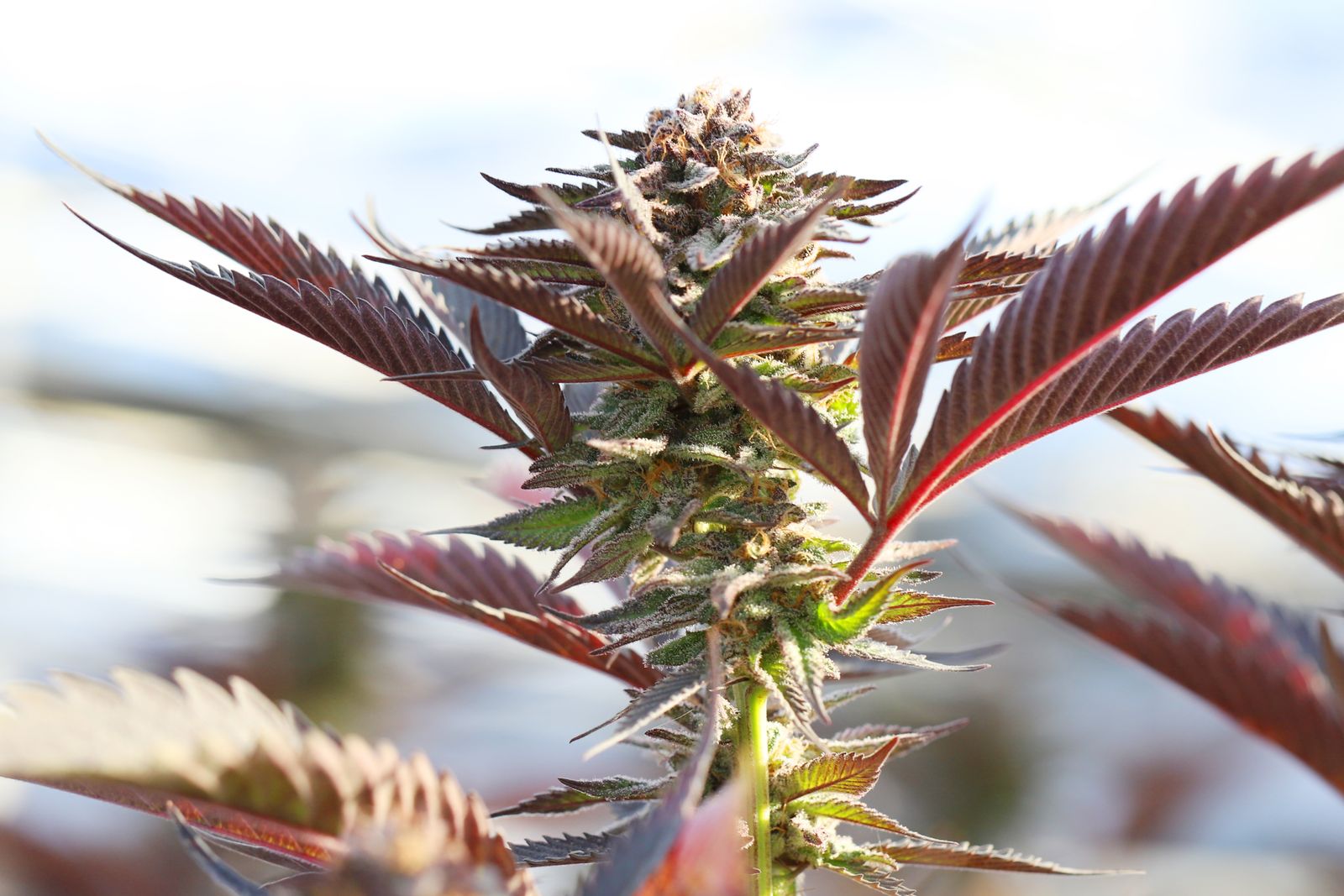
Most failed cannabis grows don't start with a bad seed — they start with bad soil. Before a single root tip develops, before the first set of true leaves unfurls, before you dial in your VPD or hang your lights, the medium you choose has already made a series of decisions on your plant's behalf. Get the soil right, and your genetics have a genuine chance to express themselves. Get it wrong, and no amount of corrective feeding or training will fully compensate.
Whether you're building a living soil from scratch in a five-gallon fabric pot on a BC patio or sourcing a pre-amended mix from your local garden centre, understanding what cannabis actually needs from its growing medium is the most foundational skill in cultivation. Optimal soil conditions help your plants grow to their maximum potential — and that translates directly into heavier yields, denser buds, and a more expressive terpene profile at harvest.
The Four Variables That Define Good Cannabis Soil
Cannabis is not a fussy plant in the wild, but in cultivation — especially when you're pushing genetics toward their theoretical yield ceiling, the soil must deliver on four non-negotiable fronts simultaneously. Miss even one, and you'll spend the rest of the grow chasing a problem that originated below the surface.
- Texture: Cannabis roots need oxygen as much as they need water. A light, loose soil structure allows air pockets to form around root tips, driving aerobic microbial activity and enabling rapid lateral root spread. Dense, compacted soil suffocates roots and dramatically slows uptake of both water and nutrients. If you can squeeze a handful of your soil and it holds a rigid clump without crumbling at all, it's too dense for cannabis.
- Drainage and water retention: These two qualities sound contradictory, but elite cannabis soil must excel at both. It should drain freely enough that water doesn't pool at the root zone — standing water invites pythium and other root pathogens — while still holding sufficient moisture between waterings to prevent drought stress. The classic test: water thoroughly, then wait 24–48 hours; healthy soil should be moist but not saturated.
- Nutrients: The nitrogen-phosphorus-potassium (N-P-K) ratio your plant needs shifts dramatically across its life cycle. Vegetative growth demands higher nitrogen; the flowering stage pivots toward phosphorus and potassium. A well-amended soil should carry enough slow-release organic material to support at least the first four to six weeks of growth without additional supplementation.
- pH: Even a perfectly nutrient-rich soil becomes functionally useless if the pH is out of range, because nutrient lockout occurs regardless of what's present in the medium. The ideal pH for cannabis soil sits at 6.0, with an acceptable range of 5.8–6.3. Outside that window, iron, manganese, calcium, and magnesium become progressively unavailable to the plant — a phenomenon that mimics deficiency even in a fully amended mix.
Understanding the Four Natural Soil Types
If you're growing outdoors in Canada — in a raised bed in Ontario, a hillside garden in the Okanagan, or a sheltered corner plot in Nova Scotia, you're working with one of four base soil types, or more likely some combination of them. Each has distinct strengths and weaknesses For cannabis cultivation.
Sandy soil is the easiest to work with physically. Its loose, granular structure creates excellent drainage and high oxygen availability, which roots genuinely love. The problem is that water moves through sandy soil so quickly that nutrients leach out with each irrigation — a particular concern for outdoor grows that rely on rainfall. High-feeding strains can strip a sandy bed of usable nitrogen within weeks.
Silty soil sits in the middle of the spectrum. Rich in minerals and considered one of the more fertile natural soils, it holds water well and tends to support robust microbial communities. Its weakness is drainage: silty soil can compact over time and may waterlog in wetter climates like coastal British Columbia. It's workable, but rarely sufficient on its own for cannabis.
Clay soil is the paradox of the group — extraordinarily rich in nutrients and minerals, with exceptional water-holding capacity, which is precisely why many use it for organic growing. Clay's naturally higher pH and micronutrient density make it attractive to no-till and living soil growers. The trade-off is severe: clay is dense, heavy, and drains so poorly that root rot becomes a genuine threat during prolonged wet periods. Working clay amendments into a raised bed is physically demanding, and the soil can become brick-hard if it dries out completely.
Loamy soil is the gold standard. A balanced blend of sand, silt, and clay — augmented with decomposed organic matter, loamy soil delivers excellent drainage and water retention simultaneously, maintains high oxygen levels, and arrives pre-loaded with a diverse nutrient profile. It's also the most expensive natural soil type to purchase in quantity, often running significantly more per cubic metre than the alternatives. For most Canadian cultivators working with outdoor beds larger than 10 square metres, the cost can add up quickly. That said, if you're running premium genetics, a resinous indica-dominant feminised cultivar or a fast-flowering auto designed for a short northern season, loamy soil gives those genetics the best possible environment to express fully.
Comparing Soil Types at a Glance
Each natural soil type forces a different set of compromises. Here's how they stack up against cannabis's core requirements:
- Sandy: Drainage ✓✓ — Water retention ✗ — Nutrients (leaches) ✗ — Workability ✓✓
- Silty: Drainage ✓ — Water retention ✓✓ — Nutrients ✓✓ — Workability ✓
- Clay: Drainage ✗✗ — Water retention ✓✓ — Nutrients ✓✓✓ — Workability ✗✗
- Loamy: Drainage ✓✓ — Water retention ✓✓ — Nutrients ✓✓ — Workability ✓✓
No single natural soil type is perfect out of the bag. That's where amendments come in.
Soil Amendments: Building the Medium Your Genetics Deserve
Think of amendments as your opportunity to correct a soil's weaknesses without discarding its strengths. A sandy base with great drainage but poor retention? Add coco coir. A silty or clay-heavy bed that holds water too long? Introduce perlite. The goal is to engineer a final medium that hits all four variables — texture, drainage, retention, and nutrition, at the same time.
Here are the core amendments every cannabis soil builder should understand:
- Coco Coir (Coconut Fibre): Derived from the fibrous husk of coconuts, coco coir is one of the most versatile amendments available. It dramatically improves water retention in sandy soils and simultaneously loosens and aerates denser, compacted mixes. It's pH-neutral, inert (meaning it won't alter your nutrient programme), and broadly available at Canadian garden centres. A general starting point is incorporating up to 30% coco coir by volume, adjusting based on your base soil's existing moisture characteristics. Coco is also the backbone of many successful coco/perlite soilless systems — a different application, but a testament to its versatility.
- Perlite: Those small, lightweight white rocks you've seen in commercial potting mixes are expanded volcanic glass — superheated until they pop like popcorn. Perlite's primary function is drainage and aeration. It physically prevents soil particles from compressing together, maintaining air channels even as the medium settles under repeated waterings. Start at 10–15% by volume; exceeding 30% risks making the mix too "light," causing nutrients to flush through too rapidly. Perlite has minimal water retention of its own, so pair it with a retention-improving amendment when working with already-sandy soils.
- Vermiculite: Where perlite prioritises drainage, vermiculite prioritises water and nutrient retention. This expanded mineral — heated until it flakes into accordion-like plates — holds moisture between its layers and releases it slowly back to the root zone. It also improves airiness, making it a useful companion to perlite in custom mixes. A starting ratio of 10% vermiculite in your mix is reasonable; it can be used simultaneously with perlite to achieve the drainage-retention balance cannabis demands.
- Worm Castings: Perhaps the most underrated amendment in home cultivation. Worm castings — the digested organic output of earthworms — function on multiple levels simultaneously: they enrich the soil with slow-release nutrients, improve both drainage and water retention, support beneficial microbial populations, and add a dark, crumbly texture that cannabis roots love. At 10–20% of your total mix, castings can transform an average potting soil into something genuinely exceptional. They also buffer pH naturally, which reduces the frequency of manual pH correction.
- Compost and Nutrient Supplementation: A well-made compost — hot-composted kitchen and garden waste, fully broken down — adds broad-spectrum organic nutrition to your mix. A critical note: never add raw vegetable scraps directly into your cannabis soil. Fresh organic matter decomposes in the root zone, generating heat and competing with your plant for nitrogen in the short term. Use only fully finished compost, or opt for a bottled organic nutrient solution calibrated for the vegetative or flowering stage as needed.
Building a Complete Custom Cannabis Soil Mix
Knowing each amendment in isolation is useful. Combining them into a cohesive, balanced mix is where the craft lives.
A reliable all-purpose cannabis soil blend for a Canadian cultivator working with feminised photoperiod or autoflowering genetics might look something like this:
- 40–50% quality base soil (loamy potting mix or quality compost-enriched garden soil)
- 20–30% coco coir (for moisture retention and texture)
- 15–20% perlite (for drainage and aeration)
- 10% worm castings (for nutrition, microbial life, and texture)
- 5–10% vermiculite (for supplementary moisture retention, particularly if your grow space runs warm and dry)
Mix thoroughly before filling your containers. Water the mix to field capacity — fully saturated, then allowed to drain, before transplanting seedlings or rooted clones. This initial wetting ensures even moisture distribution and activates the microbial communities that will support your plant throughout the grow.
Once your mix is built, test its pH before use. A simple digital pH pen and a small soil slurry test (1 part soil, 2 parts distilled water, stirred and settled for 30 minutes) will give you a reliable baseline reading. Adjust with pH-up or pH-down solutions as needed to land in that 5.8–6.3 window before your seeds or transplants ever touch the medium.
Soil, Genetics, and the Full Picture
Even the most carefully engineered soil is only one part of a successful grow. The strains you choose interact with your medium in meaningful ways. A fast-metabolising, heavy-feeding sativa-dominant variety will exhaust a lightly amended mix faster than a compact, slow-growing indica. An autoflowering cultivar — which completes its entire life cycle in 70–90 days regardless of light schedule, benefits enormously from a well-buffered, pre-amended soil that minimises the need for heavy feeding interventions, since autos are more sensitive to nutrient overload than their photoperiod counterparts.
For growers ready to explore the full scope of what thoughtful cultivation can produce, the Growing Marijuana resource library covers everything from training techniques to harvest timing in the same depth-first approach that elite growers rely on.
Your soil is not just a medium — it's the first decision you make on your plant's behalf, and it echoes through every subsequent stage of the grow. Build it with the same care and precision you'd bring to any other part of your cultivation practice, and your plants will tell you the difference at harvest.
Keep Reading

How Much Does It Cost To Grow Your Own Weed in Canada?
Learn the real costs of growing weed at home, including grow tents, lights, seeds, nutrients, electricity, and how much cannabis you can harvest.
The 5 Best Blueberry Cannabis Strains To Grow Indoors
Find the best blueberry weed strains to grow indoors, including Blue Dream, Blueberry Cheesecake, and more - and buy the seeds from Pacific Seed Bank.
Why 5.8–6.5 Is The Ideal pH for Cannabis (And When to Adjust)
Learn why 5.8-6.5 is the ideal pH for cannabis plants, how to test your plant's pH, and how to adjust it higher or lower when you need to.
The Best Autoflowering Light Schedule For Bigger Yields
Stop guessing your autoflowering light schedule. Our guide breaks down the 18/6, 20/4, and 24/0 schedules to help you grow bigger, better plants.