5 Surprising Benefits Of Growing Cannabis
· 7 min read · Updated May 14, 2026
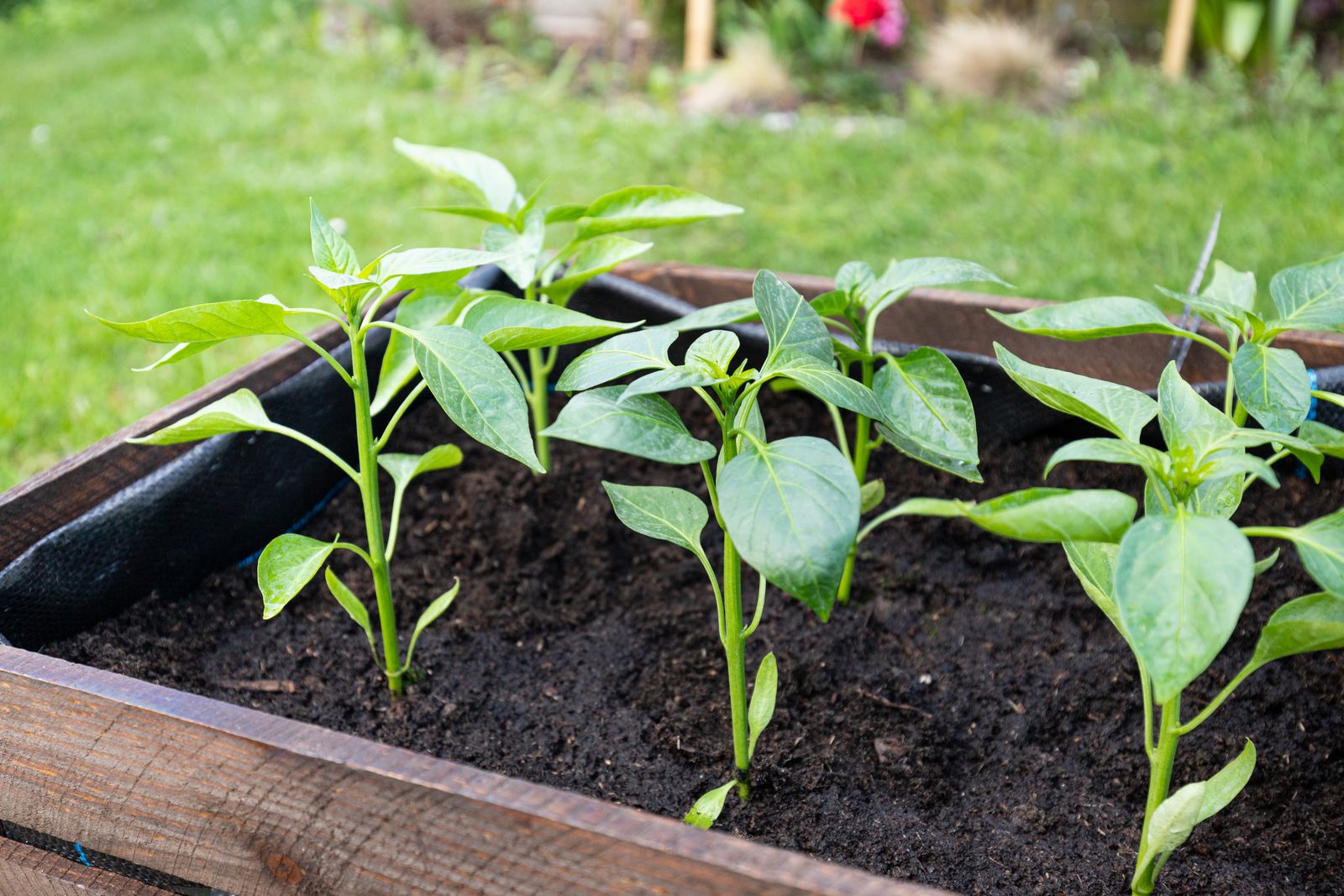
Most Canadian home growers start for one reason — cost, and stay for five they never anticipated. Here are the benefits that keep experienced cultivators returning to the garden season after season, and why picking up a pack of seeds might be one of the smarter decisions you make this year.
Quality and Quantity Are Entirely in Your Hands
When you buy finished flower from a licensed retailer, you're trusting a chain of decisions made by people who have never met you: the licensed producer's preferred cultivar, their harvest timing, their drying rooms, their cure length, their packaging line. Each handoff is another variable you cannot control.
Growing your own eliminates that chain entirely.
As a home cultivator under Canada's Cannabis Act, you're legally permitted to grow up to four plants per household for personal use. Four well-trained plants — topped, run through a SCROG net, and dialled in on a 600–700 µmol light schedule, can yield north of 400–600 g/m² indoors on a proven feminized strain. That's your harvest, your phenotype selection, your flush timing, and your cure. No compromises, no mystery.
The difference between dispensary flower and home-grown flower, at peak cultivation, is the same difference between a restaurant meal and one you cooked yourself with ingredients you sourced and tasted personally. One is convenient; the other is yours. The Pacific Seed Bank team built the catalogue around exactly this idea — giving every Canadian grower access to genetics worthy of that personal investment. Browse the full range, read the strain profiles, and add some favourites to your cart once you know what expression you're chasing.
The Long-Run Economics Are Staggering
On a short receipt, a provincial cannabis retailer looks cheaper. Twenty dollars for a few grams is a painless transaction. But zoom out six months, and the math inverts hard.
A single well-grown feminized seed can produce upward of $200 CAD worth of finished flower — and that estimate is conservative for a high-yielding cultivar in a proper indoor environment. Now consider the pack sizes available:
- 3-pack of seeds — $29.99 CAD: potential return approaching $600 in finished flower
- 5-pack of seeds — $49.99 CAD: potential return approaching $1,000 in finished flower
- 10-pack of seeds — $99.99 CAD: potential return approaching $2,000 in finished flower
- 25-pack of seeds — $229.99 CAD: potential return approaching $5,000 in finished flower
A 5-pack at $49.99 generating $1,000 in quality flower is a roughly 20:1 return. No other legal consumer product in the cannabis space comes close to that ratio.
The upfront costs of a decent grow — a 2×4 tent, a quality LED, coco coir, pH meter, nutrients, typically run $400–$800 CAD for a beginner setup. That's a one-time infrastructure cost that amortises across every subsequent harvest. By your second or third run, your cost-per-gram drops to fractions of what the provincial store charges. Factor in that home cultivation also gives you control over organic inputs, no pesticide residue concerns, and the freedom to harvest at peak trichome maturity rather than a commercial schedule, and the value proposition deepens further.
Tending a Garden Is Genuinely Therapeutic
There is a growing body of horticultural therapy research confirming what gardeners have known intuitively for centuries: caring for living plants lowers cortisol, reduces perceived stress, and creates a reliable daily structure.
Cannabis cultivation is no exception. In fact, it may be especially effective for anxious or restless minds, because the plant demands your attention in focused, finite doses — checking VPD at lights-on, observing leaf colour, adjusting canopy height. These are meditative micro-tasks that pull you into the present moment.
Matured cannabis plants are also, objectively, beautiful. A late-flowering indica in week seven will show colours that rival any ornamental garden: deep purples triggered by cool overnight temperatures, rusted-orange pistils curling across dense calyxes, emerald-to-lime gradients across fan leaves, and a thick blanket of refractive trichomes catching morning light. Watch for the full colour range — orange, red, purple, every shade of green, amber, and the occasional yellow that tells you something about nitrogen availability as the plant finishes, and you start to understand why experienced growers say harvest week feels like watching a painting complete itself.
Beyond the aesthetic, having a living garden gives you a reason to wake up in the morning, step outside or into your grow space, and engage your hands and mind in something productive and measurable. If you maintain an outdoor plot in a private yard or a greenhouse on the BC coast or through an Ontario summer, you're also banking Vitamin D and fresh air — two inputs that mental health professionals consistently under-prescribe and over-underestimate.
One Plant Opens the Door to Hash, Extracts, and Edibles
This is where home cultivation becomes genuinely transformative for the enthusiast. Dispensaries sell finished products at significant margins. A gram of solventless rosin pressed commercially can run $80–$120 CAD. The same gram, produced at home from your own harvest trim and popcorn buds, costs almost nothing beyond the initial grow.
You don't need a laboratory. Here's a realistic progression for a home producer:
- Dry-sift or bubble hash: Freeze your trim for 24 hours, agitate over a set of progressively finer mesh screens (73, 90, 120, 160 micron), and collect the separated trichome heads. This requires a few screens, ice water, and patience — no solvents, no safety hazards.
- Hand-pressed rosin: Place your collected hash or dried sift between parchment paper, apply a hair straightener or small rosin press at 180–200°F for 3–5 seconds, and you have solventless concentrate. It's genuinely that accessible.
- Infused oil or canna-butter: Decarboxylate your dried flower or trim at 115°C for 45 minutes, then slow-infuse into a fat carrier — coconut oil, clarified butter, or olive oil — at low heat for 2–4 hours. The THC and CBD bind to the fat molecules, and you now have a foundational ingredient for virtually any edible.
- Edibles: Cookies, brownies, capsules, salad dressings, pasta sauces, hot sauces. Anything that incorporates fat can carry your infusion. The fat-binding step is non-negotiable; without it, cannabinoids pass through without significant absorption.
- Tinctures and topicals: High-proof alcohol extraction (QWET or QWISO method) yields a versatile tincture that can be taken sublingually or reduced into a topical balm base with beeswax and carrier oils.
The point is that one healthy plant — say, an indica-dominant cultivar with a resin-heavy phenotype and 20%+ THC expression, is not just flower. It's a feedstock for an entire home pharmacy and kitchen. Trim that would otherwise go into the compost becomes concentrates, infusions, and products you'd pay premium prices for at any licensed retailer.
Breeding Opens an Entirely New Creative Dimension
Growing is repeatable. Breeding is exploratory. Once you're confident in your cultivation fundamentals — consistent VPD management (typically 0.8–1.2 kPa in veg, 1.0–1.5 kPa in flower), proper defoliation timing at weeks 3 and 6 of flower, dialled-in nutrient EC between 1.4–2.2 mS/cm depending on stage, the logical next frontier is creating something that didn't exist before.
Breeding at the home level requires at minimum one male and one female plant. The male produces pollen sacs; the female receives pollen and produces seeds. In practice, most home breeders keep males isolated — a tent of their own, or a separate room, to prevent accidental pollination of the sinsemilla crop. Collect pollen from the male by placing a paper bag over a mature pollen sac and gently tapping, then apply selectively to a single branch of your female using a small brush or cotton swab.
The creative possibilities are genuinely limitless. You can cross a high-CBD strain selected for daytime clarity and pain relief with a terpene-forward cultivar and work toward a genetic expression that addresses your specific needs at the medical level. You can pursue flavour — crossing a citrus-forward limonene cultivar with a caryophyllene-dominant spice cultivar to concoct an entirely new flavour profile. Think chocolate and black pepper warmth, or tropical fruit with a piney backbone. These combinations are achievable at the home scale with enough patience and phenotype hunting across F2 and F3 generations.
Breeding is also how the cannabis world advances. Every legendary cultivar — from the original Afghani landraces to the current generation of award-winning hybrids, began with someone deciding to cross two plants and see what happened. That tradition is available to every Canadian home grower right now.
The Practical Takeaway
Five benefits — quality control, long-run economics, therapeutic engagement, extract and edible production, and strain breeding, and each one compounds the next. Better genetics produce better resin, which produces better concentrates, which produces better edibles, which eventually, if you're ambitious, produces entirely new cultivars that carry your specific influence.
This is not a hobby that gets old. The variables — new genetics, new training techniques, seasonal outdoor grows, indoor refinements, ensure there is always something to learn and something to improve. Every experienced grower will tell you that their tenth harvest taught them something their first nine did not.
If you're new to all of this, start with one or two proven feminized strains, focus on the fundamentals, and let the process build confidence naturally. If you're an experienced cultivator looking to stretch your skills, the full depth of what home growing offers — from solventless extraction to deliberate hybridisation, is waiting for you. Everything you need to explore those directions, from genetics to cultivation education, lives in the Growing Marijuana section of the Pacific Seed Bank blog. The seeds are already there. The only question is which direction you want to grow.
Keep Reading

How Much Does It Cost To Grow Your Own Weed in Canada?
Learn the real costs of growing weed at home, including grow tents, lights, seeds, nutrients, electricity, and how much cannabis you can harvest.
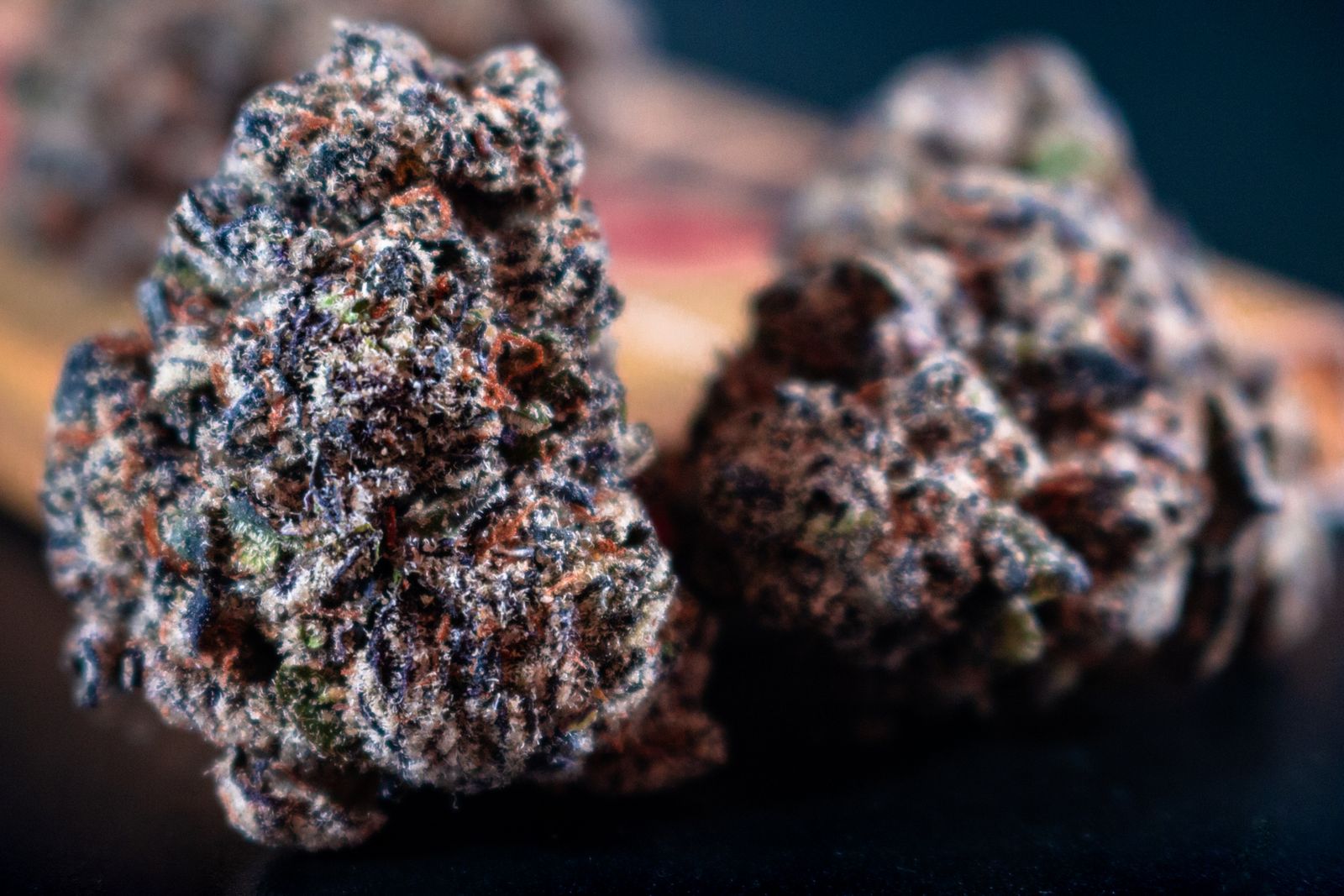
The 5 Best Blueberry Cannabis Strains To Grow Indoors
Find the best blueberry weed strains to grow indoors, including Blue Dream, Blueberry Cheesecake, and more - and buy the seeds from Pacific Seed Bank.
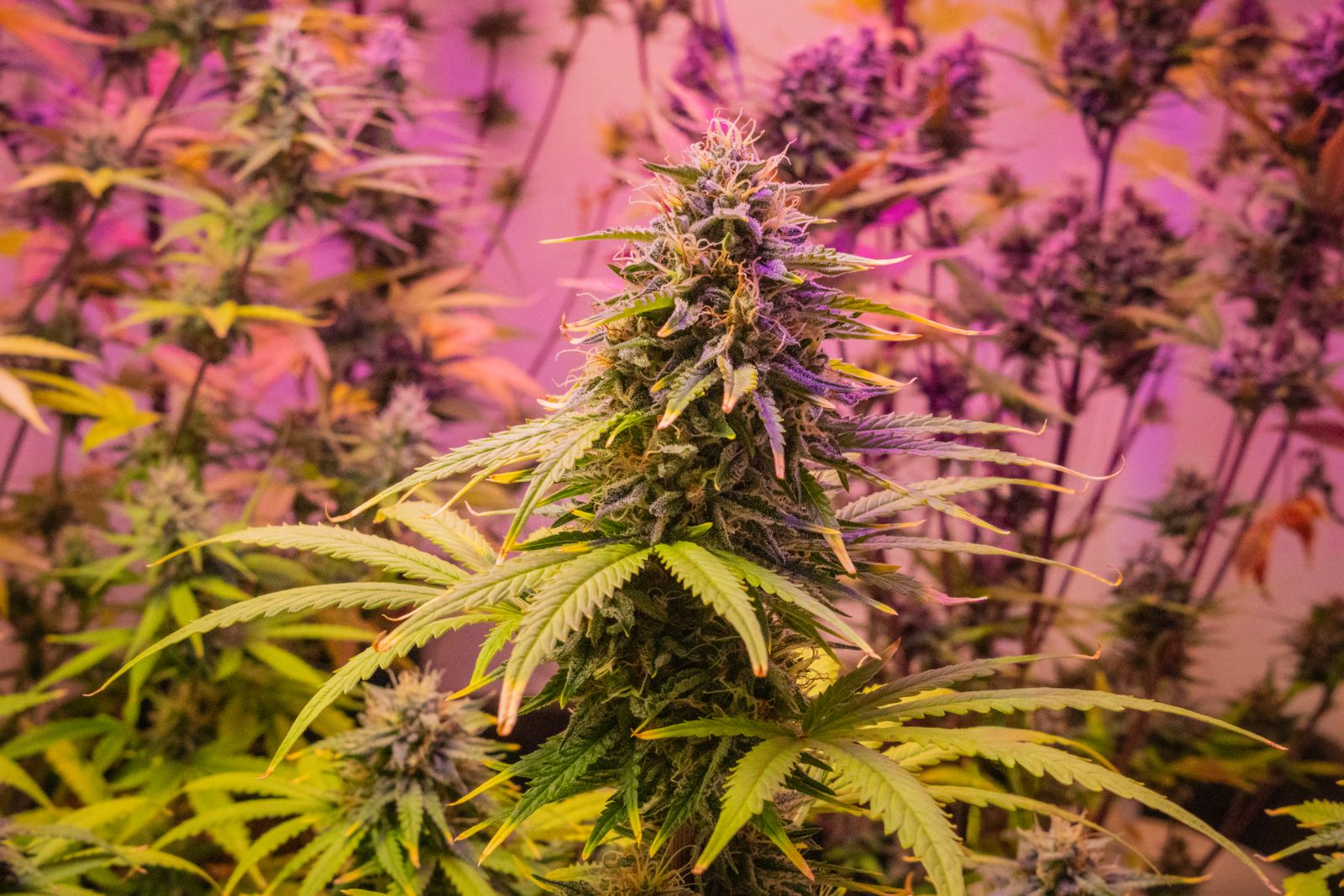
Why 5.8–6.5 Is The Ideal pH for Cannabis (And When to Adjust)
Learn why 5.8-6.5 is the ideal pH for cannabis plants, how to test your plant's pH, and how to adjust it higher or lower when you need to.
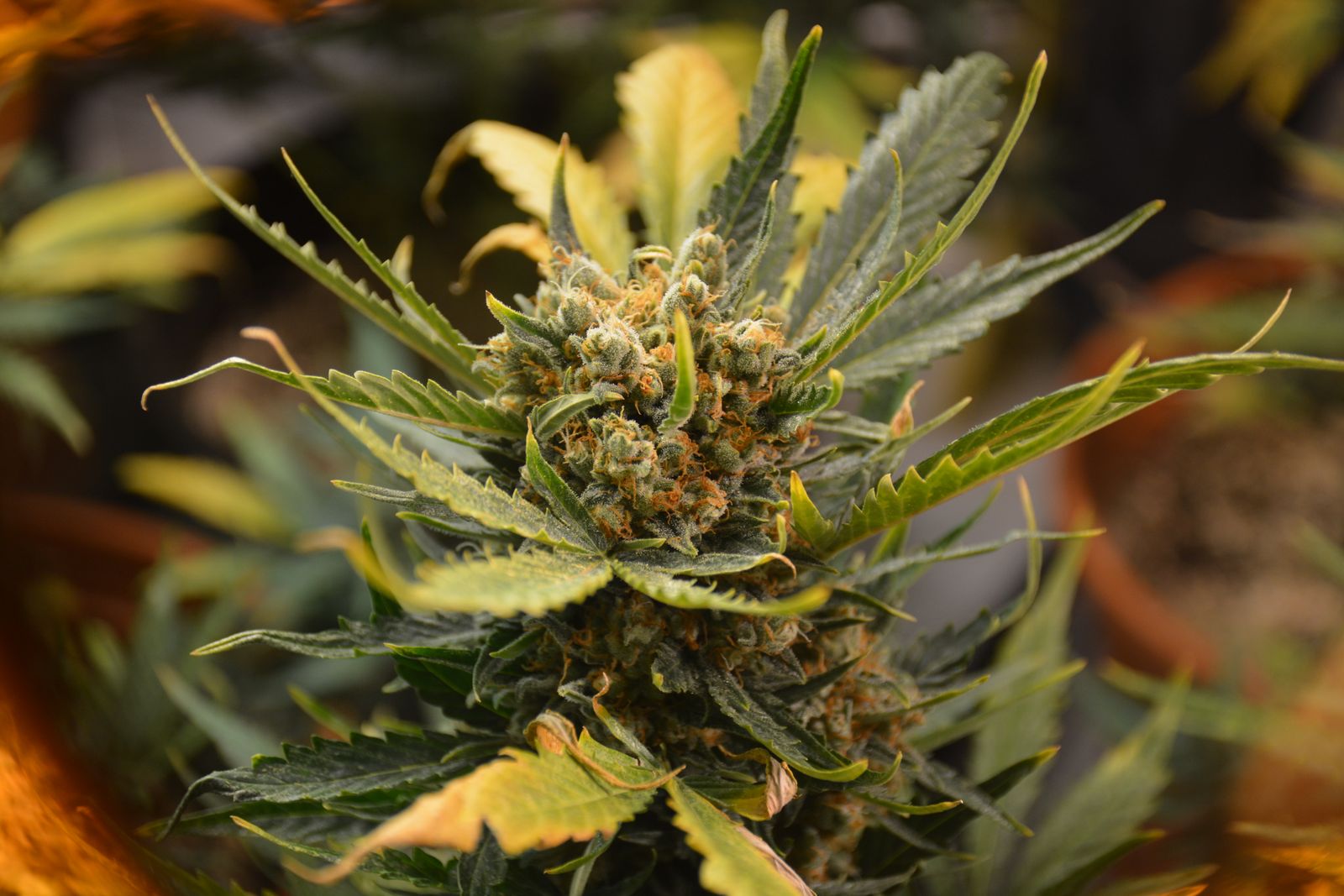
The Best Autoflowering Light Schedule For Bigger Yields
Stop guessing your autoflowering light schedule. Our guide breaks down the 18/6, 20/4, and 24/0 schedules to help you grow bigger, better plants.