How To Find The Right Cannabis Strain For You
11 min read · , updated May 14, 2026
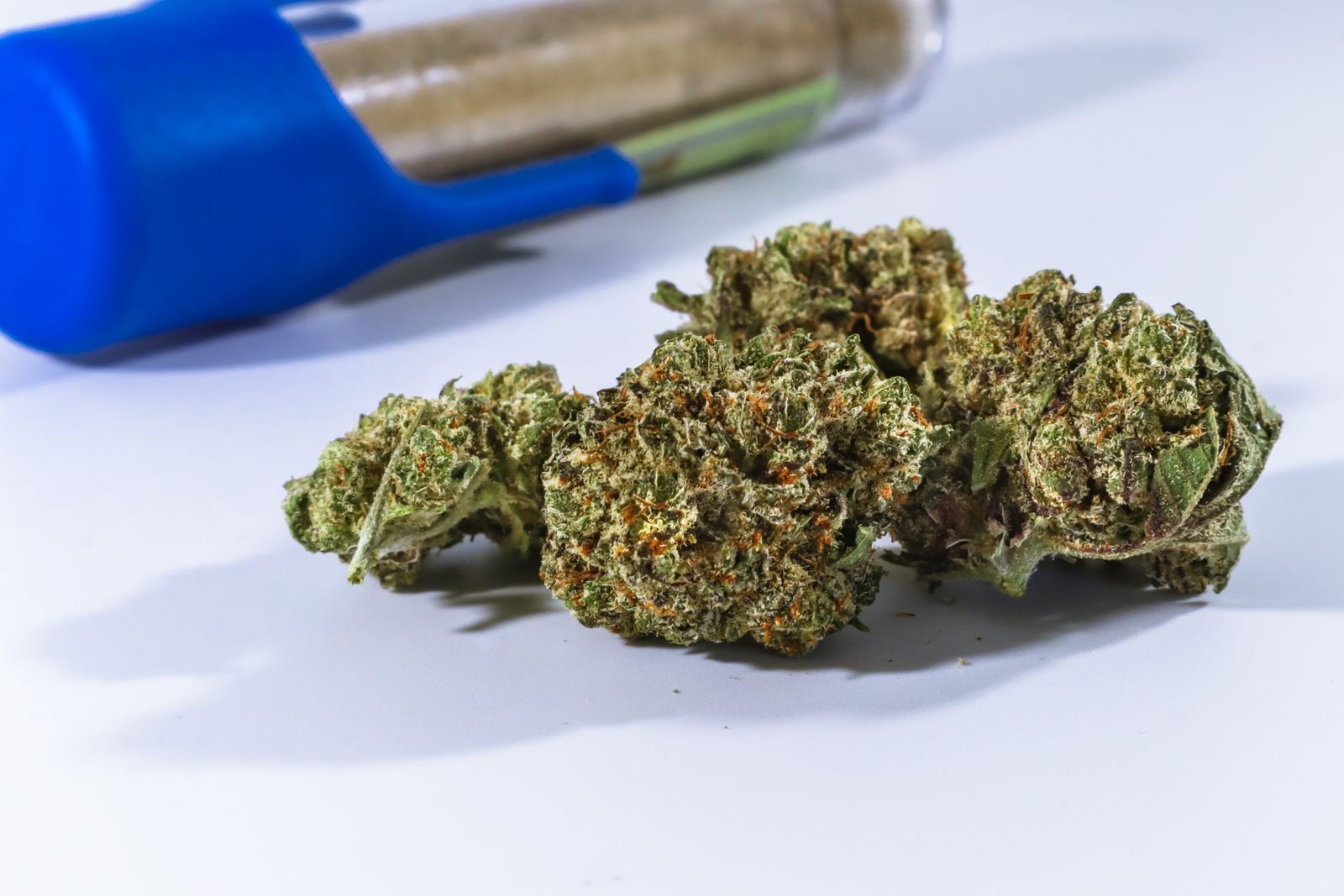
Most people pick a cannabis strain the same way they pick a restaurant — they scroll until something looks good, then hope for the best. That approach works fine for dinner. For cannabis, it leaves too much to chance. The difference between an energising, clear-headed afternoon and a couch-locked evening that derails your plans often comes down to a single genetic decision made at the seed stage. Getting that decision right starts with understanding four things about yourself: the experience you want, the condition you want to address, how adventurous your palate is, and how much growing skill you actually have.
At Pacific Seed Bank, we carry well over 100 strains — indicas, sativas, hybrids, autos, feminized, and regular, which means the catalogue can feel more like a maze than a menu. This guide cuts through that noise with the structured thinking of a master grower and the practical clarity of someone who's helped thousands of Canadians find their match.
Start With the Experience You Actually Want
Before you look at a single THC percentage or terpene profile, ask yourself the most fundamental question: how do you want to feel? Your honest answer to that question will eliminate roughly half the catalogue before you've read a single seed description.
Defining your ideal marijuana experience is not as simple as "relaxed" or "energetic." Push deeper. Do you want creative momentum without racing thoughts? Deep-body sedation that eases muscle tension after a long shift in the trades? A giggly social uplift for a Friday night with friends? A calm, functional focus for a Sunday hike? Each of these outcomes maps to a different chemotype, and confusing them is the most common mistake new consumers make.
A useful framework is to match your strain type to the time of day and setting in which you plan to consume:
- Morning / early afternoon: Sativa-dominant strains and sativa-leaning hybrids — think cerebral elevation, sharpened focus, and a mood lift that complements productivity rather than undermining it.
- Late afternoon / social settings: Balanced hybrids with roughly equal indica and sativa expression — enough energy to stay engaged, enough body warmth to let the shoulders drop.
- Evening / wind-down: Indica-dominant strains — progressive physical relaxation, appetite stimulation, and the kind of mental quieting that makes sleep feel earned rather than forced.
- Any time / low-intoxication goals: High-CBD, low-THC cultivars — therapeutic effects without pronounced psychoactivity, valuable for daytime symptom management.
This single filter — time of day and intended setting, will make every subsequent choice feel more intuitive.
Understanding the Real Differences Between Sativa, Indica, and Hybrid
The sativa/indica distinction is imprecise by modern botanical standards, but it remains the most practical shorthand in the catalogue — and the morphological differences between the two are genuinely useful for growers.
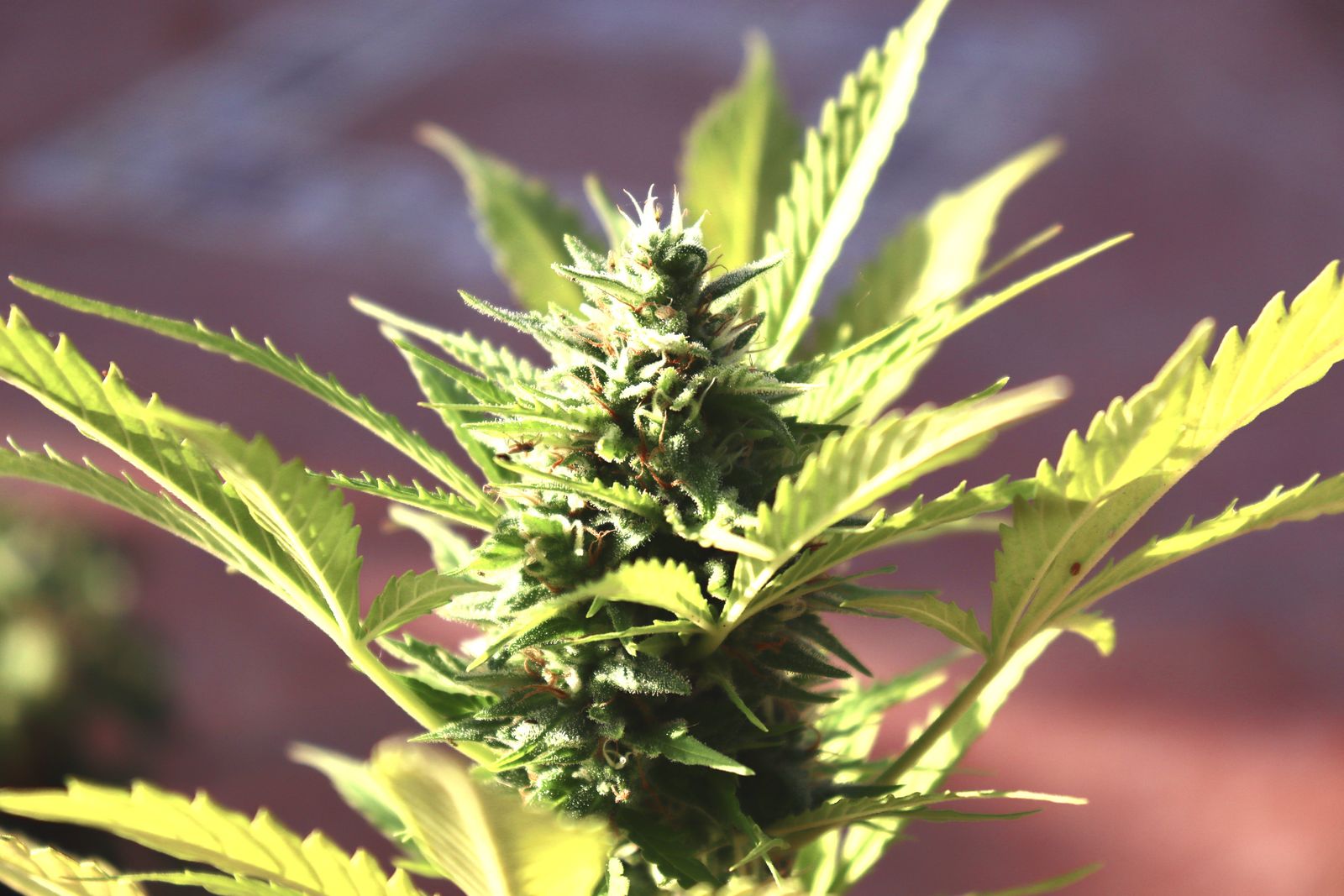
Sativa plants grow tall and narrow, with long internodal spacing, slender fan leaves, and an extended flowering window that can push 10–12 weeks in photoperiod varieties. They evolved near the equator, where long growing seasons were the norm, and they express that heritage in stretchy, sometimes unruly structure. Indoors, a pure sativa can double or even triple in height during the first two weeks of flower — a serious consideration if your grow space has a ceiling below 2.4 metres. Outdoors, sativas are spectacular but space-hungry.
Indica plants, by contrast, are compact and bushy, with tight internodal spacing, broad dark-green leaves, and a faster flowering time — often 7–9 weeks. They originated at higher altitudes in regions like Afghanistan, Pakistan, and the Hindu Kush, where short growing seasons selected for plants that could finish quickly. For Canadian outdoor growers working against a September frost, that speed is not a trivial advantage.
Hybrid strains — which now represent the majority of commercially available genetics, sit somewhere between these poles, and the spectrum is wide:
- Sativa-dominant hybrids (70/30 or 60/40 sativa/indica): Retain the cerebral uplift and creative energy of sativas with slightly more manageable structure and a shortened flowering window.
- Balanced hybrids (50/50): Often described as the most versatile option — functional yet relaxing, sociable yet calming. A strong choice for newcomers who aren't sure where they land.
- Indica-dominant hybrids (70/30 or 60/40 indica/sativa): Heavy body effect, fast finish, compact structure — all the best qualities of pure indicas with a touch of mental complexity from the sativa influence.
Where sativas and indicas diverge most sharply is not just in their growth structure but in their terpene expression. Sativas tend toward limonene, terpinolene, and pinene — bright, citrus, and resinous aromatics that correlate with uplifting effects. Indicas lean on myrcene, linalool, and caryophyllene, earthy, floral, and spicy compounds associated with sedation and anti-inflammatory activity. Knowing this helps you decode unfamiliar strain descriptions with confidence.
Cannabis for Wellness: Matching Chemotype to Condition
Canada's legalisation framework under the Cannabis Act normalised what many patients already knew: cannabis is medicine for a significant portion of its users. Recreational and therapeutic motivations are not mutually exclusive, but if you are approaching cannabis primarily as a wellness tool, your strain selection process should be driven by symptom profile first and cannabinoid ratios second.
A few broad principles:
- Anxiety and stress: Look for moderate THC (under 18%), elevated CBD, and linalool-forward terpene profiles. Very high-THC strains can paradoxically intensify anxiety in THC-sensitive individuals, especially at dose. Indica-dominant or balanced hybrids are generally safer territory here.
- Insomnia: High-myrcene indicas with THC in the 18–22% range are the most commonly reported sleep aids. The sedative effect is compounded by myrcene's own soporific properties. Consume approximately one hour before bed to time the peak correctly.
- Chronic pain and inflammation: Strains rich in both THC and CBD, particularly those expressing caryophyllene (a CB2 receptor agonist), are frequently sought for pain management. A 1:1 THC:CBD ratio is a widely used starting point for daytime pain relief without heavy psychoactivity.
- Appetite stimulation: THC-dominant indicas and indica-leaning hybrids with high myrcene and limonene content are the classic choice, particularly relevant for those managing chemotherapy-related nausea or appetite loss.
- Glaucoma: Cannabis has a documented role in temporarily lowering intraocular pressure. Speak with your ophthalmologist or healthcare provider before substituting or supplementing any prescribed regimen.
This is not a substitute for medical advice. If you are considering cannabis as part of a therapeutic protocol, consult a healthcare provider who is familiar with cannabinoid medicine. What cannabis can do for your wellbeing may surprise you — but understanding your baseline health picture first will make your strain selection far more targeted.
The Case for Hybrids — and Creating Your Own
Hybrids outsell pure sativas and pure indicas globally, and for good reason: most people's needs don't map neatly onto either end of the spectrum. You might want the motivational drive of a sativa in the first hour and the physical ease of an indica in the second. A well-bred hybrid delivers exactly that arc.
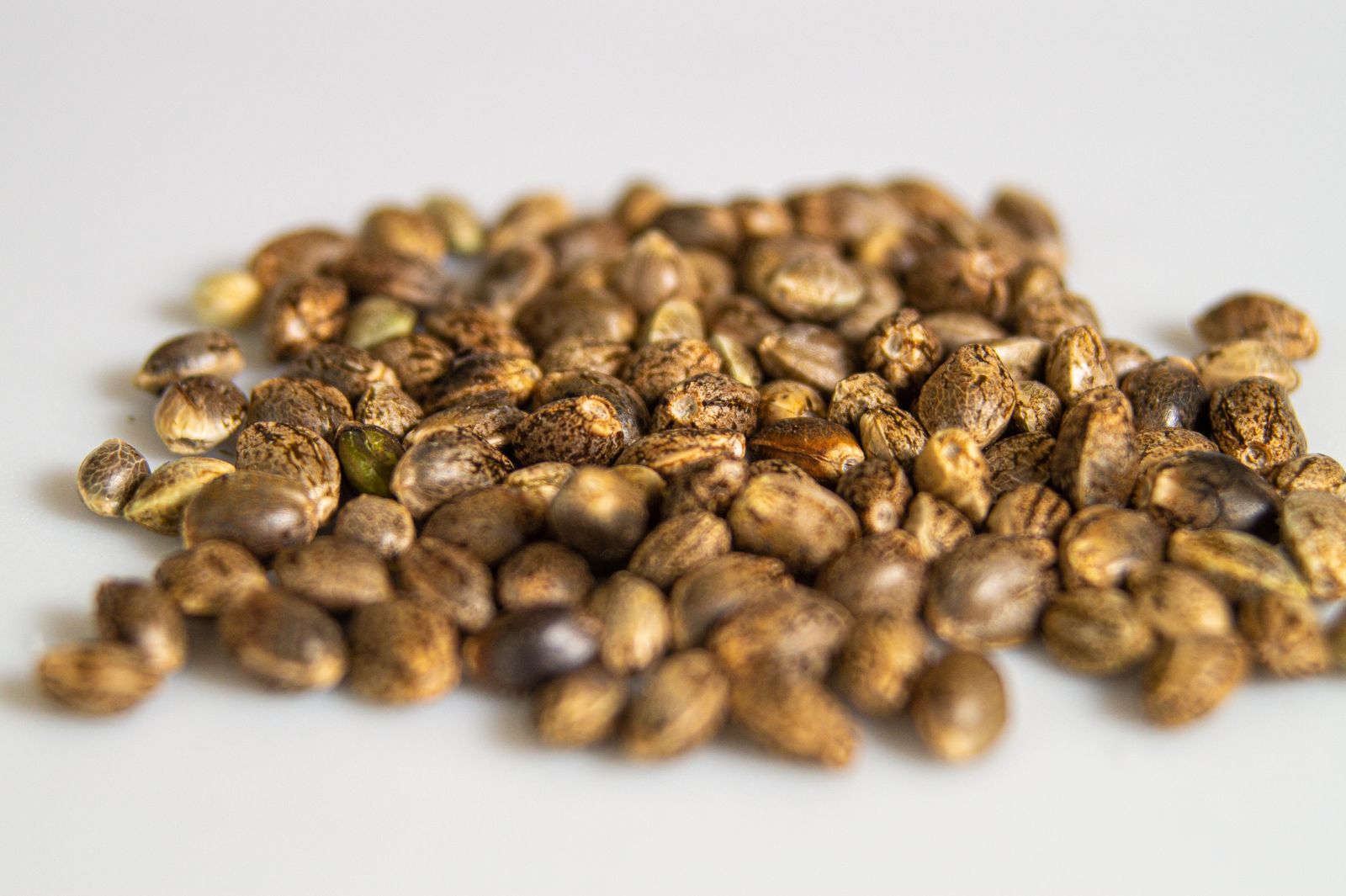
Beyond buying hybrids, adventurous growers can experiment with creating their own crosses at home. The process is straightforward in principle: select a male plant from one strain and allow it to pollinate a female from another, then collect, dry, and germinate the resulting seeds. The F1 offspring will express hybrid vigour — often outgrowing both parents in size, resin production, and resilience, while combining the cannabinoid and terpene profiles of each parent in unpredictable, often spectacular ways.
A few practical notes on home hybridisation:
- Isolate your male plant immediately at the first sign of pollen sacs to avoid unintentional pollination of your entire crop.
- Label everything obsessively — cross-pollination experiments become confusing quickly without meticulous records.
- F1 seeds will show the greatest uniformity. F2 and beyond will begin to segregate, producing a wider range of phenotypes — which is both the challenge and the joy of working with your own genetics.
- Curing your F1 seeds properly (cool, dark, low-humidity storage) preserves viability for two to three years.
The beauty of the cannabis genome is its promiscuity. Virtually all strains complement each other genetically, and there is no wrong combination — only unexpected ones.
Matching Your Strain to Your Skill Level as a Grower
The right strain is not just the one that produces your desired effect. It is the one you can actually grow successfully given your current setup, skill level, and available time. Matching genetics to grower experience is as important as matching them to desired high.
Your level of growing experience should be the first filter you apply to the growing side of your decision. Here is how the main seed categories break down practically:
Autoflowering Seeds: Best for Beginners and Time-Pressed Growers
Autoflowering cultivars transition from vegetative growth to flower based on age rather than light cycle, which eliminates the need to manage a 12/12 photoperiod switch. Most autos complete their full life cycle — seed to harvest, in 70 to 90 days. They stay compact (typically under one metre), tolerate minor feeding inconsistencies, and are genuinely forgiving of the small environmental fluctuations that plague new growers. For anyone setting up their first grow in a spare bedroom or a 1-metre-by-1-metre tent, an autoflowering feminized strain is the obvious starting point.
Feminized Photoperiod Seeds: Intermediate to Advanced
Feminized photoperiod seeds produce only female plants — eliminating the risk of accidental pollination, but require deliberate light cycle management. The grower controls the vegetative period (under 18/6 or 20/4 light schedules) and triggers flowering by switching to 12/12. This control is an advantage for experienced growers who want to maximise yield, canopy size, or implement training techniques like low-stress training (LST), topping, or a full SCROG setup. Yields in optimised indoor environments can exceed 500 g/m² with the right genetics and technique. The tradeoff is that mistakes, overfeeding, VPD errors, light leaks, carry more consequence than with autos.
Regular Seeds: For Breeders and the Experimentally Inclined
Regular seeds produce roughly 50% male and 50% female plants. They are the foundation of any serious breeding programme and appeal to growers who want to work with unaltered genetics. Sexing plants, selecting phenotypes, and managing pollen collection require more attention and space, but the genetic diversity available in regular seed lines is unmatched. This is advanced territory, rewarding to those who are ready for it.
Here's another key component that experienced growers often overlook when advising beginners: the strain's specific environment preferences matter as much as its difficulty rating. A "beginner-friendly" strain that prefers arid conditions will struggle in a humid British Columbia basement just as readily as a finicky heirloom sativa. Always match the strain's climate preferences to your actual growing microclimate, not just its skill-level label.
How to Read a Strain Description and Make a Confident Decision
Every strain listing in our catalogue includes the data points you need to make an informed choice — if you know how to read them. Here is what each piece of information actually tells you:
- THC %: The primary driver of psychoactive intensity. Below 15% suits beginners and those sensitive to THC. 15–22% is the mainstream sweet spot for most recreational consumers. Above 22% is high-potency territory; approach gradually if you are not an experienced consumer.
- CBD %: Inversely related to THC in most cultivars. High CBD modulates the THC high, softening anxiety and extending the therapeutic window. A 1:1 ratio produces a notably different, more grounded experience than a high-THC, low-CBD cultivar.
- Indica/sativa split: The percentage tells you which traits are likely to dominate — both in effect profile and in plant structure. A 70% indica will grow shorter and finish faster than a 70% sativa.
- Flowering time: Critical for planning. Outdoor Canadian growers in most provinces need strains that finish before mid-October to avoid early frost damage. Anything flowering in 8 weeks or under is a safe choice for most of Canada.
- Yield: Listed in g/m² for indoor, and sometimes as g/plant for outdoor. These figures assume optimised conditions. Real-world yields for beginners will be lower; experienced growers using proper training and dialled-in feeding programmes regularly hit or exceed catalogue figures.
- Terpene profile / flavour notes: These are not cosmetic. Terpenes are pharmacologically active compounds that interact with cannabinoids to shape the quality and character of the effect. Earthy and musky (myrcene) leans sedative. Citrus and bright (limonene) leans uplifting. Piney and fresh (pinene) tends toward mental clarity. Peppery (caryophyllene) is associated with stress relief and anti-inflammatory activity.
Reading these data points together — rather than fixating on THC alone, is the single skill that separates informed cannabis consumers from those who perpetually feel like they picked the wrong strain.
Putting It All Together
Finding your perfect strain is a process, not an event. Cannabis is genuinely individual — your endocannabinoid system, metabolism, stress levels, and sleep quality all influence how any given cultivar will land on any given day. Expect a period of honest experimentation, and keep notes: what you consumed, when, how much, and how it felt. That journal becomes your most valuable asset.
The good news is that the framework above compresses that learning curve significantly. Start with your desired experience and time of use. Filter by sativa, indica, or hybrid. Layer in any wellness goals you are working toward. Assess your grow setup honestly and choose seed type accordingly. Then read the full strain description — THC, CBD, terpenes, yield, flowering window, as a complete picture rather than a single headline number.
For more strain education, exploration, and growing guidance, browse the Marijuana Strain Profile section of our blog — it is one of the most comprehensive cultivation resources available to Canadian home growers, updated regularly with the kind of specific, actionable insight that turns first-time growers into confident cultivators.
Your perfect strain is in the catalogue. You just needed the right map to find it.