The Many Delicious Aromas of Cannabis
12 min read · , updated May 14, 2026
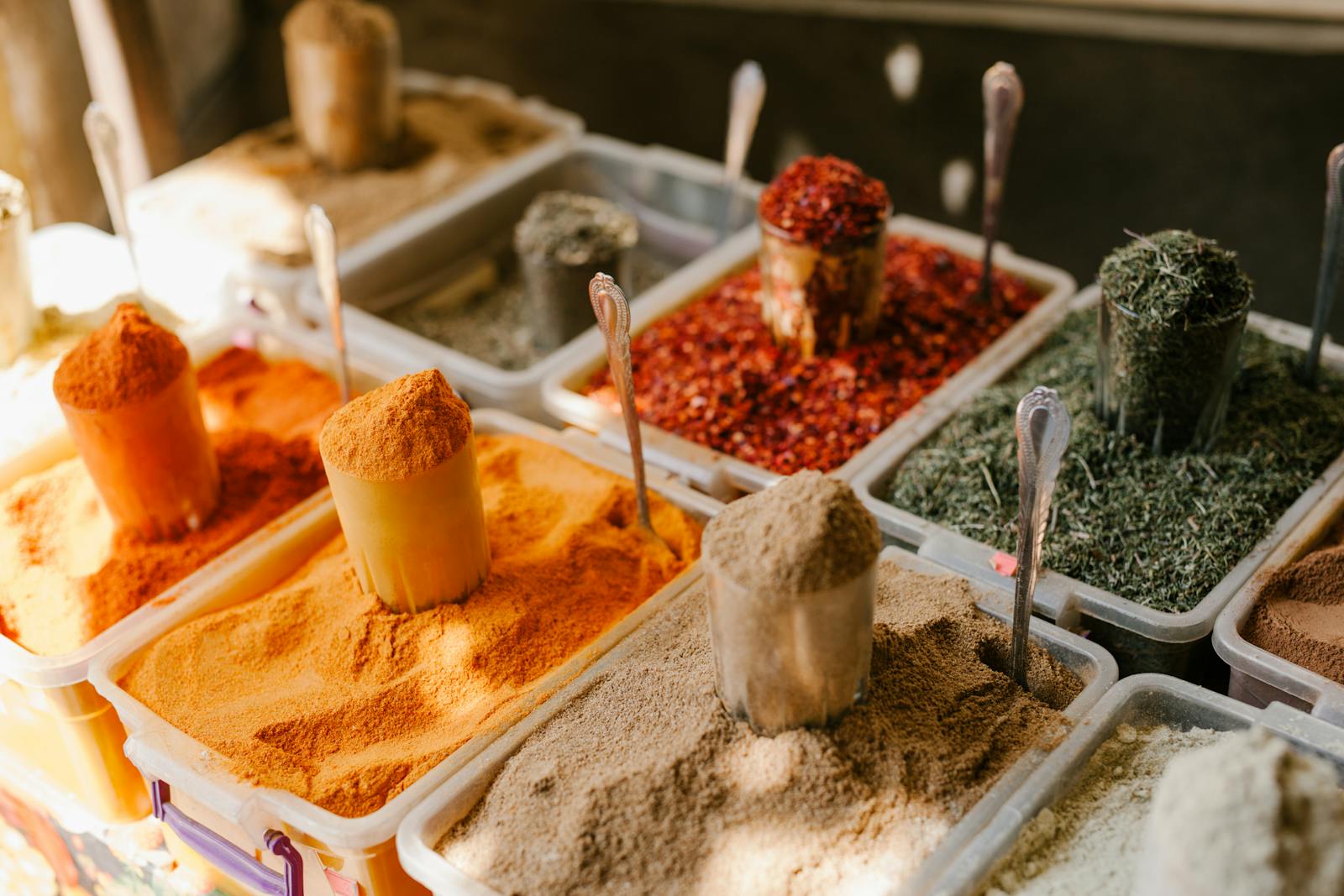
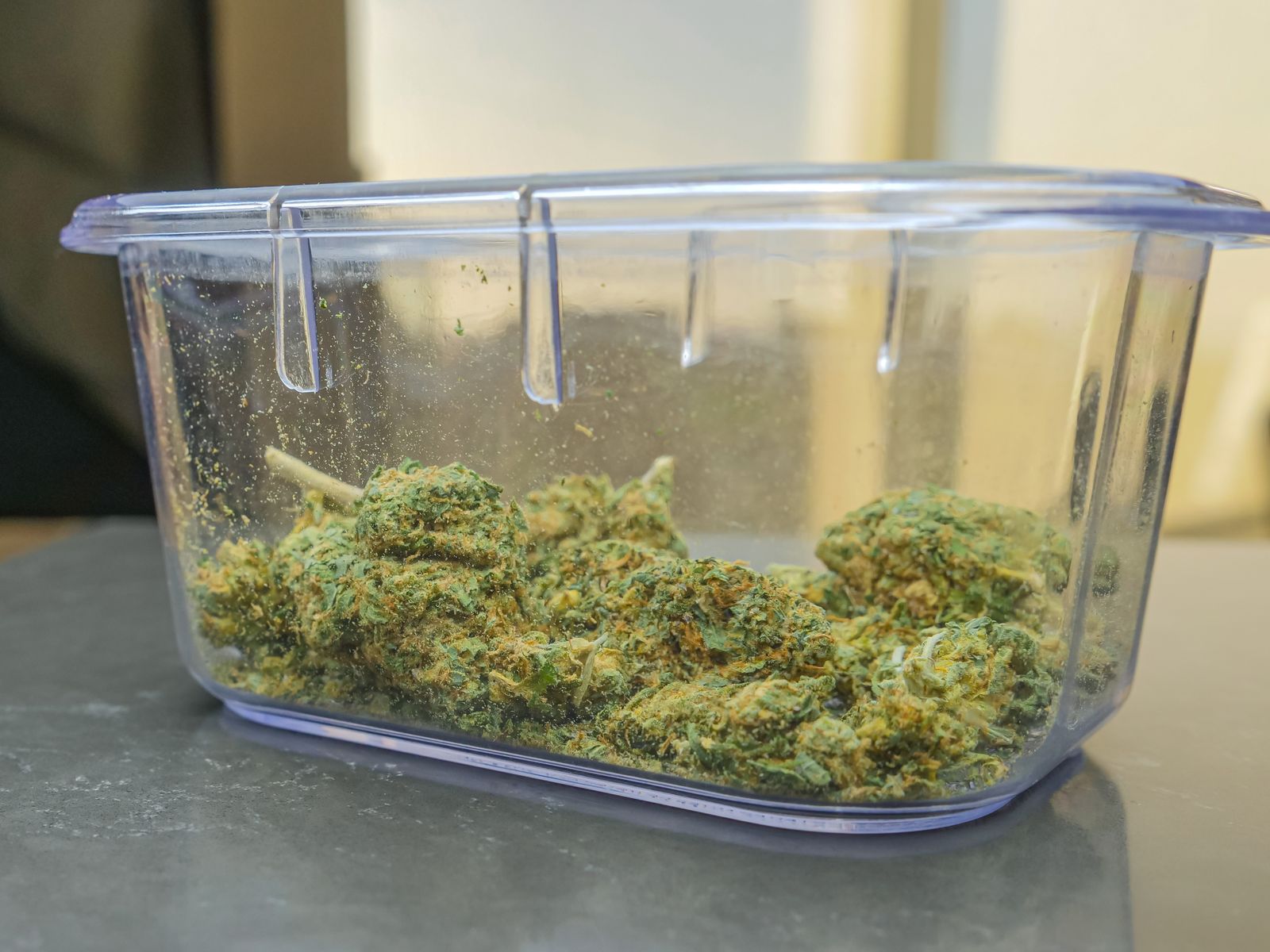
You smell it before you see it. That unmistakable wave of terpenes — earthy, skunky, electric with citrus, or somewhere between a pine forest and a fuel depot, arrives on the breeze and announces cannabis long before any visual confirmation. For the uninitiated, that scent can be puzzling, even off-putting. For a grower or seasoned consumer, it is nothing short of a fingerprint: a biochemical signature that tells you precisely what you're about to experience before a single bud is broken apart.
Understanding cannabis aromas is not a trivial pursuit. Terpenes — the volatile aromatic compounds produced in the same resin glands that synthesise THC and CBD, directly shape flavour, effect profile, and even how cannabinoids interact with your endocannabinoid system through a phenomenon researchers call the entourage effect. Whether you're shopping for seeds, dialling in a grow, or simply curious about why your nose leads you somewhere before your eyes do, this guide unpacks every major aromatic class you'll encounter across the assortment of high-quality strains available to Canadian growers today.
Why Cannabis Smells the Way It Does: A Terpene Primer
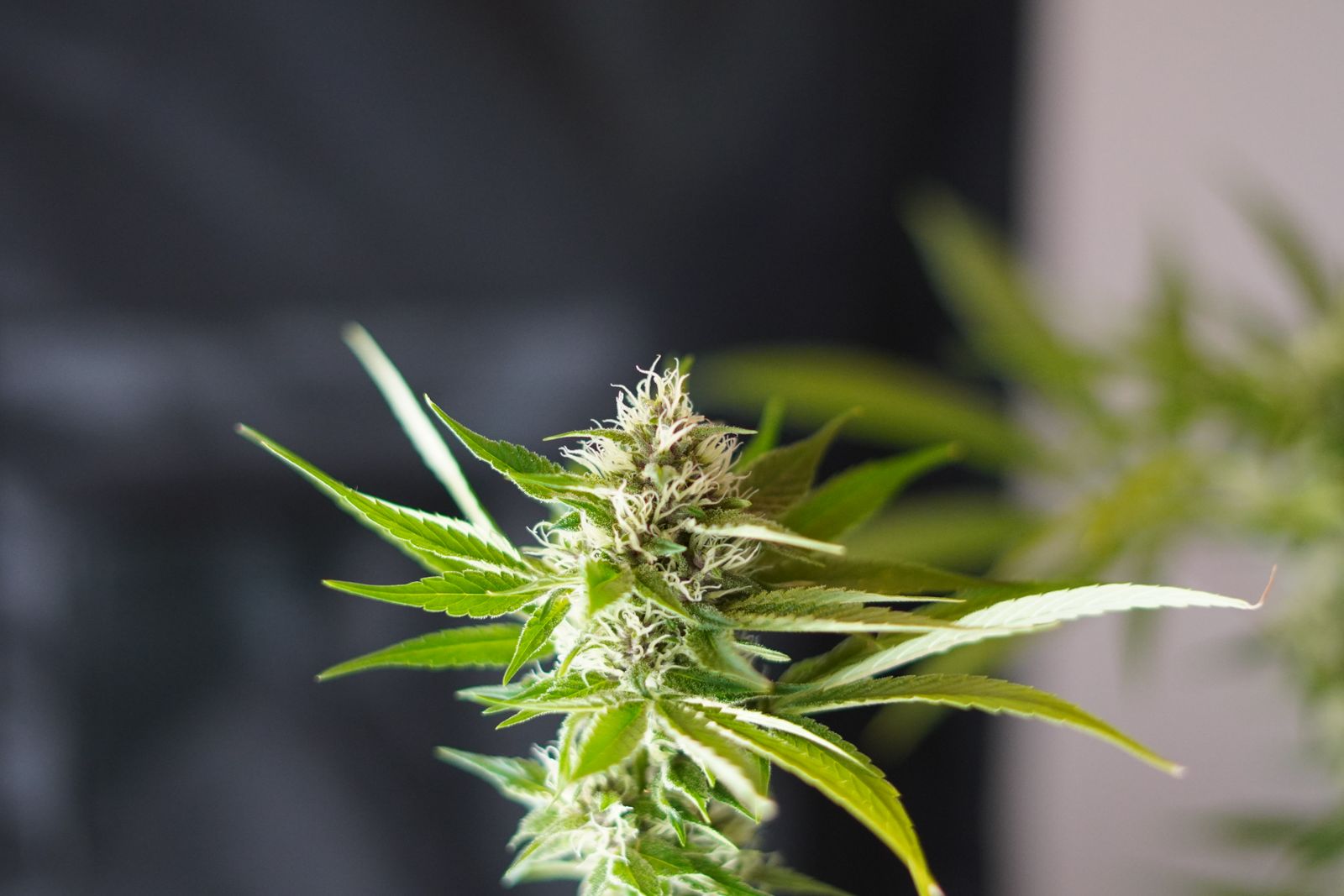
Terpenes are synthesised in the trichomes — those frosty, mushroom-shaped resin glands that coat mature cannabis flowers. Over 200 individual terpenes have been identified in cannabis, though most strains express a dominant handful that define the overall aromatic profile. Think of it like a chord in music: individual notes blend into something richer and more complex than any single compound alone.
The most prevalent terpenes and their aromatic signatures include:
- Myrcene — musky, earthy, herbal; the most abundant terpene in most modern cultivars
- Limonene — bright citrus, lemon zest, fresh orange peel
- Caryophyllene — peppery, spicy, woody; uniquely, it also binds to CB2 receptors
- Linalool — floral, lavender-forward, softly sweet
- Pinene — sharp pine resin, forest air, eucalyptus-adjacent
- Terpinolene — floral, herbal, and faintly fruity all at once
- Ocimene — sweet, tropical, waxy
- Humulene — hoppy, earthy, subtly woody
The ratio and concentration of these compounds shift depending on genetics, growing environment, harvest timing, and curing practice. A strain grown under high-intensity LED lighting with a precisely managed vapour pressure deficit may express a sharper, more resinous terpene profile than the same cultivar grown in looser conditions. Terpenes are sensitive: they begin to degrade above roughly 21 °C during curing, which is why a slow, controlled cure at 60–62% relative humidity in a sealed glass jar preserves the aromatic complexity you worked so hard to develop.
The Seven Major Aromatic Classes of Cannabis
The cannabis world has coalesced around a handful of reliable aromatic descriptors. These aren't marketing terms — they map directly onto dominant terpene profiles and help growers and consumers communicate with precision.
Earthy
Earthy strains smell like the ground itself: semi-moist soil turned over after rain, the dark, mineral richness of a forest floor in autumn. This aroma is driven primarily by myrcene, often reinforced by humulene and traces of geosmin-adjacent compounds that our brains are evolutionarily wired to find comforting.
Earthy cannabis is warm and grounding rather than sharp or piercing. It pairs naturally with relaxed, unhurried evenings — a slow-burning indica on a Tuesday night, a good book, and no particular place to be. Landrace-descended genetics from Afghanistan and the Hindu Kush tend to carry pronounced earthy notes, and that heritage expresses strongly in many classic indica-dominant hybrids still popular with Canadian home growers today.
Floral
Linalool is the star here, the same terpene responsible for lavender's reputation as a relaxation aid. Floral cannabis aromas range from soft violet and rose to brighter jasmine or lilac, depending on the supporting terpene cast. Terpinolene-forward cultivars can add a herbal, almost tea-like quality that softens the florals into something genuinely elegant.
This aromatic class is often associated with lighter, more cerebral effects — a gentle uplift rather than a sedative dive. Growers who favour floral profiles frequently report that lower-stress training (LST) and careful canopy management improve terpene expression, likely because reduced physical stress on the plant allows more photosynthate to flow into secondary metabolite production during late flowering.
Fruity
Fruity is arguably the broadest aromatic class in cannabis, stretching from sharp citrus all the way to tropical mango, ripe blueberry, and red grape. Limonene dominates the citrus end of the spectrum, producing that sharp lemon-and-grapefruit brightness that makes certain sativa-leaning hybrids smell like a fruit stand on a summer morning. Myrcene in higher concentrations can contribute a mango-like ripeness, while ocimene and certain esters push profiles toward berries and tropical sweetness.
Compared to earthy profiles, fruity strains tend to be more volatile — meaning their aromatics are more temperature-sensitive during both curing and consumption. Keep fruity cultivars away from heat and direct light during storage to preserve those top-note terpenes. Glass jars in a cool, dark cupboard remain the gold standard across Canada's varied climate zones.
Gas and Diesel
Few aromatic profiles polarise a room quite like this one. Fuel-forward cannabis — the kind that smells like a service station, a chemistry lab, or decaying organic matter pushed to its pungent extreme, is driven by a complex interplay of terpenes including caryophyllene, myrcene, and various sulphur-containing compounds that are still being characterised by researchers.
This is the territory of Sour Diesel, the iconic sativa-dominant feminized strain that has defined the diesel aromatic class for decades. Its sharp, acrid, petroleum-edged perfume is unmistakable — and to its devoted following, it signals a potent, fast-acting, cerebral experience that no softer-scented cultivar can replicate. ChemDawg and its extensive hybrid lineage carry similar genetics, and the pungency of these strains is broadly understood among connoisseurs as a proxy for quality and potency. The stronger the fuel notes, the more robust the terpene load, and in these cultivars, that typically correlates with THC percentages in the upper register.
Skunky
Skunky cannabis shares a chemical neighbourhood with diesel but pushes further into sulphurous, almost feral territory. The compound largely responsible — 3-methyl-2-butene-1-thiol, a thiol also found in actual skunk spray, is detectable by the human nose at concentrations as low as parts per trillion. That extraordinary sensitivity explains why even a small amount of skunky flower announces itself from across a room, or, as any Canadian park-goer will confirm, from a considerable distance outdoors.
Among experienced consumers, a pronounced skunky note has long been a badge of honour. It signals an intact, undiluted terpene profile — the kind you get from properly grown and carefully cured flower, not something that's been sitting in a plastic bag under fluorescent lights. If you're growing a skunk-lineage cultivar, treat those plants' curing phase with particular care: sulphur-based terpenes degrade quickly with heat and oxygen exposure.
Spicy
Spicy cannabis won't make your eyes water the way a hot pepper does, but it delivers genuinely complex, savoury aromatics that set it apart from the sweeter or more resinous profiles. Caryophyllene is the lead player — a sesquiterpene with a warm black-pepper character that also carries the distinction of being the only terpene known to interact directly with cannabinoid receptors. Supporting notes from terpenes like sabinene, geraniol, or even high humulene concentrations can push a spicy profile toward basil, clove, eucalyptus, or fresh mint.
Spicy strains often skew toward landrace sativas from equatorial regions or their descendants, and they reward growers who pay close attention to late-harvest timing — harvesting a few days past peak trichome milkiness, when a portion of heads turn amber, tends to deepen and round out the spice notes considerably.
Woody and Pine
Pine-forward and woody cultivars bring the forest indoors. Pinene — either alpha or beta, is the obvious driver, giving cannabis the sharp, resinous quality of walking through a stand of conifers just after a cold night. Alpha-pinene in particular is associated with alert, clear-headed effects, partly because it may act as a bronchodilator and an acetylcholinesterase inhibitor, potentially sharpening focus even as cannabis delivers its broader effects.
Woody notes build from there: cedarwood, oak, sandalwood, fresh-cut timber. Some consumers describe high-pinene cannabis as reminiscent of a sauna, a Christmas tree lot, or the first snow of the season in a boreal forest — evocative, grounding, and unmistakably Canadian in character. Woody strains are excellent choices for outdoor and greenhouse cultivation in Canada's temperate growing regions, as the resilience of pinene-rich cultivars often correlates with stronger mould resistance in humid autumn conditions.
The Science Behind Aroma and Effect: Why Smell Matters Beyond Preference
Aroma preference in cannabis is not purely aesthetic. There is growing evidence that terpenes modulate the pharmacological effects of THC and CBD, meaning that the smell of a strain is genuinely predictive of the kind of experience it will deliver. A myrcene-dominant earthy indica and a limonene-forward citrus sativa may carry identical THC percentages and still produce measurably different subjective experiences — a distinction that the old indica/sativa binary fails to capture with any accuracy.
This has practical implications for growers. When you're selecting genetics, the terpene profile deserves as much weight as cannabinoid percentage. When you're evaluating a harvest, your nose is one of your most reliable instruments. A cure that's progressing correctly will smell progressively richer and more defined over the first two to three weeks — earthy profiles deepen, citrus notes sharpen, and fuel or skunk notes settle into a more rounded version of themselves rather than burning off entirely.
Consider these relationships between dominant terpenes and their broadly reported effect associations:
- Myrcene-dominant (earthy, musky) — sedative, relaxing, associated with couch-lock in higher concentrations; strongly indica-correlated
- Limonene-dominant (citrus, fruity) — mood-elevating, stress-reducing, associated with alert sociability
- Caryophyllene-dominant (spicy, woody) — anti-inflammatory, potentially anxiolytic; often well-tolerated by consumers sensitive to THC-induced anxiety
- Linalool-dominant (floral, lavender) — calming, anti-anxiety, reported to smooth out the harder edges of high-THC varieties
- Pinene-dominant (pine, forest) — alert, clear-headed, may counteract short-term memory impairment associated with THC
- Terpinolene-dominant (floral, herbal, fruity) — uplifting, mildly sedative in high amounts; common in Jack Herer-lineage cultivars
How Cultivation Shapes the Aroma Your Plants Produce
Here is something no beginner's guide will tell you bluntly enough: genetics sets the ceiling, but cultivation determines whether you reach it.
Terpene expression is profoundly influenced by environmental and horticultural inputs throughout the grow cycle. The following factors have the most consistent impact on aromatic intensity and complexity:
- Light intensity and spectrum — UV-B exposure during the final two to three weeks of flowering has been shown to increase terpene and cannabinoid production; high-intensity LED fixtures with UV supplementation are worth the investment for aroma-focused growers
- Vapour pressure deficit (VPD) — maintaining VPD in the 1.0–1.5 kPa range during late flower reduces the moisture stress that can suppress resin production; invest in a quality hygrometer and dial this in precisely
- Nutrient flush and organic inputs — the long-standing debate around flushing aside, organic substrate cultivation (living soil, compost teas, mycorrhizal inoculants) consistently produces more complex terpene expression than heavy synthetic feeding regimens in many growers' experience
- Temperature differential (day/night) — dropping night temperatures by 5–8 °C during the final three weeks of flowering triggers anthocyanin production in susceptible genetics and can intensify resin output broadly
- Harvest timing — harvesting with 10–30% amber trichomes, depending on the desired effect profile, preserves the full aromatic range; harvesting too early (all clear trichomes) truncates terpene development noticeably
- Defoliation timing — a targeted defoliation at the transition to flower and again at week three of flower opens the canopy, improves airflow, and redirects energy toward bud and resin sites rather than shaded fan leaves
- Curing protocol — a slow cure at 60–62% RH, burping daily for the first week and then every few days through week three, is the single most controllable variable a home grower has over the final aromatic quality of their harvest
Managing Cannabis Aroma: Practical Tips for Indoor Growers and Consumers
The same terpene potency that makes high-quality cannabis so rewarding can create practical challenges — particularly in shared living spaces or urban settings where the Cannabis Act permits personal cultivation of up to four plants per household but does not obligate your neighbours to appreciate the smell.
Controlling Aroma During the Grow
The flowering stage, particularly weeks five through nine for most photoperiod cultivars, produces the most intense terpene output. A well-sealed grow space combined with a carbon filter rated appropriately for your room volume (measured in cubic metres per hour) is non-negotiable. Replace carbon filters annually — an exhausted filter passes odour molecules freely while giving the false reassurance of ventilation.
Managing Aroma During Consumption
- Air purifier with HEPA and activated carbon filtration — running one during a session prevents terpene and combustion byproduct accumulation on upholstery, carpets, and walls; the carbon stage specifically targets volatile organic compounds like terpenes
- Ventilation first — consuming near an open window with a fan pushing air outward eliminates aroma before it settles into soft furnishings
- Sploof device — a DIY sploof (a cardboard tube packed with dryer sheets or fabric dampened in a fabric refresher) filters exhaled smoke effectively; exhale through it slowly and consistently
- Vaporisation — vaping flower or concentrate at 170–185 °C volatilises terpenes and cannabinoids without combustion, producing a significantly less persistent and less pungent vapour than smoking; it also preserves more of the aromatic complexity that makes premium cannabis worth appreciating
Removing Aroma from Skin, Hair, and Clothing
- Body sprays and essential oils applied immediately after a session effectively mask residual cannabis odour on skin and clothing fibres.
- Brushing teeth and tongue thoroughly — and chewing gum — clears breath within minutes of finishing.
- Keeping long hair tied back during consumption dramatically reduces terpene absorption into hair shafts, which are notoriously difficult to clear quickly.
- Twenty to thirty minutes outdoors in sunlight allows UV exposure and airflow to break down and disperse residual volatile compounds from fabric and skin — a simple, cost-free solution.
Finding Your Aromatic Identity: Matching Scent Preference to Strain Selection
cannabis aroma is deeply personal — and that's exactly as it should be.
There is no objectively superior profile. Someone who loves the flavour and smell of aged Blue Cheese — the autoflowering feminized indica-dominant hybrid that delivers that distinctive pungent dairy-and-funk aroma from its Blueberry and UK Cheese parentage, experiences genuine, measurable pleasure from a scent that might stop their neighbour cold. Aroma preference is shaped by memory, culture, prior experience, and individual variation in olfactory receptor expression. The only wrong answer is not knowing what you prefer.
A useful exercise: before your next session, take 60 seconds to smell the flower before grinding it. Then smell it again after grinding, when the terpenes are fully exposed. Notice what dominates — citrus, earth, fuel, pine, cheese, spice, and sit with that for a moment. Over time, you'll develop the vocabulary to describe what you're experiencing and the knowledge to seek it out intentionally when selecting your next cultivar.
Whether you're drawn to the sharp petrol edge of a diesel-lineage sativa, the warm musky depth of an Afghan-descended indica, the bright grapefruit lift of a limonene-heavy hybrid, or the barnyard funk of a classic cheese phenotype, the full spectrum of cannabis aromatics is available to every Canadian grower willing to explore it. Visit our Marijuana Education section for deeper dives into cultivation technique, strain selection, and everything else that makes growing cannabis one of the most rewarding horticultural pursuits available to Canadians under the Cannabis Act.
Your nose knows. Trust it, train it, and let it lead you to the strains that are genuinely yours.
Keep Reading
Do Pot Seeds Go Bad? The Real Scoop on Seed Shelf Life
Do pot seeds go bad? Yup. Find out how long cannabis seeds last, how to spot bad ones, and the best storage tricks to keep your seeds viable for years.
Cannabis Terms Explained: Vocabulary For New Growers
Cannabis Seed Storage Tips for Maximum Shelf Life