Cannabis Terms Explained: Vocabulary For New Growers
· 11 min read · Updated May 14, 2026
Most first-time growers lose weeks — sometimes an entire grow cycle, not because they made a horticultural mistake, but because they didn't understand the language on the seed bank page. "Autoflowering," "ruderalis lineage," "terpene profile," "OG", these terms carry real, actionable meaning, and once you crack the code, every strain description becomes a road map rather than a riddle. Consider this your decoder ring.
What People Actually Mean When They Say "Weed"
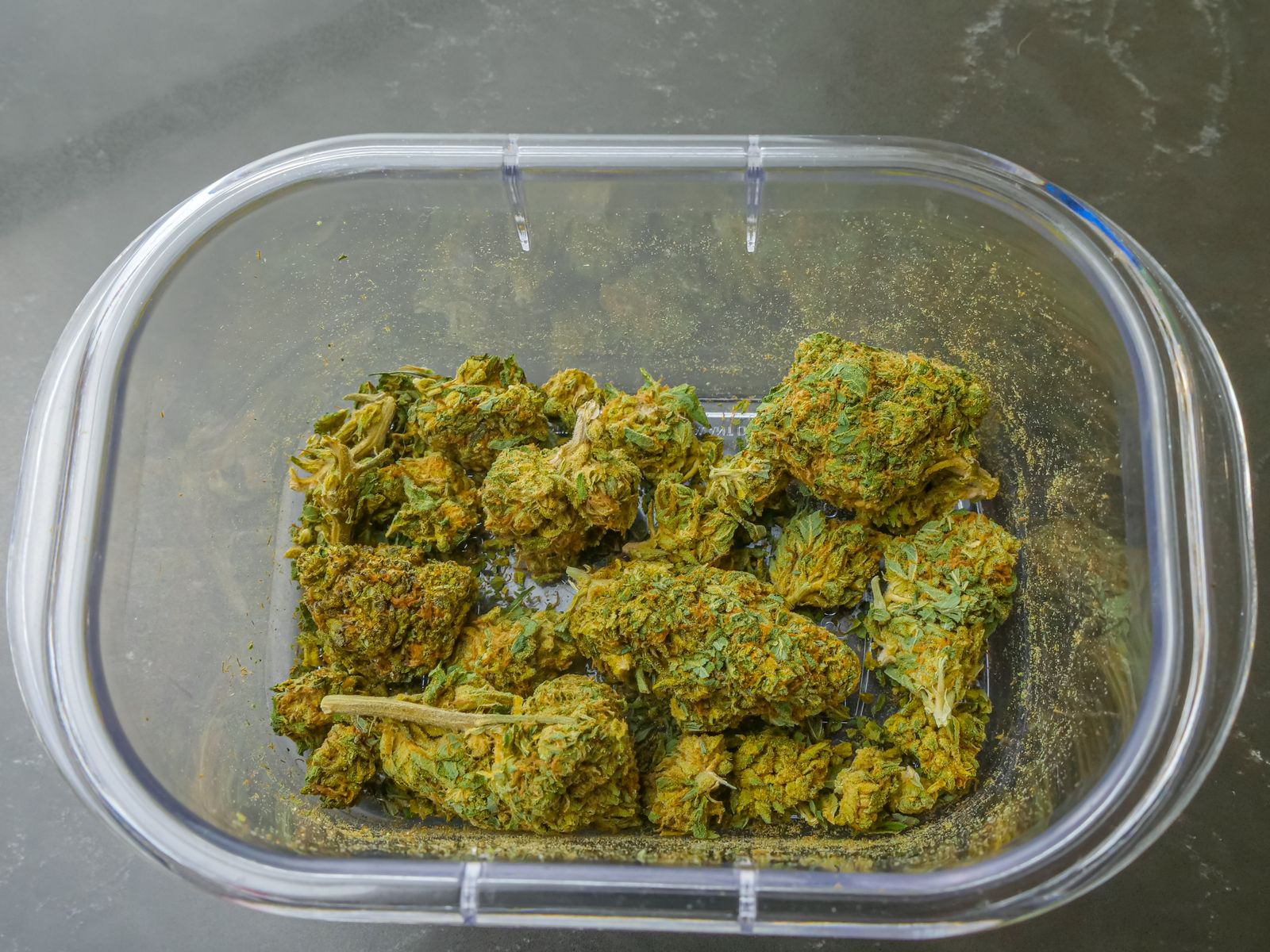
Before we get into cultivation vocabulary, let's settle the naming question quickly. Cannabis goes by dozens of nicknames — weed, pot, herb, ganja, green, bud, flower, chronic, dope, and the word you use often signals the context you're in. Casual conversation tends toward "weed" or "bud." Legal and commercial settings, from the Cannabis Act right down to licensed seed banks, default to "cannabis." Neither is more correct; they just signal different registers.
What matters for a new grower is recognising that product descriptions, grow guides, and seed bank catalogues will use "cannabis" consistently. Training your eye to read that formal vocabulary — rather than skimming past it, is the first small habit that separates confident growers from perpetually confused ones.
The Seed Types: Feminized and Autoflowering Explained
These two terms will appear on virtually every seed listing you ever read, so get them locked in early.
Feminized Seeds
A cannabis plant's sex determines everything about whether it produces the resin-coated buds growers want. Only female plants do. In the era of regular seeds, a grower would germinate a batch, wait several weeks for plants to show their sex, then cull every male before it could pollinate the females — a wasteful, labour-intensive process that could eliminate half a crop before a single bud formed.
Feminized seeds changed everything. Through selective breeding and controlled pollination techniques, breeders produce seeds that are genetically near-certain to express as female — typically 99%+ reliability under proper conditions. At Pacific Seed Bank, every seed in the catalogue is feminized. That means no sexing, no culling, no wasted weeks, and no accidental seeded crop from a stray male. You plant, you grow, you harvest.
Autoflowering Seeds
All autoflowering seeds are feminized, but they carry an additional genetic trait that fundamentally changes how you manage your grow.
Standard feminized (photoperiod) plants flower in response to a change in the light cycle — specifically, a shift to 12 hours of darkness triggers bud development. Outdoors, this happens naturally as summer turns to autumn. Indoors, the grower controls it by flipping the light timer. That gives the grower precise control, but it also means you can't rush the plant; it flowers on the sun's schedule, not yours.
Autoflowering strains carry genetics from Cannabis ruderalis, a subspecies that evolved in the harsh, short-season environments of Central Asia and Eastern Europe. Ruderalis doesn't wait for a light-cycle cue. It flowers based on age — typically transitioning automatically around weeks 3–4 regardless of how many hours of light it receives. The practical implications are significant:
- Faster seed-to-harvest: Most autos finish in 60–85 days from germination.
- Simpler light management: Many growers run autos on an 18/6 schedule (18 hours light, 6 hours dark) from start to finish — no timer flip required.
- Compact stature: Autos typically stay under 100 cm, making them ideal for small tents, balconies, or discreet outdoor grows.
- Multiple harvests per season: In a Canadian summer, a grower can run two or even three autoflowering cycles outdoors between May and September.
- Forgiving for beginners: Fewer variables to manage means fewer opportunities for critical errors.
Jack Herer Auto, the sativa-leaning legend named after the cannabis activist and author, delivers the strain's signature cerebral brightness in a compact, ruderalis-backed package that finishes fast. For something with more citrus-fuel complexity, Lemon Diesel Auto brings zesty limonene-forward aromatics and energising effects without demanding much from a new grower's schedule.
Indica, Sativa, and the Hybrid Spectrum
The indica/sativa distinction is the most debated taxonomy in cannabis — researchers increasingly argue that nearly all modern cultivars are hybrids at the genetic level, but the terms remain useful shorthand for growth patterns, plant architecture, and broad effect profiles. Knowing them helps you read a strain description accurately.
Indica
Originating from the Hindu Kush mountain range and surrounding high-altitude regions of Afghanistan, Pakistan, and India, indica plants developed broad leaves and compact, dense structures to survive cold, harsh climates. In the garden, that translates to shorter, bushier plants — often 60–120 cm, with tight internodal spacing and thick, resinous buds. Effect-wise, indicas are broadly associated with physical relaxation, body heaviness, and sedative qualities that make them popular for evening use.
Sativa
Sativas evolved near the equator — Colombia, Thailand, Jamaica, Mexico, where long, consistent growing seasons allowed plants to stretch tall, sometimes exceeding 3 metres outdoors, with narrow leaves and loose, airy bud structure. Indoors, that height can be a challenge. Effects are typically described as cerebral, uplifting, and energising, qualities that make sativa-dominant strains popular for daytime use and creative pursuits.
The Honest Comparison
Here's what matters practically: indica = shorter plant, denser buds, faster flowering, body-heavy effect. Sativa = taller plant, longer flowering period, airier structure, head-focused effect. Neither is universally "better" — it depends entirely on your grow space, your schedule, and the experience you're after.
Hybrids and Landrace Strains
A landrace strain is one that developed in geographic isolation over centuries without human-directed crossbreeding — think pure Afghan indica or Thai sativa. These are prized by connoisseurs for their consistency and historical character, but they're increasingly rare.
Most modern strains are hybrids: intentional crosses that blend indica and sativa genetics to capture the best traits of each. The ratio matters. An indica-dominant hybrid like 3X Crazy — sitting at 75% indica / 25% sativa, delivers the deep, enveloping body relaxation indica is known for, but the sativa quarter keeps the experience from feeling like a total shutdown. That nuanced balance is exactly why hybrids have come to dominate the modern market.
Cannabinoids: THC, CBD, and the Chemistry Behind the Experience
Cannabinoids are the chemical compounds produced in the trichomes of the cannabis plant. There are over 100 identified cannabinoids, but two dominate virtually every conversation: THC and CBD.
THC (Tetrahydrocannabinol)
THC is the primary psychoactive compound in cannabis. It binds to CB1 receptors in the brain and central nervous system, producing the euphoria, altered sensory perception, and mood elevation that most recreational users seek. The higher the THC percentage in a strain, the more pronounced those psychoactive effects will be — though the relationship isn't perfectly linear, because cannabinoids don't operate in isolation (more on that shortly).
Modern cultivars regularly test at 20–30% THC. That's a long way from the 3–6% THC content common in the 1970s, and it's a key reason experienced growers pay close attention to THC specs when selecting seeds.
CBD (Cannabidiol)
CBD is non-psychoactive — it will not produce the intoxicating "high" associated with THC. Instead, it's associated with calming, anti-anxiety, and comfort-promoting effects, and it has drawn enormous scientific and commercial interest since the passage of the Cannabis Act in 2018 normalised open research and retail in Canada. High-CBD strains are particularly sought by consumers who want therapeutic benefits without psychoactive intensity. In many strains, CBD and THC exist in an inverse relationship: breeding for high THC often suppresses CBD expression, and vice versa.
Terpenes, the Entourage Effect, and Why Aroma Is More Than Marketing
Terpenes are the aromatic compounds produced by countless plants — lemons, pine trees, black pepper, lavender, and cannabis produces them in exceptional abundance within the same trichomes that generate cannabinoids. They are the primary drivers of a strain's scent and flavour, but their role goes deeper than sensory experience.
Key Terpenes and What They Signal
- Myrcene: The most common cannabis terpene. Earthy, musky, herbal — think ripe mango and clove. High-myrcene strains are often associated with sedative, couch-lock effects, and many indica-dominant varieties express it prominently.
- Limonene: Bright citrus — lemon, lime, orange peel. Associated with mood elevation and stress relief. Look for it in sativa-leaning and haze strains.
- Caryophyllene: Spicy, peppery, woody. Uniquely, caryophyllene can bind to CB2 receptors, giving it quasi-cannabinoid properties. Often found in diesel and fuel-forward strains.
- Pinene: Exactly what it sounds like: fresh pine and forest air. Associated with alertness and memory retention. Common in haze and some OG varieties.
- Linalool: Floral and lavender-like. Often associated with calming, anxiolytic effects. Less common, but makes a profound contribution to a strain's overall character when present.
- Terpinolene: Fresh, floral, slightly fruity. A secondary terpene in many strains but dominant in some sativa-leaning cultivars, contributing to uplifting, energetic effects.
No strain expresses just one terpene. Every cultivar produces a unique constellation of dominant and minor terpenes, and it's that specific combination — not any single compound, that creates the sensory signature you associate with a favourite strain.
The Entourage Effect
This is perhaps the most important concept in modern cannabis science, and it reframes everything above. The entourage effect describes the synergistic interaction between cannabinoids and terpenes — the idea that these compounds amplify, modulate, and shape each other's effects in ways that no single compound can replicate alone.
In practical terms: a strain with 25% THC and a rich terpene profile dominated by myrcene and caryophyllene will feel substantially different from a strain with identical THC content but a limonene-and-pinene-forward terpene suite. The percentages on the label tell only part of the story. The full narrative is written in the complete chemical profile — which is why experienced growers pay as close attention to terpene data as they do to THC figures.
Cannabis Terms in Action: Decoding Popular Strain Name Conventions
Once you understand what feminized, autoflowering, indica, sativa, THC, CBD, and terpenes mean, you'll notice that many strain names are actually descriptive shorthand for all of the above. Here's how to read them.
Kush
When you see "Kush" in a strain name, you're looking at genetics that trace back — directly or by inspiration, to the Hindu Kush mountain range. These are almost always indica-dominant, characterised by dense, resinous buds, earthy and sweet flavour profiles, and deeply relaxing physical effects. Kandy Kush, the OG Kush × Trainwreck cross, layers candy-sweet terpenes over that classic Kush body weight. Master Kush, bred from two pure Hindu Kush landrace phenotypes, is as close to the source material as modern cultivation gets, earthy, citrus-tinged, and profoundly sedative.
OG
"OG" most commonly stands for "ocean grown," a nod to the coastal California origins of the original OG Kush. It signals a particular flavour and effect lineage: fuel-touched, earthy, complex, and typically potent. OG Chem brings that heritage forward with a chemically pungent nose and heavy indica influence. For something more fruit-forward within the OG family, Black Cherry OG Auto — a rare auto expression of OG genetics, delivers dark berry sweetness alongside the classic body-focused OG character, in a compact, fast-finishing package ideal for Canadian short seasons.
Haze
Haze genetics originate from the 1960s and 70s landrace crosses of Colombian, Mexican, Thai, and South Indian sativas. The word in a strain name reliably signals sativa-dominance, long internodal spacing, extended flowering times, and — most distinctively, uplifting, cerebral, focus-enhancing effects that cut directly through mental fog rather than creating it. Super Silver Haze seeds, the legendary Northern Lights × Haze × Skunk cross that won three consecutive Cannabis Cups (1997–99), remains a benchmark for what a sativa-dominant cultivar can achieve in yield and effect quality. Pure Haze takes that concept further: an unapologetically tall, stretchy, long-flowering cultivar for growers who want the full, uncompromised sativa experience.
Diesel
The term "diesel" promises a specific olfactory experience: pungent, fuel-like, sharp, and gasoline-adjacent. It's polarising for newcomers but almost universally beloved by enthusiasts who've acquired the taste. The terpene responsible is largely caryophyllene, often alongside myrcene. Snow Diesel blends that characteristic fuel bite with a frosty, resin-heavy structure that makes harvest a visual spectacle. G13 Diesel pairs the legendary G13 indica lineage with diesel's signature pungency for a cultivar that's complex, potent, and genuinely distinctive in the garden.
Skunk
Skunk genetics date back to the 1970s when breeders crossed Colombian Gold, Acapulco Gold, and Afghani to create one of the most influential cannabis families ever developed. The name references the strain's notoriously pungent, sulphurous, almost aggressively aromatic character — not for the faint of nose. But "skunky" has become a term of respect in cannabis culture, signalling robust genetics, reliable growth, and strong effects. Skunk Auto brings that classic profile into an autoflowering format, faster, more compact, and perfectly suited to a first outdoor grow. For something with more flavour complexity, Blueberry Skunk layers sweet berry terpenes over that famously bold Skunk foundation, creating a contrast that growers and consumers consistently find irresistible.
Building Your Cannabis Vocabulary One Grow at a Time
Knowing these terms doesn't just help you shop smarter — it changes how you engage with the entire growing process. You'll read a strain description and immediately map it: indica-dominant feminized hybrid, high myrcene, 23% THC, 65-day flower, and you'll know exactly what that plant will demand of your grow space, your light schedule, and your patience.
More importantly, vocabulary compounds. Each term you add connects to others. Once you understand terpenes, the entourage effect makes immediate sense. Once you understand autoflowering, you can plan a full Canadian outdoor season with two or three staggered harvests. Once you understand the Kush, Haze, Diesel, and Skunk lineages, you can read a new strain's name and make an educated prediction about its character before you've read a single review.
The Marjiuana Education section of the Pacific Seed Bank blog exists precisely for this kind of learning — practical, specific, and built for growers who want to understand what they're doing, not just follow instructions. Keep reading, keep growing, and trust that every term you add to your lexicon pays dividends at harvest time.
Keep Reading
Do Pot Seeds Go Bad? The Real Scoop on Seed Shelf Life
Do pot seeds go bad? Yup. Find out how long cannabis seeds last, how to spot bad ones, and the best storage tricks to keep your seeds viable for years.
Cannabis Seed Storage Tips for Maximum Shelf Life
From Bud to Bloom: Your Guide to the Cannabis Flowering Stage