Your Ultimate Guide To High-Quality Cannabis
9 min read · , updated May 14, 2026
Most cannabis consumers focus on THC percentage and price — and miss the signals that actually separate elite flower from mediocre trim-job leftovers. A bud sitting at 24% THC on the label can still disappoint you if the cure was rushed, the trichomes were knocked off in transit, or a powdery mildew bloom was quietly working its way through the cola. Learning to evaluate cannabis the way a master grower does, with your eyes, your nose, your fingertips, and a baseline understanding of plant biology, is the single most valuable skill you can develop as a consumer or home cultivator in Canada.
This guide covers every dimension of quality: what you're looking at, what you're smelling, what those visual cues actually mean at the cellular level, and how to store your flower so the work of a great harvest isn't undone in your own home. Whether you're shopping at a licensed retailer under the Cannabis Act or evaluating your own harvest before curing, these are the benchmarks that matter.
Trichome Density: The Real Measure of Potency
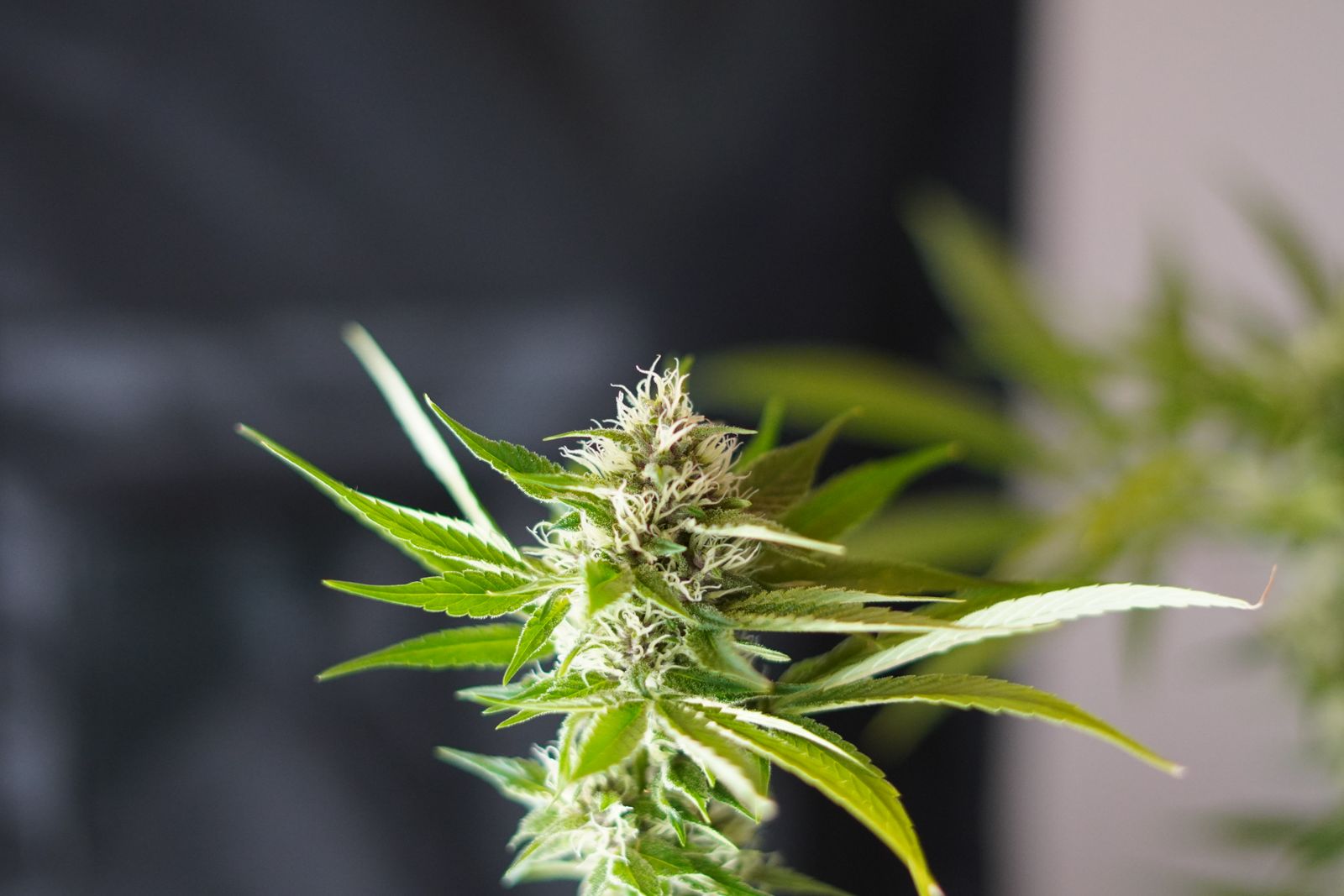
If a bud looks like it's been dusted with fine frost on a January morning in the Okanagan, that's not aesthetic — that's biology telling you something important.
Trichomes are the resinous, mushroom-shaped glands that cover mature cannabis flowers. They are the actual factories where THC, CBD, CBG, and the full spectrum of minor cannabinoids are synthesised and stored. Beyond cannabinoids, trichomes house the terpene profile — the myrcene, limonene, caryophyllene, and linalool compounds responsible for aroma, flavour, and the entourage effect that shapes your marijuana experience from first inhale to final exhale. Without a dense trichome coat, you are burning plant fibre with diminished psychoactive and therapeutic return.
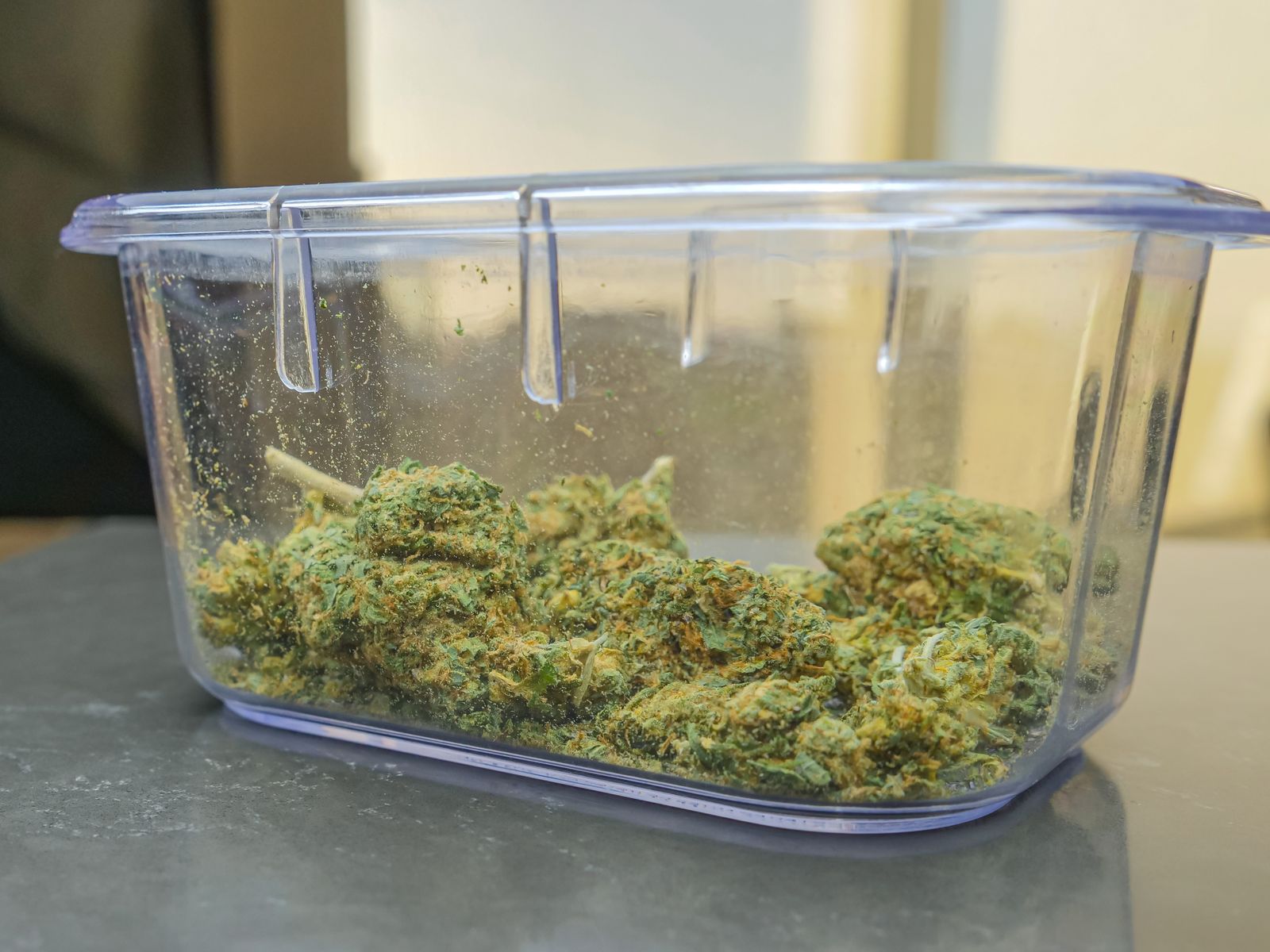
Under direct light, quality trichomes reflect and refract, giving the bud a glistening, almost wet appearance. At a licensed retailer, you are entitled to ask the budtender to open the container so you can inspect before purchasing. Take advantage of that right every single time.
- Milky white trichomes indicate peak THC — harvested at the right moment, before cannabinoid degradation begins.
- Amber trichomes signal post-peak harvest; THC has begun converting to CBN, producing a more sedating, body-heavy effect.
- Clear trichomes mean the plant was harvested early — expect muted potency and an incomplete terpene profile.
- Sparse trichomes on an otherwise healthy-looking bud often indicate a genetics or environment issue: insufficient light intensity, nutrient imbalance during flowering, or excessive heat above 28°C that volatilised terpenes before harvest.
When you're growing your own, a 30–60× jeweller's loupe or a digital microscope takes all the guesswork out of harvest timing. It's a CAD $20–$40 investment that pays for itself the first time you avoid an early chop.
Colour and Aroma: What Fresh Cannabis Actually Looks and Smells Like
Colour is a quality signal, not a cosmetic preference.
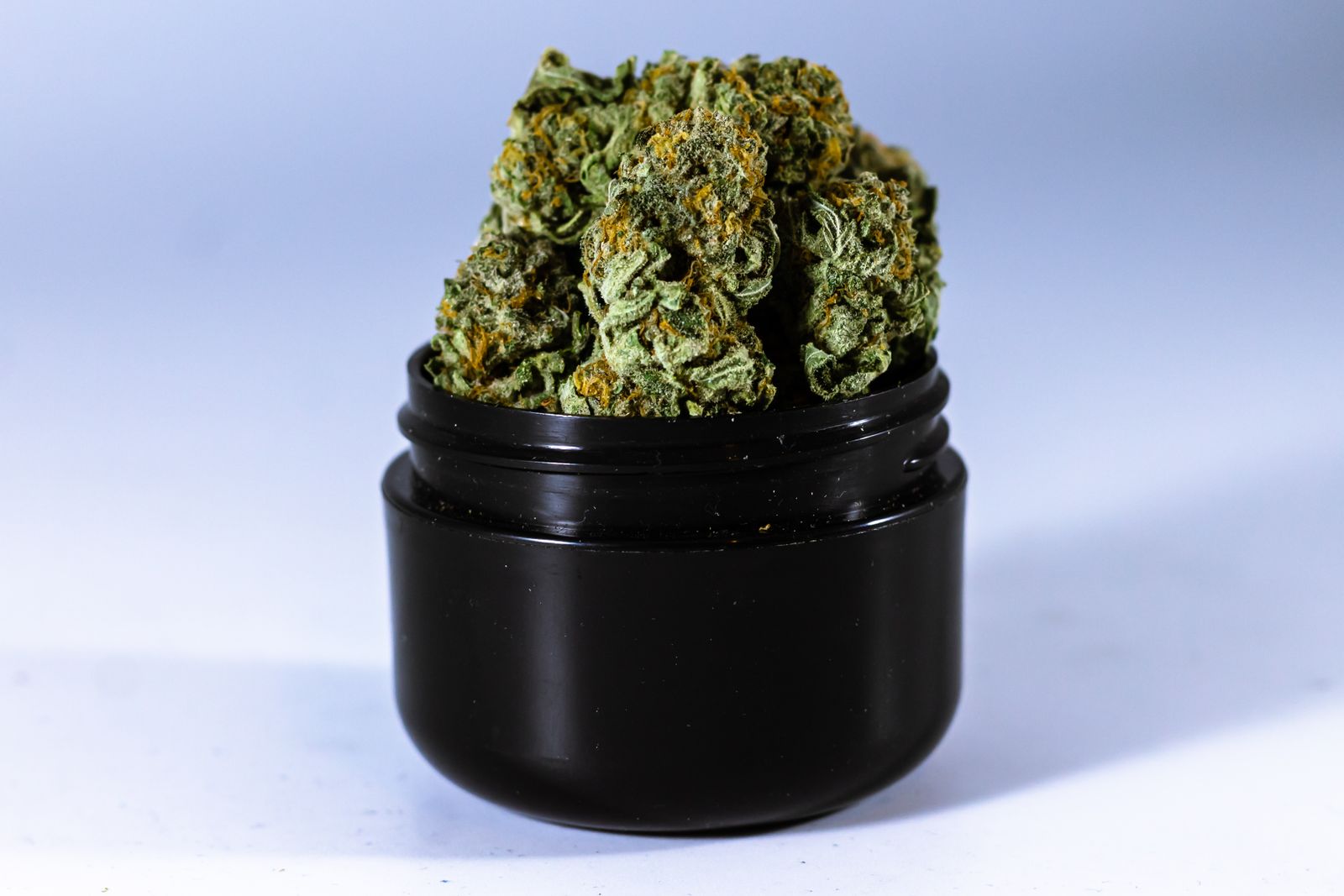
Premium, properly cured cannabis flower sits in a vivid range: deep forest green through to lime, with pistils (the hair-like structures on the bud) running from bright orange to deep rust-red depending on the cultivar. Certain indica-dominant strains express anthocyanin pigments under cool night temperatures during late flowering, producing purple and violet hues that are genuinely striking. What you never want to see is brown — a uniform, dull brownness across the flower indicates oxidation, age, or damage from excessive heat during drying. Brown bud isn't just unappealing; it's chemistry telling you the terpenes have largely evaporated and the THC has degraded into CBN.
Consider two very different but equally exemplary cultivars: Animal Cookies, the indica-leaning OG Kush × Girl Scout Cookies feminized cross known for its dense, resin-caked nugs and sweet, doughy vanilla-and-earth aroma, versus Lemon Haze, the sativa-forward Silver Haze × Lemon Skunk feminized variety that bursts with bright citrus and zesty limonene from the moment you crack the jar. Comparing their colours and aromas side by side is instructive precisely because they're so different — yet both, at their best, deliver the same signal: vibrancy, freshness, and intensity. Neither should ever smell flat, dusty, or like a damp garage.
A useful framework for aroma evaluation:
- Intensity — Does the smell hit you immediately when the container opens? High-quality flower announces itself.
- Complexity — Can you detect layered notes (fruit up front, earthiness underneath, a spicy finish)? Complexity reflects a full terpene profile intact through a careful cure.
- Freshness — Think ripe fruit at a farmers' market, not overripe produce at the back of the bin. Stale, hay-like smell means the drying process was too fast or the cure was skipped.
- Absence of off-notes — No mildew, no ammonia (a sign of microbial breakdown during a hot cure), no chemical harshness.
For home storage, keep your flower in an airtight, opaque glass jar at 18–22°C with a relative humidity of 58–62% (Boveda or Integra packs make this effortless). Avoid plastic, avoid the freezer, avoid any surface exposed to direct sunlight — UV light degrades THC faster than almost anything else in a typical home environment.
Stems, Seeds, and Leaves: The Trim-Job Tell
This one is straightforward, but it surprises new buyers every time they learn it.
When you purchase cannabis by weight — a gram, a half, an eighth of an ounce, every stem, seed, and sugar leaf that hasn't been trimmed counts toward that weight. You are paying for inert plant material instead of the trichome-dense flower you came for. A bud that looks substantial in a jar can be 30% stems and seeds by mass if the post-harvest trim was careless or rushed.
Seeds in a flower sample also tell a secondary story: the crop was either not grown from feminized genetics, or male plants were present in the grow space during flowering, causing pollination. Seeded cannabis diverts the plant's energy away from resin and cannabinoid production and toward seed development. The result is lower trichome density and reduced potency — even if the genetics were originally capable of producing something exceptional.
Red flags to inspect for before buying:
- Visible seeds — small, hard, round, often tan or dark brown
- Thick woody stems running through the centre of a bud, with minimal flower attached
- Excess fan leaves or large sugar leaves left on the bud rather than manicured away
- Loose, airy structure — often a sign of light stress (light intensity too low during flowering) or early harvest
The fix, of course, starts upstream: growing from quality feminized or autoflowering seeds eliminates male-pollination risk entirely, and a proper wet or dry trim at harvest removes all extraneous material before the flower is ever weighed or packaged.
Mould and Contamination: The Non-Negotiable Safety Line
No amount of otherwise excellent genetics, careful cultivation, or clever marketing makes mouldy cannabis acceptable. Full stop.
Under Canada's Cannabis Act, licensed producers are required to test for microbial contamination — including Aspergillus species, Botrytis cinerea (grey mould), and powdery mildew, before any product reaches retail shelves. This is one of the legitimate protections the regulated market offers that the grey and black markets simply cannot replicate. If you are purchasing from a licensed retailer, your risk is substantially reduced. If you are consuming from unregulated sources, you carry that risk entirely on your own.
In practice, here is what contamination looks like on flower:
- Botrytis (grey mould) — a fuzzy, grey-brown coating, often found inside dense colas where airflow was insufficient during flowering or drying
- Powdery mildew — a white, talcum-like dusting on leaf and bud surfaces; distinct from trichomes because it appears flat and chalky rather than crystalline and three-dimensional
- Aspergillus — not always visible to the naked eye, which is precisely why laboratory testing under the Cannabis Act matters; particularly dangerous for immunocompromised individuals
A critical distinction worth knowing: powdery mildew and trichomes can look superficially similar to an untrained eye. The difference is texture and structure. Trichomes catch light and sparkle; they feel slightly sticky under gentle pressure. Powdery mildew is flat, dull, and spreads in irregular patches. When in doubt, don't consume it.
For home growers, mould prevention comes down to environment: keep relative humidity below 50% RH during late flowering, ensure canopy airflow with oscillating fans, and never let wet or freshly cut plant material sit in a stagnant, humid space. A well-dialled vapour pressure deficit (VPD) throughout your grow — approximately 0.8–1.2 kPa in veg, 1.2–1.6 kPa in flower, is your single most powerful tool against mould before it ever starts.
Structure, Density, and the Genetics Behind Them
Bud structure is partly cultivar, partly environment, and entirely worth understanding before you evaluate flower.
A well-grown indica-dominant strain typically produces compact, dense, almost golf-ball-tight nugs with heavy resin coating and deep green colouration. A sativa-dominant cultivar, by contrast, often produces elongated, slightly airier buds with a more open structure — this isn't a defect; it's an expression of the plant's equatorial ancestry, where open bud structure evolved to resist the high humidity of tropical environments. Judging a sativa bud by the density standard of an indica is like marking down a Granny Smith apple for not being as sweet as a Fuji. Context matters.
What you are looking for, regardless of structure type, is integrity: the bud should hold together, feel slightly springy under light pressure (not bone-dry and crumbling, not so moist it compresses and doesn't spring back), and break apart to reveal a bright interior that matches the exterior colour. If the outside looks green but the inside is brown, the flower was either cured unevenly or is significantly older than its packaging date suggests.
Density anomalies worth noting:
- Extremely airy, loose buds from a typically dense strain — likely caused by insufficient light intensity (below 600 µmol/m²/s PPFD during flower) or too-early harvest
- Unusually hard, compacted buds — can indicate plant growth regulator (PGR) use, which is a serious concern in unregulated markets; PGR-grown cannabis often has an oddly chemical smell and very few visible trichomes despite a rock-hard density
- Buds that feel wet and heavy — under-dried; a humidity reading above 65% RH inside the jar means the cure is incomplete and mould risk is elevated
What High-Quality Cannabis Looks Like: A Summary Checklist
After all the detail, it helps to have a fast, practical reference you can use in any situation — at a retailer's counter, inspecting your own harvest before jarring, or evaluating a sample from a new supplier.
Signs of premium-quality cannabis:
- Vivid, intact colour — deep greens, orange or red pistils, possible purple hues in indica-dominant phenotypes
- Dense, visible trichome coating that reflects light — the "frost" that signals cannabinoid and terpene richness
- Immediate, complex, fresh aroma — fruit, diesel, earth, spice, or floral notes that are strong and layered
- Proper moisture: slightly springy under pressure, not crumbling or compressing
- Clean trim — no excess stems, seeds, or large fan leaves adding dead weight
- No visible mould, mildew patches, or off-colours
Red flags that indicate lower quality:
- Brown, dull, or oxidised colouration throughout the bud
- Flat, hay-like, or stale aroma — indicates terpene loss from rushed drying
- Grey fuzzy patches or white chalky dusting (mould or powdery mildew)
- Visible seeds or thick woody stems making up meaningful weight
- Rock-hard density with no visible trichomes (possible PGR use)
- Bone-dry, crumbling texture — over-dried, terpenes gone
Quality is, to a small degree, subjective — your preferred terpene profile and desired effect will rightly influence what "best" means to you personally. But the structural markers above are objective. They reflect the biology of the plant, the skill of the cultivator, and the care taken through drying, curing, and handling. No legitimate interpretation of quality includes mould, seeds, or oxidised flower.
The more you practise these evaluations, the faster they become second nature — and the more consistently your money, whether you're spending it at a licensed shop or investing it in seeds for your own garden, goes toward cannabis that genuinely delivers. For more cultivation knowledge and strain guidance, explore the full Marijuana Education library from Pacific Seed Bank Canada, where these conversations go much deeper.
Keep Reading
Do Pot Seeds Go Bad? The Real Scoop on Seed Shelf Life
Do pot seeds go bad? Yup. Find out how long cannabis seeds last, how to spot bad ones, and the best storage tricks to keep your seeds viable for years.
Cannabis Terms Explained: Vocabulary For New Growers
Cannabis Seed Storage Tips for Maximum Shelf Life