How to Germinate Cannabis Seeds for Beginners
9 min read · , updated May 14, 2026
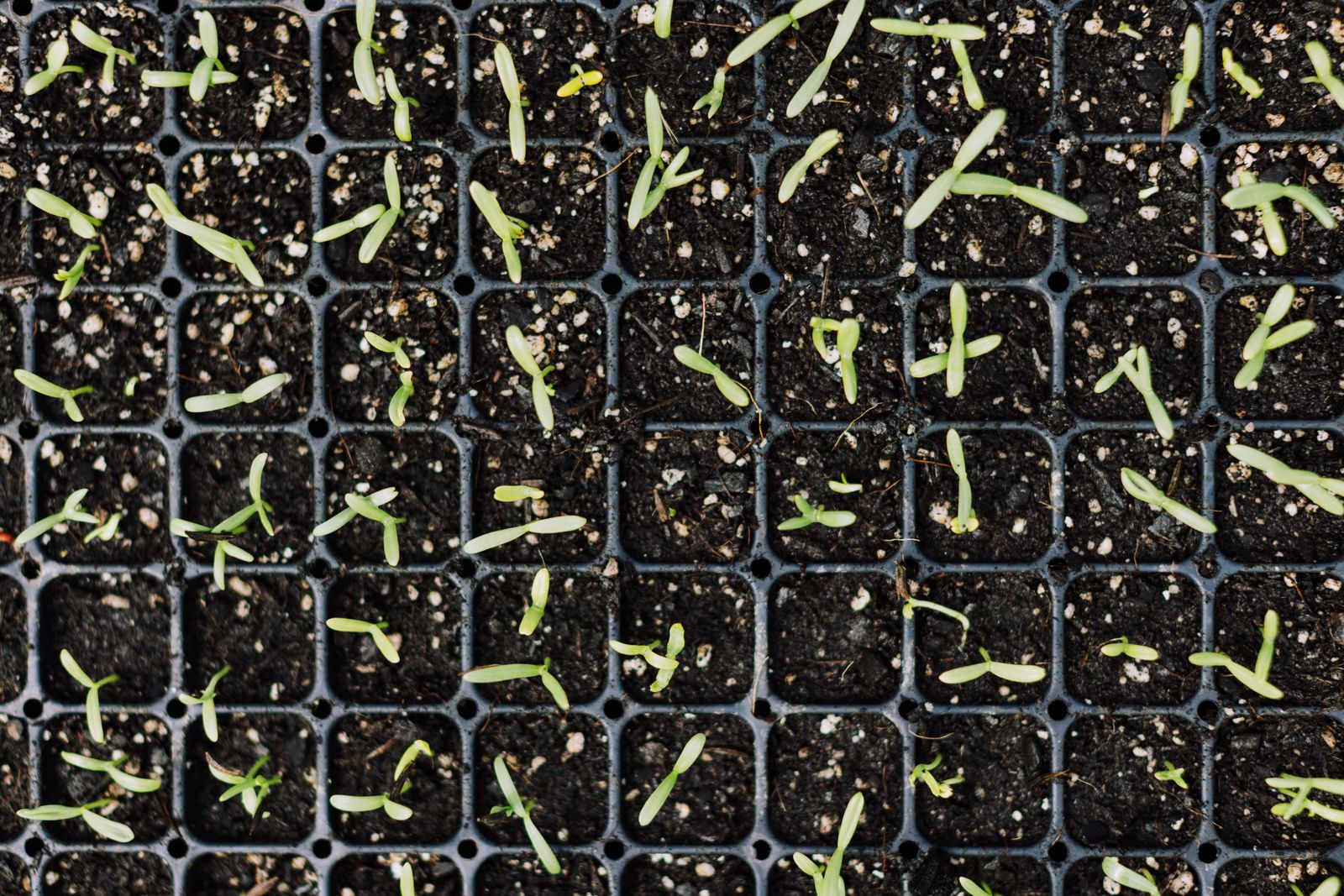
Most first-time growers lose sleep over germination. They shouldn't. Of all the stages in a cannabis plant's life — from seedling through harvest, cracking a seed open is arguably the least technical. What does matter is understanding the type of seed you're starting with, because photoperiod, autoflowering, feminised, and regular genetics each have different demands the moment that taproot hits soil. Get that foundation right, and the rest of the grow has a fighting chance.
Canada's Cannabis Act permits adults to cultivate up to four plants per household from licensed seed, which means you have both the legal right and a genuine reason to do this properly. Whether you're in a Vancouver basement grow tent or a Prince Edward Island backyard garden, this guide will walk you through everything: seed types, their individual quirks, and the exact germination method that delivers consistent results every time.
Understanding Photoperiod Cannabis Seeds Before You Germinate
Photoperiod strains are creatures of the calendar. As annuals, they take their cues from the ratio of light to darkness — a biological clock inherited from millennia of seasonal evolution. In nature, the shortening days of late summer trigger flowering; indoors, you become the sun.
During the vegetative stage, photoperiod plants thrive under 18 hours of light and 6 hours of darkness. To initiate flowering, you flip that schedule to a strict 12/12 split. Miss that transition — leave the lights on too long, let a crack of light into a dark period, and your plants will simply keep vegetating, burning time and electricity without producing a single bud.
This is precisely why photoperiods are not the ideal first grow for a beginner. They demand deliberate planning:
- Deciding how long to vegetate before flipping (typically 4–8 weeks indoors)
- Controlling pruning and canopy management in sync with the light schedule
- Monitoring light leaks with near-paranoid attention during the dark period
- Accounting for stretch — many sativa-dominant photoperiods can double in height after the flip
Outdoors, photoperiod sativas tend to express their full genetic potential — towering heights, enormous colas, and sky-high yields, but only in climates with long, warm summers and a reliable autumn taper. Southern British Columbia, southern Ontario, and parts of Quebec can pull this off. Photoperiod indicas are more versatile and perform well both indoors and outside. The payoff for managing all of this correctly is substantial: photoperiod plants regularly deliver yields well above 500 g/m² under dialled-in conditions, dwarfing what most autoflowers produce.
When you're ready to germinate marijuana seeds of a photoperiod strain, the process itself is identical to any other type — it's the post-germination environment that demands more from you.
Autoflowering Seeds: The Beginner's Best Friend
Here's the counter-intuitive truth about autoflowers: their apparent simplicity is actually a product of extreme evolutionary pressure, not genetic laziness.
Cannabis ruderalis, native to the short-summer climates of Eastern Europe and Central Asia, had no choice but to flower based on age rather than light. Winters were brutal and arrived fast. Plants that waited for the "right" light schedule died before they could reproduce. Those that flowered automatically — regardless of the sun, survived. Breeders crossed this resilience into modern high-THC genetics, and the result is the autoflowering hybrids we have today.
Autoflowering cannabis strains carry that ruderalis efficiency in every seed. The practical benefits for Canadian growers are hard to overstate:
- Seed to harvest in 8–12 weeks, regardless of light schedule
- No light-cycle management required — run 18/6 or even 20/4 straight through
- Compact stature (typically 60–100 cm), ideal for apartment grows and discreet outdoor plots
- Rugged resilience to temperature swings, humidity fluctuations, and beginner mistakes
- Multiple harvests per outdoor season in most Canadian growing zones
The one technical note worth making: autoflowers require well-aerated, light soil — think a perlite-amended coco or a quality seedling mix rather than dense potting soil, and they need significantly fewer nutrients than their photoperiod counterparts. Overfeeding an autoflower is one of the most common beginner mistakes; because of their compact size and fast lifecycle, nutrient burn can set a plant back by days it doesn't have to spare. Start at 25–50% of the recommended feed dosage and work up only if the plant signals a deficiency.
Regular Seeds vs. Feminised Seeds: Which Is Right for You?
This is a distinction that trips up a lot of new growers, and getting it wrong can cost you an entire crop.
Regular seeds produce male, female, and occasionally hermaphrodite plants in roughly a 50/50 male-to-female ratio. Males don't produce consumable buds — they produce pollen. Left undetected in a grow space, a single male will pollinate every female in the room, triggering seed production and gutting your yield of resinous, seedless (sinsemilla) flower. Regular seeds are the domain of breeders: growers who want to create new phenotypes, preserve genetics, or produce their own seed stock. They require the ability to sex plants early, isolate males immediately, and understand the genetic implications of every cross. Rewarding work, but not where beginners should spend their energy.
Feminised seeds, by contrast, are bred to produce only female plants, eliminating the risk of accidental pollination entirely. For a first-time grower, this is transformative. Every seed you pop has a near-certain chance of becoming a flowering, bud-bearing plant. You don't need to sex plants, you don't need to quarantine males, and you don't need to watch your sinsemilla turn to seed because you missed a pollen sac.
If you want a feminised strain with serious character, The Truth is worth your attention — a feminised variety that delivers on both potency and bag appeal, a solid choice for growers who want proven genetics without the guesswork of regular seeds.
One clarification worth making explicit: most autoflowering seeds sold commercially are already feminised, combining the easiest-to-grow format with the most beginner-friendly seed type. Regular autoflowers do exist — they offer breeders the benefits of both worlds, but for a first grow, a feminised auto is the clear starting point. Feminised photoperiod strains, for their part, still require that 12/12 light flip to initiate flowering; feminisation affects sex expression, not light sensitivity.
Comparing Your Options: A Practical Grower's Overview
Before you choose a seed, it helps to see the key variables side by side. Here's how the four main seed types stack up on the characteristics that matter most to a new grower:
- Feminised Autoflower — Easiest to grow, fastest lifecycle (8–12 weeks seed to harvest), no light management, lower yields but multiple harvests possible. Best for: beginners, small spaces, discreet grows.
- Feminised Photoperiod — Requires 12/12 flip, longer veg potential, larger yields, full terpene and cannabinoid expression. Best for: growers ready to manage a full cycle.
- Regular Autoflower — All autoflower benefits plus breeding potential, requires sexing plants. Best for: intermediate growers interested in creating new autoflowering lines.
- Regular Photoperiod — Full breeding potential, maximum genetic diversity, demands experience, light-cycle management, and vigilant sexing. Best for: experienced breeders.
The verdict is straightforward: if this is your first or second grow, start with a feminised autoflower. Add photoperiod feminised strains once you've built confidence. Leave regular seeds for when breeding genuinely interests you.
How to Germinate Cannabis Seeds: The Paper Towel Method
Now the part everyone's actually here for. Once you've selected your seeds, germination itself takes less than five minutes of active work. The paper towel method is the most consistently reliable approach for home growers — it's low-cost, requires no specialised equipment, and lets you visually confirm that a taproot has emerged before you commit the seed to soil.
Here is the complete process, step by step:
- Soak your seeds in a glass of room-temperature water for 12–24 hours. This softens the outer shell and signals to the embryo that moisture is available. Seeds that sink to the bottom after a few hours are typically viable; persistent floaters sometimes aren't, though this isn't a definitive test.
- Lay the soaked seeds on a sheet of damp paper towel. Fold the towel over the seeds so they're sandwiched between two moist layers. The towel should be damp — not dripping, not dry. Excess water encourages mould; too little halts germination.
- Place the paper towel on a plate and move it to a warm, dark location. The ideal temperature range is 21–26°C. A kitchen cupboard above a refrigerator, or a dedicated seedling heat mat set to the lower end of that range, works well. Darkness isn't strictly mandatory, but it mimics the underground conditions seeds naturally germinate in.
- Check every 12 hours and keep the towel moist. Replace or re-wet the paper towel as needed. Most viable seeds will show a taproot — a small white tail — within 24–72 hours. Some strains, particularly older or denser seeds, can take up to five days.
- Plant the sprouted seed taproot-down, 5–10 mm deep in moist, aerated medium. Handle the seed by its shell, never by the taproot — that delicate white thread is the plant's entire early life support system. A toothpick or tweezers work well for this transfer.
That's the entirety of it. Within another 24–72 hours, you'll see two small seed leaves (cotyledons) push through the surface of your medium, and your plant's life above ground begins.
Setting Your Seedling Up for Success After Germination
Germination is the starting gun, not the finish line. The week immediately following that first emergence is when many beginners inadvertently lose plants — usually through overwatering, excessive nutrient application, or light that's too intense too soon.
Keep these principles in mind for the seedling stage:
- Water sparingly and in a circle around the seedling rather than directly at the stem. At this stage, roots are searching outward for moisture; watering in a ring encourages lateral root development.
- Hold off on nutrients entirely for the first 10–14 days. A quality seedling mix contains enough available nutrition for early growth, and adding fertiliser at this stage risks burning roots that aren't yet equipped to handle it.
- Keep relative humidity between 65–70% RH during the seedling stage. At lower humidity, young plants transpire faster than their undeveloped root systems can compensate for. A humidity dome over your seedling tray for the first week is a simple fix.
- Start with lower light intensity — if growing under LEDs, keep the fixture further away than you will during veg. Seedlings don't need, and can't use, the same photon density as a mature plant in peak flower.
Give your seedling 10–14 days to establish its first set of true leaves before beginning any training. After that, the approach diverges significantly by strain type — photoperiods can handle aggressive techniques like topping and SCROG training, while autoflowers respond better to low-stress training (LST) given their compressed lifecycle.
The first seed you germinate is the beginning of a practice that only gets more rewarding with each successive grow. Understand your seed type, give germination the right conditions, and resist the urge to over-manage those first fragile days. The plant wants to grow — your job is simply to stay out of its way.
Keep Reading

How Much Does It Cost To Grow Your Own Weed in Canada?
Learn the real costs of growing weed at home, including grow tents, lights, seeds, nutrients, electricity, and how much cannabis you can harvest.
The 5 Best Blueberry Cannabis Strains To Grow Indoors
Find the best blueberry weed strains to grow indoors, including Blue Dream, Blueberry Cheesecake, and more - and buy the seeds from Pacific Seed Bank.
Why 5.8–6.5 Is The Ideal pH for Cannabis (And When to Adjust)
Learn why 5.8-6.5 is the ideal pH for cannabis plants, how to test your plant's pH, and how to adjust it higher or lower when you need to.
The Best Autoflowering Light Schedule For Bigger Yields
Stop guessing your autoflowering light schedule. Our guide breaks down the 18/6, 20/4, and 24/0 schedules to help you grow bigger, better plants.