The Simplest Starter Grow Setup for First-Time Canadian Cultivators
· 9 min read
You don't need a spare room, an electrician on speed-dial, or a five-figure budget to grow legal cannabis at home in Canada. Under the Cannabis Act, adults can cultivate up to four plants per household — and a functional, productive starter setup can be assembled for well under $600 CAD. The barrier isn't money. It's knowing where to start.
That's exactly what this guide is for.
Below, you'll find two practical paths to your first indoor grow: an all-in-one kit you can order online and have running within a weekend, and a DIY component approach that can save you $250 CAD or more if you're willing to do a little legwork. Both routes share the same foundational logic — controlled environment, efficient light, adequate airflow, and neither requires a degree in botany or engineering to pull off.
Before You Buy Anything: The Fundamentals Every Setup Needs
Hardware decisions are only as good as your understanding of why each piece exists. Rushing to buy a tent before you know what goes inside it is how first-time growers end up with mismatched equipment and avoidable headaches.
Here's the non-negotiable truth: every indoor cannabis setup, regardless of cost, must control four variables — light, temperature, airflow, and humidity. Everything else is refinement.
On the growing medium side, soil is the clear choice for beginners. A quality potting mix already contains a baseline of organic matter and microbial life that buffers early feeding mistakes — something a first-time grower will inevitably make. The first things you will need to get will be soil and plant feed, since a good cannabis-specific soil dramatically reduces how much supplemental nutrients you'll need to add in the early weeks. While a hydroponics system can deliver faster growth and heavier yields in experienced hands, it adds significant complexity, pH management, reservoir maintenance, inert media, that makes it a poor choice for a first grow. Get one harvest under your belt in soil first. You'll be better positioned to appreciate what hydro actually demands.
You'll also want a graduated set of pots. Start seedlings in small containers (around 500 mL to 1 L), then transplant into 3-gallon containers as the root zone expands, finishing in 5-gallon pots for full-term plants. Restricting roots too early stunts canopy development; transplanting too late causes similar stress. Finally, keep your plants elevated off the tent floor — even a simple wooden crate or plastic platform improves drainage and air circulation around the root zone, reducing the risk of fungal issues at the base of the stem.
The All-in-One Grow Setup: Convenience Under $600 CAD
The most frictionless entry point into home cultivation is a complete grow tent kit. The TopoLite 24"x24"x48" LED Grow Tent Kit, available online for under $600 CAD, is a well-regarded example of exactly this type of package — and it represents genuine value when you price out the components individually.
At 24"×24"×48" (roughly 61×61×122 cm), this tent fits inside a closet, under a staircase, or in the corner of a spare room. Its 4-foot (1.2 m) height is the most important dimension to keep in mind when choosing strains. Any cultivar that stretches taller than 60 cm in flower will push into your light and create heat stress. This is why compact indica-dominant and autoflowering genetics are the ideal match for this space — more on that below.
The kit ships with everything listed here:
- 300W full-spectrum LED grow light — adequate for 1–2 plants at this footprint; produces far less radiant heat than HPS equivalents, which matters in a small sealed space
- 4" ventilation kit — inline fan plus ducting to create negative pressure inside the tent, pulling stale air out and preventing odour from escaping
- Grow tent with reflective interior walls and heavy-duty zippers — the mylar lining bounces light back onto your canopy, improving efficiency; quality zippers prevent light leaks that can disrupt photoperiod plants
- Thermometer hygrometer — monitors both temperature and humidity simultaneously; essential for maintaining the vapour pressure deficit (VPD) your plants need at each growth stage
- Digital timer — automates your light schedule (18/6 for veg, 12/12 to trigger flower on photoperiod strains; continuous light for autos)
- 60 mm pruning shears — for training, defoliation, and harvest cuts
- 5×15 ft plant trellis netting — supports heavy colas during late flower and enables a basic SCROG (screen of green) canopy technique to maximise light penetration
- Light hangers (ratchet straps) — allow you to raise the LED as plants grow, maintaining optimal canopy distance (typically 30–45 cm for LED panels at this wattage)
What you'll still need to source separately: pots, quality cannabis soil, nutrients, pH meter, and seeds. That's it. The heavy infrastructure lifting is done.
Is $600 CAD the absolute floor? No — you can piece together similar components for less. But the TopoLite kit earns its price in saved time. There are no compatibility questions, no separate shipping windows, no half-assembled setup sitting in your living room while you wait for the carbon filter to arrive. For a first grow, that frictionless start has real value. It's also, notably, ideal for first-time growers precisely because the components are pre-matched to work together at this scale.
The DIY Component Approach: Saving $250 CAD or More
If you'd rather stretch your budget further — or you enjoy the satisfaction of assembling your own system, buying individual components is a completely viable path. The tradeoff is time: expect multiple online orders or a few trips to a grow shop or hardware store before everything is in hand.
Here's what you need, with approximate Canadian pricing at the time of writing:
- Grow tent with reflective walls and heavy-duty zippers — a 24"×24"×48" model from a reputable brand runs roughly $80–90 CAD. Want to run four plants instead of one or two? Step up to a 4'×4' tent, but know that your lighting and ventilation costs scale accordingly.
- LED grow light, 300W minimum (400W preferred) — LEDs cost more upfront than fluorescent alternatives, but their energy efficiency and lower heat output pay dividends across multiple grows. At 300W, you're looking at roughly $120–200 CAD depending on brand; quality 400W units can reach $250 CAD. Don't cheap out here — light quality is yield quality.
- Inline fan and carbon filter — a 4" inline fan paired with a matching carbon filter handles odour and ventilation for a small tent. Budget $60–100 CAD for a decent combo. The fan creates negative pressure (air flows inward through any gaps rather than outward), and the carbon filter scrubs terpene-rich exhaust before it exits the tent.
- Ducting and clamps — connects your fan to the filter and out through the tent port. Often under $20 CAD.
- Thermometer hygrometer — a dual-sensor digital unit runs $15–30 CAD and is one of the most important tools in your tent. Without it, you're flying blind on temperature and humidity — two variables that directly control VPD, transpiration rate, and disease risk.
Assembled carefully — and especially if you source a second-hand light or tent through Facebook Marketplace or a local grow community, you can put together a fully functional setup for $300–350 CAD. That's a meaningful saving over the all-in-one kit, though you'll be doing the comparison shopping and assembly yourself.
The two approaches compared directly: the all-in-one kit wins on convenience and speed; the DIY route wins on cost and flexibility. Neither produces better cannabis on its own — that comes down to the grower and the genetics.
Choosing the Right Strains for a Small Indoor Setup
Your tent's 4-foot height ceiling is the defining constraint when selecting genetics. Sativa-dominant cultivars can double or even triple in height during the stretch phase of early flower — a disaster in a 48-inch tent. What you want are compact, efficient plants that reward the conditions you can actually provide.
Autoflowering feminised strains are the single best match for a beginner's first small tent. They flower based on age rather than light schedule, finish in 70–85 days from seed to harvest regardless of photoperiod, and typically stay under 90 cm — often much shorter. There's no light-schedule flip to manage, no risk of accidental re-vegging from a light leak, and the abbreviated cycle means you see results, and learn from your mistakes, faster.
Compact indica-dominant feminised strains are the other strong option. Dense node spacing, squat structure, and flowering times that typically run 49–63 days make them well-suited to tight spaces. They respond beautifully to low-stress training (LST): gently bending and tying down the main stem encourages lateral branching and a flatter canopy that keeps everything within your light's sweet spot.
Whatever you choose, look for strains with documented compact growth habits and proven indoor performance. Our full section on Growing Marijuana covers specific strain recommendations, training techniques, and stage-by-stage care guides to carry you through from seed to harvest.
Dialling In Your Environment: The Details That Separate Good Grows from Great Ones
The hardware is only half the equation. What you do with it determines your actual results.
Temperature and humidity work together through VPD (vapour pressure deficit) — a measure of how much evaporative "pull" the air is placing on your plants. In practical terms:
- Seedling stage: 22–26°C, 65–70% relative humidity (RH)
- Vegetative stage: 20–28°C, 50–65% RH
- Early flower: 20–26°C, 45–55% RH
- Late flower (final 2–3 weeks): 18–24°C, 35–45% RH — lower humidity here suppresses botrytis (bud rot), a common killer of dense indica colas
Your inline fan should run continuously to maintain negative pressure and prevent hot spots from building under the LED. The timer controls only your light cycle — not your fan. This is a common beginner mistake that causes temperature spikes during dark periods.
Use the trellis netting from your kit to run a basic SCROG once plants enter the pre-flower stretch. Weave stems horizontally through the net as they grow, distributing the canopy evenly beneath the light. The payoff is a flat, even canopy where every bud site receives comparable photon density — translating directly into uniform, dense flowers rather than a few heavy colas and a lot of airy secondary growth.
Defoliation — selectively removing fan leaves that shade bud sites, should be done conservatively in a first grow. Remove no more than 20–25% of foliage at any one time, and allow plants five to seven days to recover between sessions. Less is more until you can read how your specific plants respond to stress.
Harvest cues matter as much as anything else. A jeweller's loupe or digital microscope (under $30 CAD) lets you examine trichome colour. Milky-white trichomes signal peak THC; amber trichomes indicate THC degrading into CBN, producing a heavier, more sedative effect. Most indica and autoflowering cultivars are best harvested when 70–90% of trichomes are milky with just a touch of amber — but your own preference for effect should be the final guide.
What Comes After Harvest: Drying, Curing, and Knowing You Did It Right
A great grow can be undone in the drying room. Don't let that happen.
Hang whole branches or individual buds in a dark space with 50–60% RH and 18–20°C for 10–14 days. Slow drying — not the 3-day rush some growers attempt, preserves terpenes and allows chlorophyll to break down fully, which is the difference between smooth, flavourful smoke and harsh, green-tasting cannabis.
Once stems snap rather than bend and the outer surface of buds feels dry to the touch, move to curing. Pack loosely into glass mason jars (a Canadian kitchen staple) to 70–75% capacity. Open jars for 15–20 minutes twice daily for the first two weeks to "burp" off CO₂ and moisture — this is called burping, and it's non-negotiable. After two weeks, burp once daily. By week four to six of curing, terpene complexity deepens noticeably: a one-week-old bud and a six-week-cured bud from the same harvest are genuinely different experiences.
Your hygrometer has one more job here: a small digital Boveda-compatible sensor inside each jar tells you whether RH is sitting in the ideal 58–62% range for long-term storage. Too high risks mould; too low desiccates the bud and degrades volatile terpenes.
Your first harvest might not be perfect. It will almost be better than you expect — and it will teach you more about cannabis cultivation than any article ever could. Set up the tent, dial in the environment, choose genetics suited to your space, and grow. The knowledge compounds with every cycle, and so does the quality of what you produce.
Keep Reading
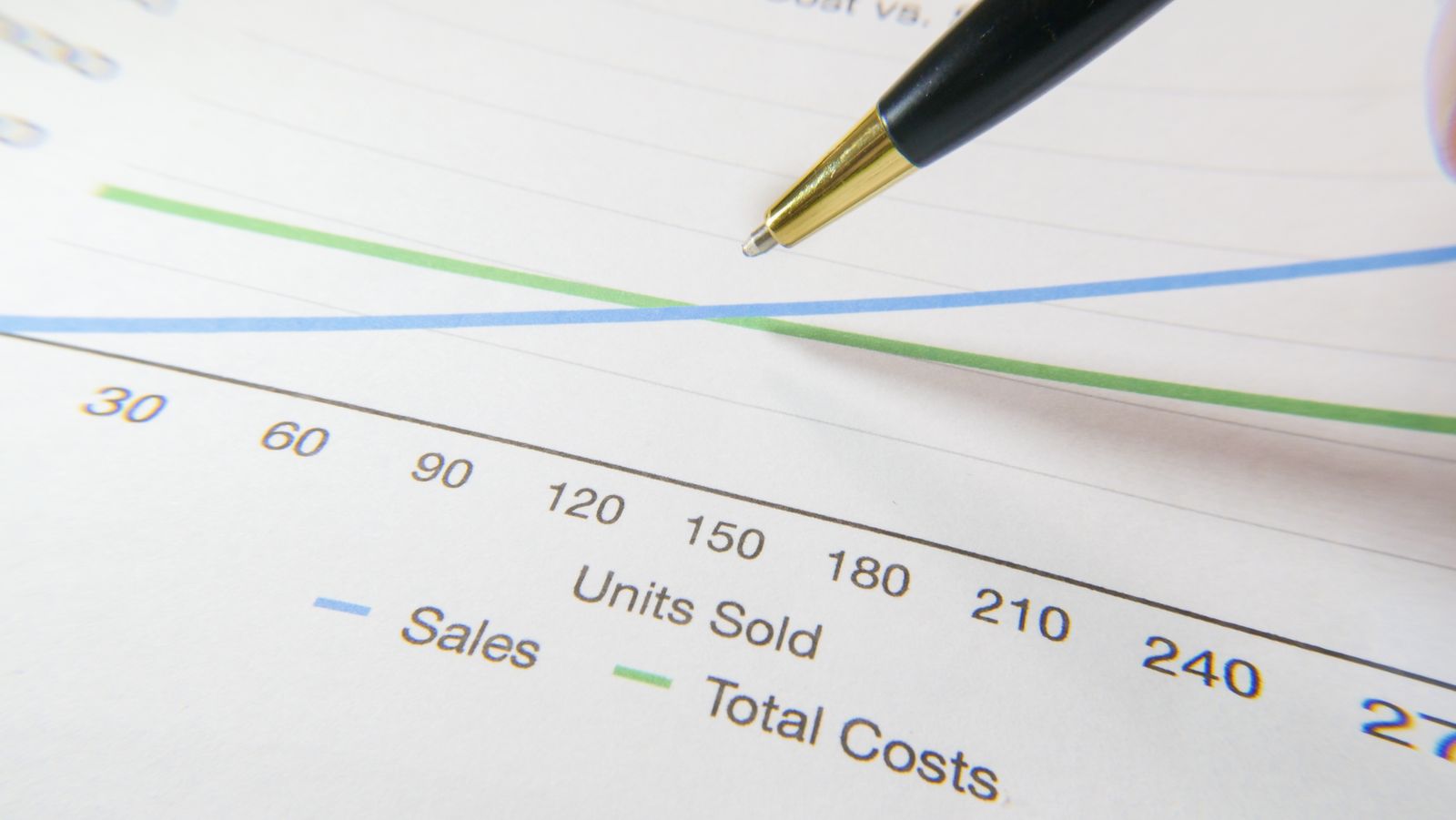
How Much Does It Cost To Grow Your Own Weed in Canada?
Learn the real costs of growing weed at home, including grow tents, lights, seeds, nutrients, electricity, and how much cannabis you can harvest.
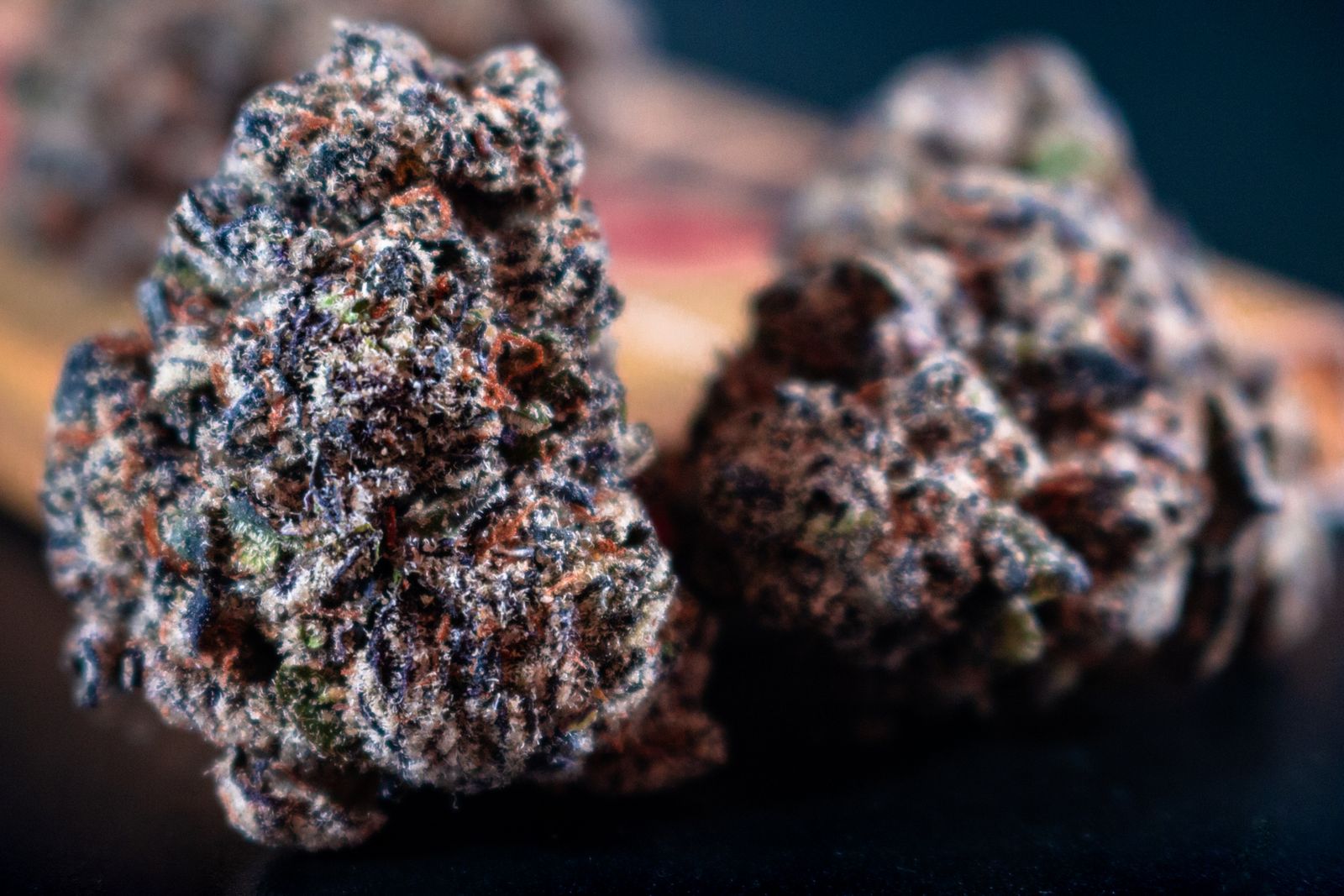
The 5 Best Blueberry Cannabis Strains To Grow Indoors
Find the best blueberry weed strains to grow indoors, including Blue Dream, Blueberry Cheesecake, and more - and buy the seeds from Pacific Seed Bank.
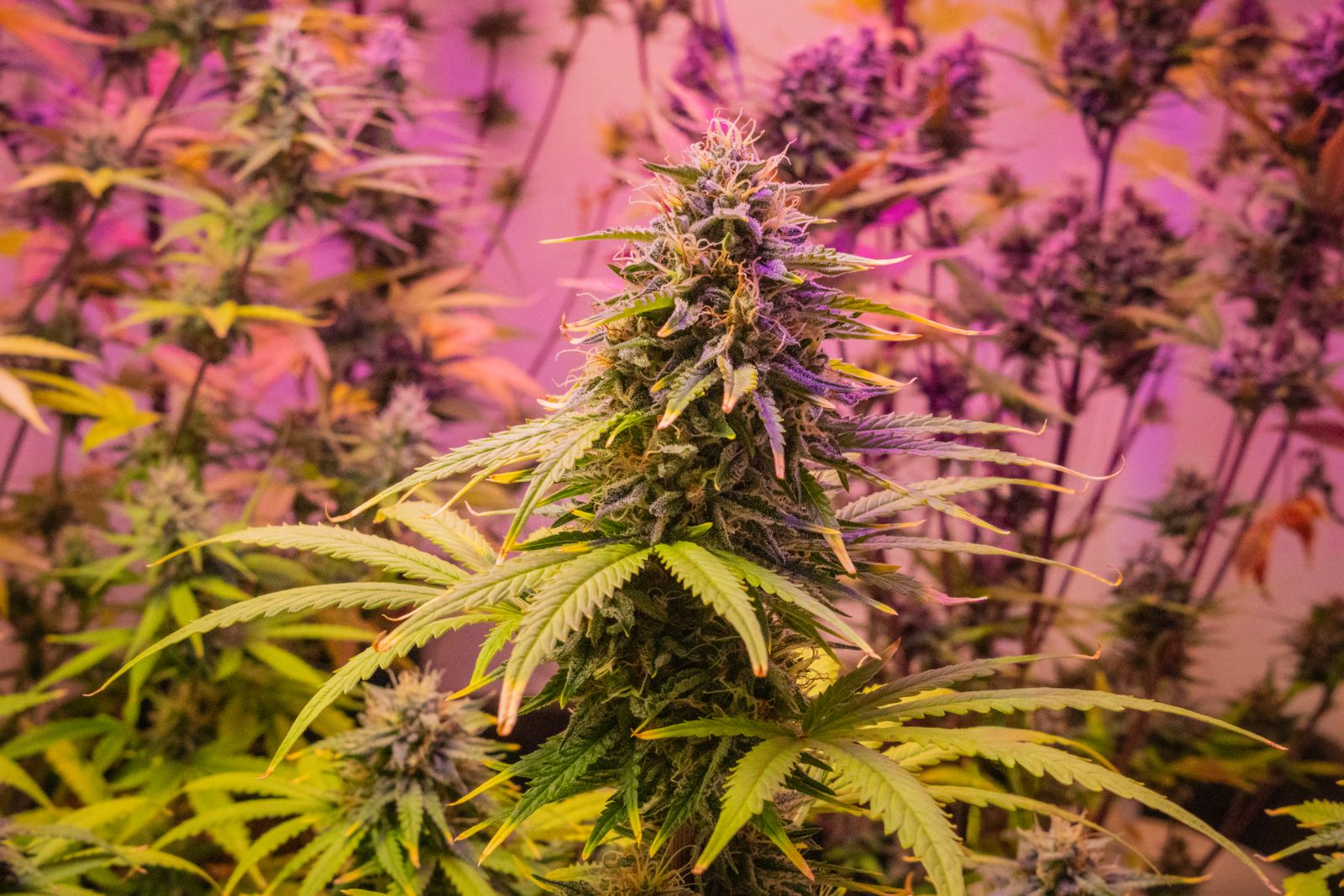
Why 5.8–6.5 Is The Ideal pH for Cannabis (And When to Adjust)
Learn why 5.8-6.5 is the ideal pH for cannabis plants, how to test your plant's pH, and how to adjust it higher or lower when you need to.
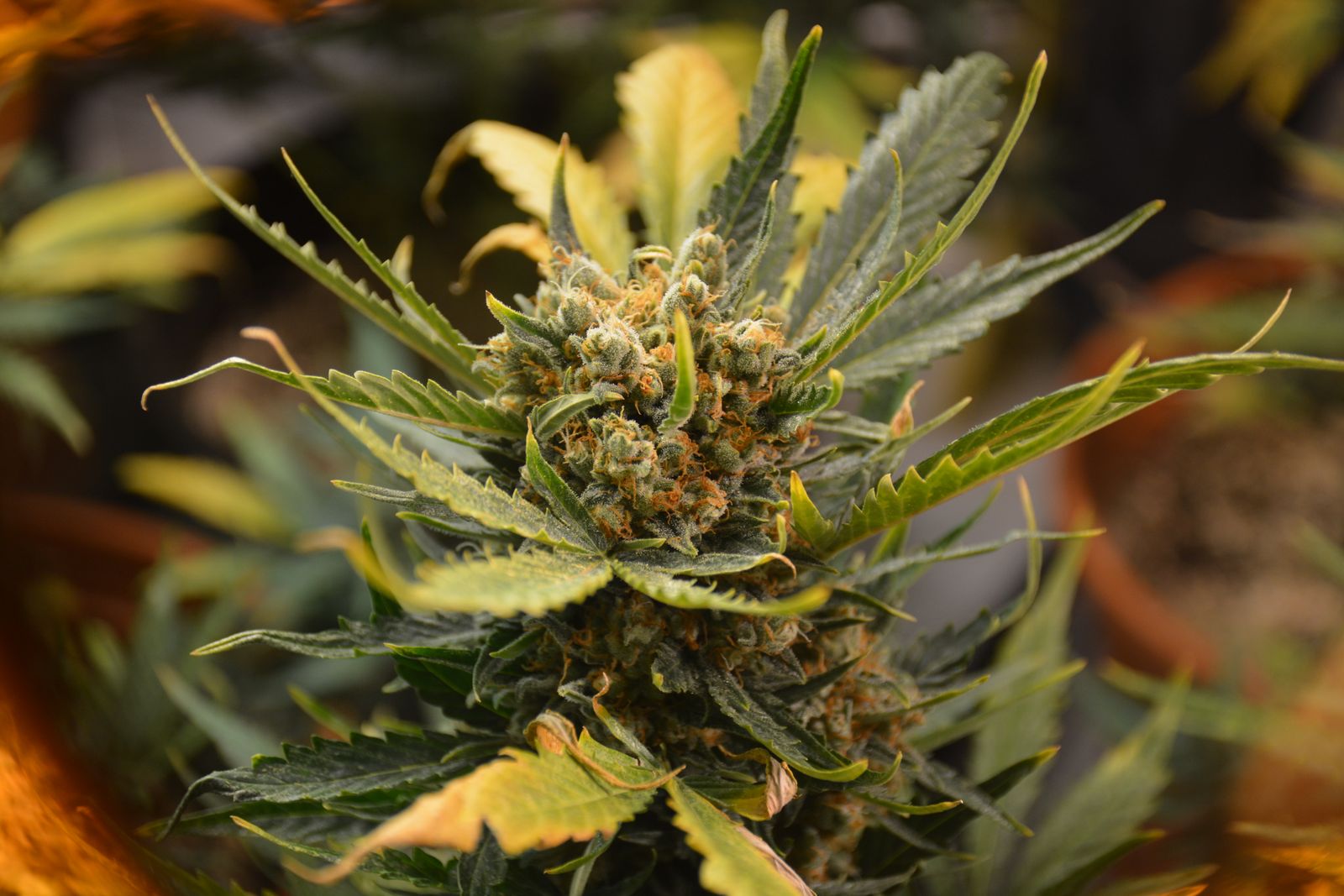
The Best Autoflowering Light Schedule For Bigger Yields
Stop guessing your autoflowering light schedule. Our guide breaks down the 18/6, 20/4, and 24/0 schedules to help you grow bigger, better plants.