Do Indoor or Outdoor Growers Have More Fun in Canada?
· 9 min read
The Cannabis Act gives every Canadian household the right to grow up to four plants — and yet the single most consequential decision you'll make isn't about nutrients, training, or genetics. It's far simpler: where do you put those plants? Indoor or outdoor cultivation shapes every variable that follows, from your electricity bill to your harvest window to the very flavour profile that ends up in the jar. Neither path is objectively superior. Both are genuinely, deeply fun, just in completely different ways.
Where Should You Grow Your Cannabis in Canada?
Cannabis is, at its core, a weed. It has colonised every habitable continent, thrived in Himalayan highlands and equatorial lowlands, and survived centuries of casual neglect alongside centuries of obsessive cultivation. That resilience is good news for the Canadian home grower, because it means most quality genetics will survive both indoor and outdoor conditions — survive being the operative word. Thriving is another matter entirely.
With hundreds of strains available, phenotype expression varies wildly depending on environment. A high-resin indica that produces dense, trichome-heavy buds under LED in a controlled tent may stretch thin and airy if transplanted to a cool, overcast British Columbia autumn. Conversely, a sativa-dominant cultivar bred for long, sunny seasons will stall indoors under a 12/12 light cycle before it has had time to develop the terpene complexity that makes it special. The breeder's specifications are your starting point, not your finishing line.
Before you germinate a single seed, gather information on the best growing practices for the specific genetics you've chosen. Understand whether the strain is photoperiod or autoflowering, indica- or sativa-dominant, and what its ideal temperature and vapour pressure deficit (VPD) ranges are. That research will make the indoor-versus-outdoor decision almost obvious.
The Real Advantages of Growing Cannabis Indoors
Indoor cultivation is an act of precision. You are not simply growing a plant — you are engineering a microclimate, dialling in variables that nature has never bothered to be consistent about. For many growers, that control is the entire point.
Here is what the indoor environment genuinely gives you:
- Biosecurity and cleanliness. A sealed, well-maintained grow tent or dedicated room dramatically reduces exposure to fungal pathogens, spider mites, aphids, and the full roster of outdoor pests. For medical cannabis patients — many of whom cultivate their own supply under Health Canada's framework — this sanitary consistency is non-negotiable. An immunocompromised individual cannot afford botrytis spores in their flower, and indoor cultivation makes that risk manageable.
- Total climate authority. Temperature, humidity, CO₂ concentration, air exchange rate, root-zone temperature — you set every dial. Dialling in a VPD of 0.8–1.2 kPa during the late flowering stage encourages resin production and reduces the risk of bud rot in a way that simply isn't possible outdoors.
- Photoperiod manipulation. By controlling your light schedule, you decide when your plants flip from vegetative growth to flowering — not the shortening September days. This lets you run multiple harvests per year, potentially three or four complete cycles in the same space a single outdoor season would occupy.
- Perpetual harvest potential. With two tents — one on an 18/6 veg cycle, one on 12/12 flower — a disciplined indoor grower harvests roughly every eight to ten weeks, year-round. That kind of consistency is impossible in Winnipeg in January.
- Training technique optimisation. Indoor canopies respond beautifully to methods like low-stress training (LST), topping, and the Sea of Green approach, where many small plants are packed tightly and flipped early to create a uniform, light-efficient canopy. These techniques maximise grams per watt — a critical metric when you're paying a monthly hydro bill.
None of this comes free. The startup costs for a proper indoor setup — quality LED fixtures, an inline fan and carbon filter, environmental controllers, grow medium, nutrients, can run anywhere from a few hundred to several thousand dollars CAD depending on scale. Ongoing electricity costs in provinces like Ontario or Alberta, where rates are relatively high, will chip into your cost-per-gram calculation every month.
That said, the economics still favour home cultivation compared to retail pricing at provincial cannabis stores. And smart growers reduce overhead by keeping spaces small, choosing autoflowering genetics that finish faster, and using efficient techniques that deliver more yield per square metre without scaling up the room itself.
The Real Advantages of Growing Cannabis Outdoors
There is a moment every September — somewhere between the first amber trichomes and the first genuine frost warning, when an outdoor grower standing in their backyard understands something an indoor grower rarely experiences: the profound satisfaction of having worked with nature rather than against it. The sun did the heavy lifting. You just showed up.
Outdoor cultivation is not the lazy option. It is, in many respects, the sophisticated one.
- Cost efficiency that is genuinely dramatic. Sunlight is free. Full-spectrum, UV-inclusive, photosynthetically perfect light — the kind that costs indoor growers thousands of dollars to approximate — falls on your garden at no charge from May to October. No electricity bill, no fixture replacement, no cooling load from heat-generating equipment.
- Exceptional terpene expression. Outdoor-grown cannabis, particularly when cultivated in living soil amended with compost, worm castings, and mineral inputs, consistently produces more complex terpene profiles than hydroponic indoor equivalents. The stress responses triggered by wind, fluctuating temperatures, and natural UV exposure contribute secondary metabolites that indoor environments struggle to replicate.
- Yield potential that indoor simply cannot match. A single photoperiod plant given a full outdoor season in southern Ontario or coastal British Columbia can exceed two metres in height and produce 500–1,000 grams of dried flower. No indoor setup at a home scale comes close to that raw volume per plant.
- Natural soil biology. Living soil teems with mycorrhizal fungi, beneficial bacteria, and arthropods that create nutrient availability, disease suppression, and root architecture that synthetic nutrient programs approximate but never fully replicate.
The "stretch" that outdoor growers love is worth understanding technically. Cannabis plants direct energy toward their light source. Outdoors, because light comes from directly overhead and at full intensity, vertical stretch is minimised after the initial growth phase, and photosynthates are redirected into lateral branching and bud site development. Broader fan leaves capture more of the solar spectrum, and the result — under ideal conditions, is dense, aromatic colas that develop slowly over eight to twelve weeks of outdoor flowering.
The tradeoffs are real. Canada's growing season is unforgiving north of the 49th parallel. Autoflowering strains have become enormously popular with Canadian outdoor growers precisely because they finish in 70–90 days regardless of photoperiod — meaning a late-May start in Saskatchewan can still yield a full harvest before the first hard frost in early October. Outdoor growers in Quebec and Manitoba often start seedlings indoors under lights in April, hardening them off before transplanting after the last frost date, a hybrid approach that extracts the best of both worlds.
Indoor vs. Outdoor: A Direct Comparison
The honest comparison looks like this:
Control versus scale. Indoor growers win on precision — they dial in every environmental variable and manage quality with a consistency that outdoor growing cannot guarantee. Outdoor growers win on volume, raw yield per plant, terpene complexity derived from natural stress, and cost per gram are all dramatically in nature's favour. A 600-watt indoor LED in a 1.2 × 1.2 metre tent might produce 400–600 g/m² from skilled hands. A single outdoor plant in peak conditions can produce that on its own.
Time investment versus financial investment. Indoor growing asks you for money upfront and then ongoing vigilance — daily VPD checks, nutrient pH adjustments, canopy management. Outdoor growing asks for patience and accepts more uncertainty; a late-season hailstorm or a botrytis outbreak driven by autumn humidity can damage a crop that took five months to develop.
Privacy and compliance. Canada's Cannabis Act permits home cultivation, but provincial rules vary significantly. Most provinces allow up to four plants per household, require plants to be on private property, not visible from a public space, and inaccessible to minors. British Columbia, Alberta, Ontario, and most other provinces follow this framework; Québec and Manitoba have historically restricted home cultivation, though that has evolved through legal challenges. Always verify current provincial regulations before planting outdoors. If you share a fence line with neighbours or live near a school, a low-odour feminized strain — or the privacy of an indoor tent, is the considerate and legally prudent choice.
Which Type of Grower Are You?
Answer these five questions honestly and the decision nearly makes itself:
- Do you enjoy tinkering with systems? If monitoring controllers, adjusting nutrient ratios, and optimising VPD sounds like a weekend well spent, you are an indoor grower.
- Is your budget limited upfront but your patience deep? Outdoor growing has minimal startup costs but rewards growers who can tolerate seasonal constraints.
- Do you want multiple harvests per year? Only indoor cultivation provides that in Canada's climate.
- Are you growing for quality-at-scale or quality-at-precision? Outdoor for volume; indoor for engineered consistency.
- What does your living situation permit? Apartment dwellers default to indoor. Homeowners with private yards in warm provinces have a genuine choice.
Many experienced Canadian cultivators do both — and they do it strategically. Seedlings are germinated under LED in late March, grown under 18/6 light until they develop four to six nodes, then hardened off and transplanted outdoors in late May after the frost risk drops. The plants enter the outdoor vegetative phase with weeks of healthy root development already behind them, hit flowering as daylength shortens in August, and finish in late September or early October with yields that dwarf anything possible in a purely indoor season. It is the most efficient use of both environments available to a home grower.
Choosing the Right Seeds Makes All the Difference
None of the above matters if you start with genetics that aren't suited to your chosen environment. An outdoor-optimised cultivar with a twelve-week flowering time planted in Edmonton will not finish before frost. An autoflowering strain crammed into a tiny tent under under-powered lighting will never express its genetic potential. The seed you choose is the most important single decision in the entire process.
When you buy your marijuana seeds from a reputable source, you receive not just viable genetics but the breeder data — flowering time, expected yield in g/m² and g/plant, height range, dominant terpenes, cannabinoid percentages, and environment recommendations, that allow you to plan intelligently before you ever wet a seed. A feminized photoperiod strain rated for 500–550 g/m² indoors and 700–900 g/plant outdoors tells you something specific about where it wants to live.
Look for strains with Canadian climate performance in mind. Shorter-season genetics, mould-resistant structure, and autoflowering varieties bred for northern latitudes are all characteristics worth prioritising if you're east of the Rockies or north of 50°. Conversely, if you're running a dialled-in indoor room in the Lower Mainland, you can afford to explore longer-flowering, higher-complexity sativa-dominant or hybrid genetics that would never finish in a Prairie October.
At Pacific Seed Bank Canada, the catalogue is built with exactly this diversity in mind — genetics suited to both the precision of a sealed indoor environment and the generous but unforgiving Canadian outdoor season.
Whether you end up surrounded by LEDs and carbon filters or kneeling in the garden with your hands in living soil, the grower who chooses deliberately — who matches their genetics to their environment and their environment to their temperament, always has the most fun. Start with honest self-assessment, invest in quality seeds, and let the plants tell you the rest.
Keep Reading

How Much Does It Cost To Grow Your Own Weed in Canada?
Learn the real costs of growing weed at home, including grow tents, lights, seeds, nutrients, electricity, and how much cannabis you can harvest.
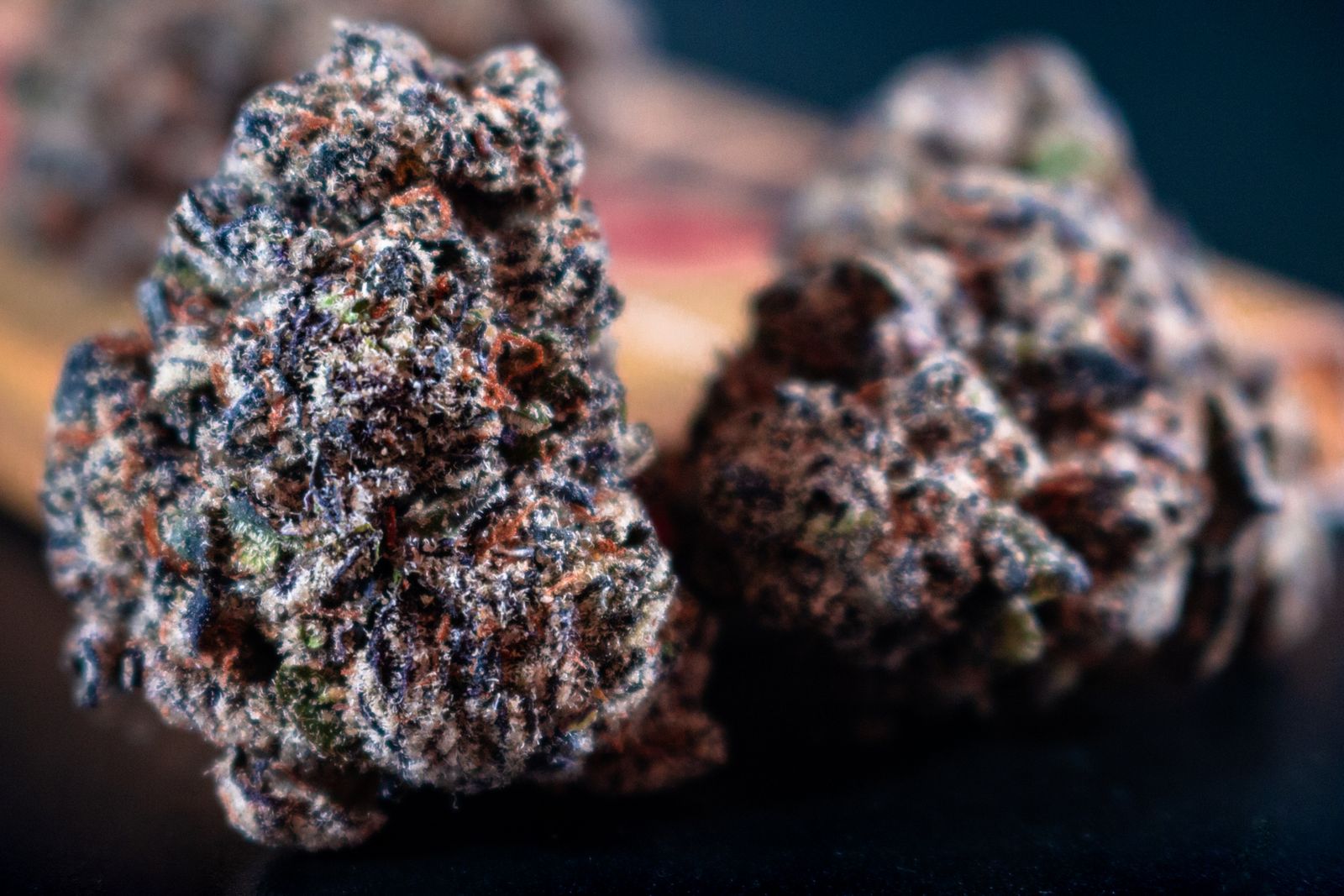
The 5 Best Blueberry Cannabis Strains To Grow Indoors
Find the best blueberry weed strains to grow indoors, including Blue Dream, Blueberry Cheesecake, and more - and buy the seeds from Pacific Seed Bank.
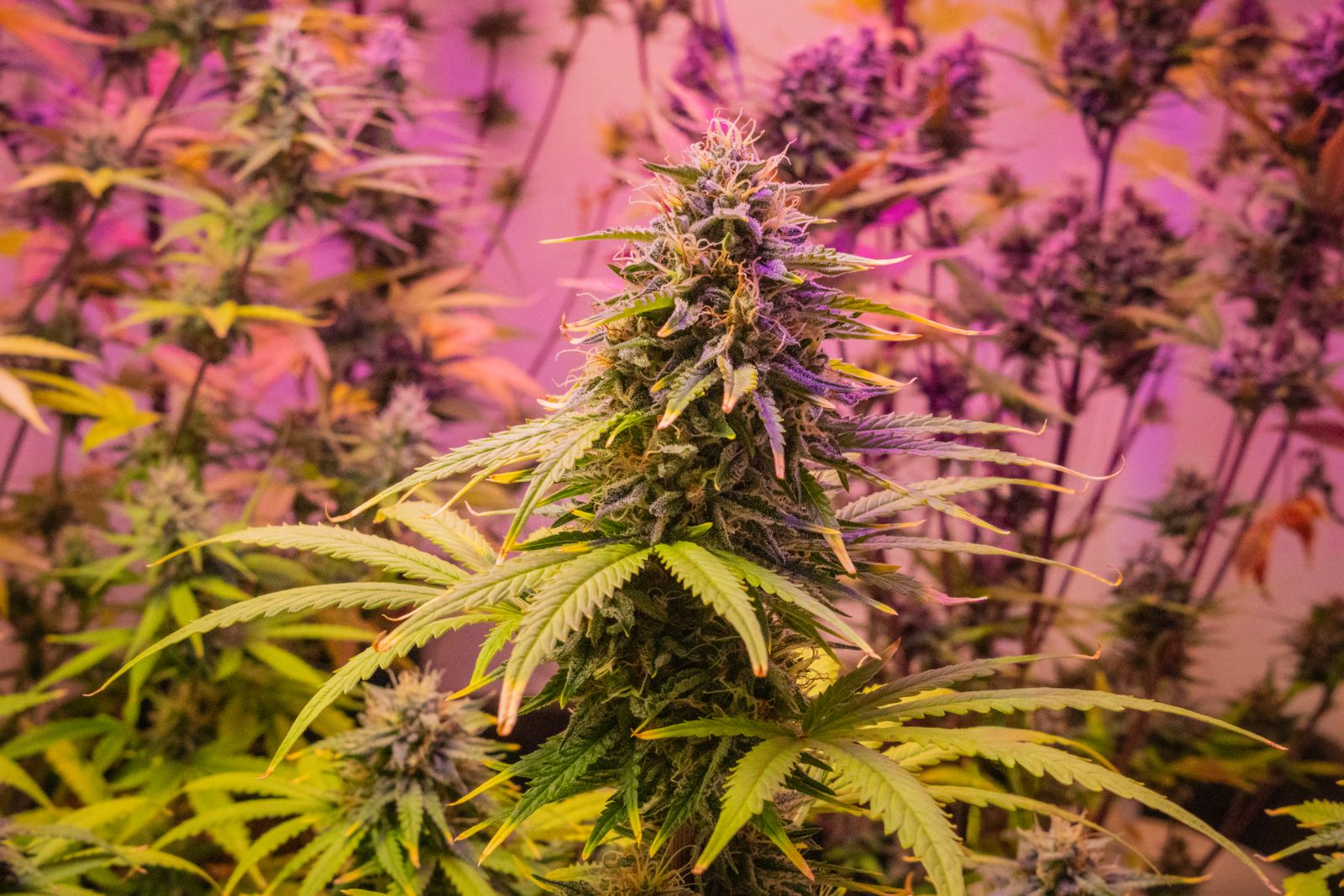
Why 5.8–6.5 Is The Ideal pH for Cannabis (And When to Adjust)
Learn why 5.8-6.5 is the ideal pH for cannabis plants, how to test your plant's pH, and how to adjust it higher or lower when you need to.
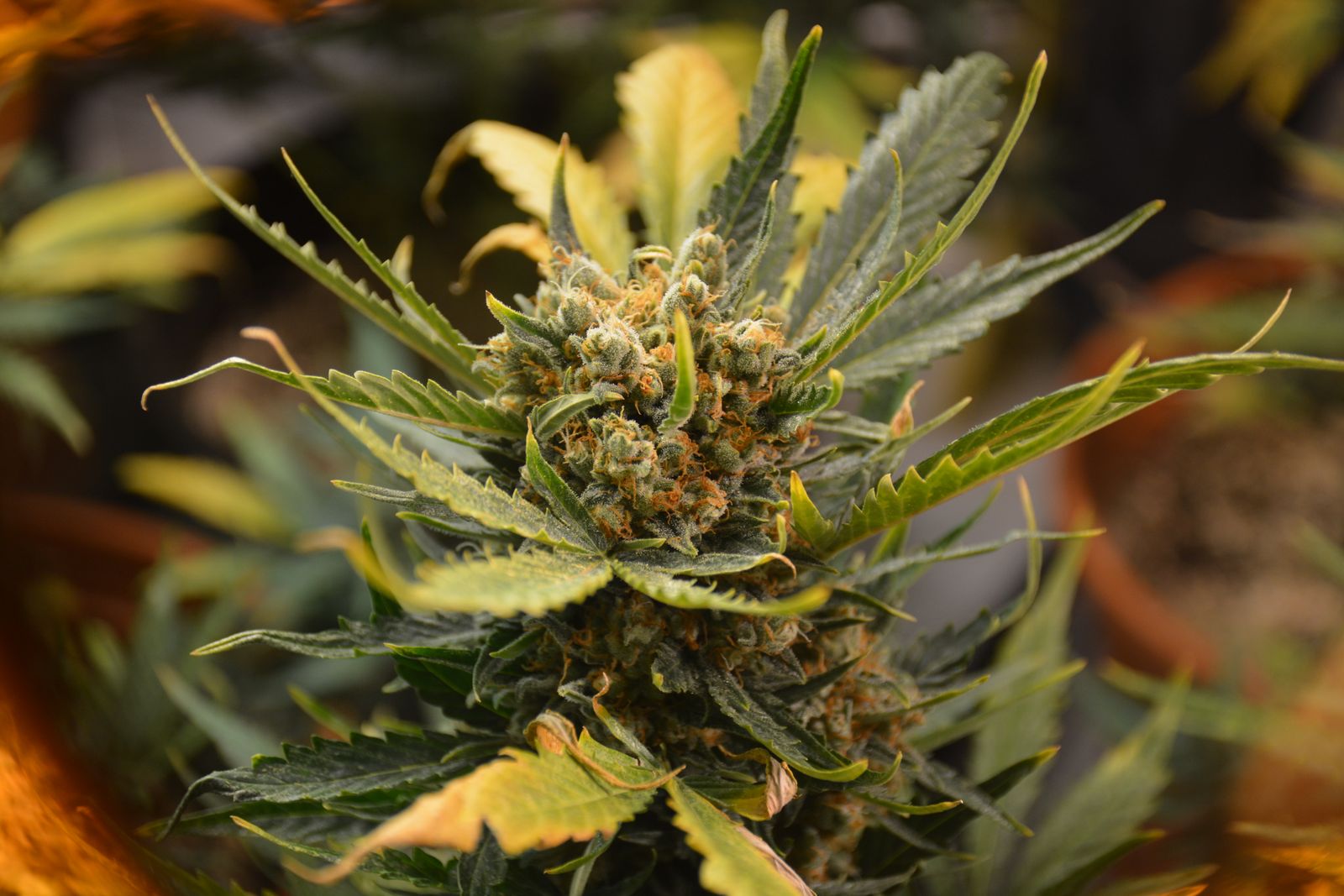
The Best Autoflowering Light Schedule For Bigger Yields
Stop guessing your autoflowering light schedule. Our guide breaks down the 18/6, 20/4, and 24/0 schedules to help you grow bigger, better plants.