I'm Growing Cannabis at Home…Help?
· 12 min read
Most first-time home growers fail not because cannabis is difficult to grow, but because they underestimate one variable — light, water quality, airflow, or nutrients, and watch a promising crop unravel in week six. The good news? Under Canada's Cannabis Act, adults are legally permitted to cultivate up to four plants per household, and the knowledge barrier to doing it well has never been lower. What follows is the honest, comprehensive guide that will close the gap between "I'd like to try" and a jar of properly cured, home-grown flower sitting on your counter.
Understanding the Six Pillars of a Successful Home Grow
Every cannabis plant — from a compact autoflowering indica to a sprawling sativa-dominant photoperiod, lives or dies by the same six environmental inputs. Get all six dialled in and your genetics will reward you. Neglect even one and the others can't compensate. Think of these not as a checklist you visit once, but as a living dashboard you read every single day.
Light: The Engine of Photosynthesis and Resin Production
Cannabis is a sun-hungry plant. Outdoors, aim for a minimum of eight hours of direct sunlight daily — not dappled, not reflected off a fence, but unobstructed sun hitting the canopy. Growers in British Columbia's lower mainland or southern Ontario can pull this off comfortably from mid-May through late September; growers in Saskatchewan or Alberta may find the season tighter, making light supplementation or an indoor setup more practical.
Indoors, your choices range widely in cost and output:
- Compact fluorescent lamps (CFL) and household LEDs — Low cost, low heat, suitable for seedlings and small vegetative grows, but limited in the canopy penetration needed for dense, resinous buds.
- Ceramic metal halide (CMH/LEC) — Currently one of the most popular options among serious hobbyists. CMH fixtures produce a broad, near-natural spectrum including meaningful UV output, and that UV exposure is directly linked to elevated trichome density — which means more of the sticky, cannabinoid-rich resin that defines quality flower.
- Quantum-board LED fixtures — The technology has matured enormously in the past five years. A quality 400–600W quantum board can illuminate a 1.2 × 1.2 metre tent efficiently, runs cool, and pays back its higher upfront cost in reduced electricity over several harvests.
Whichever fixture you choose, light schedule is just as important as light intensity for photoperiod strains: 18 hours on during vegetative growth, then a hard switch to 12/12 to trigger flowering. Autoflowering varieties sidestep that constraint entirely — they flower on age, not light cycle, which makes them forgiving for beginners.
Grow Medium: Soil, Coco, or Hydroponics
Soil is the intuitive starting point, and for good reason. A quality organic potting mix — amended with perlite at roughly 20–30% by volume for drainage, provides a buffered, forgiving environment where pH fluctuations and minor nutrient imbalances are somewhat self-correcting. It's the medium that most closely mirrors how the plant evolved.
That said, Hydroponics deserves serious consideration, especially if maximising yield per square metre is a priority. In a hydroponic system — whether deep water culture, nutrient film technique, or ebb-and-flow, roots sit in or are regularly bathed by an oxygenated nutrient solution, with an inert substrate like rockwool, clay pebbles, or coco coir providing structural support. The result is accelerated vegetative growth (plants can uptake nutrients 24 hours a day without the metabolic overhead of breaking down organic matter), faster flowering times in some cases, and yields that routinely outperform equivalent soil grows under the same lights.
The trade-off is precision. In soil, a grower has a buffer of a day or two before a problem becomes a crisis. In hydroponics, a reservoir running too hot, a pump failure, or a nutrient imbalance can stress a crop within hours. New growers who choose hydro should invest time in understanding their system before they drop seeds.
Coco coir sits in an interesting middle ground: it's technically a hydroponic medium (inert, requires full nutrient feeding) but behaves more like soil in terms of handling and forgiveness. Many intermediate growers consider it the ideal bridge between the two worlds.
Nutrients: Feeding Cannabis Through Each Stage of Life
Cannabis has distinct nutritional demands that shift dramatically as the plant moves from seedling to vegetative growth to flowering. Understanding that shift — and responding to it, is one of the most reliable ways to separate mediocre harvests from exceptional ones.
The broad framework looks like this:
- Seedling stage (weeks 1–2): Very low nutrient demand. Overfeeding at this stage causes tip burn and stunted roots. If you're in a quality seedling mix, you may not need to feed at all for the first two weeks.
- Vegetative stage (weeks 3–8, depending on strain and training goals): High nitrogen (N) demand to build robust stems and leaf mass. Phosphorus (P) and potassium (K) are present but secondary. A standard N-P-K ratio of roughly 3-1-2 works well for many strains here.
- Early flower (weeks 1–3 of 12/12): Begin transitioning — reduce nitrogen, raise phosphorus and potassium. This is the "flip" in nutrient strategy that many beginners miss, continuing a veg feed into flower and wondering why their buds are airy and small.
- Peak flower (weeks 4–8): Maximum P-K demand. Calcium and magnesium become increasingly important, especially under LED lighting. Watch for interveinal chlorosis as an early signal of magnesium deficiency.
- Flush (final 1–2 weeks before harvest): Many growers reduce or eliminate nutrient inputs entirely and feed only pH-balanced water to clear residual salts from the medium and improve the final smoke.
The specific nutrients you choose must match your medium — soil formulations are buffered differently from hydroponic concentrates, and using the wrong product in the wrong system can lock out minerals rather than deliver them.
Temperature and VPD: Getting the Microclimate Right
Temperature is not a single target; it's a range that evolves with your plant's life stage.
Young cannabis plants in the seedling and early vegetative phases thrive in the 20–30°C range (approximately 70–85°F). As plants enter the flowering stage, they generally prefer a slightly cooler environment — 18–26°C (65–80°F), and some growers deliberately drop night temperatures toward the lower end of that range in late flower to encourage purple and blue anthocyanin expression in strains that carry those genetics.
Beyond raw temperature, experienced growers track vapour pressure deficit (VPD) — the relationship between air temperature and relative humidity that governs how aggressively a plant transpires. A high VPD (hot, dry air) stresses the plant and can cause stomatal closure; a low VPD (cool, humid air) invites powdery mildew and botrytis, especially in a dense canopy. During vegetative growth, target a relative humidity of 50–70% with temperatures in the mid-20s Celsius. Through flowering, bring humidity down progressively to 40–50%, and in the final two weeks, some growers push as low as 30–35% to further discourage mould and stress the plant into producing more resin.
If you're growing indoors, remember that your lights are a heat source. A 600W HPS or a high-output LED can raise canopy temperature by 5–8°C above ambient room temperature. Build that into your climate management from the start.
Airflow and Ventilation: The Overlooked Foundation
A well-fed, well-lit cannabis plant in a stagnant, humid room is a plant in trouble.
Good airflow serves three functions simultaneously: it strengthens stems (the mechanical stress of gentle wind triggers the plant to build denser cellulose, a process called thigmomorphogenesis), it keeps the canopy microclimate dry enough to resist fungal pathogens, and it ensures the plant always has fresh CO₂ to drive photosynthesis. Outdoors, natural breezes handle this for you. Indoors, you need to engineer it deliberately.
A functional indoor ventilation setup includes:
- An inline exhaust fan (sized for at least one full air exchange per minute in your grow space) connected to a carbon filter to control odour — a practical reality for home growers in shared buildings or neighbourhoods.
- A passive or active fresh-air inlet on the opposite side of the room from the exhaust, ideally with a filter to exclude pests and contaminants.
- One or two oscillating or clip-on circulation fans positioned to create a gentle, indirect breeze across the canopy and through the lower branches. Direct, high-velocity airflow on stems can cause wind burn; the goal is movement, not a gale.
A carbon filter paired with your exhaust fan is not optional if you live in an apartment, townhouse, or anywhere with shared walls. Ripe cannabis in weeks six through eight is pungent in the most spectacular way — and your neighbours will notice before you do.
Water Quality and pH: The Variables Most Beginners Ignore
Tap water will often work, but it rarely works optimally. The issues are real and compound each other: dissolved minerals (especially calcium carbonate in hard-water regions) accumulate in the root zone over multiple waterings and create salt build-up that progressively reduces nutrient uptake. High chlorine content — common in municipal water in many Canadian cities, can inhibit beneficial microbial activity in organic soil grows. And pathogens or fungal spores that are harmless to human drinkers can establish root rot in a cannabis plant within days.
Filtered water, or tap water left to off-gas overnight, solves most of those concerns. But the single most impactful water variable is pH.
Cannabis absorbs different nutrients at different pH ranges. The optimal root-zone pH for soil is 6.0–7.0, with a sweet spot around 6.2–6.8. For hydroponic or coco systems, that window tightens to 5.5–6.5. Outside those ranges, specific nutrients become chemically unavailable — a phenomenon called nutrient lockout, and the plant displays deficiency symptoms even when the nutrients are physically present in the medium. Many first-time growers spend weeks chasing what looks like a calcium or iron deficiency that is actually a pH problem. Invest in a reliable digital pH meter (not pH strips, the accuracy isn't sufficient) and calibrate it regularly.
Training Methods: Shaping Your Plant for Maximum Yield
The genetics you start with set a ceiling. Training methods are how you push your actual harvest as close to that ceiling as possible.
Low-stress training (LST) involves gently bending and tying branches outward during vegetative growth to open the canopy and expose lower bud sites to light. It's the most accessible technique for beginners — no cutting, no recovery time, just gradual repositioning with soft ties or wire. A plant that naturally wants to grow as a single tall cola becomes a wide, flat structure with a dozen or more primary bud sites all competing at the same height.
Topping and FIMming remove the apical tip (or a portion of it), redirecting the plant's hormonal energy from vertical growth toward lateral branching. A topped plant typically develops two strong main colas instead of one. Top it again two nodes down on each branch and you've got four. Many experienced growers combine topping with LST to create an open, multi-cola structure without needing a SCROG net.
Screen of Green (SCROG) takes the logic of LST further by weaving branches through a horizontal net stretched across the canopy, creating an even, wall-to-wall flowering surface. Under a single 600W light, a well-executed SCROG can achieve 400–600 g/m² from just two or three plants by ensuring virtually every bud site receives direct light rather than being shaded by upper growth.
Autoflowering strains are generally not suited to aggressive topping — their condensed life cycle doesn't allow enough recovery time. For autos, gentle LST during the first two to three weeks of growth is the standard approach.
Knowing When to Harvest: Reading Trichomes and Pistils
Harvesting too early is one of the most common and most costly mistakes a home grower can make. A plant pulled one week before peak maturity can lose 20–30% of its final cannabinoid and terpene content. A plant left two weeks past peak begins to degrade THC into CBN, shifting the effect profile toward sedation and losing the top-shelf aromatic complexity that makes a great batch of flower worth growing in the first place.
The two most reliable harvest indicators are:
- Pistil colour: At peak ripeness, roughly 70–90% of white pistils should have darkened to orange, amber, or red depending on the strain. This is visible to the naked eye and provides a reasonable first-pass indicator.
- Trichome maturity under magnification: A 60–100× jeweller's loupe or digital microscope lets you examine the trichome heads directly. Clear trichomes indicate immaturity. Cloudy/milky white trichomes signal peak THC. Amber trichomes indicate THC degradation into CBN — the proportion of amber you accept is a personal choice based on whether you want a more cerebral, energetic effect (harvest at mostly cloudy) or a heavier, more sedating effect (allow more amber).
Always check trichomes on the bud itself, not on the sugar leaves, which mature earlier and will give you a falsely advanced reading.
Curing: The Step That Separates Good Cannabis from Great Cannabis
Harvest is not the finish line. What happens in the weeks following determines whether your home-grown flower develops the smooth smoke, layered terpene profile, and potent effect that the plant's genetics promised — or whether it ends up harsh, grassy-tasting, and disappointing.
After harvesting, hang branches (or individual buds on racks) in a dark space at 15–21°C and 45–55% relative humidity for seven to fourteen days. Slow drying preserves terpenes — fast drying at high temperatures evaporates them. When the smaller stems snap rather than bend and the outside of the buds feels dry to the touch, the flower is ready for the cure.
Pack loosely into wide-mouth glass mason jars, filling them to about 75% capacity. For the first two weeks, open the jars for fifteen minutes once or twice daily — a process called "burping", to allow residual moisture to escape and fresh oxygen to enter. After two weeks, burp every few days. At four weeks of curing, most strains have reached their flavour and smoothness peak. Six to eight weeks of curing will push the best genetics to their absolute ceiling.
Daily Monitoring and Community: You Don't Grow Alone
Cannabis is not a set-it-and-forget-it crop. A grower who checks their plants thoroughly once a day — examining new growth, inspecting undersides of leaves for pests, checking root zone moisture, observing overall vigour, will catch problems at the stage where they're still correctable. A grower who checks in once a week will often find a situation that has already become a crisis.
The learning curve is real, but it's also remarkably supported. The global community of cannabis growers is large, generous, and eager to share hard-won knowledge. The wealth of resources available on our website is a strong starting point for both new and experienced cultivators, and the broader internet — from Reddit's thriving grow communities to dedicated cultivation forums, ensures that virtually any specific problem you encounter has been diagnosed and solved by someone before you.
Start with genetics worth growing. High-quality seeds from Pacific Seed Bank give you a predictable, stable foundation — verified feminized or autoflowering stock with accurate strain data, so the effort you invest in environment, training, and feeding isn't undermined by inconsistent or unknown genetics from the start.
The full spectrum of strains, techniques, and cultivation deep-dives lives in our Growing Marijuana section, and we add to it regularly as the science and culture of home cultivation continues to evolve.
Every experienced grower you admire started with a first plant, a few mistakes, and a determination to understand why. The six pillars covered here — light, medium, nutrients, temperature, airflow, and water, are your framework. Build on them methodically, stay curious, and the gap between beginner and confident home grower closes faster than you'd expect. Happy growing.
Keep Reading

How Much Does It Cost To Grow Your Own Weed in Canada?
Learn the real costs of growing weed at home, including grow tents, lights, seeds, nutrients, electricity, and how much cannabis you can harvest.
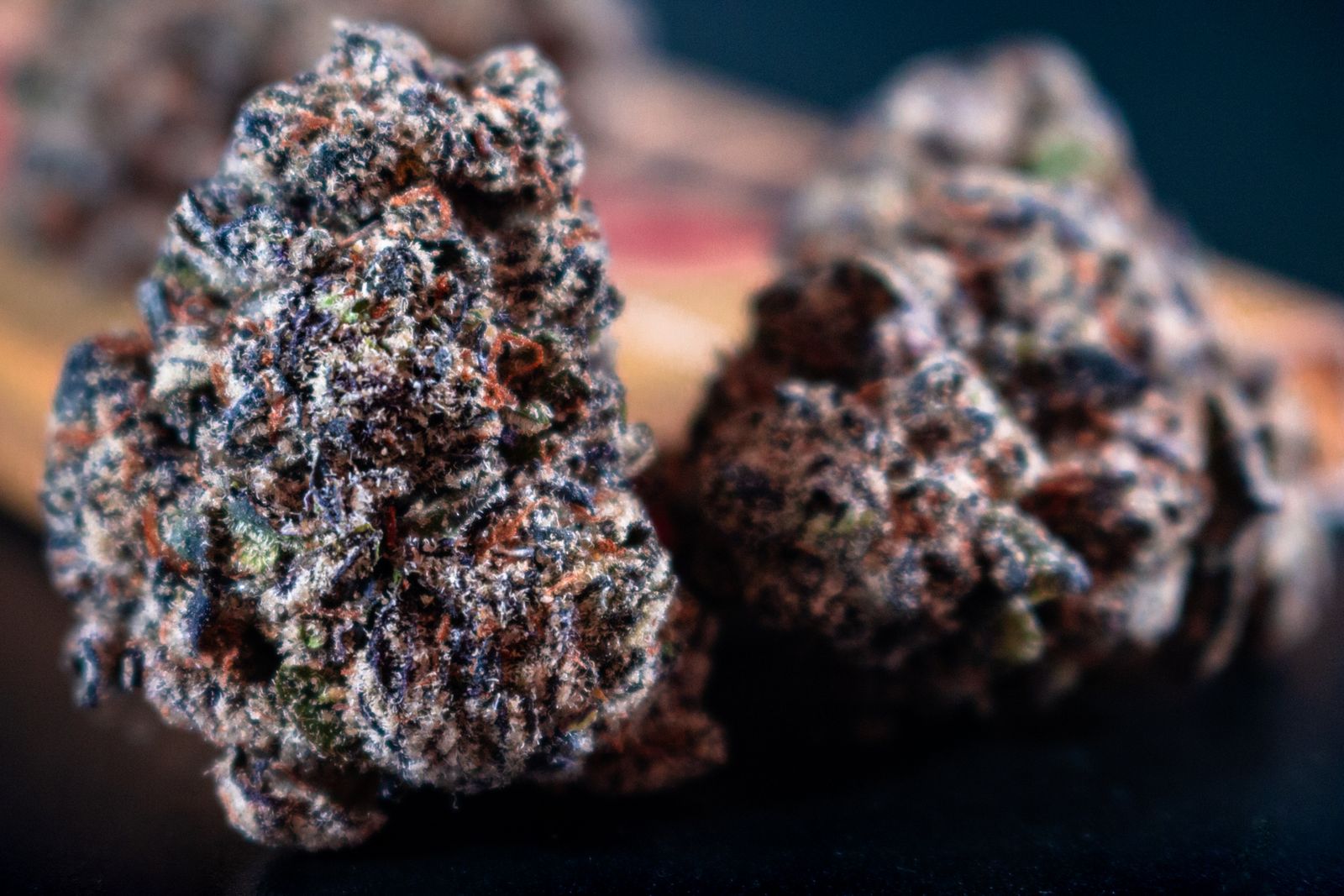
The 5 Best Blueberry Cannabis Strains To Grow Indoors
Find the best blueberry weed strains to grow indoors, including Blue Dream, Blueberry Cheesecake, and more - and buy the seeds from Pacific Seed Bank.
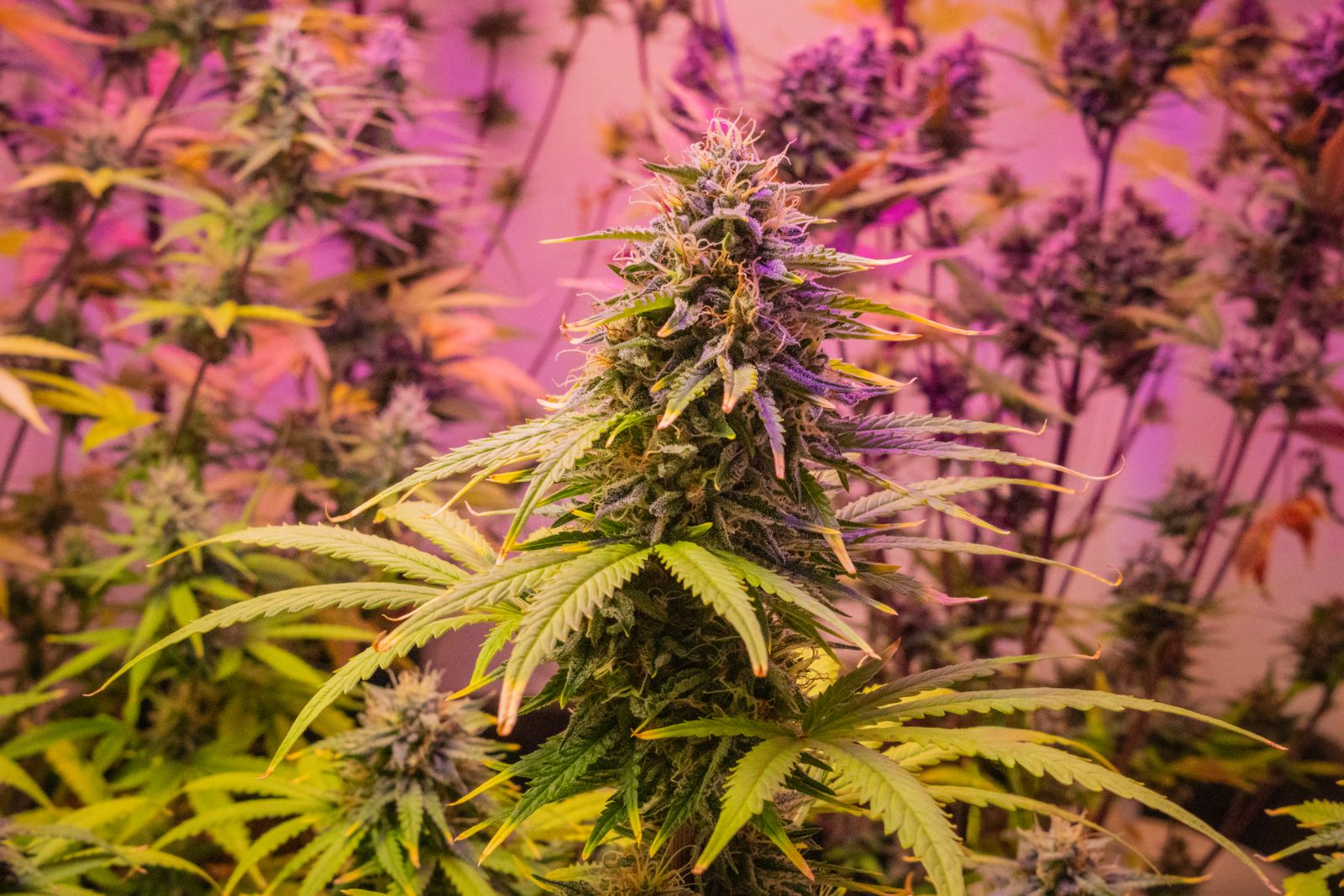
Why 5.8–6.5 Is The Ideal pH for Cannabis (And When to Adjust)
Learn why 5.8-6.5 is the ideal pH for cannabis plants, how to test your plant's pH, and how to adjust it higher or lower when you need to.
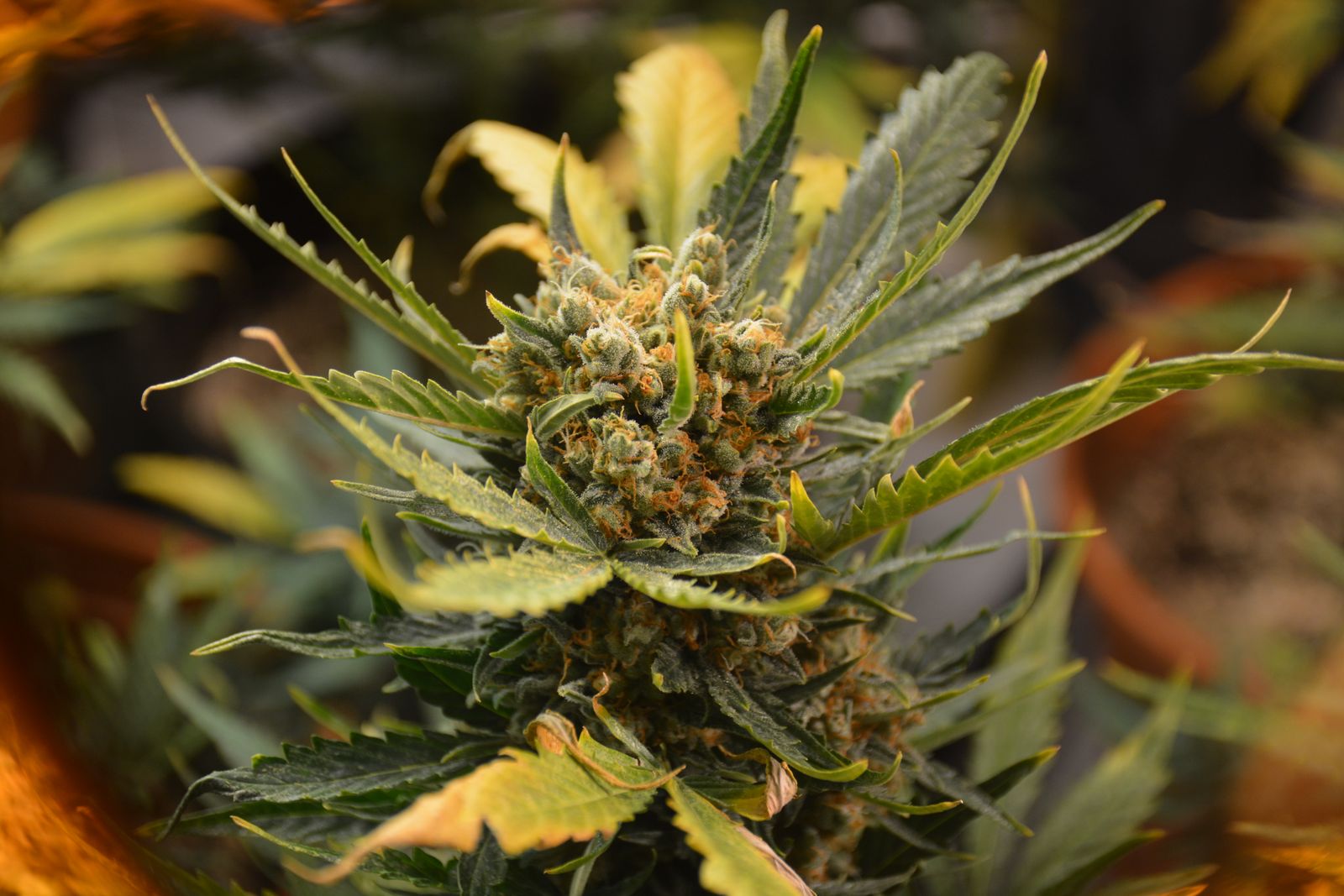
The Best Autoflowering Light Schedule For Bigger Yields
Stop guessing your autoflowering light schedule. Our guide breaks down the 18/6, 20/4, and 24/0 schedules to help you grow bigger, better plants.