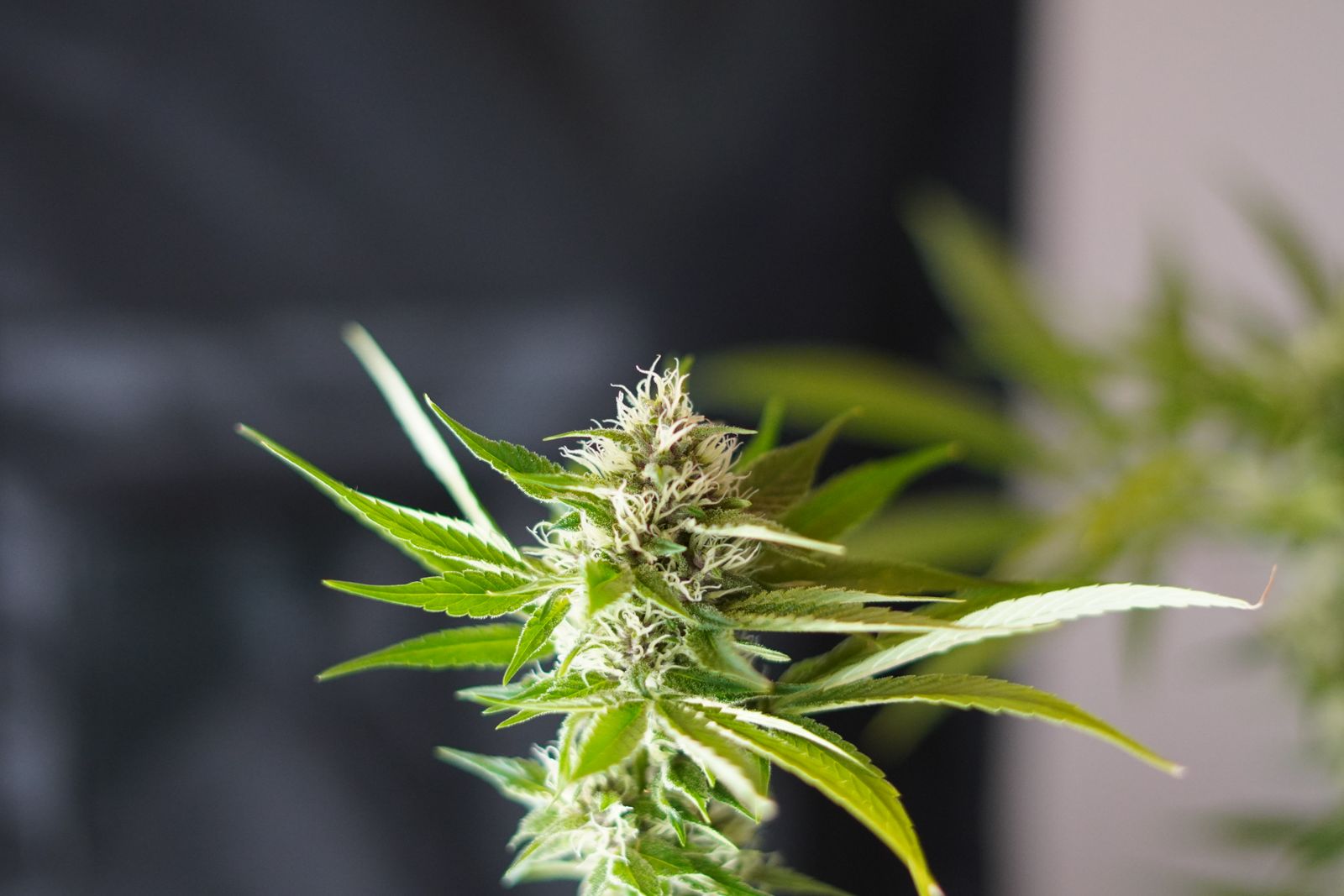
Cannabis Edibles and How to Store Them Properly
· 8 min read
Why Your Cannabis Edibles Are Probably Going Stale Right Now
Most people treat cannabis edibles the way they treat a bag of chips — tossed in a cupboard, half-forgotten, pulled out weeks later and assumed to be fine. They are not fine. The cannabinoids and terpenes that make edibles effective are bound up in oils that oxidise, degrade, and eventually go rancid, taking your therapeutic investment with them. Cannabis 2.0 opened the Canadian market to a world of edibles, extracts, and topicals in late 2019, and with that abundance came a new responsibility: understanding that these products are perishable, and that proper storage is the difference between a precise, enjoyable experience and a disappointing one.
Whether you pick up gummies at a licensed retailer or infuse your own butter from a home harvest, the rules of preservation apply equally — and they are more nuanced than most guides let on.
The Science of Degradation: What You Are Actually Protecting
Cannabis is a living, chemical-rich bio-product, and its value degrades the moment it is harvested.
The primary threat is not bacteria — it is chemistry. THC oxidises into CBN over time, a process accelerated by heat, light, and oxygen exposure. Terpenes, those volatile aromatic compounds responsible for the flavour profile of everything from a pine-forward Haze to a lemon-diesel Sativa, evaporate at room temperature far faster than most consumers realise. In an edible, the cannabis oil carrying these compounds behaves exactly like any other cooking oil: exposed to air and fluctuating temperatures, it turns rancid. Cannabis-infused cooking oils typically begin meaningful degradation within six to seven months, even under reasonably careful conditions. Improperly stored? Significantly sooner.
The practical takeaway is this: you are not just storing cannabis — you are protecting a complex matrix of cannabinoids, terpenes, and lipids from four specific enemies.
- Light — UV radiation breaks down cannabinoids rapidly; even indirect sunlight through a window is damaging over days.
- Heat — temperatures above 25°C accelerate both terpene volatilisation and oil oxidation.
- Oxygen — the oxidation of THC into the sedating, less euphoric CBN is primarily an oxygen-driven process.
- Moisture fluctuation — too dry and trichomes become brittle and powdery; too humid and mould colonises flower within days.
Understanding these four vectors shapes every storage decision that follows.
Keeping Retail-Purchased Cannabis Edibles Fresh
Think of your licensed retailer the way you think of a quality grocer. You would not buy fresh produce and leave it in a hot car for three hours, and you would not buy a premium cannabis chocolate bar and leave it on a sunny windowsill. The same instincts apply.
For Canadians purchasing edibles, beverages, or extracts under the Cannabis Act framework, packaging regulations already require child-resistant, tamper-evident containers — but resealability is not always guaranteed. Here is how to handle what you bring home:
- Resealable packaging: Follow the manufacturer's directions exactly. These packages are engineered to maintain an optimal internal atmosphere; fighting the mechanism or leaving it incompletely sealed defeats the purpose.
- Non-resealable packaging: Transfer contents immediately into an airtight glass jar — mason jars work exceptionally well and are widely available across Canada for a few dollars. Avoid plastic containers for extended storage; plastics can off-gas compounds that subtly affect flavour.
- Chocolates and baked goods: Store in an airtight container in a cool, dark cupboard. Chocolate especially absorbs ambient odours; keep it away from strongly scented pantry items.
- Gummies and hard candies: Humidity is the enemy here. A silica gel desiccant packet inside your storage container will prevent gummies from weeping or fusing together.
- Tinctures and oils: Keep bottles upright in a dark location below 20°C. The dropper mechanism introduces a small amount of air with each use; do not leave caps off for any longer than necessary.
- Infused beverages: Treat them like craft beer — refrigerate after opening, consume within 24 hours, and never freeze.
The underlying principle across every format: airtight, dark, cool, and stable. Consistency of environment matters as much as the environment itself — a product that cycles between cold and warm daily will degrade faster than one stored at a steady 18°C.
Storing Your Home-Grown Cannabis Flower
Here is where the grower's perspective diverges meaningfully from the retail consumer's. At Pacific Seed Bank, we work with home cultivators who have invested weeks of careful attention — dialling in VPD, managing canopy through LST and topping, timing defoliation, reading trichome colour under a loupe, to produce a harvest that deserves equally careful post-processing. A sloppy storage setup can undo months of skilled cultivation in a matter of days.
Assuming you have already completed your dry and cure (hanging at 15–21°C and 45–55% RH for seven to fourteen days, then jarring for a minimum cure of two to four weeks), the challenge shifts to long-term preservation of cured flower.
The Humidity Window Is Narrower Than You Think
Sixty percent relative humidity is the consensus target for stored cannabis flower, and it is worth taking seriously. Below 55% RH, trichomes desiccate and snap off during handling, taking your terpene payload with them. Above 65% RH, you are in mould territory — Botrytis cinerea in particular can colonise dense buds within 24 to 48 hours of sustained high humidity. Boveda 62% two-way humidity control packets are an inexpensive and reliable solution; one 67-gram packet handles roughly 28 grams of flower in a sealed mason jar.
Monitor your storage environment actively. A small digital hygrometer placed inside your storage cabinet is a CAD $15–20 investment that pays for itself the first time it catches a humidity spike. For more on managing humidity in enclosed growing and storage spaces, our guide on humidity in a grow tent covers the principles that translate directly to post-harvest storage.
Practical Storage Solutions for Every Harvest Size
- Small harvests (under 100 grams): Wide-mouth mason jars stored in a cool, dark cabinet or drawer. Burp jars briefly once every few days for the first two weeks to release residual moisture.
- Medium harvests (100–500 grams): Multiple labelled mason jars, or a dedicated wooden humidor lined with Spanish cedar. A classic cigar humidor repurposed for cannabis works excellently — the cedar regulates humidity passively while adding no off-flavour to properly cured bud.
- Large harvests (500 grams and up): A food-grade vacuum sealer is one of the most cost-effective tools a home grower can own. Vacuum-seal into portion-sized bags — 14 or 28 gram increments are practical — label with strain and harvest date, and open only what you need. This dramatically slows oxidation and preserves terpene profiles for six months or longer.
- Very long-term storage: Vacuum-sealed bags can be stored in a cool, dark environment without refrigeration. Avoid the freezer — ice crystal formation at the trichome level causes physical rupture of resin glands, degrading potency and aroma. If you must use a freezer for multi-year archiving, ensure buds are completely vacuum-sealed and handle them frozen, never thawed and re-frozen.
Do not store flower in plastic bags, even temporarily. Static charge in plastic pulls trichomes away from the bud surface. It is a small thing that adds up quickly across a whole harvest.
Making Your Own Edibles: Storage Starts at Infusion
For the home grower who processes their harvest into butter, oil, or tincture before cooking, storage discipline begins at the infusion stage — not afterward.
Cannabis-infused coconut oil and clarified butter (ghee) have among the best shelf lives of any infusion base, primarily because of their high saturated fat content and resistance to oxidation. Stored in airtight glass containers in a cool, dark pantry, infused coconut oil will hold quality for three to four months; refrigerated, it extends to six months or beyond. Infusions made with olive oil, by contrast, should be used within two to three months even refrigerated, because the polyunsaturated content oxidises faster.
When storing homemade edibles — baked goods, chocolates, confections, apply the same logic as retail product storage, with one additional consideration: your homemade item lacks the preservatives and precise moisture-barrier packaging of commercial products. Baked cannabis goods are best stored in airtight containers for no longer than five to seven days at room temperature, two weeks refrigerated, or up to three months vacuum-sealed in a freezer. Label everything clearly with the infusion strength and date, this is not just best practice, it is responsible use under Canada's Cannabis Act framework, which places the responsibility for safe home storage squarely on the licence holder.
Strain Selection and How It Affects Storage
Not all flower stores equally well, and the cultivar you choose has real implications for how long your harvest will hold its character.
High-terpene cultivars — particularly those expressing strong myrcene, limonene, or terpinolene profiles, are more volatile than lower-terpene varieties, and their aromatic intensity fades faster under identical storage conditions. This is not a reason to avoid them; it is a reason to store them with extra care and consume them first from a mixed harvest. Dense, resin-heavy indica-dominant phenotypes generally hold their terpene and cannabinoid profiles better over time than airy, open-structured sativa phenotypes, which have greater surface area exposed to oxidation.
From a home-growing perspective, the Marijuana Education resources available through our blog are a good starting point for understanding how different cultivars express under Canadian growing conditions — from photoperiod varieties that reward patient canopy management to autoflowering strains whose fast seed-to-harvest timelines mean you can keep your storage relatively short by simply growing in rotation.
The comparison worth making: a well-stored mid-shelf cultivar kept at ideal conditions for six months will almost always outperform a premium strain stored carelessly for six weeks. Genetics set the ceiling — storage determines how close you get to it.
The Bottom Line on Cannabis Storage
Cannabis is not a shelf-stable product, and treating it like one is the single most common mistake made by both new and experienced consumers. The cannabinoids that provide therapeutic and recreational effect, and the terpenes that give each strain its distinctive character, are fragile compounds that respond badly to light, heat, oxygen, and humidity extremes. Protecting them is not complicated — it simply requires intentionality.
Keep it airtight. Keep it dark. Keep it cool. Keep the humidity steady at 60%. Label everything with strain and date. Consume your most aromatic, terpene-rich cultivars first, and vacuum-seal anything destined for long-term storage. Whether you are pulling a gummy from a licensed retailer's resealable pouch or cracking open a mason jar of home-grown, properly cured flower, the goal is the same: delivering a product to your body that is as close as possible to its peak chemical composition. That is the standard worth holding.
Keep Reading
Do Pot Seeds Go Bad? The Real Scoop on Seed Shelf Life
Do pot seeds go bad? Yup. Find out how long cannabis seeds last, how to spot bad ones, and the best storage tricks to keep your seeds viable for years.
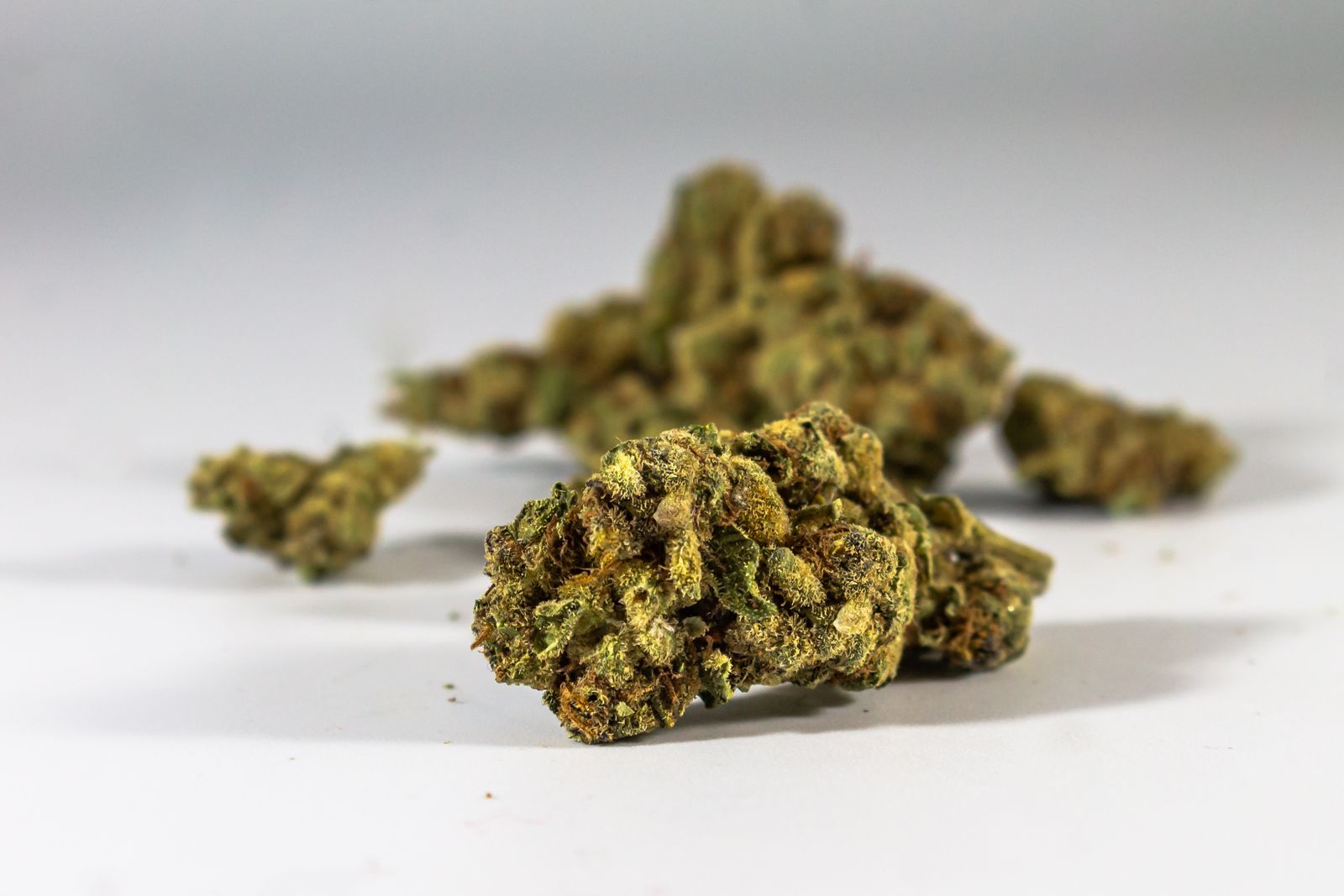
Cannabis Terms Explained: Vocabulary For New Growers
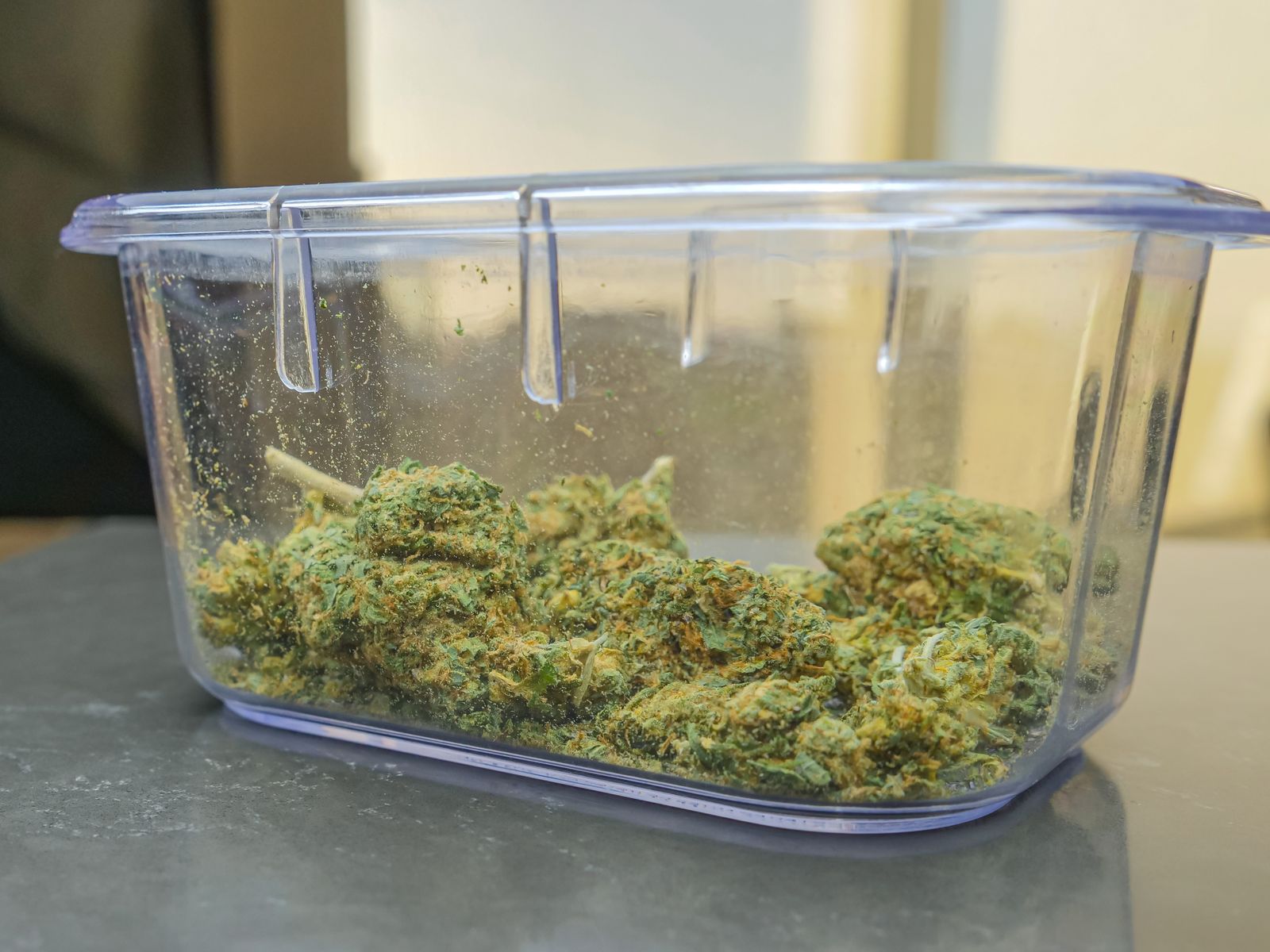
Cannabis Seed Storage Tips for Maximum Shelf Life