What Are Micro Cultivators? The Full Picture on Small-Scale Growing
· 10 min read · Updated May 14, 2026
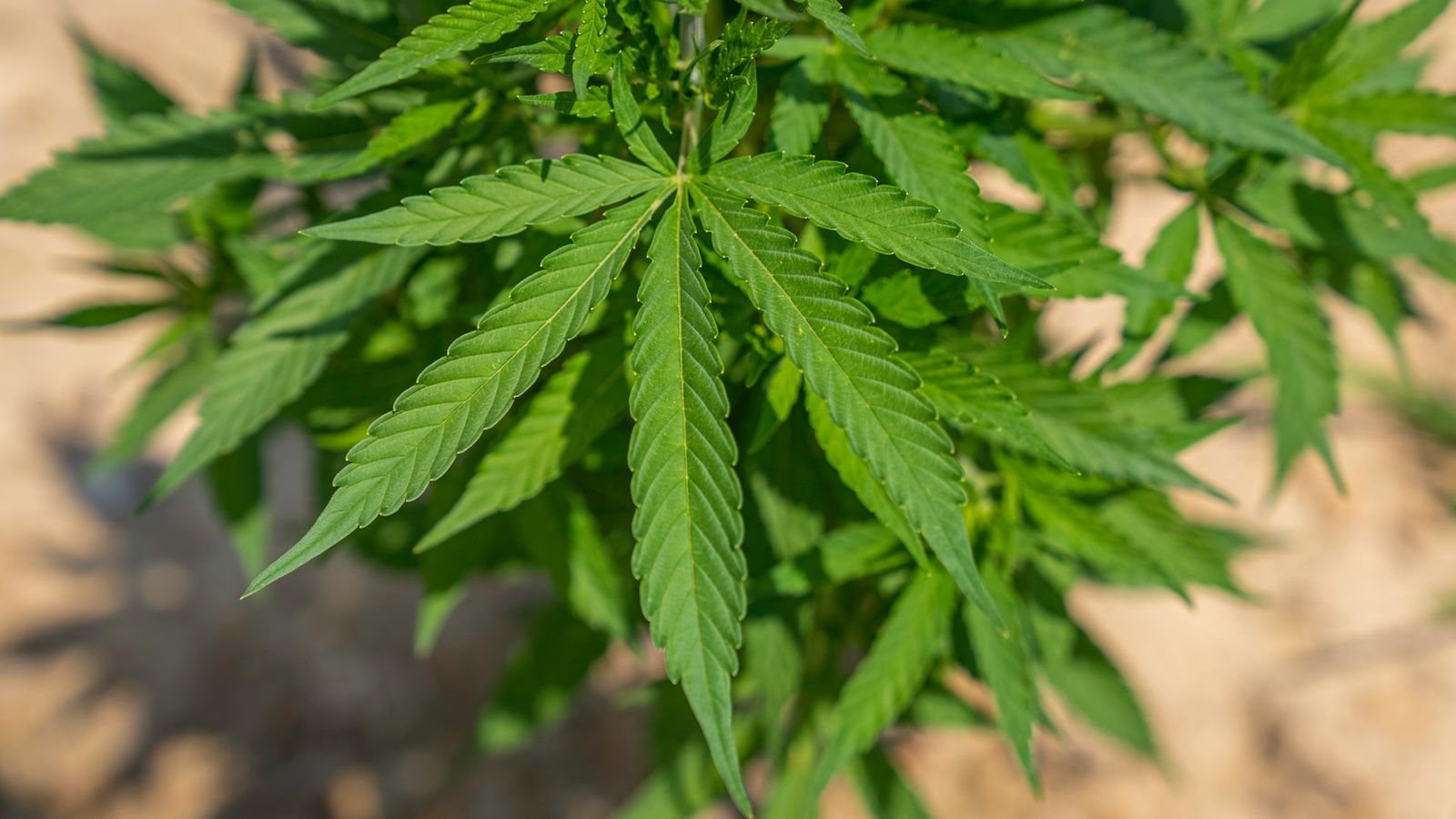
Canada's regulated cannabis market has spawned an unexpected revolution — not in the direction of bigger warehouses and industrial-scale automation, but toward smaller, sharper, more intentional grows. Micro-cultivation is that revolution, and understanding it means understanding where the most exciting cannabis in the country is actually coming from.
What Is Micro-Cultivation, Exactly?
Forget the image of miniature plants tended by tweezers under a jeweller's loupe. Micro-cultivation is defined in serious horticultural circles as a skilled practice focused on achieving maximum yields of cannabis within a deliberately limited indoor footprint. It is precision over scale — the art of coaxing exceptional results from constrained square footage through superior technique, attentive plant management, and an intimate knowledge of each cultivar being grown.
Under Canada's Cannabis Act, Health Canada created a distinct micro-cultivation licence category specifically to lower the barrier to entry into the regulated market. Indoor grows operating under this licence are capped at a comparatively modest canopy area, which makes startup costs a fraction of what a standard cultivation licence demands. The result is a licensing pathway that a skilled individual grower or small partnership can realistically pursue — something a 40,000-square-foot commercial grow house cannot offer.
That size restriction, counterintuitively, becomes the micro-cultivator's greatest competitive advantage. Smaller footprint means lower overhead on rent, utilities, and staffing. It also means the person making cultivation decisions is almost always the same person with their hands in the soil, monitoring vapour pressure deficit at canopy level and catching a pest problem on day one rather than week three.
It is worth noting clearly: this article is an educational overview of micro-cultivation as a practice and a market force. The specifics of applying for a Health Canada micro-cultivation licence — fees, security requirements, provincial distribution agreements, vary by province and are best researched directly through official federal and provincial regulatory sources relevant to where you live.
The Craft Cannabis Movement and Why Consumers Are Driving It
The parallel to craft brewing is not incidental — it is instructive.
When the first wave of small-batch microbreweries began challenging the macro-beer duopoly in the 1990s, industry analysts predicted they would remain a niche curiosity. Instead, craft beer redefined consumer expectations across the entire category. The same dynamic is playing out in cannabis right now, and micro-cultivators are the brewmasters in this analogy.
Consumers walking into a licensed cannabis retailer today face a meaningful choice: a mass-produced product that was grown by the thousands of kilograms under standardised conditions and prioritised consistency and margin, or a small-batch product that has been bred for its unique smell, flavour, and targeted effect profile — something a skilled micro-cultivator spent weeks dialling in through defoliation timing, precise nutrient ratios, and a harvest window timed to trichome colour rather than a logistics calendar. The answer, for a growing segment of Canadian cannabis buyers, is increasingly the latter.
What craft signals to a consumer:
- Provenance and transparency — knowing who grew it, where, and under what conditions
- Terpene complexity — small-batch grows allow growers to protect volatile aromatics through careful dry-and-cure protocols that large operations often compress for throughput
- Phenotype selection — micro-cultivators can hunt phenotypes across a run of seeds and select only the most expressive plants, something impossible at industrial scale
- Local identity — a micro-cultivator in the Okanagan, on Vancouver Island, or in the Quebec Eastern Townships can express terroir and regional character in a way a national brand simply cannot
This is not nostalgia or marketing language. It reflects real horticultural outcomes. A grower tending 50 plants is able to catch a magnesium deficiency, a light-burn hot spot, or a developing botrytis infection before it becomes a crop-wide problem. Attention scales inversely with canopy size, and that attention shows up directly in the final product's cannabinoid and terpene profile.
Micro Cultivators Versus Macro Cultivators: A Genuine Comparison
This is not a critique of large-scale licensed producers. Canada's macro-cultivators serve an essential function in the regulated market, and the relationship between the two tiers is more symbiotic than competitive. But the differences in what each can do are real and worth understanding clearly.
What micro-cultivators can do that macro operations structurally cannot:
- Dedicate hands-on daily attention to individual plants, adjusting feeding, training, and environment in real time
- Grow genuinely rare or experimental cultivars in small quantities without the financial exposure of planting an entire production bay with an untested strain
- Execute advanced canopy training techniques — low-stress training (LST), topping, SCROG nets — on every single plant rather than relying on uniform untrained growth for harvest-machine compatibility
- Harvest in multiple small passes, cutting each cola at peak trichome maturity rather than clearing an entire room on a fixed date
- Build direct relationships with local retailers and consumers, creating brand loyalty rooted in genuine provenance
- Iterate rapidly — a micro-cultivator can trial a new strain, evaluate it, and adjust their genetics lineup within a single season
Where macro-cultivators hold structural advantages is equally clear: price per gram at retail, volume supply agreements with provincial distribution bodies like the OCS, BCLDB, or SQDC, and the capital to invest in proprietary genetics R&D at scale. A small craft producer in Kelowna cannot supply the entire British Columbia market — but they can supply the 12 dispensaries within 100 kilometres of them with an exceptionally consistent, locally beloved product.
The symbiosis emerges here: micro-cultivators often rely on larger licensed distributors and wholesalers to access provincial supply chains, while the larger producers and the retail market benefit from the innovation and consumer excitement that craft growers generate. Specialty genetics developed and proven at micro scale frequently influence what the broader market pursues in subsequent seasons. Neither tier thrives in complete isolation from the other.
The Technical Realities of Growing Well in Small Spaces
Micro-cultivation is not simply growing less cannabis. It is growing cannabis better, under tighter environmental control, with techniques that would be impractical at industrial scale. Understanding these methods reveals why the product quality ceiling for a skilled micro-cultivator exceeds what most macro operations can consistently achieve.
The core environmental variables that determine cannabis quality — and that small-space growers can actually control precisely, are:
- Vapour Pressure Deficit (VPD) — maintaining 0.8–1.2 kPa during vegetative growth and 1.2–1.6 kPa during late flower drives transpiration rates that optimise nutrient uptake and resin production. In a small sealed grow tent or dedicated room, hitting these targets consistently is achievable. In a 10,000-square-foot warehouse, microclimates within the canopy may vary wildly.
- Light intensity and spectrum — modern full-spectrum LEDs allow micro-cultivators to dial PPFD (photosynthetic photon flux density) to 800–1,000 µmol/m²/s during flower, pushing potency without the heat stress that would compound across a large room. Cost per watt at small scale is now genuinely competitive.
- Nutrient precision — hand-mixing nutrient solutions for a small reservoir means a grower can adjust calcium-to-magnesium ratios, boost phosphorus in weeks 4–6 of flower, and taper nitrogen sharply in the final two weeks — a flush and finish protocol that improves smoke quality dramatically compared to automated dosing systems calibrated for average plant needs.
- Training methodology — LST combined with selective topping and a SCROG net distributes light across an even canopy, converting a single plant into 8–12 productive colas. At micro scale, every plant can receive this treatment. Yields of 400–600 g/m² are realistic under a properly managed SCROG versus 250–350 g/m² from untrained plants under the same light.
- Harvest timing — reading trichomes under a jeweller's loupe or digital microscope and harvesting at 10–20% amber (depending on desired effect profile) is a labour-intensive, per-plant decision. For a micro-cultivator with 30 plants, it is feasible. For a macro operation harvesting a 500-plant room, it is not.
- Drying and curing — slow-drying at 18–21°C and 55–62% relative humidity over 10–14 days, followed by a 4–8 week cure in sealed containers burped daily, preserves the terpene fraction that distinguishes exceptional flower from commodity cannabis. This process requires careful monitoring that micro-cultivators can provide and that high-volume operations routinely abbreviate.
Each of these variables compounds. A grower who executes all six well produces cannabis that is categorically different from a standardised industrial crop — more potent, more aromatic, and more reliably consistent batch to batch.
At-Home Micro-Cultivation: The Personal Grower's Angle
Not every micro-cultivator is pursuing a Health Canada licence or a retail supply agreement. Under the Cannabis Act, Canadian adults are legally permitted to cultivate up to four cannabis plants per household for personal use — and those four plants, tended with real skill, are their own form of micro-cultivation.
A basement grow tent measuring 1.2 × 1.2 metres is enough space to produce a meaningful personal harvest. A spare bedroom corner. A well-ventilated closet. These are genuine micro-cultivation setups, and the same principles of VPD management, training technique, and harvest timing that apply to a licensed craft producer apply equally here.
For at-home growers working in compact spaces, autoflowering seeds are especially great for several reasons that compound when space and time are constrained. Autos flower based on age rather than light cycle, meaning there is no need to manage 18/6 and 12/12 photoperiods or worry about light leaks triggering premature flowering. Most autoflowering varieties complete their full lifecycle — from seed to harvest, in 70–90 days. They stay compact, typically reaching 60–100 cm, making them well suited to a grow tent or a balcony grow in a Canadian urban setting. They also express strong resistance to environmental stress and fluctuating temperatures, which matters enormously for a first-time grower still learning to manage their microclimate.
The personal grower's advantage mirrors the craft producer's advantage at smaller scale: you choose exactly which cultivars to grow, you set the quality standard, and — most importantly, you are the one doing the tasting. Experimenting with a resinous, terpene-forward cultivar in your own home setup is genuinely analogous to homebrewing a small-batch IPA with a hop combination you designed yourself. The learning curve is steep and enjoyable, and the reward is flower tailored precisely to your preferences.
Strain Selection: Where Micro-Cultivation Shines Brightest
The greatest expression of micro-cultivation's potential comes through strain selection. Large-scale operations tend to anchor their production in proven, high-yielding, broadly appealing cultivars — strains selected as much for harvest-machine compatibility and consistent cannabinoid percentages as for any sensory quality. Micro-cultivators have no such constraint.
A micro-cultivator can dedicate a full run to a slow-finishing, low-yielding cultivar with an extraordinary terpene profile — a myrcene-and-caryophyllene-dominant indica that produces only 300 g/m² but delivers a flavour complexity no commodity crop can match. They can hunt phenotypes within a batch of feminized seeds, keep the two or three plants that express the most vivid aroma and structure, and clone them into a house cultivar that becomes the signature of their brand.
They can also experiment with newer autoflowering genetics that combine the convenience of ruderalis heritage with the cannabinoid and terpene profiles of world-class photoperiod strains — cultivars that finish in under 80 days, reach THC levels in the 20–24% range, and produce terpene arrays that rival anything in the photoperiod category. The genetic quality available to Canadian growers today, across both feminized and autoflowering categories, makes this kind of intentional, exploratory cultivation more rewarding than it has ever been.
This freedom to specialise — to grow the unusual, the regionally specific, the botanically interesting, is the defining characteristic of micro-cultivation as a practice. It is what separates a micro-cultivator from someone simply growing a smaller quantity of the same commodity product. The constraint of scale becomes, in skilled hands, a licence for quality that the mass market structurally cannot replicate.
The Bigger Picture
Micro-cultivation matters because quality cannabis matters — and because the most reliable path to exceptional quality runs through small-scale, attentive, technically skilled growing. Whether that growing happens in a licensed craft facility supplying a network of provincial retailers, or in a basement grow tent under four plants and a well-tuned LED, the underlying practice is the same: maximising the potential of each plant through expertise, attention, and genuine care for the craft.
Canada's regulatory framework, for all its complexity, created something genuinely valuable when it built a micro-cultivation licensing tier accessible to serious small producers. The consumers buying craft cannabis from those producers — and the home growers putting real skill into their personal four-plant allowance, are collectively raising the floor on what Canadian cannabis can be. That is not a small thing. The macro numbers in this industry will always belong to the large producers. But the best cannabis being grown in Canada right now is, increasingly, coming from the micro side of the ledger.
Keep Reading

How Much Does It Cost To Grow Your Own Weed in Canada?
Learn the real costs of growing weed at home, including grow tents, lights, seeds, nutrients, electricity, and how much cannabis you can harvest.
The 5 Best Blueberry Cannabis Strains To Grow Indoors
Find the best blueberry weed strains to grow indoors, including Blue Dream, Blueberry Cheesecake, and more - and buy the seeds from Pacific Seed Bank.
Why 5.8–6.5 Is The Ideal pH for Cannabis (And When to Adjust)
Learn why 5.8-6.5 is the ideal pH for cannabis plants, how to test your plant's pH, and how to adjust it higher or lower when you need to.
The Best Autoflowering Light Schedule For Bigger Yields
Stop guessing your autoflowering light schedule. Our guide breaks down the 18/6, 20/4, and 24/0 schedules to help you grow bigger, better plants.