Pacific Seed Bank Canada Cannabis Seed Blog
Two growers. Same strain. One spends $300 for the season; the other drops $3,000 before a single bud forms. That gap isn't carelessness — it's the natural spread between a lean outdoor setup and a fully dialled-in indoor room. Understanding where your money actually goes is the difference between a hobby that pays for itself and one that quietly drains your wallet.
The Real Question Behind the Price Tag
A lot of people start growing cannabis thinking it's automatically cheaper than buying from a licensed retailer. Sometimes it is. Sometimes it is not.
The honest answer depends on three intersecting variables: how you grow (indoor, outdoor, or greenhouse), how much you consume on a monthly basis, and how deep you're willing to go on infrastructure. A modest outdoor run with a pair of rugged autoflowering cultivars can keep costs remarkably low — seeds, a quality potting mix, some organic amendments, and a sunny corner of your yard. Layer in a premium grow tent, a high-output LED fixture, an inline fan with carbon filtration, a VPD controller, an oscillating circulation fan, and a full line of base and supplemental nutrients, and you've built something closer to a small commercial operation, with costs to match.
That's exactly why two growers can spend wildly different amounts to produce the same gram of cannabis.
Start-Up Costs: What You're Actually Buying
First-time growers often underestimate how front-loaded cannabis cultivation is. The seeds themselves — even premium feminized or autoflowering genetics, are rarely the biggest line item. It's the supporting infrastructure that adds up.
Here's a realistic breakdown of what a first indoor grow typically requires:
- Grow tent or dedicated space: A quality 1.2 m × 1.2 m tent runs $80–$200 CAD. Avoid the cheapest options; thin canvas and weak zippers cause light leaks that can re-veg a flowering plant.
- Lighting: A mid-range quantum-board LED for that footprint costs $250–$500 CAD. This is the one place most experienced growers say spend the money — photon efficiency directly determines yield.
- Ventilation: An inline fan, ducting, and a carbon filter for odour control typically runs $150–$300 CAD. Under the Cannabis Act, Canadians growing at home are permitted up to four plants per residence — but your neighbours needn't know the details.
- Growing medium and containers: A high-quality peat-perlite mix or a living soil blend, plus fabric pots, will cost $40–$80 CAD per cycle.
- Nutrients: A complete three-part base line (grow, bloom, micro) plus a cal-mag supplement and a bloom booster can run $80–$200 CAD per cycle depending on brand and reservoir size.
- Environmental monitoring: A decent thermo-hygrometer is $20–$50 CAD. A full VPD controller that automates your fan speed is $150–$300 CAD and is worth every dollar once you understand how vapour-pressure deficit affects transpiration and uptake.
- Genetics: Quality seeds from a reputable Canadian seedbank typically range from $8–$20 CAD per seed depending on the cultivar and seed type.
Total first-run indoor cost: realistically $800–$1,600 CAD before your first harvest. After that, ongoing costs per cycle drop dramatically — you're mainly replenishing nutrients, growing medium, and seeds.
Outdoor and Autoflower Grows: The Budget-Friendly Path
There's a reason experienced growers keep at least one outdoor plant going every summer. The sun costs nothing, and British Columbia, Ontario, and Quebec all have climate windows that can push a vigorous sativa-leaning photoperiod to 400–600 g per plant with nothing more than amended native soil and attentive watering.
Autoflowering cultivars have transformed budget growing. Because they flower on age rather than light cycle, you can run multiple harvests between May and October in most Canadian provinces without a light-deprivation structure. A robust autoflower can yield 80–200 g per plant outdoors with minimal infrastructure: a large fabric pot (15–25 L), a quality organic soil blend, and a basic nutrient regimen.
Compare that directly with indoor photoperiod growing:
- Outdoor autoflower: ~$50–$150 CAD per cycle (excluding seeds), harvest in 70–90 days from sprout, yield highly dependent on summer weather and phenotype expression.
- Indoor photoperiod: ~$200–$500 CAD per cycle in ongoing costs (nutrients, electricity, medium), harvest in 16–24 weeks from seed, consistent quality and yield regardless of season.
- Greenhouse hybrid: Uses natural light for the vegetative stretch, supplemental lighting to trigger or extend flowering — often the best cost-per-gram ratio for serious hobbyist growers.
The greenhouse path sits in a sweet spot that many Canadian growers overlook entirely.
The Per-Gram Math: When Growing Beats Buying
Let's be precise. A gram of mid-tier flower at a Canadian licensed retailer currently sits at roughly $7–$12 CAD. Premium craft cannabis can reach $15–$20 CAD per gram. A moderate consumer using 2–3 g per day spends $5,000–$10,000 CAD annually at retail prices.
That changes everything.
An indoor grower running a 1.2 m × 1.2 m tent with a quality LED and proven genetics can realistically harvest 300–500 g every 14–18 weeks under a photoperiod schedule — or run a perpetual autoflower cycle and pull 150–250 g every 10–12 weeks. Even accounting for electricity (LEDs are remarkably efficient, a 400W fixture running 18/6 adds roughly $25–$50 CAD per month to your hydro bill depending on your province's rate), nutrients, and medium replacement, the per-gram cost for a dialled-in indoor grower typically falls between $1.50 and $4.00 CAD.
The break-even point on your initial equipment investment, for a regular consumer, usually arrives by the second or third harvest.
For a full granular look at equipment costs, consumables, electricity, and how different grow styles compare financially, the cost to grow your own weed guide breaks down every line item with real Canadian numbers.
Genetics Are Your Highest-Leverage Investment
Here's the counter-intuitive truth that separates experienced growers from beginners: spending more on seeds almost always saves money overall.
Stable, well-tested genetics express predictably. You know the stretch ratio going into flower — critical for managing canopy height in a tent. You know the feeding tolerance, the terpene profile you're working toward, and the approximate harvest window. Unstable or poorly sourced genetics introduce phenotype variance that can mean half your crop finishes two weeks behind the other half, or a plant that hermaphrodites under stress and seeds your entire room.
When choosing cultivars, match genetics to your setup:
- Compact tents (under 1.5 m height): Indica-dominant or autoflowering varieties that stay under 100 cm even when trained. Heavy topping and LST during the first three weeks of veg keeps canopy even for SCROG applications.
- Tall indoor spaces or greenhouses: Sativa-leaning hybrids and longer-flowering photoperiods can be fully expressed — expect 200–400% stretch from flip to harvest on some equatorial-lineage varieties.
- Outdoor Canadian climates: Prioritise early-finishing cultivars with mould resistance. Anything finishing before mid-October in Zone 5–6 climates avoids the autumn humidity that invites botrytis.
Training matters as much as genetics. A properly low-stress trained (LST) autoflower with its canopy spread horizontally across a 50 cm pot can outperform an untrained plant of identical genetics by 40–80% in final yield — simply by maximising light interception across the entire canopy rather than concentrating it at one apical tip.
Curing: The Step That Determines Whether Your Investment Was Worth It
You can grow perfectly — ideal VPD throughout flower, flawless nutrient EC and pH management, a textbook flush, and still undermine all of it with a poor cure. Chlorophyll breakdown, terpene preservation, and moisture equilibration all happen in the jar, not the tent.
The standard protocol remains the most reliable:
- Hang-dry whole branches at 15–18°C and 55–60% relative humidity for 10–14 days. Slower is better — rushing this phase locks in a harsh, grassy flavour.
- Trim and jar at 58–62% moisture content (a Boveda 62% pack in each jar keeps this honest).
- Burp jars twice daily for the first two weeks, then once every two to three days for weeks three and four.
- At six weeks, the enzymatic breakdown of chlorophyll is largely complete and terpene profiles are stabilised. Many cultivars — particularly those with high myrcene and linalool content — continue improving through the eight-to-twelve-week mark.
A properly cured harvest is the difference between cannabis that commands respect and cannabis that gets smoked out of obligation. Your genetics and your grow environment built the ceiling; the cure determines how close you get to it.
Keep Learning, Keep Growing
Cannabis cultivation rewards curiosity more than any other garden crop. Every cycle teaches you something — about phenotype expression, about your local microclimate, about how a particular cultivar responds to defoliation timing or a potassium-heavy late-bloom feed. The growers who make the most of their four-plant limit under the Cannabis Act are the ones who treat each run as a data point rather than just a harvest.
The Growing Marijuana section of the Pacific Seed Bank Canada blog exists precisely for that ongoing education — from first-time setup guides through to advanced topics like living soil microbiology, terpene-led harvest timing, and breed selection for specific therapeutic profiles.
Start with honest numbers, choose genetics that match your space and skill level, and invest in the fundamentals before the accessories. The rest follows naturally — one harvest at a time.
Keep Reading
How Much Does It Cost To Grow Your Own Weed in Canada?
Learn the real costs of growing weed at home, including grow tents, lights, seeds, nutrients, electricity, and how much cannabis you can harvest.
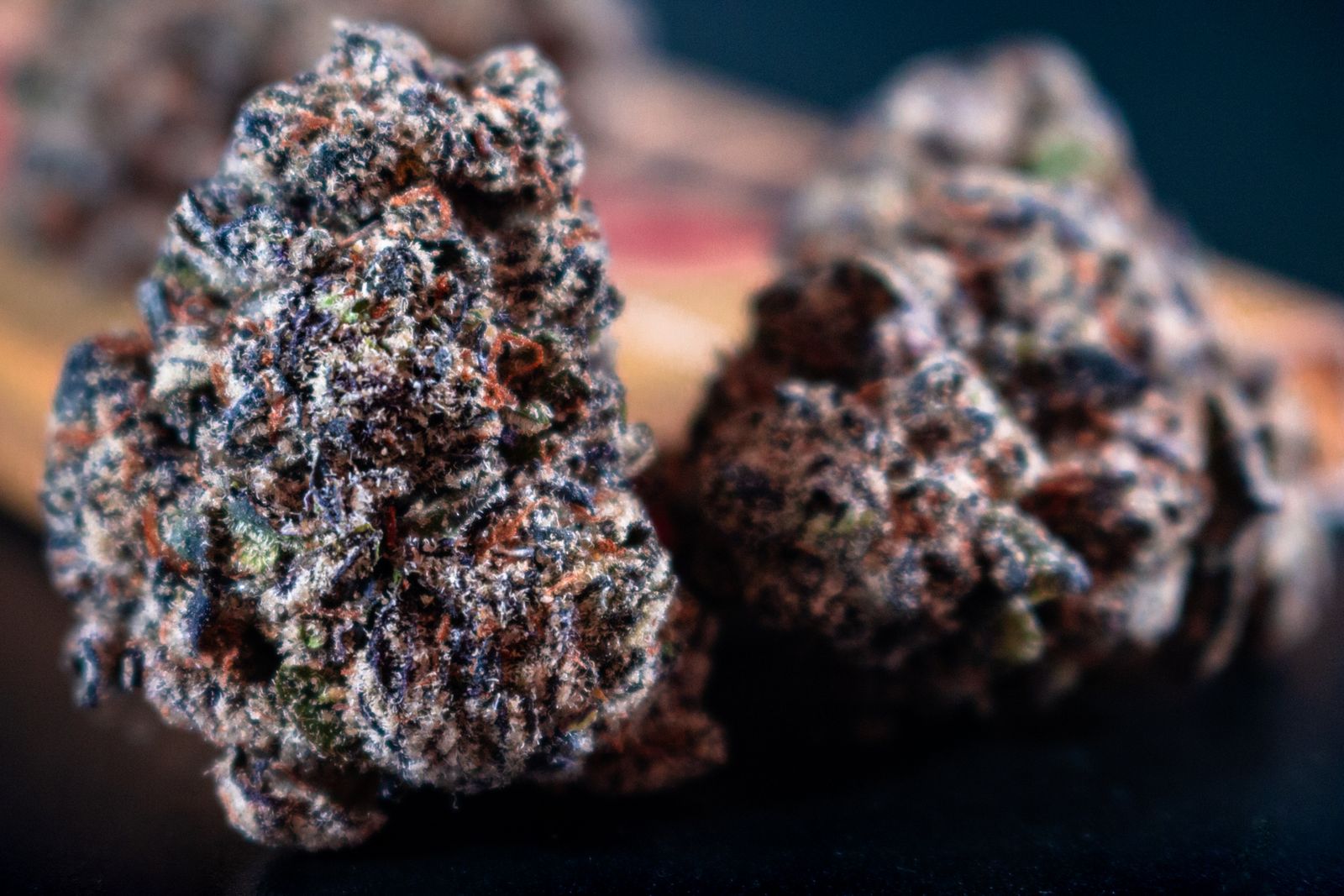
The 5 Best Blueberry Cannabis Strains To Grow Indoors
Find the best blueberry weed strains to grow indoors, including Blue Dream, Blueberry Cheesecake, and more - and buy the seeds from Pacific Seed Bank.
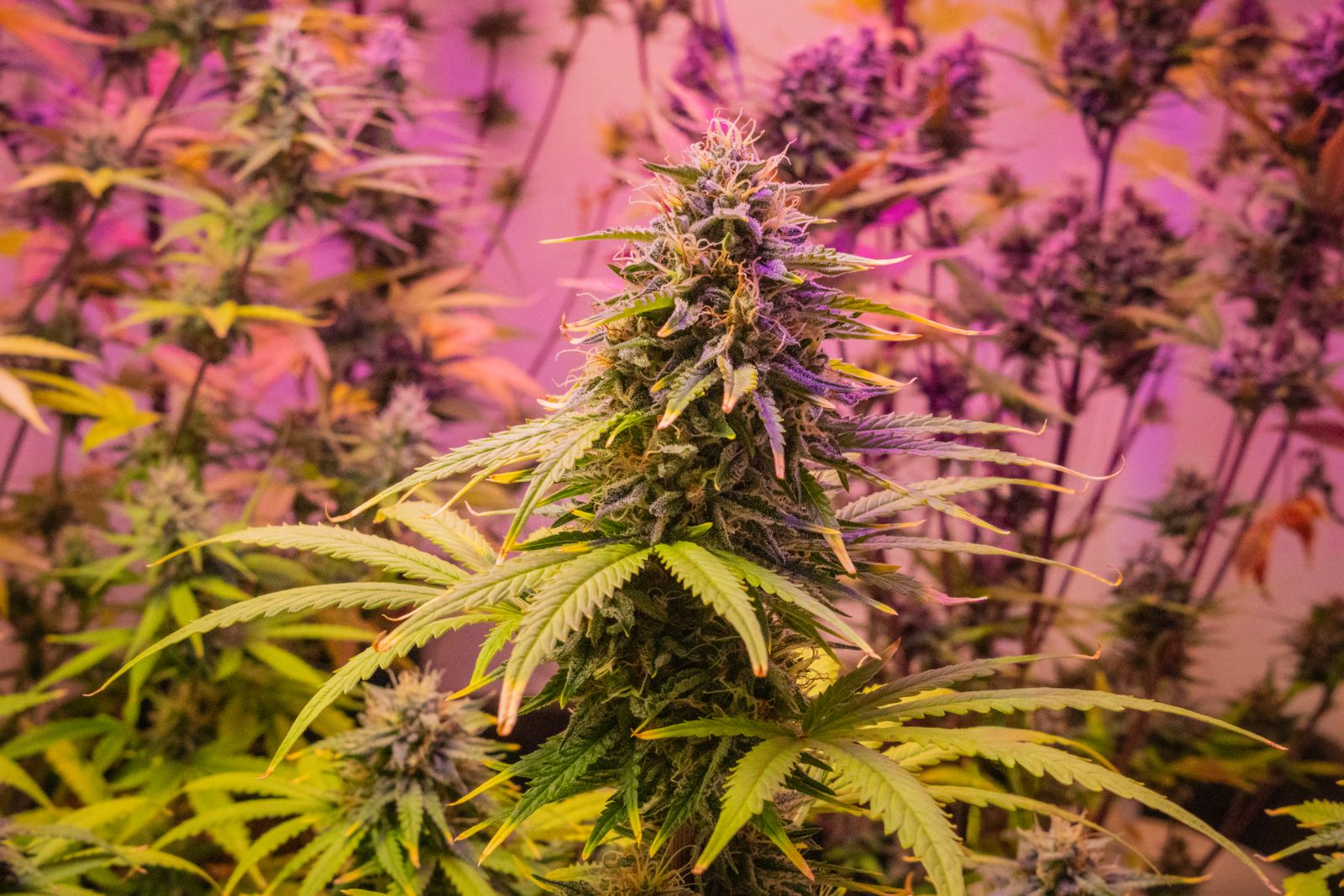
Why 5.8–6.5 Is The Ideal pH for Cannabis (And When to Adjust)
Learn why 5.8-6.5 is the ideal pH for cannabis plants, how to test your plant's pH, and how to adjust it higher or lower when you need to.
The Best Autoflowering Light Schedule For Bigger Yields
Stop guessing your autoflowering light schedule. Our guide breaks down the 18/6, 20/4, and 24/0 schedules to help you grow bigger, better plants.