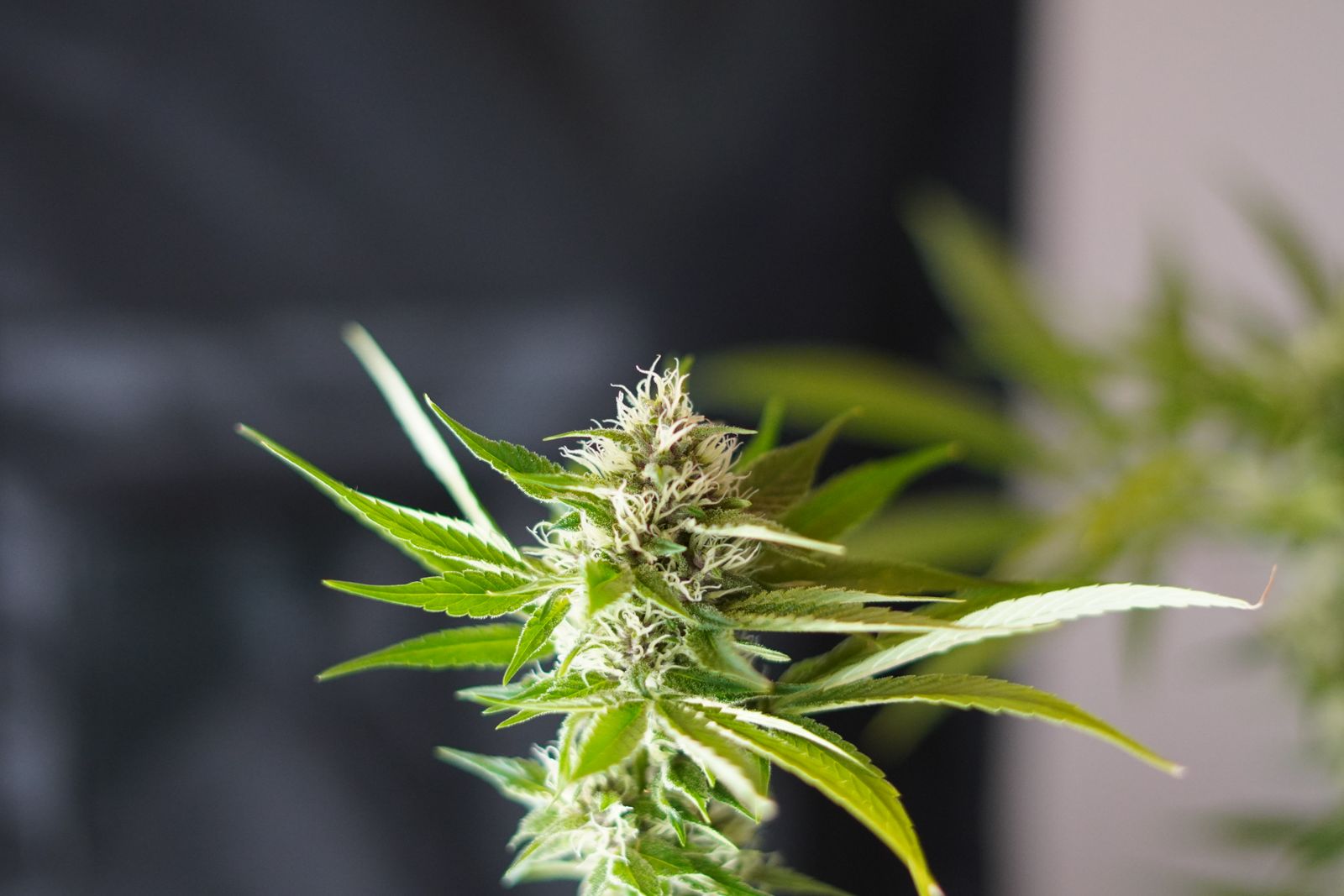
What Are Autoflowering Cannabis Seeds?
· 8 min read
Most cannabis growers lose their first crop not to bad genetics or poor nutrients, but to a photoperiod they never fully understood. Autoflowering seeds quietly solve that problem — and then some.
What "Autoflowering" Actually Means
The name tells you almost everything. An autoflowering cannabis plant transitions from vegetative growth to full flower on its own schedule, triggered by age rather than by a shift in light. That single biological distinction changes how you grow, where you grow, and how quickly you harvest.
To understand why, you need to meet Cannabis ruderalis.
Ruderalis is a wild cannabis subspecies native to the harsh, high-latitude climates of Central Asia, Russia, and Eastern Europe — regions where summers are brutally short and light schedules are unpredictable. Over millennia, ruderalis evolved a survival mechanism: it flowers not in response to light, but in response to maturity, typically after just 2 to 4 weeks of vegetative growth. This trait is called autoflowering, or more precisely, day-length independence.
Conventional cannabis — every indica, sativa, and hybrid that doesn't carry ruderalis genetics, is photoperiod-dependent. That means it will stay locked in the vegetative stage until the light cycle drops to roughly 12 hours of light and 12 hours of darkness, mimicking the shortening days of late summer. Miss that cue, or fail to replicate it indoors, and your plant simply won't flower. Autoflowering genetics bypass this requirement entirely. Cross ruderalis with a high-quality indica or sativa hybrid, isolate the autoflowering trait while preserving the flavour, potency, and yield characteristics of the parent strain, and you have a plant that practically grows itself to harvest.
The Genuine Advantages of Growing Autoflowering Seeds
Think of autoflowering genetics as built-in insurance for your grow. Here is what they concretely deliver:
- Compressed life cycle. From germination to harvest, most autoflowering strains finish in 8 to 12 weeks — well under the 16 to 24 weeks a comparable photoperiod plant can take when you factor in a full vegetative stage.
- No light-schedule management. Because the plant flowers on its own timeline, you don't have to manually switch your grow lights from an 18/6 schedule to a 12/12 schedule to trigger flowering. Many growers run autos under 18 to 20 hours of light from seed to harvest, which actually maximises photosynthesis and boosts yield.
- Reduced electricity costs. Eliminating the 12/12 flip — and the separate flowering room many photoperiod growers maintain — can meaningfully reduce your monthly hydro bill, a real consideration given Canadian electricity costs.
- Compact stature. Most autoflowering plants finish between 60 and 100 centimetres tall, making them ideal for discreet indoor grows: spare closets, small tent setups, or even a dedicated corner of a basement. Under Canada's Cannabis Act, adults are permitted to cultivate up to four plants per household for personal use, and autos make those four plants far more manageable.
- Robust resistance. Ruderalis evolved in unforgiving climates — Siberian cold, sudden frost, low humidity — and it passed that toughness on. Autoflowering hybrids tend to show strong natural resistance to mould, powdery mildew, spider mites, and early frost. For outdoor growers in shorter-season provinces like Manitoba, Saskatchewan, or Atlantic Canada, that cold-hardiness is not a bonus — it is a necessity.
- Multiple harvests per season. Outdoors, a fast autoflowering strain can be planted in late May and harvested by late July, leaving enough of the season to run a second crop before the first frost hits in September. Photoperiod plants simply can't match that cadence at Canadian latitudes.
- Favourable cannabinoid profiles for medical growers. Many autoflowering cultivars carry a higher ratio of CBD to THC than their photoperiod counterparts, a direct inheritance from the low-THC ruderalis lineage. For patients seeking relief from inflammation, anxiety, or chronic pain without significant psychoactive effect, this is a meaningful advantage worth discussing with a healthcare provider.
Understanding the Trade-offs Honestly
Autoflowering genetics are not a silver bullet. A balanced grower knows exactly where the limitations sit before making a purchasing decision.
The most cited drawback is yield per plant. Because autoflowering plants spend less time in vegetative development and top out at a compact height, individual plants typically produce less than a well-trained photoperiod plant given a full 8-week vegetative period. Serious breeders have narrowed this gap considerably over the past decade — modern autoflowering cultivars regularly deliver 400 to 600 g/m² indoors under optimal conditions, but a large photoperiod plant with an extensive canopy can still outproduce a single auto in raw grams.
The second limitation is around training techniques. High-stress training methods — topping, FIMing, or aggressive manifolding, are generally not recommended for autos. Here is why: these techniques work by redirecting the plant's energy and rely on a recovery period during the vegetative stage. Because an auto's vegetative window is so short (2 to 4 weeks), stressing the plant at the wrong moment can stunt it permanently, cutting into the very yield you were trying to maximise.
Low-stress training (LST), however, is a different story. Gently bending and tying down branches to open up the canopy — starting early in the vegetative stage, works exceptionally well with autos and can substantially improve light penetration and bud site development without the recovery cost. A screen-of-green (SCROG) setup adapted for autoflowering plants, using a low net and early training, is one of the most effective ways to push auto yields closer to those of photoperiod plants.
Compare the two types side by side:
- Autoflowering: 8–12 week total cycle, 60–100 cm height, flowers by age, LST-friendly, lower per-plant yield, resilient, beginner-accessible, multiple outdoor runs per season.
- Photoperiod: 16–24 week total cycle (or longer), 100–300+ cm height, flowers by light cycle, high-stress training viable, higher per-plant potential yield, requires precise light management, better suited to experienced growers with dedicated grow rooms.
Neither is categorically superior. They serve different growers, different spaces, and different goals.
How to Get the Most From Your Autoflowering Plants
Because autos move fast, the decisions you make in the first two weeks have an outsized impact on final yield and quality. Here is a practical sequencing for success:
- Start in the final container. Transplant shock costs time, and time is the one resource autos have least of. Germinate directly into a 3- to 5-gallon fabric pot. A light, well-aerated medium — a perlite-heavy coco or a quality peat-based mix — encourages rapid root development.
- Keep early nutrients conservative. Seedlings and young autos are sensitive to overfeeding. Start at 25% of the recommended nutrient dose and increase gradually. Nitrogen-forward formulas (higher N, lower P and K) suit the early vegetative stage; flip to a bloom-forward formula (lower N, higher P and K) as soon as you spot the first preflowers.
- Begin LST by day 14 to 18. The plant is still in its brief vegetative window. Gently bend the main stem away from centre and secure it with soft tie wire. As side branches reach upward, train them outward to create a flat, even canopy. This dramatically increases the number of bud sites receiving direct light.
- Maintain vapour pressure deficit (VPD). Seedling and vegetative stages perform best at a VPD of 0.4–0.8 kPa; mid-flower, target 1.0–1.5 kPa. Keeping VPD in range — by balancing temperature and relative humidity — reduces the risk of mould and maximises transpiration and nutrient uptake.
- Watch for harvest cues, not the calendar. Seed-to-harvest timelines are estimates. The real signal is trichome colour: cloudy white trichomes indicate peak THC; amber trichomes signal THC degrading to CBN, which produces a more sedative effect. Use a jeweller's loupe (30–60×) or a USB microscope to read the resin accurately.
- Cure properly. Dry slowly at 15–21°C and 45–55% relative humidity for 10 to 14 days, then jar-cure for a minimum of two weeks, burping daily. A proper cure converts chlorophyll, smooths the smoke, and lets the terpene profile fully express — the difference between decent homegrown and something that rivals a premium dispensary shelf.
Why Autoflowering Seeds Belong in Every Canadian Garden
Canada's climate creates a practical problem for outdoor cannabis cultivation at most latitudes. Photoperiod strains triggered by the September light shift often don't finish before the first hard frost arrives in October — or even late September in the Prairies and the North. Autoflowering genetics sidestep this entirely.
A grower in Calgary, Winnipeg, or Moncton can plant autos outdoors in late May and harvest by late July — then run a second crop through August, harvesting in early October just ahead of frost. Two full outdoor harvests at latitudes where photoperiod plants struggle to complete even one. That is a transformative advantage.
Indoors, the case is equally strong. The ability to run plants from seed to harvest on a single uninterrupted 18/6 or 20/4 light schedule, in a small tent or closet, without the complexity of a separate vegetative and flowering room, lowers the barrier to cultivation dramatically. The Cannabis Act's four-plant personal limit becomes far more productive when each of those plants turns around a harvest in under 12 weeks.
Explore more cultivation techniques and strain deep-dives across our Marjiuana Education section — whether you're dialling in your first grow or refining a system you've been running for years, there's always another layer to uncover.
Choosing Your First Autoflowering Strain
The strain you choose matters as much as the technique. Look for cultivars that have been specifically stabilised for the autoflowering trait across multiple generations — first- or second-generation auto crosses can show inconsistent flowering times and uneven phenotype expression. A well-stabilised auto will show consistent structure, predictable timing, and reliable cannabinoid levels across the entire pack of seeds.
Consider what you are growing for. If potency and a fast turnaround are the priority, lean toward indica-dominant autoflowering hybrids, which tend to finish faster and produce denser, resin-heavy buds. If you want a more energising, creative effect, sativa-leaning autos — which typically run a week or two longer but reward patience with complex terpene profiles, are worth the extra time. And if CBD content is the primary goal, look for purpose-bred high-CBD autoflowering strains that maintain the cannabidiol concentration without sacrificing the ruderalis-derived resilience.
Whatever your experience level or growing environment, Pacific Seed Bank curates its autoflowering selection with exactly these distinctions in mind — prioritising genetic stability, documented performance, and the kind of consistent results that turn a first-time grower into a confident, repeat harvester.
Autoflowering cannabis seeds don't just make growing easier. They make growing smarter — compressing timelines, reducing complexity, and widening access to high-quality homegrown cannabis for anyone willing to put a seed in soil. Start there, and the rest follows naturally.
Keep Reading
Do Pot Seeds Go Bad? The Real Scoop on Seed Shelf Life
Do pot seeds go bad? Yup. Find out how long cannabis seeds last, how to spot bad ones, and the best storage tricks to keep your seeds viable for years.
Cannabis Terms Explained: Vocabulary For New Growers
Cannabis Seed Storage Tips for Maximum Shelf Life