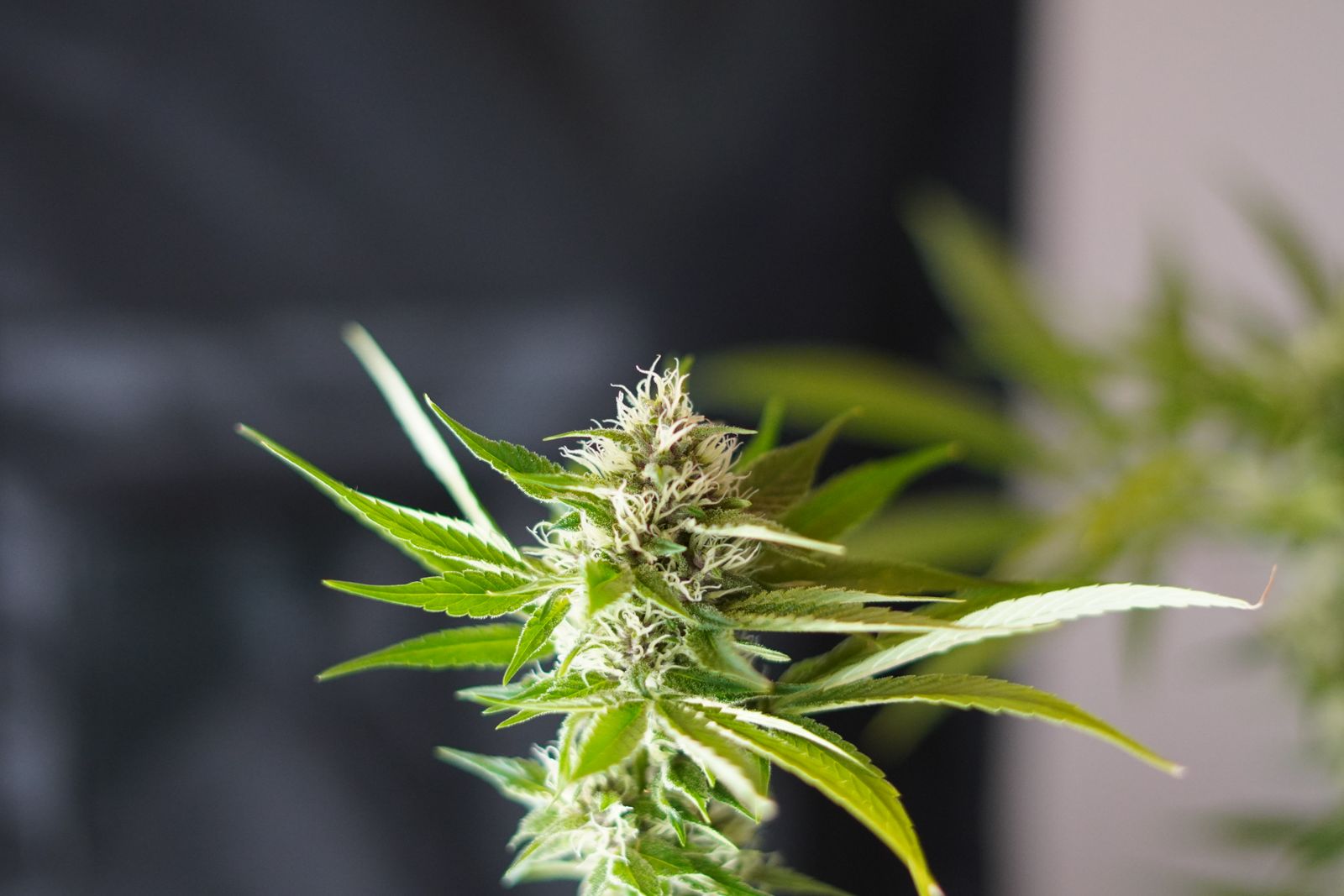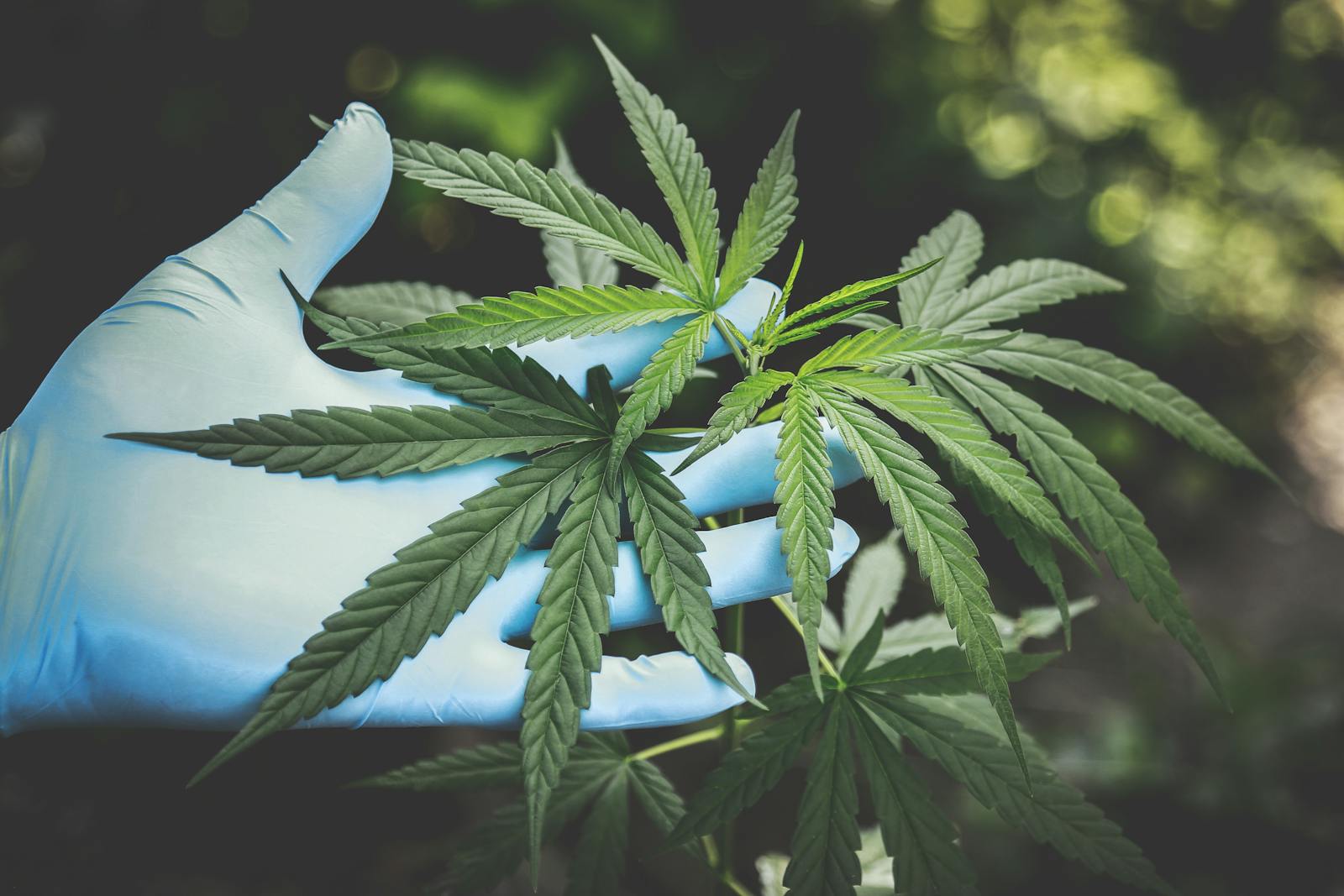
Cannabis has been used medicinally for thousands of years, yet two of its most important active compounds were only isolated in a laboratory within the last century. Today, those two molecules — tetrahydrocannabinol (THC) and cannabidiol (CBD), sit at the centre of a global conversation about plant medicine, personal freedom, and the future of healthcare. Understanding what separates them isn't just academic trivia. For Canadian growers and consumers operating under the Cannabis Act, it shapes every decision you make, from which seeds you order to how you cure your final harvest.
What Are Cannabinoids, and Where Do They Come From?
The cannabis genus contains three main species: Cannabis indica, Cannabis sativa, and Cannabis ruderalis — the last of which is sometimes grouped broadly under the term hemp. Across these three species, taxonomists and breeders have catalogued over 800 distinct varieties, and virtually every one of them produces some ratio of THC to CBD alongside a supporting cast of more than 80 other identified cannabinoids.
Ruderalis is the outlier.
Unlike its indica and sativa cousins, ruderalis produces almost no THC to speak of. It's rich in CBD and — crucially for modern breeding, it flowers automatically based on age rather than photoperiod. That trait is why ruderalis genetics underpin almost every autoflowering cultivar on the market today. Commercially, hemp-derived ruderalis has been processed into clothing, paper, biodegradable plastics, and a rapidly expanding catalogue of CBD wellness products.
Here's something that surprises many new growers: THC and CBD don't actually exist in meaningful quantities inside a living, freshly harvested plant. What the plant manufactures are their acidic precursors — THCA and CBDA. These acids are pharmacologically inactive in their raw form. It's only through decarboxylation, the application of sustained heat that drives off a carboxyl group from the molecule, that THCA converts to psychoactive THC and CBDA converts to CBD. Decarboxylation happens when you combust or vaporise flower, when you bake an edible, and, to a lesser degree, slowly and progressively during the drying and curing process after harvest. This is precisely why a long, careful cure, six to eight weeks at 60–62% relative humidity and 18–21 °C, does more than improve flavour; it genuinely refines the cannabinoid profile of your finished product.
Why THC and CBD Interact So Readily With the Human Body
The reason cannabis feels so natural to the human body is, in a sense, because it is.
Cannabinoids are structurally similar to endocannabinoids — neurotransmitters our own bodies synthesise, including anandamide (often called the "bliss molecule") and 2-AG. When researchers began investigating why THC bound so effectively to human receptors in the 1980s and 1990s, they inadvertently discovered an entire signalling system previously unknown to science: the endocannabinoid system (ECS). The ECS regulates mood, appetite, pain perception, immune response, sleep, and memory, which goes a long way toward explaining why a single plant can produce such a broad spectrum of therapeutic effects.
THC and CBD interact with this system through meaningfully different mechanisms:
- THC binds directly and with high affinity to CB1 receptors, which are concentrated in the brain and central nervous system. This direct binding is what produces the classic psychoactive "high" — altered perception, euphoria, altered time sense, and, in high doses, anxiety or paranoia in susceptible individuals.
- CBD has low binding affinity for CB1 and CB2 receptors. Instead, it modulates the ECS indirectly — inhibiting the enzyme FAAH, which normally breaks down anandamide, effectively prolonging the natural bliss signal. CBD also acts on serotonin receptors (5-HT1A) and vanilloid receptors (TRPV1), which are implicated in pain and inflammation.
- CBD can functionally antagonise THC — occupying receptor sites in a way that partially blocks THC's psychoactive action. This is why high-CBD cultivars or a CBD supplement taken alongside high-THC flower can noticeably soften an overwhelming experience.
Proponent Dr. William Courtney has argued that raw, undecarboxylated cannabis — consumed as a juice or in salads, delivers THCA and CBDA alongside a full suite of vitamins and nutrients that may support general wellness, without any psychoactive effect whatsoever. Whether you find that claim compelling or not, it underscores just how multi-dimensional this plant is.
The Fundamental Difference: Psychoactivity, Effects, and Clinical Use
Strip away the biochemistry and the distinction is elegantly simple: THC gets you high; CBD does not.
That single fact has enormous downstream consequences for growers, consumers, patients, and regulators alike. Let's break down what each cannabinoid actually does in practice:
THC: Effects and Considerations
- Euphoria and mood elevation — even modest doses (5–10 mg) reliably lift mood and promote sociability in most users.
- Appetite stimulation — the "munchies" are a well-documented CB1-mediated effect, with genuine clinical application in patients with cachexia or chemotherapy-induced nausea.
- Analgesia — THC is an effective analgesic, particularly for neuropathic pain that responds poorly to conventional pharmaceuticals.
- Impaired short-term memory and focus — one of the most consistent side effects at higher doses, making it inadvisable to consume before complex cognitive tasks or while operating heavy machinery or a vehicle.
- Anxiety and paranoia risk — dose-dependent and highly individual; some users find sativa-dominant, high-THC cultivars energising and clear-headed, while others find the same strain acutely anxiety-provoking.
- Developmental concern in young users — research consistently indicates that THC consumption before age 25 — when the prefrontal cortex is still developing — carries a measurable risk of long-term cognitive impact. This is the primary rationale behind the Cannabis Act's minimum age requirements.
CBD: Effects and Considerations
- Relaxation and anxiolysis without sedation or cognitive impairment at typical doses.
- Anti-inflammatory action, with emerging evidence in conditions from arthritis to inflammatory bowel disease.
- Anticonvulsant properties — the most rigorously documented therapeutic application, culminating in the 2018 FDA approval of Epidiolex, a pharmaceutical-grade CBD, for two rare childhood epilepsy syndromes.
- Potential antipsychotic effects — CBD is being actively researched as an adjunct treatment in schizophrenia.
- No known lethal dose in humans; minimal drug interactions at low to moderate therapeutic doses, though higher doses can interact with CYP450-metabolised pharmaceuticals.
The most compelling real-world illustration of CBD's potential is Charlotte's Web, a cultivar engineered specifically for Charlotte Figi, a young Colorado girl who was experiencing nearly 300 grand mal seizures per week. The strain was bred to contain almost exclusively CBD with negligible THC — and her seizure frequency dropped dramatically after she began receiving the oil. Her story, and the advocacy of her family, accelerated both regulatory reform and mainstream acceptance of CBD medicine globally, and it remains one of the most cited cases in the history of medical cannabis.
Comparing THC and CBD at a Glance
Growers selecting genetics often need a fast reference point. THC-dominant cultivars and CBD-dominant cultivars serve fundamentally different purposes, and the choice cascades into decisions about nutrient scheduling, harvest timing, and end-use market.
A THC-dominant feminised cultivar like a potent OG Kush or a classic Northern Lights — the indica-leaning Afghan-Thai legend, will typically express 18–28% THC with less than 1% CBD, require 8–10 weeks of flowering, and demand attentive defoliation and late-stage phosphorus-heavy feeding to maximise resin production. The goal is dense, trichome-laden buds harvested at peak cloudy-to-amber trichome maturity.
A CBD-dominant cultivar, by contrast, might express 10–18% CBD with THC held deliberately below 0.3% (the threshold that distinguishes industrial hemp from regulated cannabis under federal frameworks in both Canada and the United States). These plants are often harvested slightly earlier — when trichomes are predominantly cloudy, to preserve the lighter, more functional cannabinoid and terpene profile without accumulating excessive THC through over-ripening.
The most nuanced option is a balanced 1:1 cultivar, which delivers roughly equal parts THC and CBD — an increasingly popular format for medical patients who want the analgesic and mood-lifting properties of THC tempered by CBD's moderating influence. Many patients and recreational users report that a 1:1 ratio offers the most forgiving, functional experience, particularly for daytime use.
The Law Prefers CBD — and Canada Led the Way
Marijuana advocates spent decades fighting for the normalisation of cannabis in Canada, and their persistence paid off in October 2018 when the Cannabis Act came into force — making Canada one of the first countries in the world to legalise recreational cannabis at the national level. It was a landmark moment, and the regulatory framework Canada built has since been studied and partially emulated by jurisdictions around the world.
The legal landscape for THC and CBD, however, remains asymmetrical.
CBD has consistently attracted lighter regulatory treatment than THC, both here and internationally. Even before full legalisation, Health Canada maintained a medical access framework that accommodated CBD-rich products. Today, hemp-derived CBD with THC below 0.3% exists in a relatively accessible regulatory space, appearing in everything from licensed dispensary oils and capsules to wellness products sold in health food stores across the country.
THC products remain tightly regulated under the Cannabis Act. Licensed retailers must track inventory, verify age, and comply with strict packaging and marketing rules designed to limit appeal to youth — including the Cannabis Act's near-total prohibition on lifestyle branding and celebrity endorsement. These aren't arbitrary restrictions; they reflect a genuine ongoing scientific conversation about THC's dose-dependent risks, particularly for developing brains and for individuals with predisposition to psychosis.
Provincial and territorial governments layer additional rules on top of the federal framework. British Columbia, Ontario, Quebec, and Alberta each regulate retail access differently, and minimum purchase ages vary between 18 and 19. The Canadian government has committed to reviewing the Act's provisions regularly as the research base expands — and the science, frankly, continues to advance faster than any regulatory cycle can comfortably track.
What This Means for Your Garden
Every seed you plant is a decision about cannabinoid chemistry.
If you're growing primarily for recreational use or for maximum yield of psychoactive product, your selection criteria will centre on THC percentage, terpene profile (myrcene, limonene, and caryophyllene all modulate the THC experience through the entourage effect), and whether a feminised photoperiod or autoflowering format suits your space and schedule. Autoflowering genetics — bred with ruderalis heritage, are particularly well-suited to Canada's shorter outdoor season, capable of completing their entire life cycle from seed to harvest in 70–85 days regardless of light hours.
If you're growing for therapeutic purposes — your own, or for a designated patient under the personal cultivation provisions of the Cannabis Act, CBD content may matter as much or more than THC. Look for cultivars with verified cannabinoid testing data, stable phenotype expression across multiple grows, and a terpene profile that complements the intended therapeutic application. Linalool and beta-caryophyllene, for example, contribute to relaxation and anti-inflammatory effects that work synergistically with CBD.
And if you simply want to understand the plant more deeply, our Marijuana Education library covers everything from soil science to harvest timing — because the more you know about what's happening at the molecular level, the better every grow becomes.
THC and CBD are not rivals. They are complementary tools — each remarkable in its own right, most powerful in thoughtful combination. The grower who understands both is the grower who can make informed decisions: about genetics, about cultivation method, about harvest timing, and ultimately about the experience or outcome they're working toward. That knowledge is the difference between growing cannabis and mastering it.
Keep Reading
Do Pot Seeds Go Bad? The Real Scoop on Seed Shelf Life
Do pot seeds go bad? Yup. Find out how long cannabis seeds last, how to spot bad ones, and the best storage tricks to keep your seeds viable for years.
Cannabis Terms Explained: Vocabulary For New Growers
Cannabis Seed Storage Tips for Maximum Shelf Life