New Study: Could Marijuana Prevent Coronavirus?
· 8 min read · Updated May 14, 2026
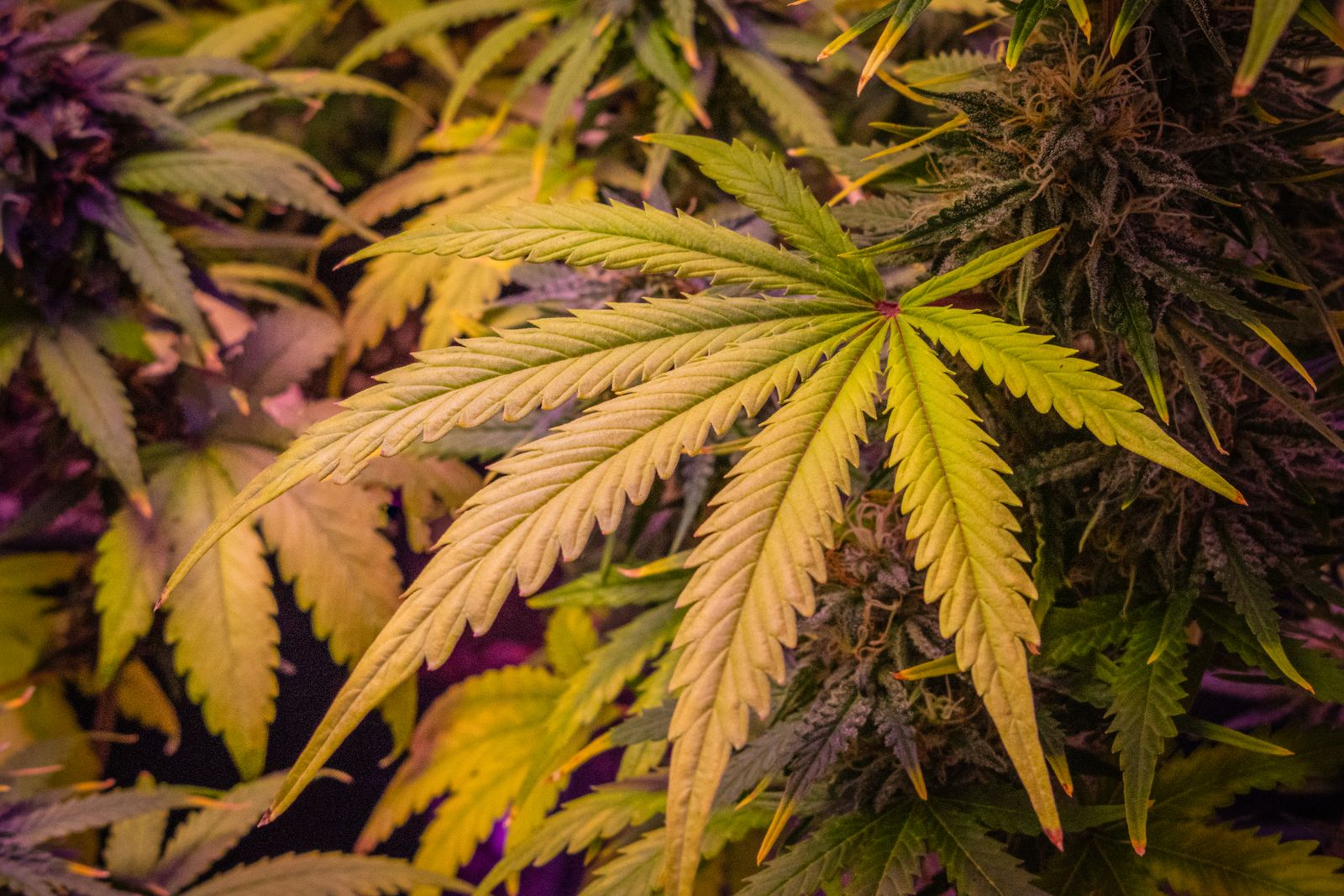
Thirteen cannabis cultivars. That's how many high-CBD sativa-leaning varieties University of Lethbridge researchers identified — out of roughly 800 tested, as potentially capable of modulating the ACE2 receptor pathways that SARS-CoV-2 uses to invade human cells. It is a narrow slice of the plant kingdom, the science is preliminary, and the caveats are real. But for a country that already lives under the Cannabis Act, the question it raises is genuinely worth exploring: could a plant we already grow, regulate, and consume hold even a partial key to one of the most consequential viral outbreaks in modern memory?
The Treatment Landscape When the Pandemic Broke
In the first weeks of coronavirus, the medical consensus was blunt and demoralising: no approved cure, no vaccine, no proven treatment. Researchers and clinicians were working at extraordinary speed, but the honest answer from every credible institution was the same — we don't have anything yet.
Over the months that followed, a short list of candidate compounds cycled through the headlines with varying degrees of credibility and controversy:
- Remdesivir — an antiviral initially developed for Ebola, repurposed and studied for COVID-19
- Hydroxychloroquine — an antimalarial that generated enormous political noise before evidence undercut it
- Chloroquine — a related compound with a similar arc
- Azithromycin — a broad-spectrum antibiotic sometimes paired with the above
- Convalescent plasma — transfusing antibodies from recovered patients into the critically ill
- Actemra (Tocilizumab) — an interleukin-6 inhibitor explored for cytokine storm management
As pharmacist-run resource GoodRx noted at the time, none of these had formal regulatory approval as a coronavirus treatment. They were investigational. They were hopeful leads. They were emphatically not finish lines. Which is precisely the framing we need to carry into any discussion of cannabis and COVID-19 — including this one.
What the University of Lethbridge Study Actually Found
The research, led by scientists including Dr. Olga Kovalchuk, centred on a specific biological mechanism rather than a vague claim that "weed fights viruses." That distinction matters enormously.
SARS-CoV-2 enters human cells by binding to ACE2 receptors — angiotensin-converting enzyme 2, found in lung tissue, oral mucosa, and gastrointestinal lining. Think of ACE2 as a door, and the virus's spike protein as the key. The Lethbridge team's hypothesis was that certain high-CBD cannabis extracts might influence the expression of those ACE2 receptors, effectively reducing the number of accessible entry points the virus can exploit.
The reported finding was striking: specific hemp extracts appeared to reduce potential viral entry points by up to 70 percent in modelled tissue. "Therefore, you have more chances to fight it," the researchers stated.
Seventy percent is not a trivial number, if it holds under rigorous clinical scrutiny. But the operative phrase is if it holds. This was early-stage, pre-clinical modelling — not a double-blind human trial. The mechanism is biologically plausible, the preliminary signal is interesting, and the researchers themselves were measured in their language. That measured tone is worth honouring here.
CBD vs. THC: Why the Cannabinoid Profile Matters
The study focused specifically on CBD-dominant, sativa-leaning cultivars — not the high-THC strains that dominate recreational shelves. This is a critical distinction that Dr. Kovalchuk herself emphasised to CTV News: "The key thing is not that any cannabis you would pick up at the store will do the trick." Of approximately 800 sativa varieties evaluated, only around 13 showed meaningful ACE2-modulating activity. That is roughly 1.6 percent of the sample.
From a grower's perspective, this is a fascinating phenotype-expression challenge. High-CBD cultivars typically carry a different terpene architecture than their THC-forward cousins — often featuring elevated myrcene, pinene, and caryophyllene, the latter of which already has its own body of research as a CB2 receptor agonist with anti-inflammatory properties. Whether those specific terpene profiles contribute to the ACE2 effect observed, or whether it is CBD concentration alone driving the result, is one of many variables the science has not yet resolved.
What Cannabis Consumers and Growers Should Actually Do With This Information
Nothing dramatic. And that restraint is itself the responsible takeaway.
Do not rush to a dispensary on the assumption that any CBD product on the shelf will protect you from coronavirus. The 13 cultivars identified by the Lethbridge team had not been publicly named as of the study's initial publication, and no specific strain had received any form of regulatory endorsement as a COVID-19 preventative or treatment under Health Canada's framework or anywhere else.
What growers can meaningfully do right now, however, is think about the broader implications for cultivation practice and breeding direction:
- Track the high-CBD breeding space closely. If subsequent peer-reviewed research narrows down the effective cultivar list, those genetics will become extraordinarily valuable. Breeders who already maintain robust CBD-dominant mother stock will be well-positioned.
- Understand ACE2 pathway research independently. The biology underlying this study has implications well beyond COVID-19 — ACE2 is implicated in cardiovascular regulation, and cannabis-ACE2 interactions may have broader therapeutic relevance.
- Be sceptical of supply-chain hype. If early headlines trigger a consumer rush for "COVID-fighting cannabis," the strains most likely to flood the market quickly will be whatever is already in high supply — not necessarily the 13 narrow-spectrum cultivars the researchers identified.
- Support rigorous funding channels. Clinical health studies cost millions of dollars. Without sustained research investment — from government granting bodies, private biotech, or the licensed producer sector — a promising pre-clinical signal simply withers on the vine.
- Maintain cultivation health fundamentals. Whether or not cannabis proves to have antiviral utility, growing the cleanest, most cannabinoid-dense flower possible remains the foundation. Precise VPD management (ideally 0.8–1.2 kPa in late veg, 1.0–1.5 kPa in flower), dialled-in nitrogen-to-potassium ratios as you transition to bloom, and disciplined defoliation timing all contribute to the robust terpene and cannabinoid expression that makes any cultivar's chemical profile worth studying.
The Trust Problem: Natural Doesn't Mean Unscrutinised
There is an understandable psychological appeal to the idea that a plant — something green, something grown, something Canadians already have legal access to under the Cannabis Act, might offer protection from a virus that has upended the entire world. Compared to Hydroxychloroquine or Tocilizumab, "cannabis extract" sounds approachable. Familiar. Safe, even.
But familiarity is not the same as clinical evidence. Cannabis is a pharmacologically active substance. CBD interacts with the endocannabinoid system, affects liver enzyme activity, and can have real contraindications with certain medications. The fact that it grows from the ground does not exempt it from the same rigorous evidentiary standard we should demand of any proposed therapeutic.
What the Lethbridge study does argue for, powerfully, is increased scientific attention and increased research funding. The preliminary signal is compelling enough to justify the next phase of investigation — properly controlled, peer-reviewed, and conducted at scale. That is how promising hypotheses become verified treatments. That is the process we need to respect, and accelerate, rather than short-circuit.
The Legalization Angle: A Catalytic Moment for Policy
Canada beat the world to national adult-use legalisation in 2018. The rest of the world has been watching ever since. And the possibility — even the theoretical possibility, that cannabis could demonstrate meaningful antiviral utility would send shockwaves through every jurisdiction still debating prohibition.
Consider that governments which have spent decades arguing cannabis has no accepted medical value would suddenly face a very different calculus. In the United States, where federal scheduling has blocked cannabis research for generations, a credible antiviral finding would add enormous momentum to efforts that could legalize marijuana at the federal level — a debate that was already intensifying well before any pandemic-era research entered the picture.
For Canadian producers, licensed cultivators, and seed banks, the policy implications are significant in both directions. A validated medical application for specific high-CBD cultivars could mean new Health Canada pathways, new export market access under international trade frameworks, and a dramatically expanded buyer base. It could also mean tighter regulation around therapeutic claims and new cultivation compliance requirements. None of that is bad — it is the natural maturation of a regulated industry that takes its plant seriously.
The Funding Question: Science Doesn't Run on Curiosity Alone
Preclinical studies like the Lethbridge work are relatively inexpensive in the grand scheme of pharmaceutical research — but they are just the starting line. A full clinical trial pathway, from Phase I safety studies through Phase III efficacy trials, can cost anywhere from tens of millions to well over a hundred million dollars. That is not a figure any university department funds from its operating budget.
Canada's federal granting councils — CIHR in particular, along with the private licensed producer sector and international biotech partnerships, would need to step up meaningfully to move this research from a promising preprint to actionable guidance. The cannabis industry, which has both a financial stake and a reputational interest in rigorous science, is a logical funding partner. So is government, which already collects excise revenue from legal cannabis sales.
No funding. No follow-up trials. No treatment. The chain is that simple, and that fragile.
Where This Leaves Us
The University of Lethbridge study is a credible, carefully framed piece of early-stage science. It identifies a biologically plausible mechanism, narrows the field to specific high-CBD sativa cultivars, and explicitly cautions against over-interpretation. That combination of scientific ambition and epistemic humility is exactly what good research looks like at the hypothesis-testing stage.
For cannabis growers, breeders, and buyers across Canada, the most productive response is engaged patience: follow the research as it develops, understand the difference between ACE2-modulating CBD extracts and the broad recreational market, and resist the urge to make therapeutic claims that the science hasn't yet earned. The Marijuana Education conversation is evolving in real time, and staying informed — critically, specifically informed, is the most useful thing any of us can do right now.
In the meantime, stay active, eat well, sleep deeply, and tend your garden with the same rigour you'd apply to anything worth growing. The light at the end of this particular tunnel is real. It may or may not involve cannabis. But the fact that researchers are asking the question seriously, with Canadian science leading the charge, says something meaningful about how far this plant has come — and how much further it may yet go.
Keep Reading
Do Pot Seeds Go Bad? The Real Scoop on Seed Shelf Life
Do pot seeds go bad? Yup. Find out how long cannabis seeds last, how to spot bad ones, and the best storage tricks to keep your seeds viable for years.
Cannabis Terms Explained: Vocabulary For New Growers
Cannabis Seed Storage Tips for Maximum Shelf Life