Overcoming Your Fear of Cannabis and Embracing New "Highs
· 9 min read
Most first-time cannabis users who have a genuinely bad experience share one thing in common: nobody gave them the right information beforehand. That's not a cannabis problem — it's an education gap. And closing that gap is exactly what we're here to do.
Canada legalised recreational cannabis under the Cannabis Act in October 2018, making it one of the first G7 nations to do so. Yet despite years of legal access, regulated retail, and a growing body of clinical research, plenty of Canadians still approach cannabis with white-knuckled hesitation. Some of that caution is healthy. Much of it, though, is rooted in decades of misinformation, sensationalised stories, and a cultural hangover from prohibition-era messaging that never quite went away.
If you've landed here because you're curious but apprehensive, good. Curiosity is the right starting point. What follows is a grower- and consumer-tested guide to dismantling the fear of cannabis — practically, honestly, and without condescension.
Why Fear of Cannabis Persists (And Why That's Understandable)
Fear of the unknown is one of the most deeply wired human responses there is. When something is new, the brain reaches for available data — and for cannabis, that data has historically been skewed hard toward horror stories, political messaging, and worst-case anecdotes.
The internet amplifies this. Type "tried weed for the first time" into any search engine and you'll surface two very different universes of experience. In one, people describe profound calm, creative flow, relief from chronic pain, and finally sleeping a full eight hours. In the other, you'll read about racing hearts, paranoia, and a certainty that something has gone terribly wrong. Both accounts are real. But the context behind each experience almost always makes the difference — and context is the one thing fear-driven storytelling consistently strips away.
Consider a useful parallel. Say you've always wanted to visit Montréal but have never been. You read one blog post from someone who had a dreadful time: couldn't find parking, got caught in a downpour without a coat, ate at a tourist-trap restaurant that charged $40 for mediocre poutine. Does that mean Montréal is a terrible city? Of course not. It means that particular person was underprepared, unlucky, or both — and that their experience tells you very little about what your trip would look like with proper planning.
Cannabis works exactly the same way. The person who tells you they were "paralysed with paranoia" after their first time very likely consumed far too much, chose a strain with THC levels that would challenge even seasoned users, or had no trusted guide alongside them. Their story is real. It is not, however, representative — and it should not be the story that closes the door on your curiosity.
Take the Worst Stories With a Grain of Salt
Here is something worth sitting with: negative cannabis experiences are almost always dose-dependent and strain-dependent. They are not proof that cannabis itself is dangerous for everyone — they are proof that context matters enormously.
The truth about cannabis horror stories is that they nearly always omit the variables that caused the bad experience in the first place. Someone describes a terrifying night of anxiety after eating a whole 10 mg edible in one sitting — but doesn't mention they'd been told to wait an hour, got impatient after forty minutes, ate a second one, and then felt the cumulative 20 mg hit all at once. Someone describes uncontrollable paranoia after smoking, but leaves out that a friend handed them a high-THC sativa at a loud party when they hadn't eaten all day and were already anxious about something unrelated.
This is not to dismiss those experiences. Overconsumption is real, and it can genuinely be distressing in the moment. But it is not dangerous in the physiological sense, it is not permanent, and it is almost entirely preventable with the right knowledge going in.
The variables that most reliably predict a first-time experience are:
- Strain selection — a high-CBD, low-THC cultivar is dramatically more forgiving than a 28% THC sativa for someone brand new to cannabis
- Dose and method — inhalation offers faster onset and easier self-titration; edibles are slower, longer-lasting, and easier to accidentally overdo
- Set and setting — being comfortable, safe, and calm before consuming makes a measurable difference in how the experience unfolds
- Companionship — having a trusted, experienced person present removes the anxiety spiral that often amplifies an already intense feeling
- Expectations — going in with realistic, grounded expectations rather than expecting either transcendence or disaster
Control those variables and the probability of a bad experience drops dramatically. Ignore them entirely and you're leaving a lot to chance.
Refer to Experts, Not Algorithms
Not all cannabis information is created equal, and the source matters as much as the content.
Think about it this way: if you were planning a serious backcountry hike in Jasper National Park for the first time, you wouldn't base your preparation on a single Reddit thread from someone who got lost. You'd consult Parks Canada resources, experienced guides, reputable outdoor retailers, and perhaps a few well-documented trail journals from people who'd completed the route before. You'd layer your sources and weight them by credibility.
The same rigour applies to cannabis education. A blogger who tried cannabis once at a party three years ago and sourced the rest of their article from prohibitionist-era pamphlets is not a reliable guide. Medical cannabis researchers, licensed producers, experienced cultivators, and established seed banks with deep industry roots are. The team at Pacific Seed Bank publishes education-first resources precisely because informed consumers make better decisions — and better decisions lead to better experiences.
When evaluating any cannabis source, ask yourself:
- Does the author demonstrate actual, specific knowledge — terpene profiles, cannabinoid ratios, cultivation methods — or are they speaking only in generalities?
- Are their claims sourced to clinical research, peer-reviewed literature, or extensive hands-on experience?
- Does the piece distinguish between correlation and causation? Cannabis research is complex; responsible writers respect that complexity.
- Is the tone balanced — acknowledging real risks alongside real benefits — or is it purely evangelising in one direction?
- Do they disclose their own relationship with cannabis honestly, rather than pretending objectivity they don't have?
Sources that pass those five tests are worth your time. The rest, respectfully, are not.
Ask a Budtender: Your Most Underused Resource
Canada's licensed cannabis retail system includes one of the most underappreciated resources available to new users: the budtender. These are trained professionals whose entire job is to match the right product to the right person — and they field first-timer questions every single shift without judgment.
If walking into a store feels intimidating, call ahead. Most licensed retailers are more than happy to answer questions over the phone. Ask about CBD-dominant strains. Ask about the difference between indica-leaning and sativa-leaning effects. Ask about consumption methods that don't involve smoking if that's a concern. A knowledgeable budtender at a cannabis retailer will guide you through all of it — and their recommendations will be grounded in the actual products on their shelves, not generic internet advice.
For first-time users, a good budtender will typically steer you toward:
- A cultivar with a balanced or CBD-forward cannabinoid profile — something in the 8–12% THC range rather than the 25–30% ceiling that dominates marketing headlines
- Indica-dominant or balanced hybrids, which tend toward physical relaxation rather than the cerebral intensity that can amplify anxiety in susceptible individuals
- Slower-onset, self-titrating formats — dried flower you can pace yourself with, rather than a 10 mg edible whose effects you won't fully feel for sixty to ninety minutes
- Clear guidance on starting low and going slow: one or two small inhalations, then a fifteen-minute wait before deciding whether to continue
Following this kind of structured, informed approach is the single biggest difference between a new user who has a gentle, positive first experience and one who ends up writing a frightened Reddit post at 2 a.m.
Lean on People You Already Trust
Information from experts is invaluable. But there's something that expert knowledge can't fully replicate: the comfort of a trusted friend sitting beside you and saying, "I've got you. You're completely fine."
If you have people in your life who use cannabis — medically, recreationally, or somewhere in between, talk to them. Ask about their first time. Ask what they wish they'd known. Ask what they'd recommend for someone brand new. You'll almost find that they're generous with their knowledge and with their time. Cannabis culture, in Canada as much as anywhere, is broadly inclusive and welcoming to curious newcomers.
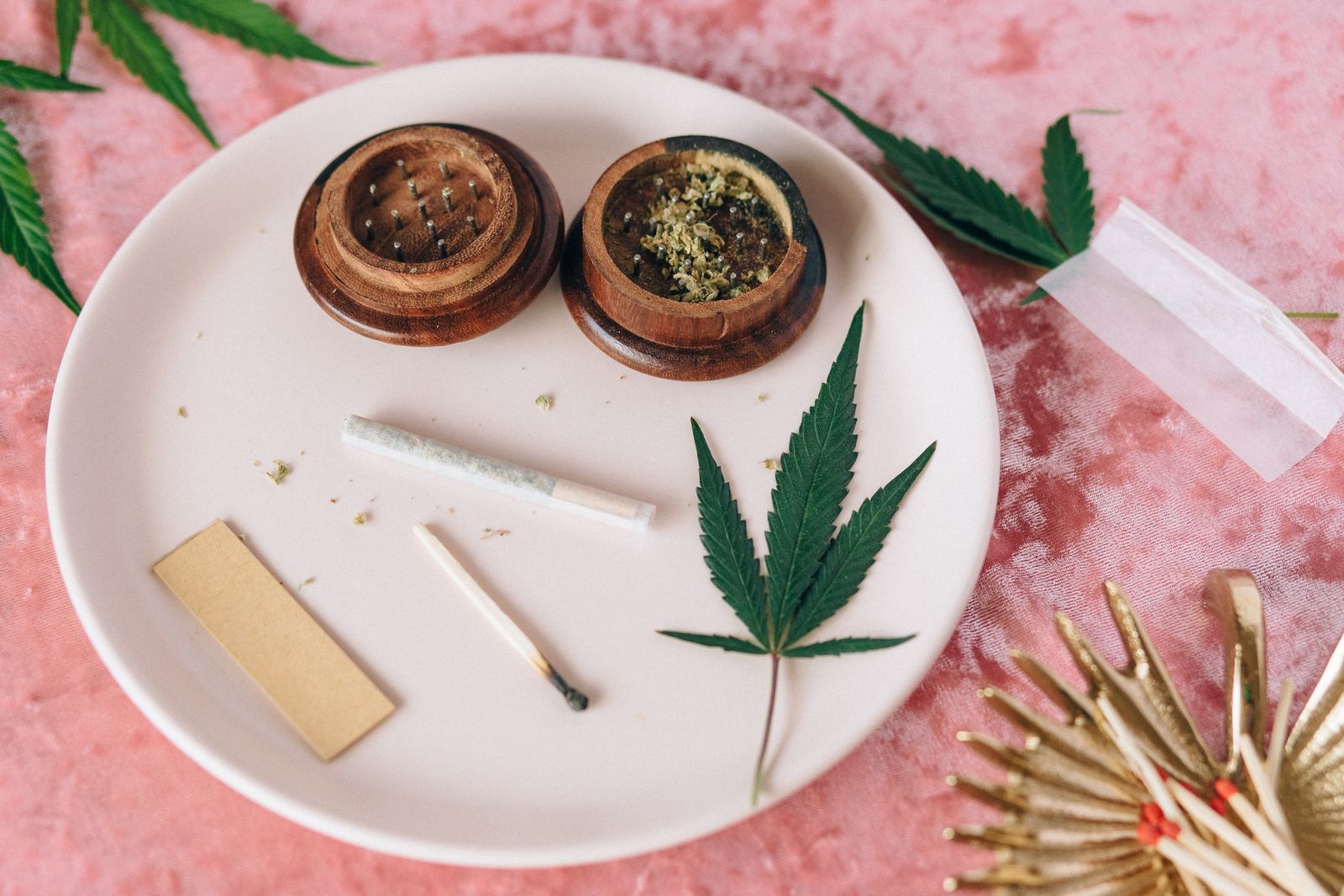
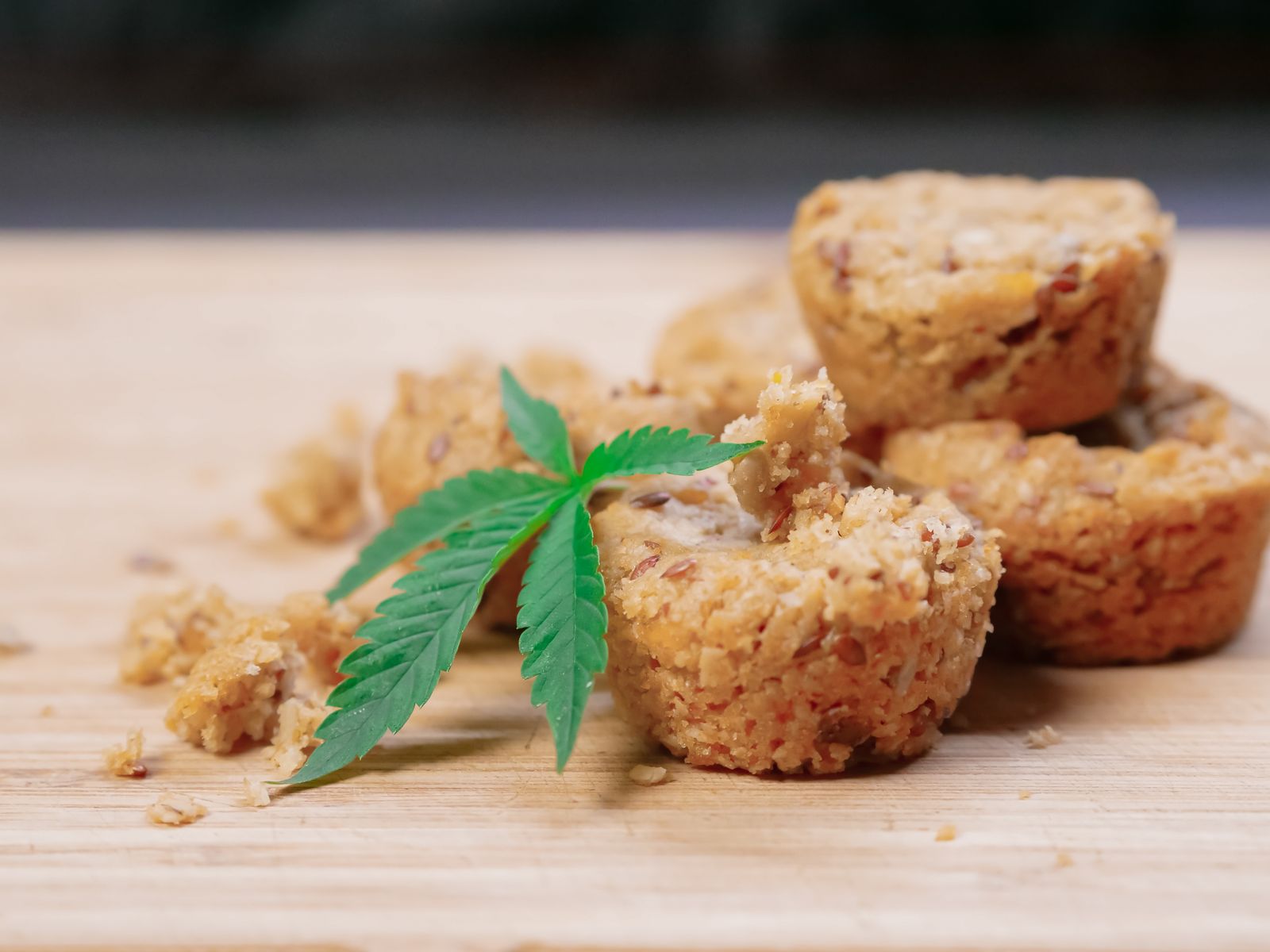
A trusted friend might offer to smoke a joint with you for the first time, or share some edibles they've made from a recipe they've refined over multiple batches. Either way, having a calm, experienced presence in a comfortable setting is one of the most reliable ways to ensure your first experience feels safe rather than overwhelming.
That safety net matters more than any specific strain or method. The psychological component of a first cannabis experience — how relaxed, supported, and comfortable you feel going in, shapes the outcome just as surely as the cannabinoid profile of what you're consuming.
One Person's Journey From Fear to Understanding
It helps to hear this from someone who's lived it.
The first time I smoked marijuana, I was genuinely scared. Not vaguely uneasy — actually nervous, convinced it was going to "mess me up" permanently or flip some irreversible switch in my brain. I had close friends who'd been using cannabis for years. They listened to every concern I raised without rolling their eyes once. They explained what I was likely to feel, roughly when, and why. They smoked with me, kept the setting relaxed, and checked in throughout. I was fine. More than fine, actually.
That was decades ago now. In the years since, I've used cannabis — almost always in the evening, almost always for insomnia that nothing else has reliably touched, and I've also gone years-long stretches without touching it at all. No withdrawal. No craving. No identity crisis. Cannabis has been, for me, exactly what a thoughtful budtender would have predicted: a low-risk tool for a specific purpose, used mindfully and put down just as easily when circumstances changed.
I share that not to suggest everyone's experience will mirror mine, but to offer a data point that gets far less airtime than the horror stories: quiet, uneventful, beneficial cannabis use that improves quality of life without drama. It's the most common cannabis story there is. It just doesn't generate the clicks.
The Practical Path Forward
Fear, at its core, is a response to uncertainty. The antidote to uncertainty is information — the right information, from the right sources, framed with enough context to actually be useful.
Cannabis is not for everyone, and no responsible voice in the industry should claim otherwise. There are individuals for whom the risk-benefit calculation doesn't pencil out — people with personal or family histories of psychosis, for instance, should have a frank conversation with a physician before exploring cannabis. That nuance deserves respect and space in any honest discussion of the plant.
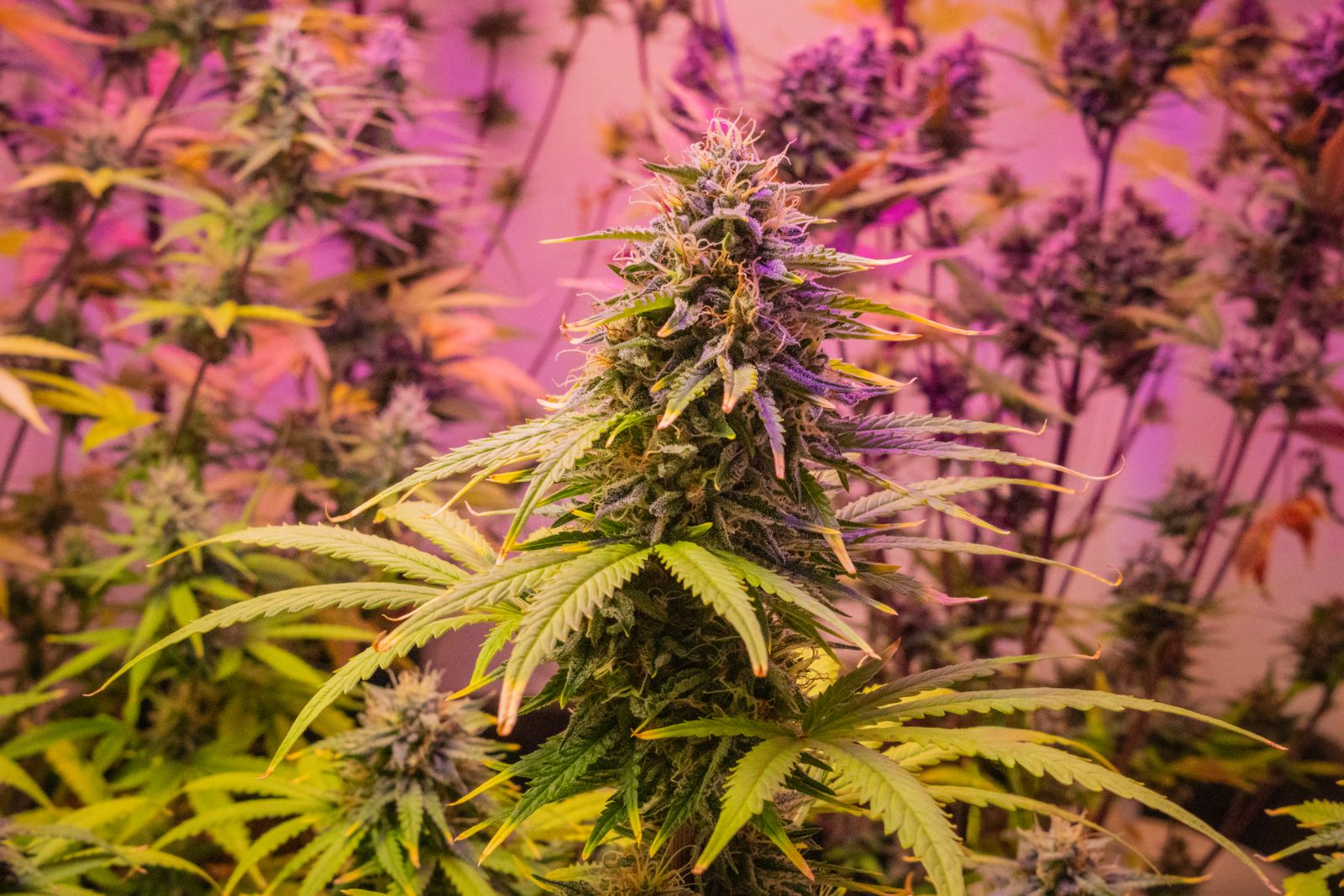
But for the vast majority of curious, health-conscious Canadian adults who are simply wondering what all the fuss is about, the barriers are far lower than the fear suggests. Start with a CBD-rich or balanced cultivar. Start with a small dose. Start in a safe space with people you trust. Read deeply and broadly from credible sources — you'll find a wealth of cultivation and lifestyle education across the Marijuana Lifestyle section of this site. And if you ever decide to grow your own, the seed selection matters enormously: strain phenotype, cannabinoid expression, and terpene profile all begin with the genetics you choose.
The "highs" cannabis can offer — better sleep, eased anxiety, genuine relief from physical discomfort, creative spark, or simply the quiet pleasure of unwinding at the end of a long Canadian winter, are real, documented, and accessible. They're waiting on the other side of the fear, and the path to get there is shorter than you think.