December hits differently when your pantry smells like cinnamon, your oven is running, and you've got a fresh batch of cannabutter cooling on the counter. The holidays are, without question, the best season to experiment with cannabis-infused cooking — warm spices, rich fats, and slow-baked recipes create the perfect conditions for THC to do exactly what it's designed to do.
These four edibles recipes lean hard into the flavours of a Canadian winter: apple, pumpkin, ginger, and brown sugar cinnamon. Whether you celebrate Christmas, Hanukkah, Yule, or simply the last long weekend before the new year, every one of these recipes belongs on your holiday table. Consider this your seasonal guide to elevated baking — in every sense of the word.
THC-Infused Apple Cider
A mug of hot apple cider after a −15°C grocery run is already a small act of salvation. Add THC to the equation and it becomes something else entirely — a slow, warming exhale that softens the edges of even the most chaotic family gathering.
The key technical challenge here is fat. Unlike lattes, hot chocolate, or eggnog, apple cider contains no milk fat, cream, or butter. Because THC is lipophilic — it binds to fat molecules, not water, a straight cider infusion requires a different approach altogether. The cleanest solution is a quality THC tincture or a cannabis-infused MCT oil. Both are designed to dissolve into liquid with minimal fat, and both allow precise, measured dosing. A few drops stirred into your mug is all it takes; there's no need to simmer an entire pot of flower-steeped cider and risk wasting your harvest.
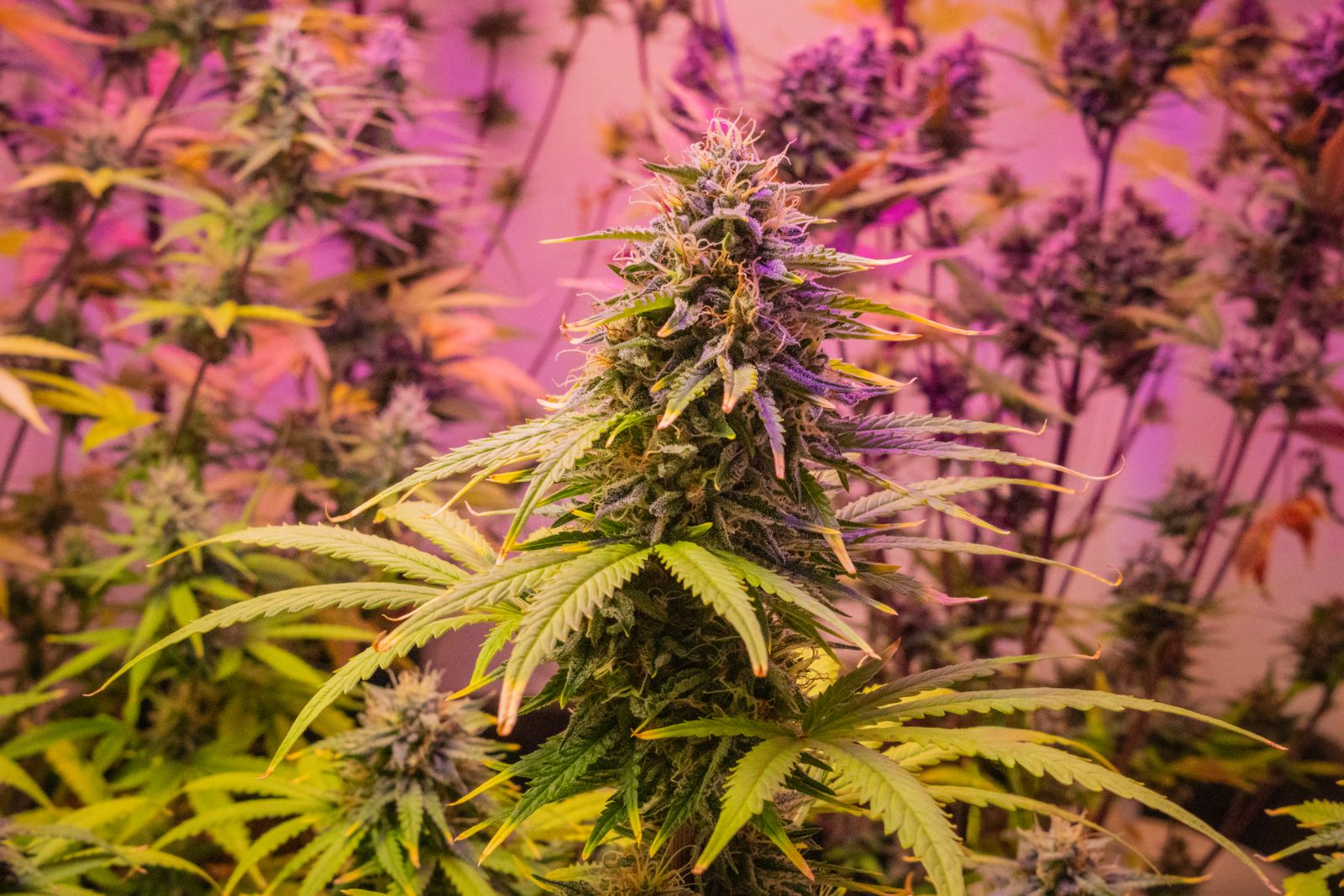
For growers who want their cup to carry some genuine flavour complexity alongside the cannabinoids, think about which cultivar you're infusing. A strain with myrcene and linalool — earthy, slightly floral, relaxing, will complement the spice notes in mulled cider beautifully. If you have a sweet tooth for fruity, candy-forward terpenes, Sweet Tooth Autoflowering Feminized is worth keeping in mind: it's a compact, fast-finishing auto with a sugary, berry-forward profile that pairs surprisingly well with apple and cinnamon.
- Use a calibrated dropper for your tincture — 5 mg THC per serving is a reasonable starting point for mixed-experience guests
- Warm the cider gently; don't boil, as sustained high heat can degrade cannabinoids
- Stir thoroughly after adding oil or tincture to ensure even distribution
- Garnish with a cinnamon stick and a dried apple wheel to keep the presentation festive
Cannabutter Pumpkin Spice Pancakes
Pumpkin spice is divisive in September. By mid-December it's earned its place on every breakfast table in the country.
Pancakes are genuinely ideal edibles vehicles, and the reason is chemical. THC is fat-soluble, meaning it requires a lipid carrier to bind properly and absorb into your system. Pancake batter — with its eggs, butter, and oil, is ready-made fat matrix waiting to carry your cannabinoids. This is why baked and pan-fried edibles tend to produce reliable, consistent effects when the infusion is done correctly.
For this recipe, you have two solid fat-infusion options:
- Infused cooking oil (1/4 cup): Canola, coconut, or avocado oil infused with decarboxylated flower. This method integrates seamlessly into the batter and distributes evenly across every pancake.
- Cannabutter (1/2 cup, melted): The classic. Clarified cannabutter produces a richer, more flavourful pancake and is the method most experienced edibles bakers prefer. The milk solids in standard butter can scorch; clarified cannabutter runs cleaner.
Either method works. The cannabutter route leans richer and more indulgent — appropriate for a holiday morning when no one has anywhere to be before noon. Whichever fat you choose, build your batter with pumpkin purée, pumpkin pie spice (cinnamon, nutmeg, ginger, allspice), eggs, a touch of brown sugar, and your infused fat. Cook low and slow over medium-low heat to protect the cannabinoids from unnecessary thermal degradation. Stack high, dust with icing sugar, and serve with real maple syrup.
Canna-Coconut Oil Gingerbread Truffles
The gingerbread house is a holiday tradition. It is also, let's be honest, mostly a construction project that produces mediocre food. Gingerbread truffles are the upgrade.
This recipe replaces standard cooking oil with infused coconut oil — a choice that is smart on two levels. First, coconut oil has a saturated fat content of approximately 80–90%, making it one of the most efficient lipid carriers for THC available in any kitchen. The cannabinoids bind readily, the infusion is potent, and the oil solidifies at room temperature, which helps the truffles hold their shape. Second, coconut oil is a genuinely healthy fat. Unlike hydrogenated vegetable oils, it contains medium-chain triglycerides (MCTs) that the body processes efficiently, without the trans-fat burden on cardiovascular health. Research consistently supports medium and high intake of MCT-rich fats as beneficial for maintaining healthy cholesterol ratios and reducing stroke risk factors.
Avocado oil and high-quality olive oil are workable substitutes if coconut oil isn't available, though both have lower saturated fat content and will produce a slightly less potent infusion at equivalent volumes. For the truffle base itself, you want:
- Crushed gingerbread cookies or graham crackers as the dry foundation
- Canna-coconut oil as the binder and infusion medium
- Dark chocolate for coating — the bitterness balances the spice beautifully
- Finely grated crystallised ginger pressed into the chocolate shell for an aromatic finish
- Flaky sea salt on top — optional but genuinely transformative
Roll them into 2 cm spheres, chill until firm, and dip in tempered dark chocolate. Store in a sealed container in the refrigerator. One or two is typically a complete serving — keep that in mind before reaching for a third at the cookie exchange.
Cannabutter Monkey Bread
Nobody is entirely sure how monkey bread got its name, and nobody particularly cares once it comes out of the oven. This pull-apart, caramel-glazed, cinnamon-coated baked masterpiece might be the single most crowd-pleasing edible you can bring to a holiday potluck — provided the right people know which dish to avoid.
The standard recipe calls for 1/2 cup of margarine or butter. That fat content is your infusion window. Swap in cannabutter at a ratio you're comfortable with — a 50/50 blend of cannabutter and regular butter is a sensible approach for a shared dish, giving you predictable potency without overwhelming guests who haven't calibrated their tolerance. Beyond the fat, monkey bread is rich with classic holiday flavour compounds:
- 1/2 cup of raisins
- 1 cup of white sugar
- 2 teaspoons of cinnamon
- 1 cup of brown sugar
The pull-apart format also makes portion control intuitive — each dough ball is roughly one serving, so guests can regulate their intake naturally rather than guessing at a slice size. Bake in a Bundt pan at 175°C for 35–40 minutes. The caramel glaze that forms along the bottom as the brown sugar melts and bubbles is, objectively, one of the great achievements of Canadian winter baking.
The Science Behind Cooking With Cannabis
Every recipe above works because of one foundational chemical process: decarboxylation.
Raw cannabis flower contains THCA — tetrahydrocannabinolic acid. In this form, it produces no psychoactive effect. Heat converts THCA into THC by removing a carboxyl group from the molecular structure, and that conversion is what makes edibles work. The critical temperature range for decarboxylation is approximately 105–120°C for 30–45 minutes. Every recipe in this article runs at or above that threshold for long enough to complete the process.
This is why you cannot simply grind flower into a mixing bowl and expect results. The reaction requires sustained heat. It also requires fat — because once THC is activated, it binds to lipid molecules and uses them to cross the blood-brain barrier efficiently. No fat, no appreciable effect, regardless of how much flower you've used.
The practical decarboxylation workflow looks like this:
- Preheat your oven to 115°C (240°F)
- Break flower into small, even pieces and spread on a parchment-lined baking sheet
- Bake for 30–40 minutes, turning gently once at the halfway mark
- Remove when the material has shifted from bright green to a warm, olive-brown colour
- Allow to cool completely before grinding and infusing into your fat of choice
- Infuse your fat (butter, coconut oil, or cooking oil) at low heat — a slow cooker set to low for 4–6 hours produces excellent results with minimal cannabinoid loss
- Strain through cheesecloth, cool, and store sealed in the refrigerator until baking day
Temperature precision matters. Exceeding 150°C during the infusion stage risks converting THC into CBN through oxidation, which produces sedation rather than the balanced psychoactive effect most bakers are aiming for.
Responsible Sharing During the Holidays
Canada's Cannabis Act is clear that cannabis products must be kept away from anyone under 18, and the holiday season — with its open kitchens, curious children, and chaotic family gatherings, demands extra care. Infused dishes should always be clearly labelled, stored separately from non-infused food, and never left unattended on a shared table without explicit communication to every adult present.
A practical system used by many experienced edibles bakers: label infused dishes with a small green sticker, a discreet cannabis leaf drawn on the container lid, or a card that simply reads "adults only." The goal is that no one eats something without understanding what it is — which protects everyone at the table and reflects the spirit of responsible, legal adult consumption that the Cannabis Act was designed to support.
Edibles also onset more slowly than smoked or vaped cannabis — typically 45 minutes to 2 hours depending on metabolism, body weight, and whether the guest has eaten recently. Remind your fellow adults to start low (5–10 mg THC), wait the full two hours before considering a second serving, and keep the evening relaxed and unhurried. The holidays work best at a slow pace anyway.
For more seasonal inspiration and grower-focused reading, the Marijuana Lifestyle section of the Pacific Seed Bank blog is updated regularly with cultivation guides, strain deep-dives, and recipes worth bookmarking for next December.
The best holiday edibles are the ones that bring warmth, intention, and a little horticultural pride to the table. Grow your own, infuse with care, and share generously — with the people who are ready for it.