Every October, the same ritual plays out across Canada: the leaves go copper, the temperature drops, and suddenly half your household is sneezing into their sleeves. There is still no cure for the common cold — modern medicine has known this for decades, but the conversation around managing cold symptoms has grown considerably more interesting since cannabis became federally legal under the Cannabis Act. Both THC and CBD interact with the body's endocannabinoid system in ways that touch on pain, inflammation, and sleep, three of the most miserable dimensions of any autumn cold. Whether that interaction translates into meaningful relief is worth examining carefully.
What Cannabis Actually Does When You're Sick
The honest answer is nuanced. Cannabis cannot shorten the duration of a rhinovirus infection the way an antiviral might — the virus runs its course regardless. What both THC and CBD can do, according to an expanding (if still incomplete) body of research, is modulate the physiological experience of being sick.
THC is a well-established analgesic and muscle relaxant, binding to CB1 receptors throughout the central nervous system to reduce the perception of pain. CBD, meanwhile, exerts anti-inflammatory effects through multiple pathways, including modulation of cytokine production — relevant given that much of the soreness and swelling you feel during a cold is immune-mediated inflammation rather than direct tissue damage from the virus itself.
Together, those properties map reasonably well onto the classic cold symptom cluster:
- Sore throat and sinus pressure — both have an inflammatory component that CBD's anti-inflammatory action may blunt.
- Body aches and headache — THC's analgesic properties are relevant here, as are CBD's.
- Fatigue and disrupted sleep — indica-leaning THC-dominant cultivars and certain CBD formulations have well-documented sedative effects.
- General malaise — the mood-elevating effects of low-to-moderate THC doses can make a sick day feel considerably less wretched.
None of this is a replacement for hydration, rest, and standard over-the-counter symptom relief. Think of cannabis as a complementary layer — one that, used thoughtfully, can make those bedridden days meaningfully more comfortable.
Consuming Cannabis for Colds: Method Matters Enormously
This is where a lot of otherwise sensible cannabis consumers make a mistake.
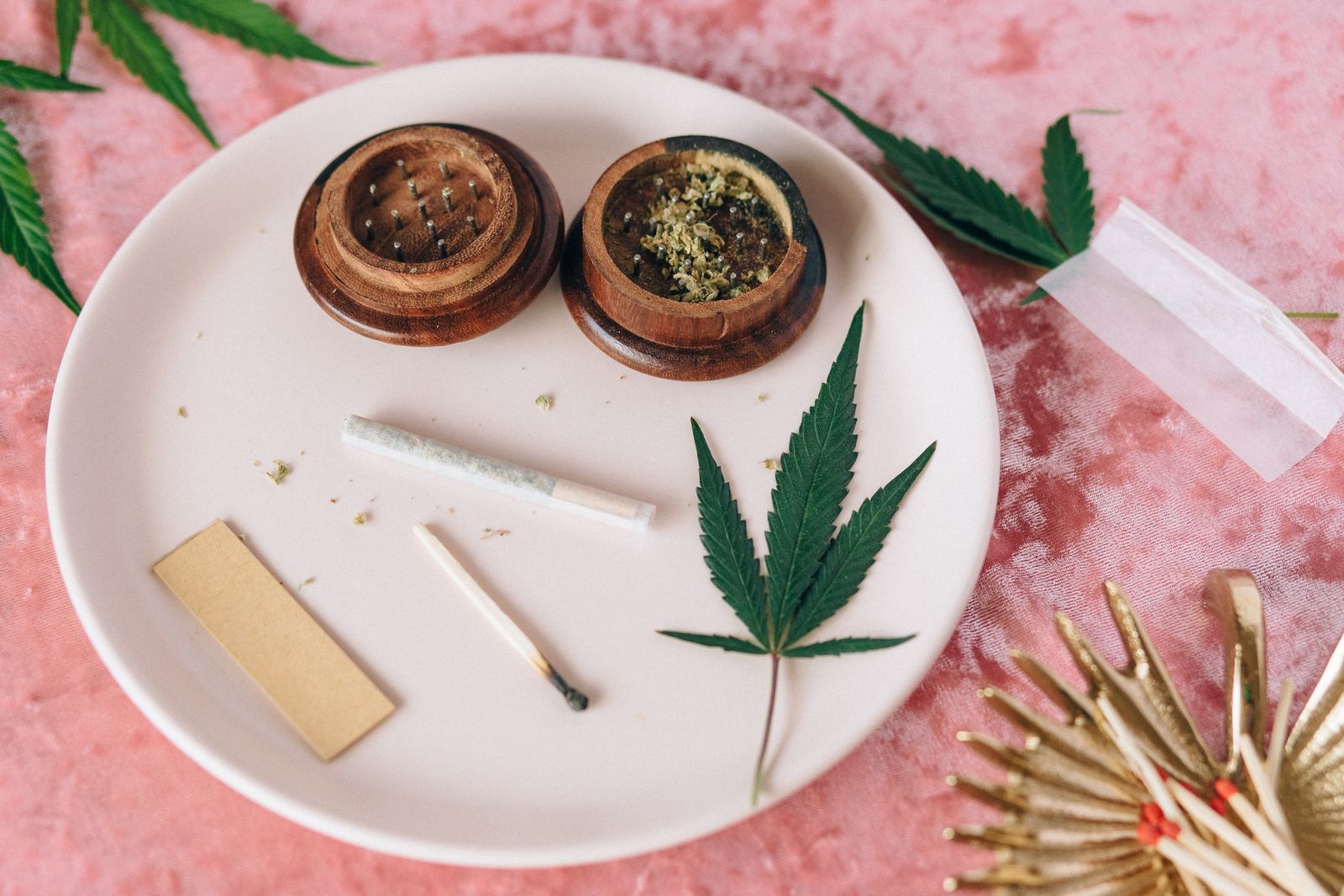
If your throat is raw and your airways are already irritated and inflamed, the last thing you want is combusted plant material travelling through them. It might seem obvious, but it bears stating clearly: when you're sick, do not consume your marijuana by smoking it. Even vaporising — generally gentler than combustion, can exacerbate bronchial irritation and trigger coughing fits that make a sore throat feel significantly worse. Reserve the flower for when you're healthy.
The good news is that the Canadian legal market offers a genuinely wide array of smoke-free consumption formats, many of which are actually better suited to cold symptom management than smoking ever was. Here is how they stack up:
- Sublingual tinctures — Fast onset (15–45 minutes), precise dosing, zero respiratory involvement. A few drops of a balanced THC:CBD tincture under the tongue before bed is one of the most practical cold-season choices available.
- Capsules and softgels — Slow onset (60–120 minutes) but long duration, making them ideal for sustained overnight relief. Dose conservatively — start at 2.5 mg THC and assess before increasing.
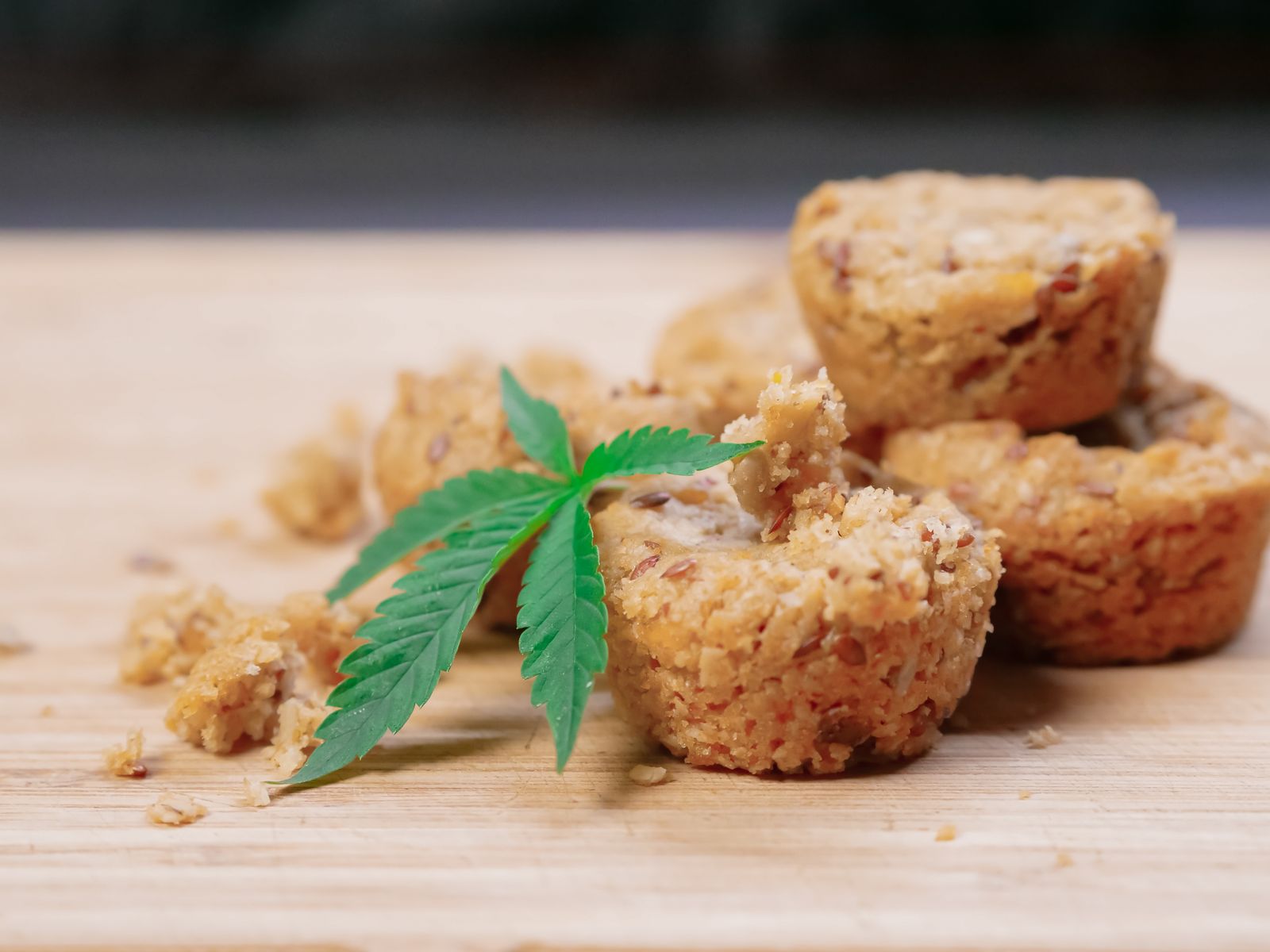
- Edibles — Cannabis-infused honey stirred into hot tea or bone broth is both practical and genuinely soothing (more on that below). Same delayed onset as capsules; the same low-and-slow dosing principle applies.
- Topicals and balms — Non-intoxicating, targeted, and excellent for localised pain. Entirely bypasses the lungs and digestive system.
- Drinks and dissolvable powders — Cannabis-infused beverages have become a growing category in the Canadian market; a warm cannabis-infused drink is as close to cold-season comfort as this plant gets.
Hot Drinks That Pack a Real Punch
The hot-tea-with-lemon remedy is older than modern medicine, and for good reason: steam loosens congestion, heat soothes an inflamed throat, and lemon provides vitamin C and a mild astringent effect. Cannabis makes it better.
Cannabis-infused honey is the most accessible upgrade. A good infused honey dissolves cleanly into any hot beverage — black tea, green tea, chamomile, ginger-lemon, and delivers a gentle, food-based dose of cannabinoids without any harsh flavour. The key is temperature: cannabinoids degrade above roughly 157°C, so stir your infused honey into a drink that has cooled just slightly off the boil rather than into actively boiling water.
Beyond tea, consider cannabis-infused bone broth or chicken broth. Broth is easy on a sore throat and an unsettled stomach, delivers electrolytes and collagen, and provides a warm, fat-containing vehicle that helps with cannabinoid absorption — dietary fat increases the bioavailability of THC and CBD because both molecules are lipophilic. A modest infusion stirred into a mug of broth, sipped slowly over twenty minutes, is an underrated cold remedy that addresses hydration, nutrition, and symptom relief simultaneously.
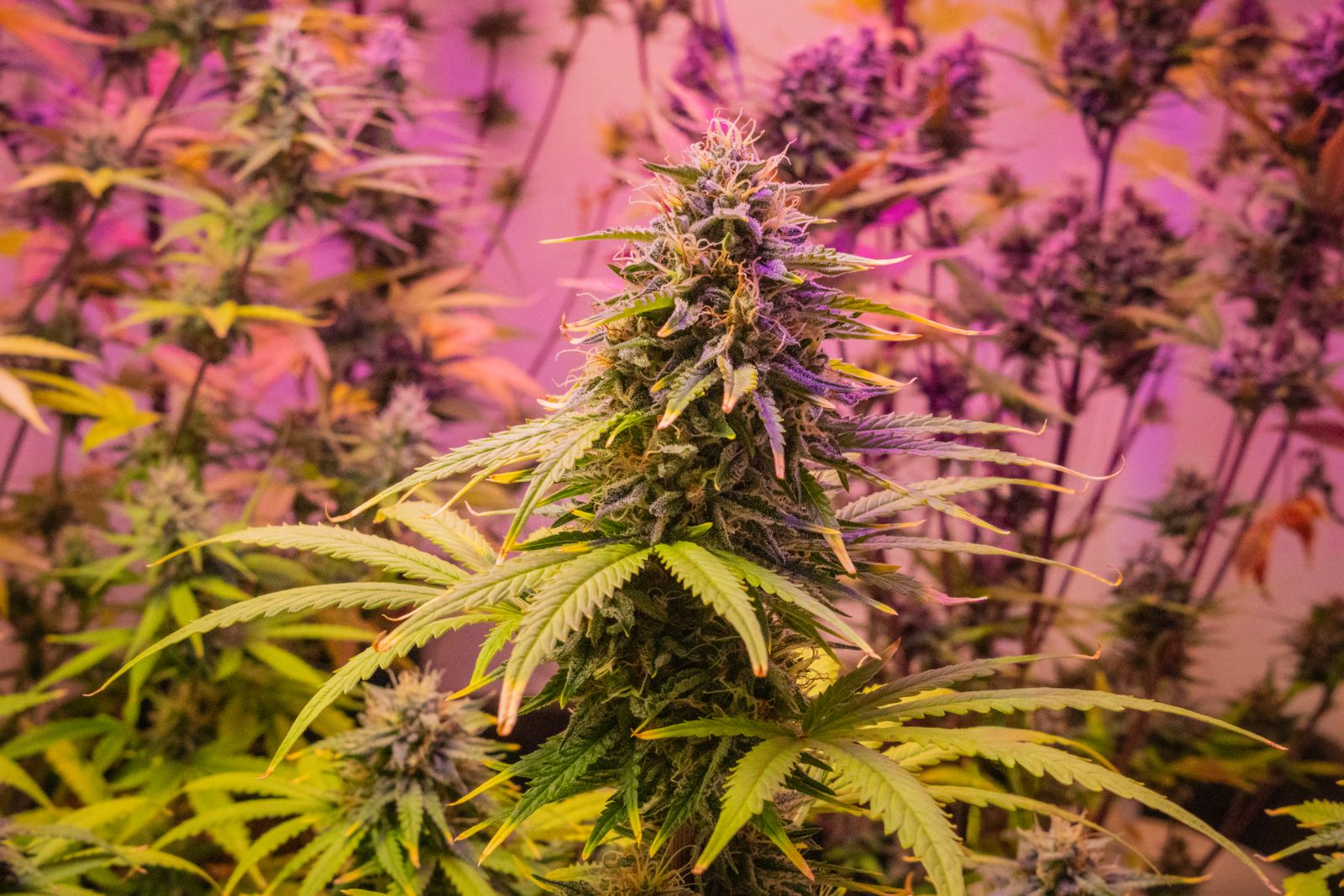
A note on sourcing your infusion material: if you're growing your own cannabis under Canada's personal cultivation allowance (up to four plants per household under the Cannabis Act), a high-CBD cultivar makes an ideal base for edible infusions when wellness rather than intoxication is the goal. A feminized CBD-dominant strain will give you a consistent, predictable extract with minimal psychoactive effect — exactly what you want when you're already feeling knocked around by a cold.
Cannabis-Infused Body Care: The Underrated Recovery Stack
When a cold settles into your muscles and joints, the desire to disappear into a hot bath is almost universal. It turns out there's a legitimate physiological reason for that instinct beyond simple comfort: heat increases peripheral circulation, eases muscle tension, and can raise core temperature enough to create a mild fever-like environment that may be inhospitable to certain pathogens.
Amplify that bath with a THC-rich cannabis bath soak — bath salts, bath bombs, or a purpose-made soak formulated with activated cannabinoids, and you add a transdermal anti-inflammatory and analgesic effect to the heat's own benefits. Transdermal absorption through bath products is modest compared to topical application directly to skin, but the combination of warm water opening pores and cannabinoid-infused salts creates a measurably more relaxing experience than plain Epsom salts alone.
Once you've dried off, it becomes genuinely beneficial to grab a CBD balm and work it into any areas carrying residual tension — temples for the headache that won't quit, the back of the neck for cervicogenic aching, or the chest and upper back if a cough has been working your intercostal muscles. High-quality CBD balms often include complementary botanicals like eucalyptus, camphor, or menthol that further ease congestion through aromatherapy. Look for a balm with at least 300 mg of CBD per 50 mL container to ensure you're getting a therapeutically meaningful concentration.
Compare the two topical approaches this way: a bath soak delivers a broad, systemic relaxation effect over the whole body with relatively low cannabinoid absorption, while a targeted balm delivers much higher local concentrations of CBD to a specific site of pain or inflammation. Neither gets you high. Both are genuinely useful. Used together — bath, then balm, they cover complementary ground.
Sleeping Off Cold Symptoms With Cannabis
Sleep is arguably the single most important variable in cold recovery. During deep sleep, the body dramatically upregulates immune activity — cytokine production, T-cell mobilisation, tissue repair. A cold that permits you eight quality hours per night will resolve faster than one that keeps you half-awake, mouth-breathing and miserable, staring at the ceiling at 3 a.m.
The problem is that cold symptoms are specifically engineered, from the virus's perspective, to disrupt sleep. A blocked nose forces mouth breathing, which dries the throat and creates discomfort. A persistent cough wakes you from light sleep. Body aches make it difficult to find a comfortable position. Cannabis addresses all three of these mechanisms.
Indica-dominant cultivars with meaningful myrcene content — myrcene being the terpene most associated with sedation and muscle relaxation, are the traditional recommendation here. If you grow your own plants, varieties with that classic heavy, earthy-mango terpene profile will serve you better on a sick night than a bright, limonene-forward sativa. For the most precise dosing without any respiratory involvement, a THC:CBD capsule taken 90 minutes before your intended sleep time is the gold standard: it eliminates the combustion problem entirely, delivers consistent cannabinoid levels through the night as the edible metabolises, and produces the deep, prolonged sleep stages where immune recovery actually happens.
Start low — 2.5 to 5 mg THC combined with 5 to 10 mg CBD is a reasonable beginner's sleep dose. If you find that THC alone creates an anxious or overstimulated effect (some individuals do, particularly at higher doses), pivot to a CBD-dominant tincture. High-CBD preparations still promote sleep through adenosine pathway modulation without the intoxicating effects of THC.
Stopping a Seasonal Cold Before It Starts
Prevention, of course, is the cleanest strategy of all. The basics remain embarrassingly effective and embarrassingly under-practised:
- Wash your hands frequently and thoroughly — 20 seconds with soap, especially after being in public spaces.
- Cough or sneeze into the crook of your elbow, not your hands and not the open air.
- Stay home when you're symptomatic. Under Canada's public health norms — reinforced considerably since 2020 — this is both the considerate and the legally encouraged choice.
- Maintain adequate sleep, hydration, and micronutrient intake (zinc and vitamin D are specifically implicated in cold resistance) heading into autumn.
- If you use cannabis socially, be mindful of shared consumption during cold season. Passing a joint around a circle is one of the more efficient vectors for rhinovirus transmission imaginable — saliva on the mouthpiece, shared breath, close proximity.
That last point is worth sitting with. Cannabis culture has a long, warm tradition of communal sharing, and there is genuine social value in that ritual. But during cold and flu season, individual servings — separate pre-rolls, personal vaporisers, or edibles, serve both the individual and the group far better than a single shared joint making the rounds.
There is also a reasonable preventive argument for routine low-dose CBD use during high-exposure periods. CBD's anti-inflammatory and immune-modulating properties are discussed at length across our Marijuana Lifestyle coverage, and while the clinical evidence for CBD as a cold preventive is not yet robust enough to make definitive claims, maintaining endocannabinoid system tone through consistent low-dose supplementation is a strategy many Canadians are quietly incorporating into their autumn wellness routines.
Cannabis as a Cold Companion: The Balanced Verdict
Cannabis will not cure your cold. No honest cannabis writer — or physician, will tell you otherwise. What it can do, when chosen thoughtfully and consumed through the right delivery format, is meaningfully improve the quality of your experience while your immune system does the actual work of clearing the infection.
The practical framework is straightforward. Avoid smoking or vaporising entirely while symptomatic. Lean on tinctures, capsules, and infused edibles for systemic relief. Use topicals and bath products for localised and full-body muscular comfort. Prioritise sleep above all else, and use cannabis as a tool to protect and deepen that sleep rather than as a recreational substitute for it. Dose conservatively — the standard cannabis guidance of starting low and going slow applies even more rigorously when your baseline physiology is already compromised by illness.
The autumn cold is an inevitability for most Canadians. How you move through it — how quickly you recover, how much of your life it disrupts, depends in large part on the choices you make in the first 48 to 72 hours. Cannabis, used intelligently, belongs in the toolkit alongside your ginger tea, your chicken soup, and your well-earned day of rest on the couch. That is not a revolutionary claim. It is simply an accurate one.