5 Under-The-Radar CBD Strains You Should Know About
· 9 min read
Most cannabis consumers chasing CBD are focused on milligram counts and extraction methods — but the real conversation worth having starts at the seed. The strain you choose to grow, or the genetics behind the product on your shelf, determines everything: the terpene profile that shapes how CBD interacts with your endocannabinoid system, the ratio of cannabidiol to THC, and whether the plant even reaches its potential in your climate. Before you ever open a bottle of CBD oil or tear into a subscription box, it helps to understand what's inside it, and what you could be cultivating yourself.
Whether you're a home grower under Canada's Cannabis Act (which permits up to four plants per household), a wellness consumer exploring CBD products for the first time, or someone who simply wants to understand what separates a mediocre high-CBD experience from a genuinely therapeutic one, this guide is for you. We'll walk through five under-the-radar CBD strains and product approaches worth knowing, and we'll connect each one to the broader horticultural picture — because the best CBD experience really does begin with the plant.
Why CBD Strains Deserve More Attention Than the Average Consumer Gives Them
CBD doesn't exist in a vacuum. It's produced alongside dozens of other cannabinoids and terpenes — myrcene, linalool, beta-caryophyllene, pinene, that modulate its effects through what researchers call the entourage effect. A full-spectrum CBD product derived from a well-bred, terpene-rich strain will outperform an isolate from a poorly grown plant every single time.
That's the argument for caring deeply about genetics. And it's the argument for growing your own.
Under the Cannabis Act, Canadian adults can legally cultivate up to four cannabis plants per residence from a licensed seed source. Growing a purpose-bred CBD cultivar at home gives you direct control over cannabinoid ratios, harvest timing, and post-harvest curing — all variables that dramatically affect the final product's potency and flavour. If you're sourcing CBD oil or consumables from a subscription service, understanding what strains produce the best full-spectrum profiles helps you ask smarter questions of suppliers and evaluate their lab results with a critical eye.
- Full-spectrum CBD retains all cannabinoids, terpenes, and flavonoids — the most therapeutically complex option.
- Broad-spectrum CBD removes THC while keeping other compounds — useful where zero THC is a priority.
- CBD isolate is pure cannabidiol — predictable dosing, but loses the entourage effect.
Knowing which category a product falls into, and which strain produced its hemp, is the difference between informed consumption and guesswork.
Feals: Tiered Dosing Done Right
One of the smartest CBD oil approaches on the market today comes from a brand called Feals, which earned enthusiastic coverage from Cosmopolitan for a deceptively simple reason: it removes the guesswork from dosing. Their "flight" system delivers three vials — 40 mg, 80 mg, and 160 mg of CBD oil, so first-time users can titrate up gradually rather than committing to a dose their body hasn't calibrated to yet.
The logic is sound horticulturally, too. CBD bioavailability varies significantly depending on the extraction method, the carrier oil, your individual metabolism, and even whether you've eaten recently. Starting at 40 mg sublingually and assessing over 90 minutes before stepping up is precisely the protocol that integrative health practitioners recommend.
A membership with Feals gets you 30% off all products, though you're never locked in — cancel anytime. For new CBD consumers in Canada navigating a still-maturing retail landscape, a service that builds dosing confidence rather than assuming it is genuinely useful. The key questions to ask any CBD oil supplier, including this one: What strain was used? What's the terpene retention rate after extraction? Is the hemp tested by an accredited third-party lab?
Daily High Club: The Cultivator's Subscription for the Full Cannabis Experience
Not every cannabis subscriber is purely CBD-focused — and there's nothing wrong with that. Daily High Club caters to the broader cannabis lifestyle with a tiered monthly box service that appeals to consumers who appreciate both the plant's therapeutic and recreational dimensions.
Their three subscription tiers, priced in CAD, offer something for every budget:
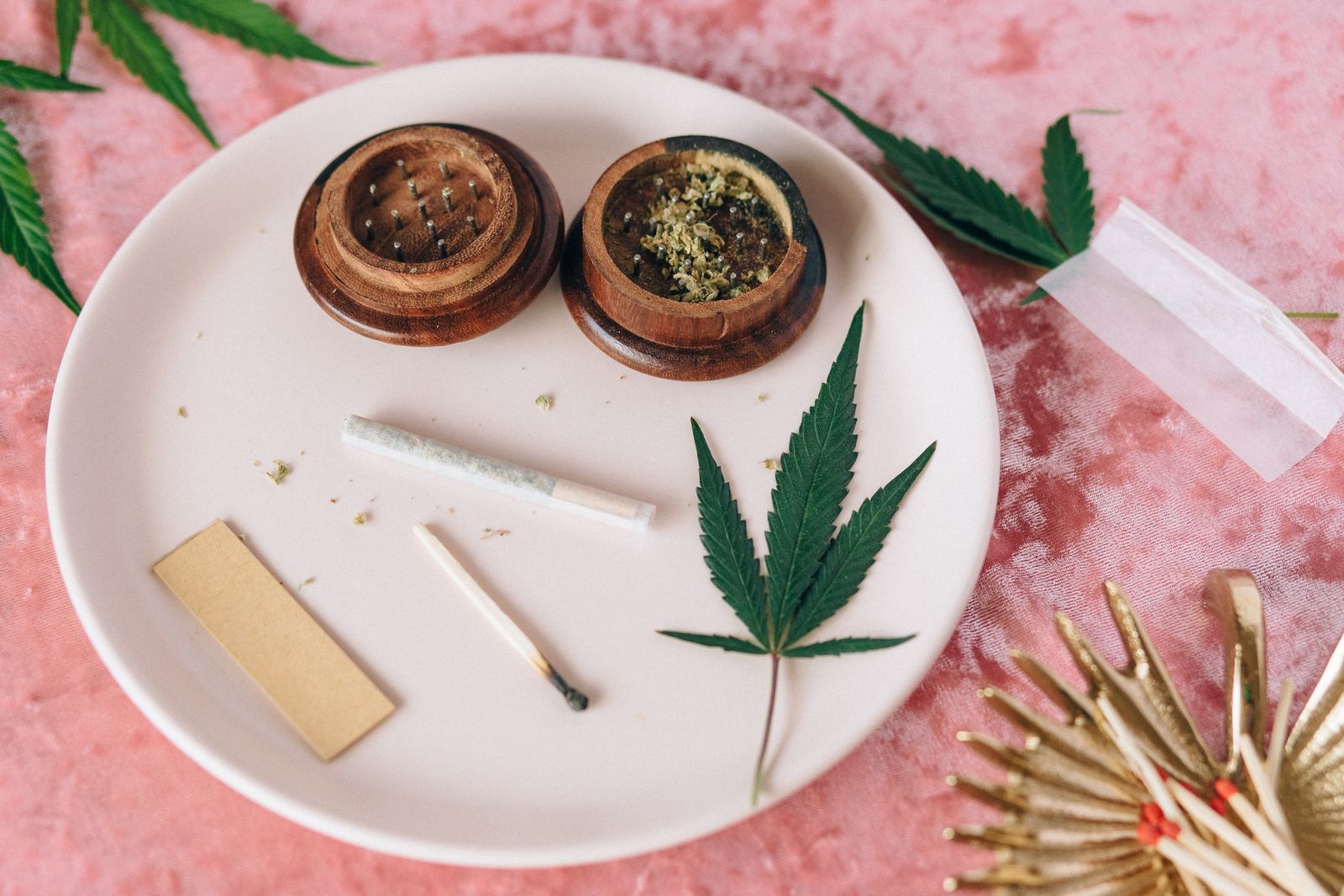
- Entry tier (~$1 CAD/month): 1.25-size all-natural papers, organic filter tips, a 3.3-foot organic bee wick, and a matchbook — the essentials for a clean, additive-free smoke.
- Mid tier (~$9.99 CAD/month): Seven to nine curated cannabis accessories and smoking products selected by in-house experts — a genuinely good value for curious consumers.
- Premium tier (~$29.99 CAD/month): Over $80 CAD worth of cannabis products plus a new glass piece — bongs, dab rigs, and similar hardware rotate monthly.
For growers, subscriptions like this are a useful complement to a home cultivation practice. Pairing home-grown, hand-cured flower from a high-CBD feminised strain with quality papers and glass makes the entire experience more intentional. It's the difference between growing something exceptional and then shortchanging it at consumption.
LiveHempily and Hemp Crate Co.: CBD Wellness in Curated Form
Two subscription services stand out for consumers whose CBD interest sits at the wellness end of the spectrum rather than the horticultural. LiveHempily and Hemp Crate Co. both take a curated-box approach, but they serve meaningfully different audiences.
LiveHempily runs at approximately $47.99 CAD/month and leans into the sensory pleasure of CBD-infused products: homemade gummies, artisan chocolate, CBD-infused coffee and tea, and bath bombs have all appeared in past boxes. An upgraded Deluxe box adds premium self-care items alongside the CBD staples. The appeal here is variety — it's an excellent way to discover which delivery method (sublingual tincture versus edible versus topical) actually resonates with your physiology before committing to a single format.
Hemp Crate Co. takes a more segmented approach, offering three distinct box categories at $44.99 CAD/month:
- Health & Wellness — focused on relaxation, sleep support, and physical recovery; typically includes CBD tinctures, capsules, and topical rubs.
- Hempa the Explorer — a broad mix of CBD product types for consumers who want to experiment across formats.
- Furry Friends — CBD products formulated specifically for pets, addressing conditions like separation anxiety, skin irritation, nausea, and age-related inflammation in companion animals.
The pet-focused box deserves particular attention. Veterinary research into CBD's efficacy for companion animals is still emerging, but the existing evidence — particularly for anxiety and inflammatory conditions in dogs, is compelling enough that many Canadian pet owners are actively exploring it. Hemp Crate Co. positions itself as a responsible entry point, with 4–8 products per box depending on the tier selected.
Both services and LiveHempily represent what the CBD wellness market looks like when it's done with care: consistent formulations, transparent sourcing, and products matched to real-world use cases rather than generic marketing promises.
Green Girl CBD: When Full-Spectrum Quality Justifies the Price
Here's a truth most CBD marketers won't tell you plainly: not all CBD is the same, and the price gap between commodity CBD and genuinely full-spectrum, certified-organic product reflects a real difference in what's inside the bottle.
Green Girl CBD is the most premium subscription service on this list, with monthly tiers starting at $59 CAD, moving to $99 CAD, and topping out at $139 CAD. The reason the price point is justifiable — and this matters deeply for informed Canadian consumers, is transparency. Green Girl publishes its certified organic hemp growing certificate alongside third-party lab test results on its website. That combination, verified origin plus independent cannabinoid and contaminant testing, is the gold standard for CBD product integrity.
Compare that to lower-cost alternatives: many budget CBD brands source hemp from unverified agricultural operations, use CO₂ or ethanol extraction without publishing residual solvent testing, and report CBD milligrams from in-house assays rather than accredited lab results. You may be getting what you paid for, or you may not be getting much CBD at all.
Full-spectrum CBD — the kind that preserves the plant's complete terpene and minor cannabinoid profile, works through mechanisms that isolate simply cannot replicate. Beta-caryophyllene, for instance, acts as a dietary cannabinoid by binding directly to CB2 receptors. Linalool enhances anxiolytic effects. Myrcene modulates the blood-brain barrier's permeability, influencing how quickly cannabinoids reach their targets. When a premium brand like Green Girl protects these compounds through careful extraction and cold-chain storage, you're paying for a product that genuinely behaves differently in your body.
Full-spectrum is not a marketing term. It's a description of biochemical complexity — one that takes deliberate effort to preserve from plant to bottle.
Growing Your Own CBD: The Most Underrated Option Available to Canadians
Every subscription service on this list is a downstream expression of something that starts in the ground. For Canadian growers with the space and inclination, cultivating purpose-bred CBD genetics at home under the Cannabis Act is both legal and deeply satisfying — and it gives you the most direct possible relationship with your cannabinoids.
High-CBD feminised and autoflowering strains have come an extraordinary distance in the past decade. Modern CBD cultivars regularly hit cannabidiol concentrations of 10–20%, with THC held below the 1:1 ratio that characterises balanced strains, or below 0.3% in true hemp-adjacent varieties. The terpene profiles of well-grown, slowly cured CBD flower rival anything you'll find in a premium subscription box — and the cost per dose, over a full season, is a fraction of retail.
Key cultivation considerations for high-CBD strains:
- Phenotype selection matters. CBD expression is highly heritable but still phenotype-dependent. If you're running multiple seeds from the same batch, test each plant before committing to a mother for cloning.
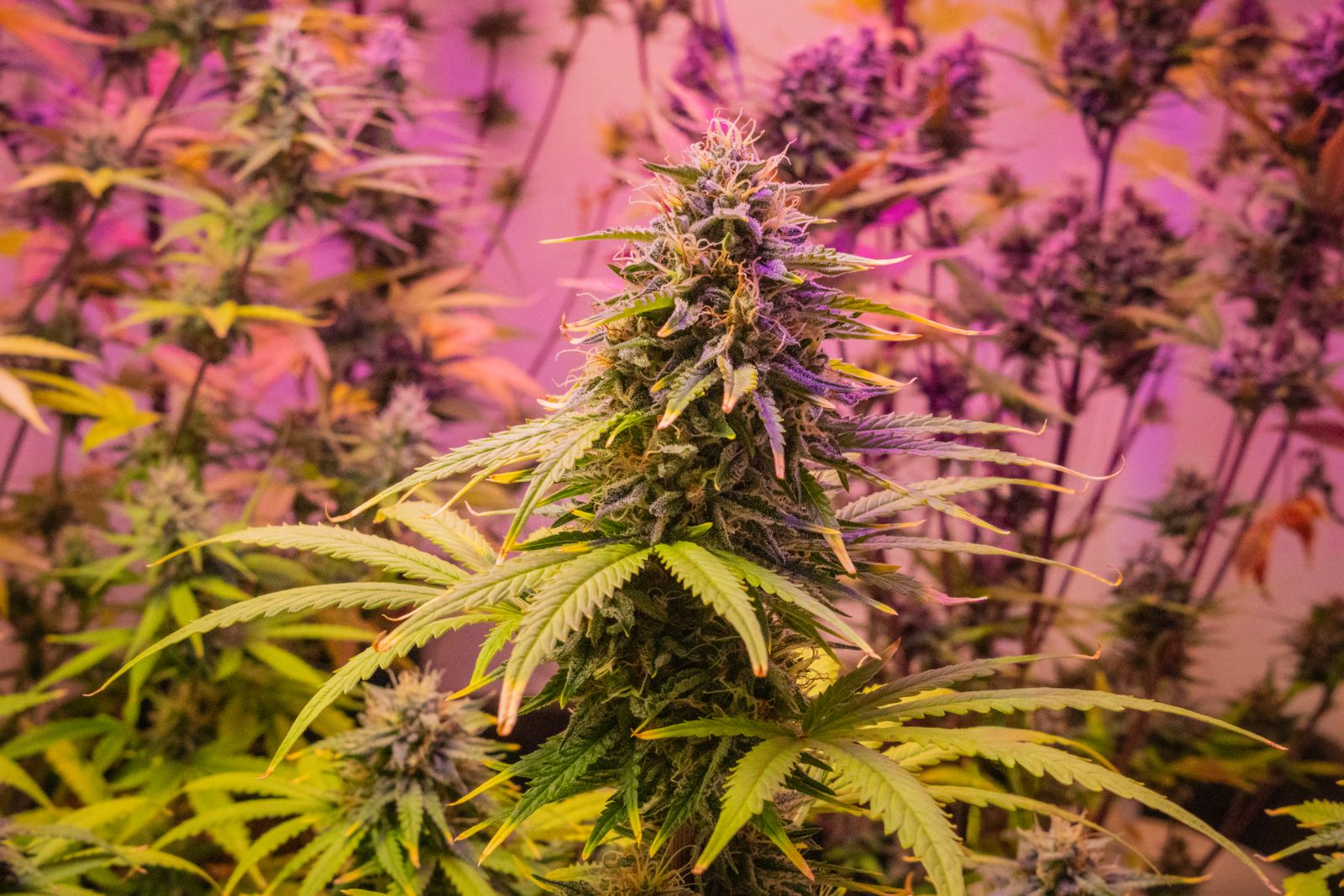
- Harvest timing is critical. CBD-dominant strains are best harvested when trichomes are predominantly cloudy with minimal amber transition — amber trichomes indicate THC degradation to CBN, which you don't want dominating a therapeutic crop.
- Curing drives terpene preservation. A 60-day cure at 58–62% relative humidity in sealed glass jars converts chlorophyll, smooths harshness, and allows terpenes to fully express. This step is non-negotiable for quality.
- VPD management during flower. Keeping vapour pressure deficit in the 1.0–1.5 kPa range during late flower reduces the risk of botrytis — particularly important in Canada's cooler, more humid autumns for outdoor growers.
- Low-stress training (LST) and SCROG increase light penetration to lower bud sites, improving cannabinoid uniformity across the canopy rather than concentrating quality in only the top colas.
If you're ready to explore what's possible from seed, Pacific Seed Bank carries a broad selection of feminised and autoflowering genetics suited to Canadian climates and cultivation goals. And if you want to go deeper on specific cultivars, terpene-forward varieties, and growing strategies tailored to CBD production, the high-CBD strains and seeds resource section of the site is an excellent starting point.
The CBD market, both in Canada and globally, is maturing rapidly. Subscription services are getting more transparent, genetics are getting more refined, and consumers are getting savvier. Whether you're dialling in your dose with a tiered tincture service, curating a wellness ritual through a monthly hemp box, or digging your hands into living soil to grow something genuinely extraordinary — understanding the plant that makes it all possible is what separates a good CBD experience from a great one. Start there, and everything downstream gets better.