Cannabis Helps Hair Grow Longer & Healthier
8 min read · , updated May 14, 2026
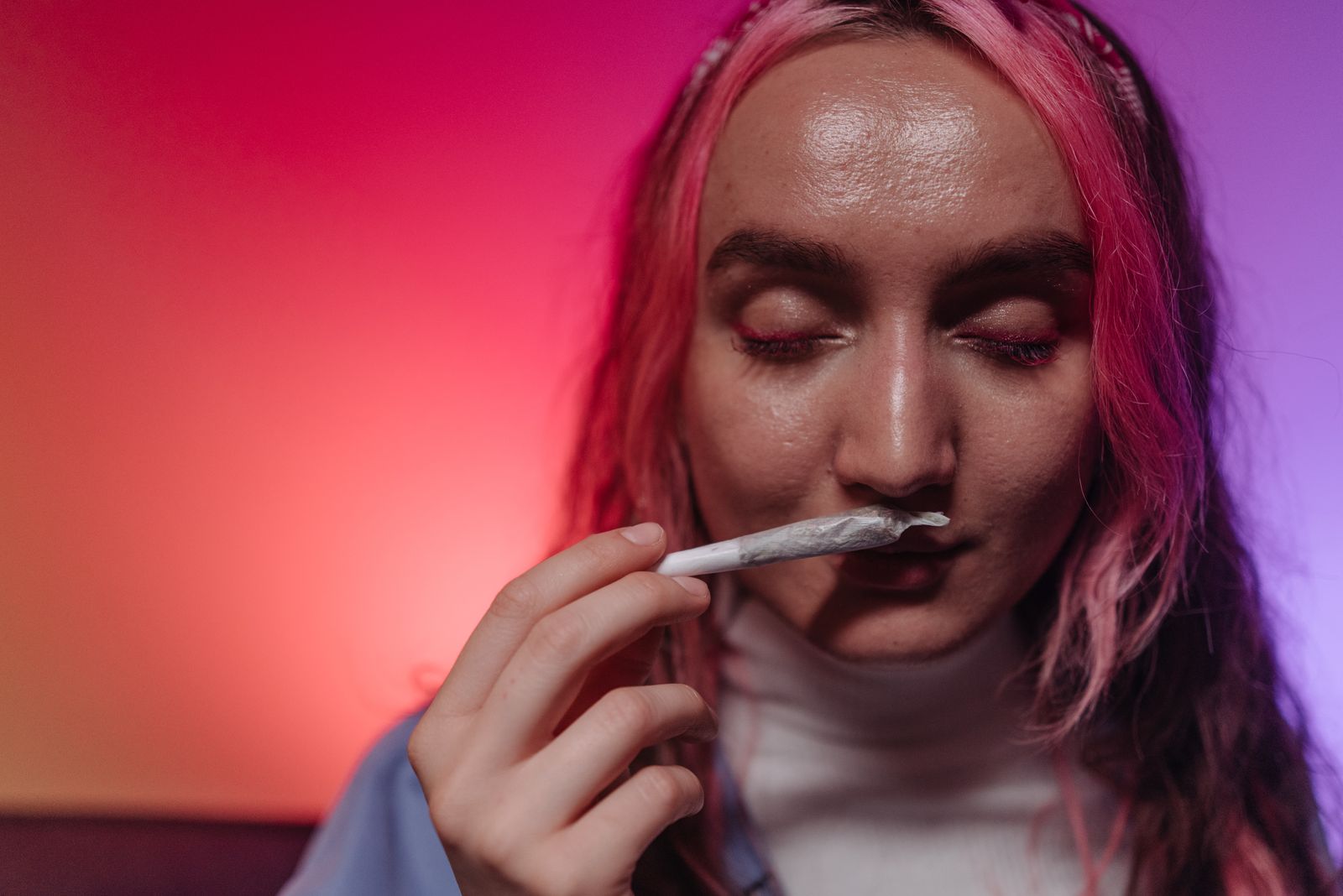
Most people associate cannabis with relaxation, pain relief, or a better night's sleep — but a growing body of anecdotal evidence and early research suggests the plant's compounds may also be quietly working on your scalp. Some regular consumers, using marijuana-derived products three to five times per week, report noticeably healthier hair, reduced breakage, and faster growth. It's not magic. It's biochemistry, and the science behind it is worth understanding in detail.
Hemp Oil: The Scalp's Best-Kept Secret
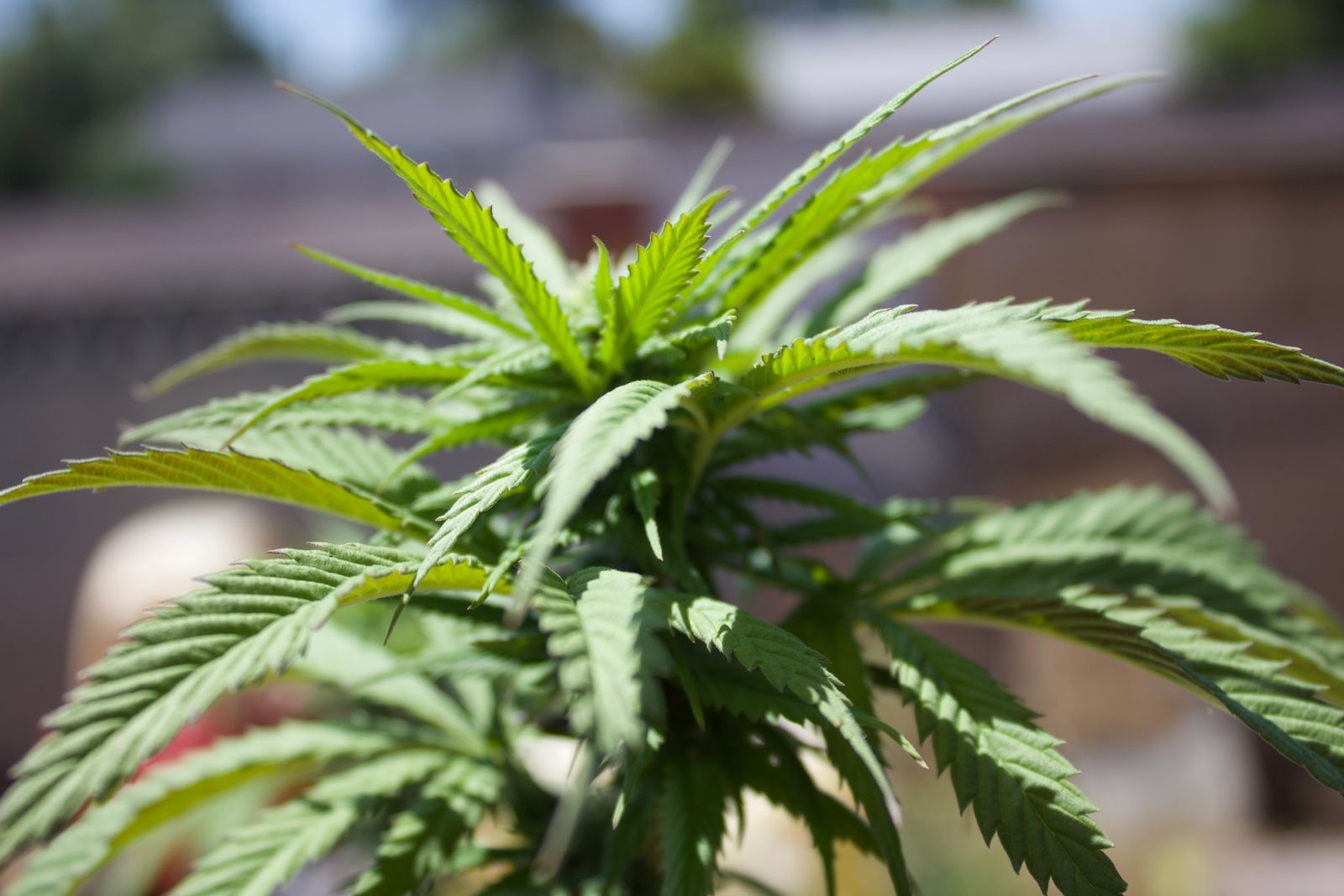
Here's the part that surprises most people: the hemp-derived products quietly revolutionising hair care aisles across Canada come exclusively from Cannabis sativa plants — the same botanical family as your favourite high-THC cultivar, just bred for fibre and seed production rather than cannabinoid expression. Hemp is non-psychoactive, but its nutritional profile is extraordinary, and its oil has become a staple ingredient in premium hair and scalp formulations for very good reason.
Healthy hair begins with a healthy scalp. Hemp oil is one of the most effective natural moisturisers available, and unlike heavier carrier oils such as castor or coconut, it absorbs quickly without leaving a sticky, greasy residue. That practicality matters — nobody wants to rewash their hair twice just to apply a treatment.
What makes hemp oil genuinely exceptional for hair is its specific molecular composition:
- Omega-3, Omega-6, and Omega-9 fatty acids — a rare, balanced trifecta that stimulates follicle activity and supports healthy hair growth cycles.
- Keratin precursors — hemp oil contains protein compounds that support keratin synthesis; keep in mind that keratin makes up approximately 90 percent of the hair follicle structure itself.
- Gamma-linolenic acid (GLA) — an Omega-6 derivative with known anti-inflammatory properties that can calm an irritated, flaky scalp environment.
- Antioxidant tocopherols (Vitamin E) — protect follicle cells from oxidative stress at the scalp surface.
The keratin connection is particularly significant. Because keratin is the structural protein hair is built from, delivering its building blocks directly to the scalp via a topical oil bypasses many of the absorption limitations that oral supplementation faces. The result, over consistent use, is hair that resists breakage, feels denser at the shaft, and reflects light more evenly — the tactile difference between hair that's merely alive and hair that's genuinely thriving.
For growers curious about the broader nutrients that make both hemp and high-cannabinoid cannabis plants so biochemically rich, the same mineral and fatty acid profiles that make hemp seed oil valuable to your scalp are a reflection of what makes a well-fed cannabis plant produce exceptional resin and structure. The plant's nutritional intelligence runs deep.
CBD and the Full-Spectrum Amino Acid Advantage
When you're looking for ways to reduce anxiety or support overall wellbeing, CBD may come to mind as a possible solution — and it turns out the same compound that modulates your endocannabinoid system may also be quietly fortifying your follicles. The research is still emerging, but the nutritional case for CBD's role in hair health is already compelling.
CBD contains all 21 known amino acids. That's not a marketing claim — it's a biochemical fact about cannabidiol-rich hemp extract. Why does it matter for hair?
- Collagen and elastin synthesis — amino acids are the raw material. Higher amino acid availability means the scalp can build and maintain the connective tissue matrix that anchors follicles and keeps the skin supple.
- Tyrosine for colour retention — this specific amino acid is a precursor to melanin, the pigment responsible for hair colour. Consistent CBD use may help maintain melanin production, potentially slowing premature greying.
- Structural strength — the overall amino acid load in CBD extract increases the tensile strength of the hair shaft, making it less prone to snapping under tension from brushing, styling, or environmental stress.
- Anti-inflammatory action at the follicle — CBD's well-documented interaction with CB1 and CB2 receptors in scalp tissue may reduce the localised inflammation that is one of the primary drivers of hair thinning and follicle miniaturisation.
- Sebum regulation — CBD appears to exert a balancing effect on sebaceous gland activity, which is relevant whether you're dealing with a dry, flaky scalp or an oily one that clogs follicles.
The vitamin profile in CBD-rich extract also deserves attention. Vitamins A, C, and E work synergistically as antioxidants, forming a kind of biochemical shield against the free radicals generated by urban pollution, UV exposure, and oxidative stress — all of which are particularly relevant for Canadians navigating harsh seasonal swings from dry prairie winters to humid coastal summers. These vitamins reduce the environmental damage that manifests as frizz, brittleness, and colour fade, and they complement the Omega fatty acids already described in hemp oil.
The practical upshot: CBD-infused topicals — serums, scalp oils, conditioners, are no longer fringe products. They are formulated on real biochemistry, and the ingredient rationale is sound.
THC: A More Complicated Relationship With Your Hair
This is where the picture becomes genuinely nuanced, and honest reporting demands acknowledging it.
Unlike hemp oil and CBD, THC's relationship with hair health is contested. The research points in conflicting directions, and firm conclusions are premature. What we do know is that THC interacts with the endocrine system in ways that CBD largely does not — and those hormonal interactions have downstream consequences for hair.
Consider the contrast directly:
Hemp oil and CBD deliver direct nutritional and anti-inflammatory benefits to the follicle environment with no significant systemic hormonal disruption. Their effects on hair are primarily additive — you're depositing beneficial compounds into a biological system that knows how to use them.
THC, consumed systemically through smoking, edibles, or oils, interacts with the hypothalamic-pituitary axis. Heavy or chronic use has been associated with reductions in luteinising hormone (LH) and follicle-stimulating hormone (FSH), both of which influence testosterone regulation. Disrupted testosterone metabolism is one of the recognised pathways for androgenetic alopecia — the most common form of hair loss in both men and women.
There is also the cortisol factor. THC use, particularly in high doses or in users prone to anxiety responses, can elevate cortisol levels. Chronically elevated cortisol is a known trigger for telogen effluvium — a condition where large numbers of follicles prematurely enter the resting phase, leading to diffuse shedding across the scalp. Hormonal changes and fluctuations of this type can be surprisingly impactful on hair cycling, and THC's influence on the HPA axis makes it a variable worth monitoring closely.
None of this means THC is categorically bad for your hair. Moderate, mindful consumption in individuals without a genetic predisposition to hair loss may not produce noticeable effects at all. But it does mean that if you are actively working to improve hair density or reduce shedding, prioritising hemp oil and CBD applications — rather than relying on THC, is the more evidence-supported approach while research continues.
Practical Application: Incorporating Cannabis Compounds Into Your Hair Care Routine
Understanding the science is one thing. Building a consistent routine around it is another. Here is how to translate the biochemistry into daily practice:
- Pre-wash scalp treatment: Apply cold-pressed hemp seed oil directly to the scalp 30–60 minutes before washing. Massage gently in circular motions to stimulate blood circulation and allow the Omega fatty acids and keratin precursors to begin absorbing. Shampoo as normal.
- CBD serum post-wash: On towel-dried hair, apply a CBD-infused scalp serum to the roots and massage in. Leave-in application allows the amino acids and vitamins to work without being rinsed away.
- Consistency over intensity: Three to five applications per week consistently outperforms daily saturation followed by abandonment. The hair growth cycle is measured in weeks and months — patience is the non-negotiable variable.
- Track your own response: Take monthly photographs in consistent lighting. Hair growth averages roughly 1.25 cm per month; meaningful improvement in thickness and density typically takes 8–12 weeks of consistent treatment to become visually apparent.
- Monitor THC consumption: If you use THC regularly and are concerned about hair loss, keep a simple journal noting consumption frequency and any changes in shedding. Correlation over two to three months will be informative even without a controlled study.
- Internal support: Topical treatment works best alongside adequate hydration, sufficient dietary protein, and iron levels within normal range — the same systemic foundations that support healthy cannabis plant growth apply to the human body, too.
The product landscape in Canada has expanded considerably since the Cannabis Act came into force. Hemp-derived topicals are widely available, and CBD cosmetic formulations — while still navigating some regulatory ambiguity under Health Canada's guidelines, are increasingly accessible through licensed producers and wellness retailers. Read ingredient labels carefully: cold-pressed hemp seed oil (listed as Cannabis sativa seed oil) and broad- or full-spectrum CBD extract are the two forms with the most supporting evidence.
Growing Your Own: From Scalp to Seed
For growers, there is something deeply satisfying about closing the loop — cultivating the plant that produces the compounds you use for your own wellbeing. Whether you are interested in high-CBD feminized cultivars for extraction or simply want to grow a rich, terpene-forward plant and press your own seed oil, the genetics you start with matter enormously.
High-CBD strains — particularly those with a CBD:THC ratio of 20:1 or greater, are the most relevant for producing extract aimed at topical application. Their resin profiles are rich in the cannabidiol and associated fatty acids that, when processed correctly, end up in the serums and oils described above. These cultivars tend to express shorter, bushier phenotypes with dense lateral branching, well-suited to Sea of Green or light LST training to maximise canopy coverage and resin yield per square metre.
If you are newer to the cultivation side and want to explore what is possible, Pacific Seed Bank is a strong starting point for sourcing feminized and autoflowering genetics suited to both indoor and Canadian outdoor environments — including cultivars with the cannabinoid and terpene profiles most relevant to the health applications discussed here.
For more deep-dives into the intersection of cannabis science, cultivation, and Canadian lifestyle, the Marijuana Facts section of our blog covers everything from biochemistry to grow-room technique with the same commitment to accuracy you've come to expect.
The Bottom Line
Cannabis helps hair grow longer, healthier, and more resilient — but the mechanism depends entirely on which compounds you are using and how you are using them. Hemp seed oil delivers Omega-3, Omega-6, and Omega-9 fatty acids plus keratin-building proteins directly to a scalp that knows exactly what to do with them. CBD adds a complete amino acid profile, antioxidant vitamins, and anti-inflammatory activity that addresses hair health from the follicle outward. THC, consumed systemically in significant quantities, introduces hormonal variables that may work against those gains, and deserves thoughtful, personalised monitoring rather than blanket dismissal or uncritical enthusiasm.
The plant has been offering us these compounds for millennia. We are only now learning how many ways they can serve us — and the follicle, it turns out, has been paying attention all along.