9 Ways Smoking Cannabis Affects Your Skin
· 7 min read · Updated May 14, 2026
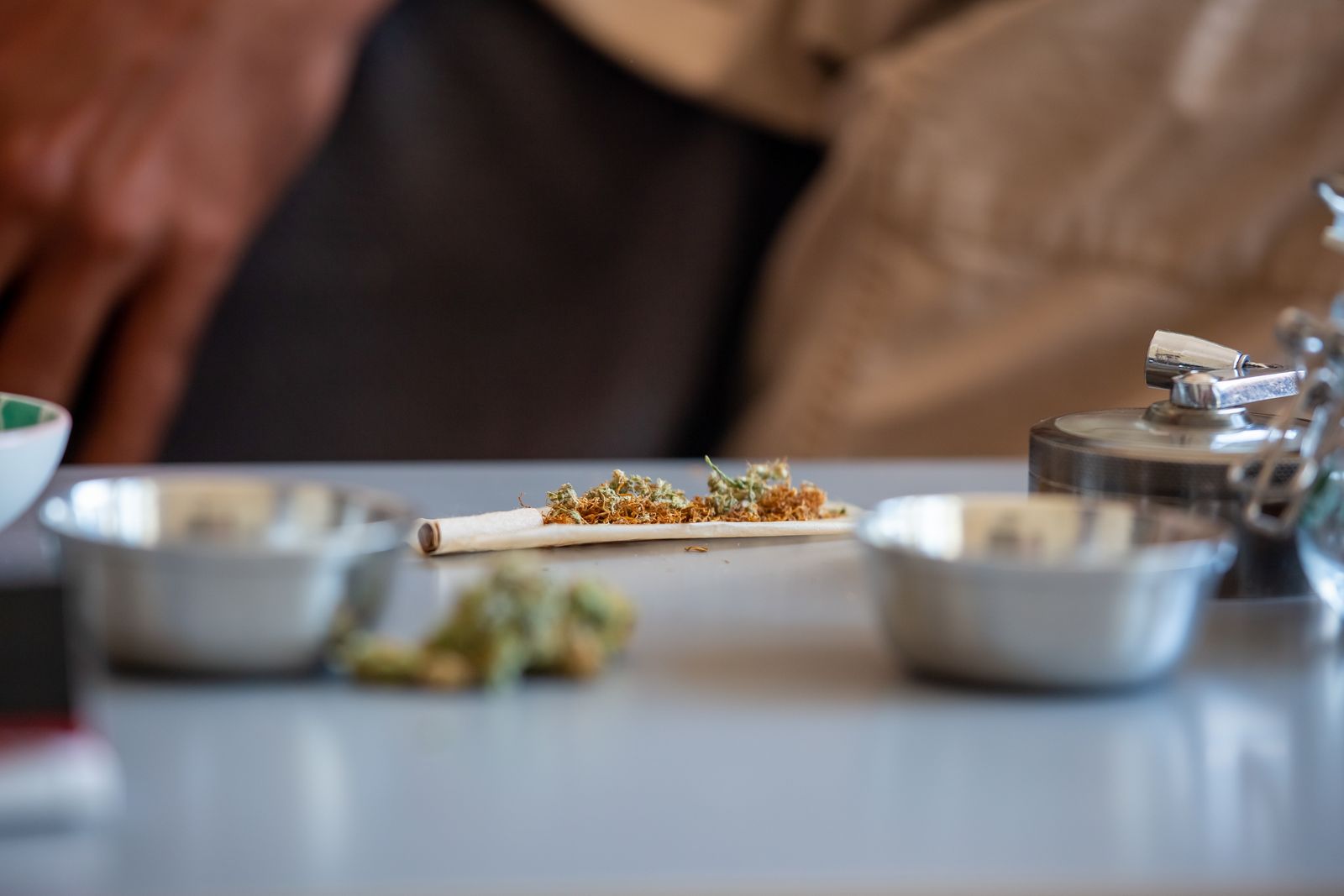
Most cannabis consumers think carefully about what they're inhaling — terpene profiles, cannabinoid ratios, combustion temperature, yet rarely stop to consider the organ absorbing the byproducts of every session. Your skin. At roughly 1.5 to 2 square metres of surface area, it's the body's largest organ, and it responds to smoke the way any living tissue does: with measurable, cumulative stress.
That's not a reason to panic. It is a reason to understand exactly what's happening — and what you can do about it.
Why Smoke Is Hard on Skin, Regardless of What You're Burning
The Mad Men era is the perfect reference point: an entire generation inhaled enthusiastically, blissfully unaware that every cigarette was accelerating collagen breakdown, constricting capillaries, and loading the dermis with oxidative stress. We now know better. And while smoking is bad for your skin across the board — regardless of the plant, the specific mechanism matters enormously when we're talking about cannabis versus tobacco.
Combustion produces carbon monoxide, free radicals, and polycyclic aromatic hydrocarbons regardless of the source material. These compounds deplete antioxidant reserves in the skin, impair microcirculation, and trigger inflammatory cascades that, over time, show up on your face. The skin doesn't distinguish between a cigarette and a joint at the molecular level — it simply registers the insult.
Research compiled by Very Well Mind identifies nine distinct ways that smoking damages skin from the inside out:
- Premature ageing of facial skin — accelerated breakdown of collagen and elastin fibres
- Sagging skin — loss of structural protein integrity and reduced subcutaneous fat support
- Psoriasis — smoke-triggered immune dysregulation worsens plaques
- Impaired wound healing — reduced oxygenation slows tissue repair
- Acne inversa (hidradenitis suppurativa) — inflammation of hair follicle-adjacent sweat glands
- Vasculitis — inflammation of blood vessel walls in the skin
- Telangiectasia — permanently dilated capillaries visible near the skin's surface
- Skin staining and colour changes — nicotine and tar-driven yellow discolouration of fingers, nails, and perioral skin
Cannabis smoke shares some, but not all, of these risks — which brings us to the critical distinction.
Where Cannabis Differs from Tobacco — and Where It Doesn't
Here's the good news: since most weed products lack nicotine and tobacco, cannabis consumers are already working from a less destructive baseline. Nicotine is a potent vasoconstrictor — it actively narrows the blood vessels that deliver oxygen and nutrients to your skin. Remove nicotine from the equation and you eliminate one of tobacco's most direct and damaging mechanisms.
That said, the combustion products from a cannabis joint are not benign. Cannabis smoke still contains carbon monoxide and free radicals, both of which reduce dermal oxygenation and accelerate oxidative damage. The comparison isn't "cannabis is safe to smoke" — it's "cannabis is demonstrably less harmful in this specific regard than tobacco."
Consider the contrast directly:
Tobacco smoke delivers nicotine (vasoconstrictive), tar (staining, carcinogenic), carbon monoxide, and thousands of chemical compounds — all with well-documented dermatological consequences accumulated over decades of research. Cannabis smoke delivers cannabinoids, terpenes, carbon monoxide, and combustion byproducts, without nicotine and without tobacco-specific nitrosamines, but still with meaningful oxidative load. The long-term skin research on cannabis combustion specifically is still catching up; scientists have simply not had the regulatory freedom to study it at scale until relatively recently. Under Canada's Cannabis Act framework, that research is now accelerating.
Your Skin Is Doing More Than You Realise — Protect It Accordingly
Seven functions. That's how much work your skin performs every single day, and most people give it no more thought than the paint on a wall.
- Mechanical, thermal, and physical protection — your first line of defence against the external world
- Moisture retention — preventing transepidermal water loss that leads to dryness and cracking
- UV radiation management — melanin production and structural filtering of harmful rays
- Sensory integration — touch, temperature detection, proprioception
- Thermoregulation — sweat glands and vasodilation/vasoconstriction in response to temperature shifts
- Immune surveillance — Langerhans cells detect and respond to pathogens before they penetrate deeper tissue
- Vitamin D synthesis — UVB exposure triggers the conversion of 7-dehydrocholesterol to previtamin D3, essential for bone density and immune function
When smoke compromises microcirculation and floods the dermis with oxidative stress, it doesn't just affect how you look. It degrades the organ's ability to perform every one of these functions. Dry, cracked skin from impaired moisture retention isn't merely cosmetic — it's a breach in your immune barrier.
The Topical Cannabis Exception: When the Plant Becomes a Skin Ally
Here's where the story takes a genuinely interesting turn.
The research on smoked cannabis and skin health remains limited and inconclusive — scientists don't yet have enough data to say definitively whether inhaling cannabis causes or benefits conditions like acne. But topical cannabis is a different matter entirely, and the evidence base is growing quickly.
The American Academy of Dermatology Association (AAD) has acknowledged that the anti-inflammatory properties of CBD may aid in the management of acne, psoriasis, and eczema. These are not fringe claims — they reflect a legitimate and expanding body of peer-reviewed dermatological research. The endocannabinoid system, it turns out, is expressed throughout the skin. CB1 and CB2 receptors are present in keratinocytes, sebaceous glands, and immune cells within the dermis, which explains why topical cannabinoids can modulate sebum production, reduce inflammatory cytokine activity, and calm the overactive immune responses that drive conditions like psoriasis.
CBD-dominant topicals have shown the most consistent evidence, particularly for:
- Acne — reducing sebocyte proliferation and normalising lipid production in the sebaceous gland
- Psoriasis — modulating keratinocyte differentiation and reducing inflammatory plaque formation
- Eczema (atopic dermatitis) — improving barrier function and reducing itch-inflammation cycles
- General dryness and barrier repair — hemp seed oil, rich in omega-3 and omega-6 fatty acids in a near-ideal 3:1 ratio, supports the skin's lipid barrier directly
This distinction — smoked cannabis as a potential irritant, topical cannabis as a potential therapeutic, is one of the most important nuances in the entire cannabis-and-skin conversation.
The Booming World of Cannabis Skincare in Canada
Walk into any Sephora location in Toronto, Vancouver, or Calgary and you'll find a dedicated section for CBD-infused skincare. Browse major online marketplaces and the options are staggering: bath soaks, lip balms, multi-purpose oils, body butters, transdermal patches, facial serums, and eye creams. Specialty boutiques across Canada have built entire business models around hemp-derived beauty products.
This is not a fad. The global cannabis beauty market was valued in the billions CAD and is growing at a compound annual rate that has traditional cosmetic houses scrambling to develop their own cannabinoid lines. Retailers from mass market to luxury tier are adding hemp-infused formulations — everything from tinted lip treatments to intensive overnight repair masks.
For the Canadian consumer navigating this landscape, a few practical filters help:
- Look for full-spectrum or broad-spectrum CBD extracts rather than isolates — the entourage effect applies to topical use as well
- Confirm that THC content in topicals complies with Health Canada regulations if you're concerned about psychoactive exposure (topical absorption of THC through intact skin is minimal, but the regulatory context matters)
- Check for third-party certificates of analysis — reputable Canadian brands will publish them without hesitation
- Hemp seed oil and CBD extract are not the same thing; hemp seed oil contains no significant cannabinoids but delivers excellent fatty acid nourishment
The right product depends entirely on your skin type and concern. Oily, acne-prone skin responds well to lightweight CBD serums and gel-based formulations. Dry or sensitive skin benefits from richer hemp-infused balms and body butters. Inflamed or compromised skin — including those managing psoriasis or eczema, may find the most relief from high-CBD, low-irritant formulas with minimal fragrance.
What This Means for Growers and Consumers
If you're growing your own cannabis under Canada's personal cultivation allowance — up to four plants per household, the strain you select matters far beyond the high. High-CBD, low-THC cultivars are increasingly interesting not just for their therapeutic smoking or vaping profiles, but as potential source material for home-made topical extractions. An indica-leaning cultivar with a rich terpene profile, myrcene for its anti-inflammatory properties, linalool for its calming effect on irritated tissue, is worth considering as more than just a flower to smoke.
For consumers focused on harm reduction, the message from the Marijuana Facts body of research is consistent: the mode of consumption shapes the risk profile dramatically. Edibles and tinctures bypass combustion entirely. Dry-herb vaporisers operating at sub-combustion temperatures (typically 170–210°C) significantly reduce the volume of carbon monoxide and combustion byproducts relative to a traditional joint. And topical products — applied directly to the skin rather than introduced through it via smoke, leverage cannabis's dermatological benefits without any of the respiratory or oxidative downsides.
None of this means that smoking cannabis is categorically dangerous for your skin in the way tobacco is. The science simply doesn't support that conclusion yet. What it does support is a harm-reduction lens: understanding that combustion carries costs, that those costs accumulate over time, and that cannabis offers genuinely diverse consumption pathways that can reduce or eliminate those costs without sacrificing the experience you're after.
Your skin has been quietly working for you every hour of every day since you were born. The least you can do is make consumption choices that don't make its job harder than it needs to be — and explore whether the plant you're growing might, in another form entirely, actually help it do that job better.