Start Your Day With a Cosy Cup of Cannabis Tea
8 min read · , updated May 14, 2026
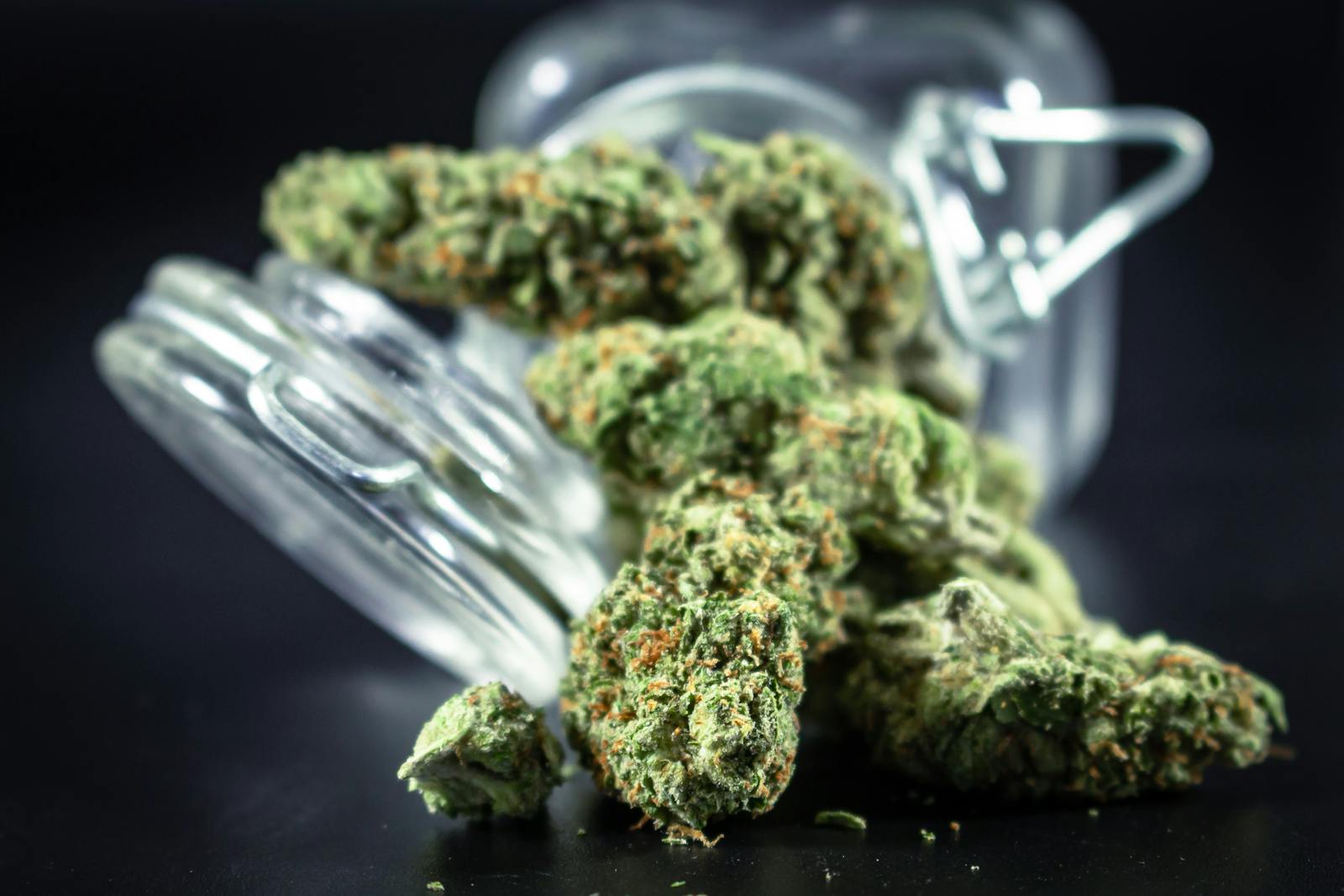
Coffee gets all the glory, but the most underrated morning ritual in any Canadian cannabis enthusiast's toolkit is a steaming mug of cannabis tea — gentle, warming, and far easier to prepare than most people imagine. While edibles demand precision timing, kitchen scales, and a willingness to babysit an oven, cannabis tea asks almost nothing of you. A gram of ground flower, some boiling water, a tablespoon of fat, and fifteen minutes of patience. That's it. That's the whole ceremony.
Whether you're managing a slow morning or looking for a longer-lasting alternative to your usual smoke session, cannabis tea deserves a permanent spot in your routine. Here's everything you need to know to brew it properly, dose it wisely, and actually enjoy the cup.
How to Make Cannabis Tea: The Simple Method That Actually Works
The reason cannabis tea intimidates newcomers is that people conflate it with cannabis cooking — and cooking with cannabis is genuinely technical. Decarboxylation, precise oven temperatures, infusion times, cannabinoid degradation curves. None of that applies here. Cannabis tea shortcuts the process in a way that keeps your morning routine intact.
Here's what you need for a single, well-dosed batch:
- 1 gram of finely ground cannabis flower
- 4 cups of filtered water, brought to a rolling boil
- 1 tablespoon of unsalted butter or coconut oil (more on why this matters shortly)
- A fine mesh sieve or reusable tea strainer
- Sweetener of your choice — honey, agave, or maple syrup all work beautifully
The method is as follows:
- Bring your water to a boil in a small saucepan, then reduce to a steady simmer.
- Add the ground cannabis and the fat directly to the simmering water.
- Maintain the simmer for 15 minutes, stirring occasionally. Keep the heat low enough that you're not aggressively boiling off your water — a gentle bubble is ideal.
- Strain the liquid through your sieve into a mug, pressing gently on the plant material to extract as much of the infused water as possible.
- Sweeten and flavour as desired, then serve immediately.
Flavour pairing matters more than most guides admit. Cannabis tea on its own has an earthy, grassy bitterness that some people love and others find challenging. The cleanest solution is to combine your ground flower with a complementary loose-leaf tea before steeping. Peppermint and cannabis create a surprisingly fresh, almost herbal pairing. Ginger amplifies the warming body sensation many users report. Lemon and chamomile soften the green earthiness and suit an evening wind-down better than a morning brew. With hundreds of blending options available at any Canadian specialty tea shop, there's no reason to drink a cup you don't enjoy.
Psychoactive vs. Non-Psychoactive: Understanding the Fat Factor
This is the single most important piece of chemistry in cannabis tea, and it's simpler than it sounds.
THC — delta-9-tetrahydrocannabinol, the primary intoxicating cannabinoid, is lipophilic. It bonds to fat molecules, not water molecules. When you steep cannabis in plain hot water, the water-soluble terpenes and some minor cannabinoids will extract, but the THC largely will not activate or absorb efficiently in your body without a lipid carrier. The tablespoon of butter or coconut oil in your pot is doing critical work: it binds the THC during the simmer and then carries it through your digestive system to your bloodstream.
Want psychoactive effects? Include the fat. Butter, coconut oil, whole milk, or even a generous splash of heavy cream stirred in at the end all accomplish the same goal.
Want a non-psychoactive cup? Simply omit the fat entirely. You'll still get a flavourful, terpene-rich brew that delivers a mild, grounding effect — particularly relevant for CBD-dominant strains, without any intoxication. This makes fat-free cannabis tea a legitimate option for people who want to incorporate cannabis into a workday morning, are subject to workplace wellness policies, or simply prefer a clearer-headed experience.
This psychoactive/non-psychoactive split is also what makes cannabis tea so versatile compared to smoking or vaporising, where there's no equivalent "off switch" for the high. With tea, you're in control of the effect profile before you ever boil the water.
Onset Time and Duration: Why Patience Is Non-Negotiable
Here is where the most common — and most unpleasant, mistakes happen.
Cannabis tea behaves exactly like a cannabis edible in your body, because metabolically, it is one. After you finish your cup, the cannabinoids must travel through your digestive tract, pass through your gut wall, and be processed by your liver before you feel any effect. That process typically takes between 45 minutes and 1.5 hours for most people. For those with a slower metabolism or who drank their tea on a full stomach, it can take up to two full hours before anything registers.
The effects, once they arrive, last considerably longer than inhalation — generally 4 to 8 hours, depending on dose, individual metabolism, and the cannabinoid profile of the flower you used. This extended duration is genuinely useful for chronic pain management, sustained creative work, or a long, relaxed Saturday. It is considerably less useful if you misjudge the onset window and drink a second cup "because nothing's happening yet."
Don't do that. The golden rule of all cannabis edibles and beverages applies here without exception: start low, wait fully, and dose incrementally across separate sessions rather than a single morning. One gram in four cups of water is a reasonable starting point for most adults. Adjust strain potency and quantity once you understand how your body responds.
Why Drink Cannabis Tea? The Real Benefits Beyond the Buzz
The appeal of cannabis tea isn't purely recreational — though recreational use is perfectly valid and explicitly legal for Canadian adults under the Cannabis Act, enjoyed responsibly at home or in licensed spaces.
The extended, gradual onset that cannabis tea shares with edibles makes it particularly well-suited to therapeutic applications where sustained relief matters more than immediate effect. Anecdotal reports — and a growing body of preliminary research, consistently point to cannabis's interaction with the endocannabinoid system as potentially relevant for:
- Anxiety: The slower absorption curve of an oral cannabis beverage can produce a gentler, more manageable onset of calming effects compared to the fast spike and taper of inhalation.
- Inflammation: Both THC and CBD have been studied for anti-inflammatory properties; a warm, fat-infused cannabis tea delivers both cannabinoids and anti-inflammatory terpenes like beta-caryophyllene and myrcene into a form your body processes thoroughly.
- Digestion: Warm liquids support gut motility generally, and cannabis's interaction with CB1 and CB2 receptors in the gastrointestinal tract has been a subject of ongoing research for conditions involving digestive discomfort.
It's worth stating clearly: cannabis should never be positioned as a cure or permanent medical treatment for any condition or illness. These are observed associations, not clinical endorsements, and anyone managing a health condition should discuss cannabis use with a qualified healthcare provider.
What cannabis tea is unambiguously good for is the morning ritual itself. There is something genuinely civilising about sitting down with a warm cup before the day accelerates. Adding cannabis to that cup — through a method that takes fifteen minutes and produces no smoke, no smell, and no complicated equipment, is an elegant solution for Canadian adults who want to incorporate cannabis into daily life without drama.
Choosing the Right Strain for Your Cup
Not every strain brews equally well in terms of the experience it produces, and this is where a grower's knowledge pays real dividends. The cannabinoid and terpene profile you choose shapes everything from onset character to duration to flavour.
For a morning cup where you still need to be functional and reasonably focused, a sativa-dominant feminized strain with moderate THC — something in the 18–22% range, and a terpene profile dominated by limonene and pinene will generally produce an uplifting, mentally clear effect rather than a heavy body lock. Keep your dose conservative; remember, oral administration hits harder than the same gram smoked.
For an evening cup — perhaps chamomile and cannabis, brewed without fat for a gentle unwinding effect, indica-dominant genetics with higher myrcene content are classically suited. Myrcene has long been associated with the sedative, heavy "couch" quality of classic indica strains, and that character translates clearly into a tea preparation.
If you're growing your own flower specifically for tea (an increasingly popular approach among Canadian home cultivators, who may legally grow up to four plants per household under federal law), strain selection becomes a cultivation decision as much as a flavour one. Pacific Seed Bank carries a wide selection of feminized and autoflowering genetics suited to Canada's varied growing conditions — from the long summer days of the Interior BC to the shorter outdoor seasons of Ontario and the Maritimes.
Beyond the Cup: Cannabis Beverages Are Just Getting Started
Cannabis tea is the entry point to a much broader world of cannabis-infused beverages that is expanding rapidly across Canada. The same principles — fat as a carrier for THC, hot water as a solvent for terpenes and water-soluble cannabinoids, careful dosing to manage onset, apply to a growing range of preparations.
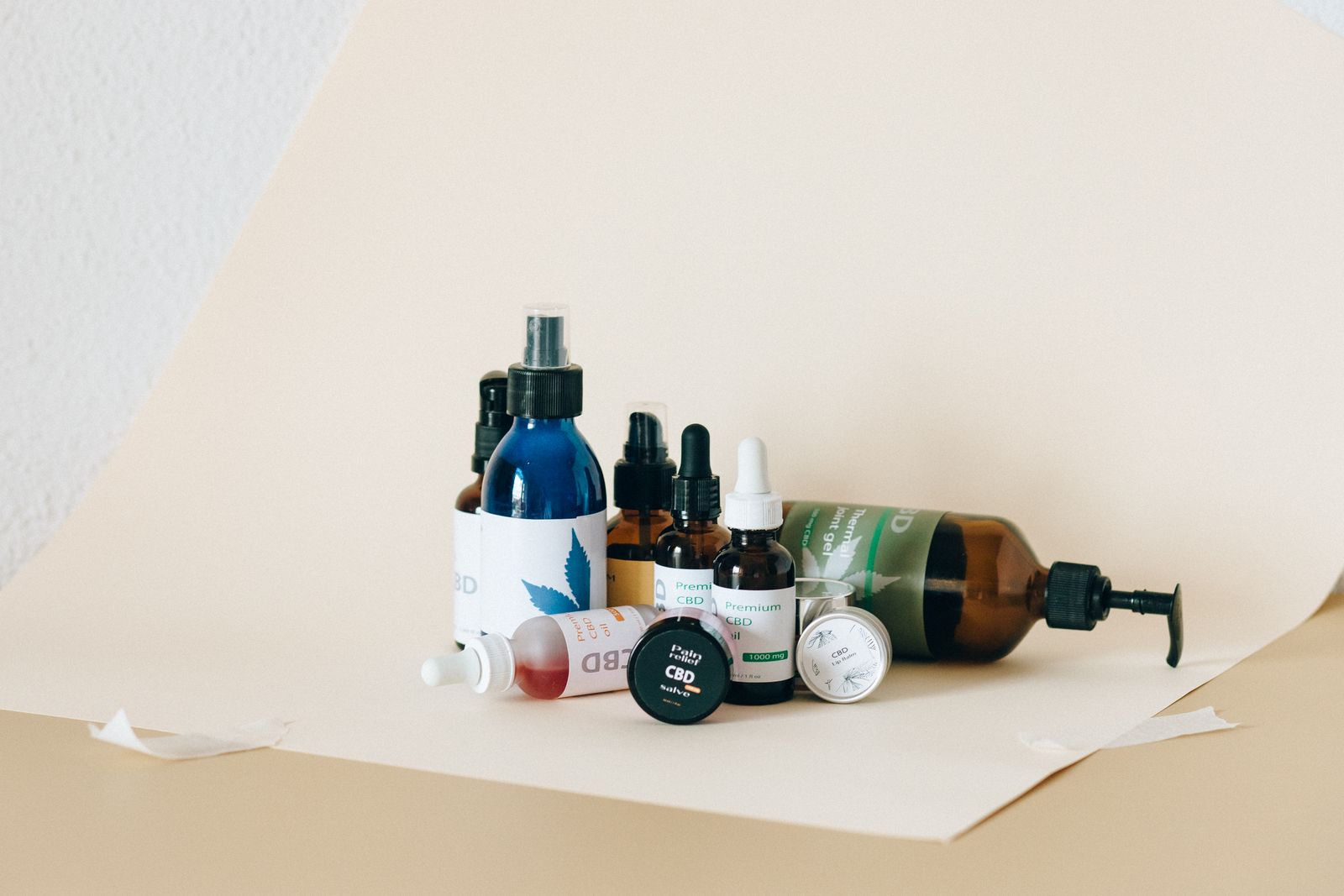
Cannabis-infused hot chocolate has become a cold-weather staple for many home enthusiasts; whole milk and cocoa butter provide ideal lipid content for THC extraction, and the theobromine in chocolate complements cannabis's relaxing cannabinoids in ways that pair intuitively. Infused cocktails and mocktails have begun appearing in licensed cannabis lounges and private social settings. CBD shots are now a menu item at specialty coffeehouses in major Canadian cities. Even cannabis-infused beer — technically a non-alcoholic hemp beverage in most commercial iterations, is a growing product category.
The beverage frontier for cannabis is genuinely in its early stages. The technical challenge of emulsifying hydrophobic cannabinoids into water-based drinks is an active area of food science, and nanoemulsion technology is beginning to close the gap. What's already accessible to the home enthusiast, though — a simple brewed cannabis tea, tailored to your strain, your tolerance, and your morning, requires none of that technology. Just good flower, a small pot, and fifteen unhurried minutes.
For deeper dives into preparation methods, strain guidance, and the full spectrum of cannabis lifestyle content, the How To Use Marijuana? section of the Pacific Seed Bank blog is a consistently reliable resource worth bookmarking.
Start with one gram, choose a strain you trust, add your fat if you want the full experience, sweeten generously, and give your body the time it needs to respond. Do that, and cannabis tea stops being a novelty and starts being a genuinely excellent way to begin the day.