You could smoke a high-THC indica, rub a cannabinoid-infused balm on your aching knee, and only one of those choices would leave you fully functional for the rest of the day. That distinction — localised relief without systemic psychoactivity, is exactly why cannabis topicals have carved out a serious, rapidly growing niche in Canada's legal market since the Cannabis Act came into force.
Whether you're a home grower pressing your own trim into a healing salve or a first-time buyer browsing a licensed retailer's shelf, understanding how topicals work at the biochemical level, which conditions they genuinely address, and how to make a high-quality batch from scratch will sharpen every decision you make. Let's dig in.
How Cannabis Topicals Work: Skin, Fat Cells, and the Endocannabinoid System
The mechanism is elegant in its simplicity, yet routinely misunderstood.
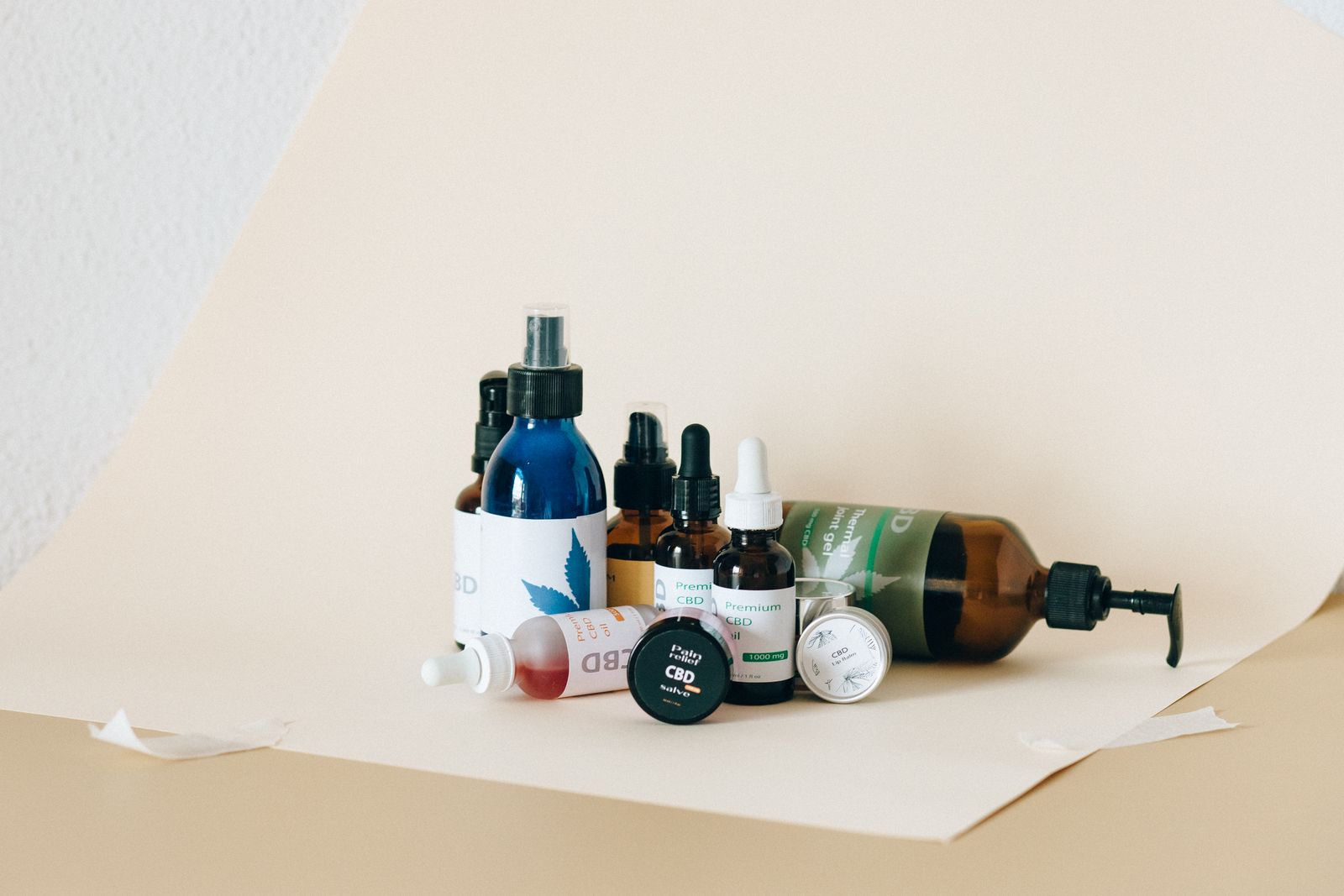
When you apply a cannabis topical — cream, balm, salve, spray, or transdermal patch, the cannabinoids (primarily THC, CBD, CBG, and CBN) penetrate the upper layers of the dermis and subcutaneous tissue. Your skin is rich in CB1 and CB2 receptors, both part of the broader endocannabinoid system (ECS). These receptors respond to incoming cannabinoids locally, modulating inflammation signals, pain perception, and immune cell activity right where you applied the product.
Critically, the lipophilic (fat-loving) nature of cannabinoids means they bind to fat cells in the skin rather than diffusing into capillaries at meaningful concentrations. They stay centralised. That's why, as the source of this topical article correctly emphasises, you'll enjoy fast relief — often within ten minutes, without the cannabinoids reaching your bloodstream in quantities sufficient to produce psychoactivity.
A note on absorption enhancers: professional formulators often add penetration agents like lecithin, dimethyl sulfoxide (DMSO), or certain terpenes (notably caryophyllene, limonene, and pinene) to drive cannabinoids deeper into tissue. If you're formulating at home, food-grade sunflower lecithin stirred into your carrier oil is the easiest, most accessible option available at any health food store in Canada.
What Conditions Do Cannabis Topicals Actually Treat?
Topicals are not a cure-all, but their clinical and anecdotal support covers a meaningful range of surface and soft-tissue complaints.
- Inflammatory skin conditions: Psoriasis and eczema respond particularly well, as CB2 receptor activation suppresses the overactive immune response that drives both conditions.
- Minor wounds, cuts, and scratches: Cannabis has documented antimicrobial properties; a balm over a minor cut can protect the site while easing localised pain.
- Insect bites and contact dermatitis: The anti-inflammatory action of CBD and THC together helps calm histamine-driven redness and swelling quickly.
- Dry and flaky skin: A well-formulated topical built on shea butter or beeswax base moisturises while delivering cannabinoids.
- Mild burns: Anecdotally popular among kitchen workers and outdoor labourers; cooling aloe combined with a CBD-rich oil is a classic home remedy.
- Swelling, bruises, and soft-tissue soreness: Athletes across Canada are increasingly turning to post-workout topicals to manage DOMS (delayed onset muscle soreness) without reaching for NSAIDs.
- Signs of ageing and general skin health: The antioxidant profile of cannabis compounds — particularly CBD and certain terpenes — is attracting serious attention from the cosmetics industry.
Beyond these common applications, some formulators incorporate high-CBG strains into topicals targeting scalp conditions and acne, given CBG's well-documented antibacterial activity against Staphylococcus aureus. It's an area of real promise, and home growers with access to a CBG-rich cultivar are well-positioned to experiment.
THC vs. CBD Topicals: Choosing the Right Cannabinoid Profile
The comparison here matters far more than most buyers realise, and the difference is not simply one of legality.
CBD-dominant topicals (containing less than 0.3% THC) are widely available at pharmacies, health food stores, and online retailers across every Canadian province. They're straightforward to travel with, carry no risk of psychoactivity even if accidentally ingested in small amounts, and are federally compliant under the Cannabis Act at the CBD-only threshold. They excel at anxiety-adjacent skin conditions — stress-triggered eczema flares, for instance, because CBD's anxiolytic properties complement its anti-inflammatory action.
Full-spectrum THC topicals, by contrast, deliver what researchers call the "entourage effect": THC, CBD, minor cannabinoids, and the strain's native terpene profile all working synergistically. The result is a broader, more complete anti-inflammatory response that many users describe as qualitatively different from CBD alone — deeper, more lasting, and more effective against acute pain. Interestingly, CBD itself moderates the psychoactivity of THC even in topical form; the two cannabinoids are thought to compete for the same receptor binding sites, which helps keep the experience grounded and functional.
If CBD is all you need — mild dryness, general skin maintenance, minor irritation, there's no reason to introduce THC into your formulation or your budget. But for significant inflammation, post-surgical bruising, or chronic joint soreness, a full-spectrum topical from a high-resin cultivar will almost always outperform a CBD isolate product.
Will a Cannabis Topical Get You High?
No — with one narrow caveat.
Because the cannabinoids remain sequestered in the dermis and subcutaneous fat rather than crossing into systemic circulation, there is no psychoactive effect. You won't feel the cerebral lift, the altered time perception, the dry mouth, or any of the other hallmarks of inhaled or ingested THC. This makes topicals uniquely accessible: someone who has never consumed cannabis in any form can apply a THC-rich balm to an arthritic knuckle and go about their day without disruption.
The caveat: do not ingest your topical. If cannabis-infused oil enters the digestive tract, it metabolises as an edible would — including the conversion of THC to 11-hydroxy-THC, which crosses the blood-brain barrier with considerably more potency than inhaled THC. Keep topicals out of reach of children and clearly labelled in your home.
Drug Testing and Cannabis Topicals: The Real Risk Picture
The overwhelming consensus from both research and practical experience is that standard topicals do not produce a positive drug test result. Drug screening measures THC metabolites in blood, urine, or saliva — metabolites that only form when THC enters the bloodstream and is processed by the liver. Since a correctly formulated topical doesn't deliver THC to systemic circulation, there are typically no metabolites to detect.
That said, there are two documented exceptions worth noting:
- Transdermal patches: Unlike creams and balms, transdermal patches are specifically engineered to drive cannabinoids through the dermal barrier and into the bloodstream for systemic effect. If you're subject to drug testing, treat a transdermal patch exactly like you would an edible or tincture.
- Very high-concentration topicals applied to compromised skin: Open wounds, abraded skin, or conditions that significantly disrupt the dermal barrier may allow more cannabinoid absorption than intact skin would. Rare positive tests have been associated with this scenario.
When in doubt, switch to a CBD-only topical in the days before a test. The margin of safety is much wider, and the therapeutic effect for many conditions is sufficient.
Cannabis Topicals in Canada: The Legal Framework
Under the Cannabis Act, recreational cannabis — including topicals containing THC, has been legal nationwide since October 2018. Cannabis 2.0 regulations, which came into effect in late 2019, formally created the category for cannabis topicals and established the framework that licensed producers operate within today.
Key points for Canadian consumers and home growers to keep in mind:
- THC-containing topicals must be purchased through a licensed retailer (provincial online stores or brick-and-mortar retailers, depending on your province).
- Under personal cultivation rules, adults in most provinces may grow up to four plants per household. The cannabis they produce can legally be used to make personal-use topicals at home.
- Quebec and Manitoba restrict home cultivation under provincial law — if you're in either province, check current regulations before growing your own source material.
- CBD topicals with less than 0.3% THC occupy a grey-to-clear zone and are widely available through health retailers, though Health Canada's framework for these products continues to evolve.
How to Make Cannabis Topicals at Home: A Grower's Method
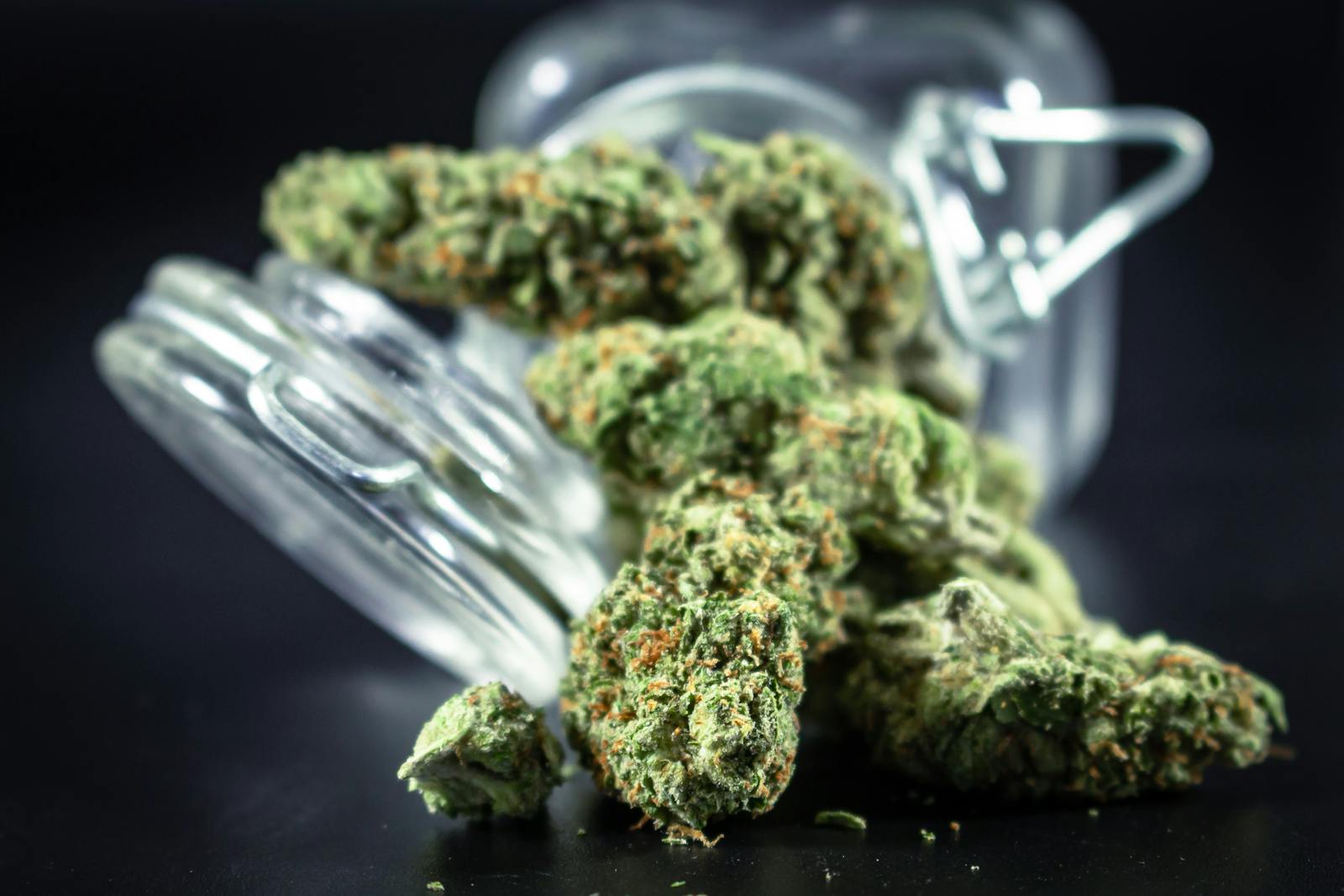
Home growers have a genuine advantage here. Fresh, properly cured flower — especially indica-dominant cultivars bred for high resin content, makes a dramatically superior topical compared to trim-based commercial extracts. If you're growing something like a myrcene-heavy, 80% indica with broad-spectrum cannabinoid density, you're starting with better raw material than most commercial brands.
Here is a reliable foundational method:
- Decarboxylate your cannabis. Spread ground flower on a baking sheet and bake at 110°C (230°F) for 40–50 minutes. This converts inactive THCA to active THC and CBDA to CBD — a step you cannot skip.
- Infuse a carrier oil. Coconut oil, olive oil, and fractionated MCT oil are all excellent choices. Combine the decarbed cannabis with your oil in a double boiler and maintain a temperature of 80–90°C for 2–3 hours. Do not exceed 120°C or you'll volatilise terpenes and degrade cannabinoids.
- Add sunflower lecithin. At roughly 1 tablespoon per cup of oil, lecithin acts as an emulsifier and penetration enhancer, improving cannabinoid delivery to the dermis meaningfully.
- Strain thoroughly. Use a fine-mesh sieve lined with cheesecloth. Squeeze out every drop — that infused oil is your active base.
- Build your balm or cream. Melt beeswax (for a firm balm) or shea butter (for a softer cream) with your infused oil in a ratio of roughly 1 part beeswax to 4 parts oil. Adjust for your desired consistency. Pour into tins or glass jars while still liquid.
- Add terpenes or essential oils. Lavender (linalool-rich, calming), eucalyptus (anti-inflammatory), or peppermint (cooling, ideal for sore muscles) all complement cannabis's native terpene profile and give your balm a clean, appealing scent.
- Label and store correctly. Store in a cool, dark location. A well-made cannabis balm in an airtight tin is stable for 6–12 months.
For a more potent topical, consider starting with a water-hash or dry-sift concentrate from your trim run rather than whole flower. The higher starting concentration means more cannabinoids per gram of finished balm — particularly useful for targeting acute joint pain or significant inflammation.
Best Strains for Topical Production
Not all cultivars perform equally in a topical context. The best candidates combine high total cannabinoid content with terpene profiles that independently contribute anti-inflammatory or analgesic properties.
- Indica-dominant, high-myrcene cultivars are the traditional go-to for pain-and-inflammation topicals. Myrcene potentiates cannabinoid absorption and carries its own muscle-relaxant activity.
- High-CBD strains (10%+ CBD, with moderate THC) are ideal for skin-condition topicals where anti-inflammatory action is the goal and minimising psychoactive risk is a priority, even in a topical form.
- CBG-rich cultivars are worth growing specifically for antibacterial topicals targeting acne or scalp conditions. Though still relatively rare in the Canadian seed market, they're increasingly available.
- Limonene-forward sativas round out a citrus-scented, mood-adjacent topical that works beautifully in a facial serum format — uplifting terpene profile, antimicrobial action, and a pleasant application experience.
Whatever cultivar you're working with, harvest timing matters as much for topicals as for smokeable flower. Trichomes cloudy-to-amber at harvest means maximum THC content and a fuller terpene profile — both of which translate directly into a more effective finished product.
Cannabis topicals represent one of the most accessible, versatile, and frankly underappreciated formats in the entire legal market. They ask nothing of the user in terms of experience with cannabis, require no special equipment to consume, and deliver genuine relief with a safety profile that almost no other cannabinoid delivery method can match. For growers, they're also a deeply satisfying way to transform every part of the harvest — not just top-shelf flower, but sugar leaves, small buds, and trim, into something genuinely useful. Grow well, formulate with intention, and your medicine cabinet will never look the same.