How to Choose the Right Cannabis Growing Medium
9 min read · , updated May 14, 2026
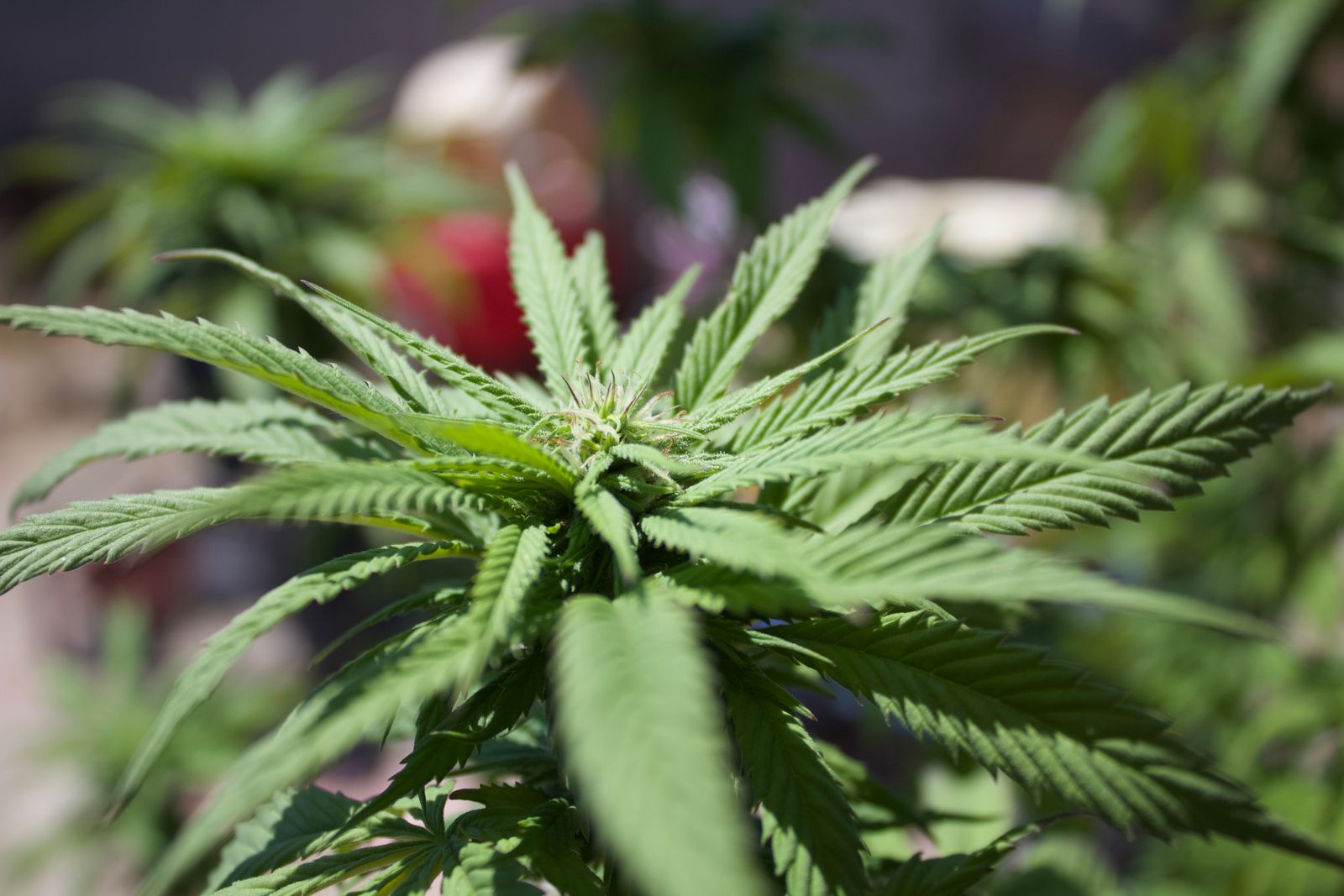
Your growing medium isn't just a place to stick your roots — it's the single most influential variable you control before a seed ever germinates. Get it right, and even a moderately skilled grower can pull exceptional harvests. Get it wrong, and the best genetics in the world won't save you.
From the organic complexity of living soil to the surgical precision of deep water culture, every medium rewards a different kind of grower. Below is everything you need to make an informed, confident choice — whether you're popping your first seed under a Canadian grow light or dialling in your fifth indoor cycle.
What Actually Matters When Choosing a Growing Medium
The medium you choose shapes almost every downstream decision: how often you water, how you manage nutrients, how aggressively you can push growth, and even how complex your final terpene profile becomes. Before defaulting to whatever the local hydroponics shop stocks, ask yourself a few honest questions.
- How much time can I realistically spend monitoring pH levels, electrical conductivity, and environmental data each day?
- Am I growing indoors, outdoors, or in a greenhouse?
- Is my primary goal maximum yield, peak flavour and aroma, or speed from seed to harvest?
- Do I want a forgiving, low-maintenance setup, or am I comfortable with a steeper learning curve in exchange for greater control?
- What is my realistic budget for equipment, amendments, and ongoing inputs?
As a general rule: soil is the most forgiving and flavour-forward; hydroponics is the most precise and yield-focused; mediums like coco coir, rockwool, and peat mixes sit between those two poles, offering meaningful efficiency gains without the full complexity of a recirculating system. Keep those three buckets in mind as we go deeper.
Soil: The Time-Tested Foundation of Cannabis Cultivation
There is a reason soil has been the default growing medium for cannabis cultivators across centuries and continents. It works — and it works with a generosity that no other medium quite replicates.
Soil acts as a biological buffer. The organic matter, microbial networks, and mineral content within a quality substrate interact dynamically with your plant's roots, slowing the uptake of both water and nutrients in a way that forgives minor overfeeding or irregular watering schedules. That buffering effect is why beginners consistently succeed in soil when they'd struggle in a hydro setup. More importantly, the complex microbial ecosystem of living or organic soil — think mycorrhizal fungi, beneficial bacteria, and worm-derived humic acids, produces terpene profiles that are genuinely difficult to replicate in soilless environments. Growers who prioritise flavour and aroma almost always reach for soil first.
Not every bag of potting mix deserves a place in your tent, though. The best cannabis soil shares a specific set of characteristics.
- Well-aerated: Loose, fluffy texture that allows oxygen to reach the root zone and supports vigorous root branching.
- Excellent drainage: Prevents the standing moisture that leads to root rot, fungus gnats, and anaerobic conditions.
- Moisture-retentive: Holds enough water between feeds without becoming waterlogged — a balance typically achieved with perlite additions.
- Nutrient-rich: Compost, worm castings, kelp meal, and other organics provide a slow-release nutritional foundation.
- pH-balanced: Cannabis roots thrive in a soil pH of 6.0–7.0; outside this window, nutrient lockout becomes your biggest obstacle.
- Biologically active: Living soil with diverse microbial populations dramatically improves nutrient cycling and plant immune response.
Building or Buying: Which Soil Is Right for You?
Pre-mixed commercial blends like FoxFarm Ocean Forest or Roots Organics are genuinely excellent starting points for beginners — they're balanced, widely available across Canada, and require minimal amendment out of the bag. Many experienced cultivators, however, craft their own blends by combining compost, worm castings, perlite (typically 20–30% by volume for drainage), peat moss, and coco coir. This approach lets you tailor drainage speed, nutrient density, and water retention precisely to your strain's phenotype and your grow room's microclimate.
A well-built living soil can also carry your plants through the entire vegetative phase with minimal supplemental feeding — a meaningful advantage for growers who prefer a hands-off approach once the system is established.
Hydroponics: Precision Growing for Those Who Want to Push Limits
Hydro has a reputation for complexity, and that reputation is earned. It also has a reputation for exceptional yields and rapid growth — and that reputation is equally well-deserved.
In a hydroponic setup, soil is eliminated entirely. Plant roots grow directly into, or are continuously bathed by, an oxygenated, nutrient-rich water solution. The roots absorb everything they need with virtually no resistance, which is why hydro-grown plants in a dialled-in system can grow 20–30% faster than their soil counterparts and regularly produce top-tier yields per square metre. Hydro's popularity among commercial Canadian licensed producers is no accident — when you need consistent, scalable output, recirculating systems are hard to beat.
A functional hydroponic setup requires several key components.
- A reservoir to hold your nutrient solution at the appropriate volume for your plant count.
- An air pump and air stones to keep dissolved oxygen levels high — roots in stagnant water die quickly.
- A physical support structure, such as net pots, a floating raft platform, or a grow tray, depending on your system type (DWC, NFT, ebb-and-flow, etc.).
- Precise monitoring equipment: a digital pH meter, an EC (electrical conductivity) meter, and both a water and ambient air thermometer.
Once operational, hydroponics gives you command over every input your plant receives. That precision is the medium's defining strength — and its defining demand.
The Variables You Must Monitor in Hydro
Because there is no soil buffer, errors propagate quickly in a hydro system. A pH spike that a soil grow would absorb becomes a nutrient lockout within hours in DWC. Keep tight control of the following at all times.
- pH: Maintain between 5.5 and 6.5 for hydroponic systems (slightly lower than soil) to ensure all macro- and micro-nutrients remain soluble and available.
- Electrical Conductivity (EC): EC measures the total dissolved solids — i.e., the nutrient strength — of your solution. Seedlings typically tolerate EC 0.8–1.2; flowering plants may need EC 1.6–2.4 depending on the strain and system.
- Water temperature: Keep reservoir water between 18–21°C. Above 22°C, dissolved oxygen drops sharply and pythium (root rot) risk spikes.
- Air temperature and VPD: Canopy air temperature of 21–29°C with a vapour pressure deficit of 0.8–1.2 kPa during veg and 1.0–1.5 kPa during flowering supports optimal transpiration and uptake.
Matching Strains to Mediums: A Practical Guide
Medium choice and strain genetics are not independent decisions. The right pairing amplifies the best traits of both; a mismatch leads to nutrient stress, flavour suppression, or underperformance at harvest.
Soil and indica-dominant strains are a natural partnership. Indicas are bred for resin density and flavour complexity, and organic soil's slow-release nutrition and microbial richness draw those traits out beautifully. Landrace-derived genetics like Mag Landrace, the rare feminized expression of a true original, and North American, a classic continent-shaped hybrid, both respond exceptionally well to nutrient-dense, moisture-retentive soil amended with worm castings and quality compost.
Sativa-dominant strains are often associated with hydro, but that's an oversimplification. Durban Poison, the beloved South African pure sativa, and Super Silver Haze, the legendary three-time Cannabis Cup champion sativa hybrid, both perform admirably in well-aerated, nutrient-dense soil — provided drainage is excellent and pH stays consistently in range. Where they excel in hydro is in growth speed: sativa phenotypes given direct root access to dissolved nutrients often display the explosive internode extension that makes these strains so visually dramatic.
Hydroponic systems are particularly well-suited to hybrid and sativa-leaning genetics where yield maximisation is the goal. White Widow, the iconic Dutch hybrid that balances resin production with vigorous growth, thrives in DWC where its aggressive root system can fully express itself. Blue Haze Auto, a blueberry-tinted haze autoflower, benefits enormously from the consistent nutrient delivery hydro provides — particularly important for an automatic that cannot afford recovery time from stress. Amnesia Haze, one of the most celebrated sativa-dominant cultivars in Canadian grow rooms, routinely delivers its signature citrus-diesel terpene profile with additional potency when grown hydroponically under dialled-in conditions.
Don't overlook indica genetics in hydro, either. Northern Lights, the indica-leaning Afghan-Thai classic, responds well to the precise feeding schedules hydro allows, producing dense, resin-coated buds with reliable consistency. Granddaddy Purple, the California-born indica known for its deep violet colouration and grape-forward terpenes, can express exceptional colour development under hydro conditions when temperatures are carefully managed during the flowering window.
Beyond Soil and Hydro: Coco Coir, Rockwool, and Peat Mixes
The soil-versus-hydro binary misses a genuinely useful middle ground occupied by three alternative mediums that experienced growers reach for regularly.
Coco coir is made from processed coconut husks and is technically a soilless medium — but it feels far more intuitive to work with than a recirculating water system. Coco holds water efficiently while draining rapidly, which means roots stay moist but never waterlogged. It is pH-neutral, naturally resistant to pathogens, and exceptional at supporting fast root development. Because coco contains virtually no inherent nutrients, you have complete control over your feeding programme from day one, but that also means you cannot skip feedings the way a rich living soil would allow. Coco is widely regarded as one of the best entry points into precision growing because the skills you develop transfer directly to hydro.
Rockwool (or stone wool) is manufactured from molten basalt spun into fibres and is the industry standard in commercial hydroponic and aeroponic operations worldwide. It is sterile, inert, pH-neutral when properly conditioned, and outstanding at holding the precise air-to-water ratio roots need. The critical caveat: rockwool must be soaked and pH-adjusted to 5.5–6.0 before use, as its natural pH runs high. It offers tight control and zero biological variables, which makes it a favourite for growers who want pure, repeatable results — but it is significantly less forgiving of overwatering than coco or soil.
Soilless peat mixes give growers the familiar texture and handling of soil while eliminating most of its organic variables. Canadian Sphagnum peat — harvested from our own boreal peatlands, is the base ingredient in many commercial mixes. Because peat is nutrient-poor, a soilless peat mix demands an active, attentive feeding programme, but it gives you granular control over exactly what your plants receive. It sits comfortably between living soil and coco in terms of hands-on management required.
Making Your Final Decision: The Medium That Fits Your Life
There is no universally superior cannabis growing medium. There is only the medium that best matches your goals, your environment, your schedule, and your honest self-assessment as a grower.
Consider this framework before committing.
- Prioritising flavour and aroma, or growing outdoors: Start with a rich organic soil or living soil mix. The biological complexity will express itself in your terpene profile in ways no synthetic programme fully replicates.
- Prioritising yield and growth speed, or running a multi-light indoor setup: A hydroponic system — DWC, NFT, or ebb-and-flow — will reward the extra monitoring with faster cycles and heavier harvests.
- Looking for a balance of control and ease, or transitioning from soil to hydro: Coco coir is your medium. It teaches precision feeding and pH management without the unforgiving time pressure of a recirculating reservoir.
- Running a commercial-scale or propagation-heavy operation: Rockwool offers the sterility, consistency, and scalability that larger grows demand.
- Seeking simplicity with full nutrient control: A soilless peat mix gives you soil-like handling with a clean nutritional slate.
Whatever you choose, the medium is only half the equation. A top-tier hydro system cannot rescue a poorly managed canopy, and the richest organic soil cannot compensate for a grower who ignores pH drift for two weeks. Consistency, observation, and a willingness to adjust are what actually drive quality — the medium just determines the terrain you're working in.
Start with an honest assessment of your capacity, choose the medium that matches it, and master that system fully before moving on. Every experienced grower on the Growing Marijuana path has at least one medium they know like an old friend. The goal is to find yours — and then push it as far as your plants will go.
Keep Reading

How Much Does It Cost To Grow Your Own Weed in Canada?
Learn the real costs of growing weed at home, including grow tents, lights, seeds, nutrients, electricity, and how much cannabis you can harvest.
The 5 Best Blueberry Cannabis Strains To Grow Indoors
Find the best blueberry weed strains to grow indoors, including Blue Dream, Blueberry Cheesecake, and more - and buy the seeds from Pacific Seed Bank.
Why 5.8–6.5 Is The Ideal pH for Cannabis (And When to Adjust)
Learn why 5.8-6.5 is the ideal pH for cannabis plants, how to test your plant's pH, and how to adjust it higher or lower when you need to.
The Best Autoflowering Light Schedule For Bigger Yields
Stop guessing your autoflowering light schedule. Our guide breaks down the 18/6, 20/4, and 24/0 schedules to help you grow bigger, better plants.