The History of Cannabis and Its Origin Story
· 8 min read · Updated May 14, 2026
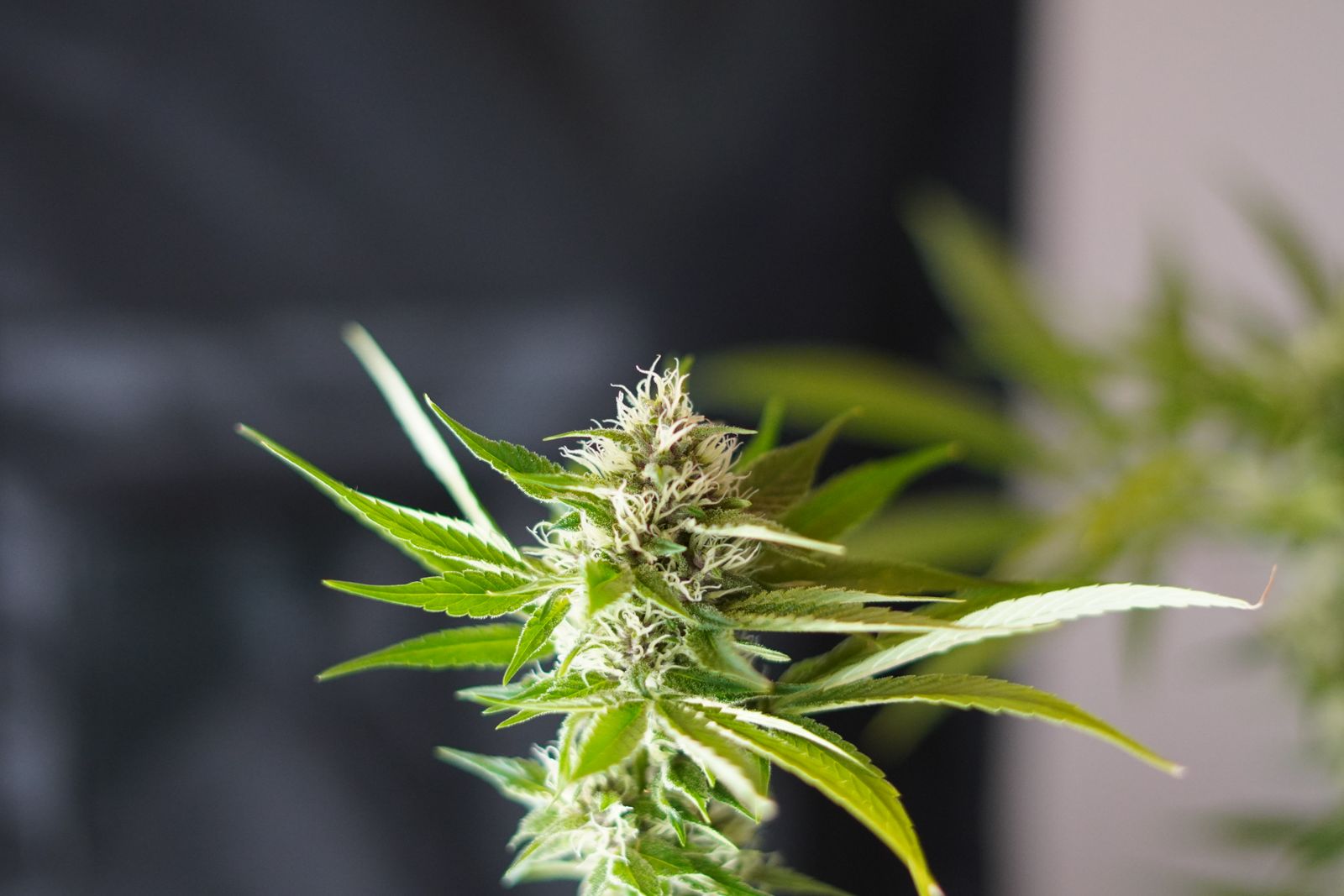
Cannabis has been cultivated for at least 12,000 years — longer than most crops humans have ever grown. Before there were dispensaries, seed banks, or even the concept of a named strain, there was a single resilient plant thriving in the highlands of Central Asia, quietly waiting to reshape civilisations. Understanding where cannabis came from isn't just trivia for history buffs; it's the foundation every serious grower and consumer deserves to know.
The Birthplace of Cannabis: Central Asia, 10,000 B.C. and Beyond
Every landrace strain, every modern hybrid, every feminised photoperiod or autoflowering cultivar traces its lineage to one origin point: the rugged, windswept steppes of what we now call Mongolia and Southern Siberia. The plant that evolved there — Cannabis sativa L. in all its expressions, from fibre hemp to psychoactive indica, was uniquely adapted to harsh, continental climates: intense UV, dramatic temperature swings, and lean soils. Those environmental pressures are precisely why cannabis developed the dense resin production and robust terpene profiles we prize today.
From that highland cradle, the archaeological record tells a surprisingly detailed story.
- ~10,000 B.C.: Earliest evidence of cannabis use in the region now comprising Taiwan and southern China — pottery cord markings suggest hemp fibre was already being harvested.
- 4000 B.C.: The first documented record of the drug's medicinal use, recorded in ancient Chinese texts. Cannabis was prescribed for pain, inflammation, and digestive ailments.
- 2737 B.C.: Emperor Shen Nung reportedly catalogued cannabis as a treatment and used it as an anaesthetic during surgery — making it one of the oldest recorded surgical analgesics in human history.
- ~2000–1400 B.C.: Cannabis reaches Korea, India, and the broader Middle East, travelling along the same trade corridors as silk and spices.
What's remarkable is how little the plant's core biochemistry has changed across those millennia. The THC, CBD, and terpene pathways that made ancient Chinese physicians reach for cannabis are the same ones modern cultivators are optimising today.
How Cannabis Crossed Continents
Cannabis did not spread politely or slowly. It moved with armies, nomads, traders, and conquerors — often carried by people who had no particular intention of spreading it.
The most consequential early vector was the Scythians, a fierce, horse-riding nomadic civilisation that dominated the Eurasian steppe from roughly 900 B.C. to 200 B.C. Herodotus, the Greek historian, described Scythian funeral rites involving cannabis vapour in enclosed tents — arguably the first documented hot-box in recorded history. As the Scythians ranged across what is now Ukraine, Russia, and Eastern Europe, they carried seeds and cultural practices with them.
From there, the migration continued in overlapping waves:
- Russia and Ukraine received cannabis through Scythian trade and settlement, establishing hemp cultivation that would persist for centuries.
- Germany and Central Europe incorporated hemp into agriculture, using it primarily for rope, sail cloth, and textile fibre — the industrial backbone of early maritime expansion.
- Britain adopted cannabis cultivation by the 5th century, largely for hemp production, though psychoactive use was documented in later centuries.
- Africa received cannabis through Arab traders crossing the Indian Ocean, with evidence of use in Ethiopia and the Great Lakes region by the 13th century.
- The Americas saw cannabis arrive with European colonisers in the 16th and 17th centuries, initially grown as an industrial hemp crop in Spanish colonies and later in British North America.
It is worth pausing on the mechanism of this spread. Conquest and occupation were not just political events — they were botanical ones. When invading forces occupied a territory, they brought their agricultural knowledge and seed stocks. When they withdrew or were expelled, they often left both behind. Cannabis, a hardy and adaptable plant, survived every political upheaval and took root wherever the climate allowed.
The History of Cannabis in Canada
Cannabis arrived in what would become Canada in step with broader North American continental trends in the early 20th century. Hemp had been cultivated in the region since the 17th century — Jacques Cartier noted indigenous use of hemp-like plants along the St. Lawrence, but psychoactive cannabis use became publicly visible only as the continent urbanised and immigrant communities brought their cultural traditions northward.
The response from the press and political establishment was neither measured nor honest.
"Many early prejudices against marijuana were thinly veiled racist fears of its smokers, often promulgated by reactionary newspapers. Certain communities were frequently blamed for smoking marijuana, property crimes, seducing children and engaging in murderous sprees."
That moral panic had real legislative consequences. Canada added cannabis to the list of prohibited substances under the Opium and Narcotic Drug Act in 1923 — a full fourteen years before the United States enacted its Marihuana Tax Act of 1937. Notably, the Canadian prohibition came with almost no public debate, no documented medical testimony, and no clear record of why cannabis was added at all. Historians have speculated it was largely a preemptive move influenced by international anti-drug sentiment.
Canada's First Marijuana Laws and the Long Road to Legalisation
For nearly a century, cannabis in Canada existed in legal shadow — criminalised, stigmatised, and yet persistently popular. The 1960s and 70s saw a generation of Canadians openly challenging prohibition, and the Le Dain Commission (1969–1972) recommended decriminalisation, a recommendation that sat ignored for decades.
The legal landscape shifted meaningfully only in the early 2000s, when medical cannabis exemptions were introduced under the Marihuana Medical Access Regulations. That framework was imperfect, repeatedly challenged in court, and eventually overhauled — but it was the first formal acknowledgement that cannabis had genuine therapeutic value under Canadian law.
Then came October 17, 2018. Canada made history by becoming one of the first major nations to fully legalise recreational cannabis nationwide under the Cannabis Act — a milestone that positioned the country as a global model for evidence-based drug policy. Adult-use cannabis became legal in every province and territory, including:
- British Columbia
- Alberta
- Ontario
- Québec
- Manitoba
- Saskatchewan, Nova Scotia, New Brunswick, Prince Edward Island, Newfoundland and Labrador, and the three territories
Each province retained the right to set its own retail model, minimum age (18 or 19 depending on province), and rules around home cultivation — which, under the Cannabis Act, allows adults to grow up to four plants per household for personal use. That single provision has quietly transformed how Canadians relate to the plant, turning tens of thousands of curious consumers into hands-on cultivators.
The War on Drugs and Its Global Shadow
Canada's path to legalisation cannot be fully understood without acknowledging the enormous gravitational pull of American drug policy — specifically, the Comprehensive Drug Abuse Prevention and Control Act of 1970.
Signed into law by President Nixon, this legislation created the Controlled Substances Act and classified cannabis as a Schedule I drug: defined as having high abuse potential and no accepted medical use. The classification was, by the government's own admission, provisional. The Act explicitly noted a "considerable void in our knowledge of the plant and effects of the active drug contained in it," recommending cannabis remain in Schedule I "at least until the completion of certain studies now underway."
Those studies were completed. The conclusions did not support the Schedule I classification. And yet the classification remained — and remains, in place in the United States to this day.
The contrast between the U.S. approach and the Canadian one is instructive. Where American federal policy doubled down on criminalisation for five decades — disproportionately impacting Black and Indigenous communities, Canada eventually chose a regulatory framework grounded in harm reduction, taxation, and personal autonomy. The Cannabis Act explicitly acknowledges the failure of prohibition to protect youth or reduce consumption, and frames legalisation as the more responsible alternative.
What History Teaches Modern Growers
The story of cannabis is ultimately a story about adaptation — botanical, cultural, and political. A plant that evolved in a cold, high-altitude steppe has proven capable of thriving in greenhouses in Ontario, grow tents in Vancouver apartments, and sun-drenched gardens in the Okanagan Valley. That genetic resilience is precisely why breeders have been able to develop such extraordinary diversity in modern cultivars.
Understanding that history makes you a better grower. When you appreciate that landrace genetics from Central Asia gave rise to the squat, cold-tolerant indica phenotypes that now dominate indoor cultivation, you start to understand why those plants respond so well to cool night-time temperatures and lean feed programmes. When you understand that equatorial sativas were shaped by twelve-hour photoperiods and high humidity, you understand why they stretch aggressively and demand patience.
Cannabis education has advanced enormously in the decades since prohibition — we now map cannabinoid profiles, understand terpene synergy, and breed for specific therapeutic effects with scientific precision. Nobody knew any of this during the prohibition era. Decisions were made from fear and ignorance, not evidence. Consider that in the same era, no one fully understood the deadly effects of cigarettes, a legal product sold openly to children, while cannabis, a plant with 12,000 years of documented human use, was treated as one of the most dangerous substances on earth.
The gap between what was believed then and what we know now is a powerful reminder of why evidence must always lead policy.
From Ancient Steppes to Your Grow Room
Twelve thousand years is a long time for a plant to prove its value. Cannabis has served as medicine, fibre, ritual sacrament, recreational substance, and agricultural commodity across virtually every major civilisation on earth. It survived prohibition in Canada, the War on Drugs in the United States, and centuries of political manipulation — and it emerged on the other side more popular, more studied, and more legally accessible than at any point in modern history.
For Canadian growers and enthusiasts, that history is not abstract. Every seed you germinate carries the genetic echo of those Central Asian landraces that first caught a human eye ten millennia ago. The Marijuana Facts keep accumulating as researchers fill in the gaps that prohibition left behind — and the picture they're painting is of a plant far more complex, beneficial, and historically significant than its Schedule I designation ever allowed.
The next chapter of cannabis history is being written right now, in grow rooms and research labs and legislative chambers across the country. Make sure you're part of it.
Keep Reading
Do Pot Seeds Go Bad? The Real Scoop on Seed Shelf Life
Do pot seeds go bad? Yup. Find out how long cannabis seeds last, how to spot bad ones, and the best storage tricks to keep your seeds viable for years.
Cannabis Terms Explained: Vocabulary For New Growers
Cannabis Seed Storage Tips for Maximum Shelf Life