Red Headed Stranger Feminized
Paying homage to the red-headed country music legend and consummate stoner Willie Nelson, this strain is an uplifting Sativa-Dominant hybrid that is energizing with euphoric effects.
This potent Sativa-Dominant Strain provides a positive mindset, an elevated mood, and a burst of energy. It is a happy-making strain that creates positive vibes and inspires sociability. With a cerebral high, the Red-Headed Stranger strain can spark creativity and energize you to take the day on with uplifted spirits.
History of the Strain
Willie Nelson became a well-known advocate for cannabis legalization at the same this strain went through genetic development. Nelson's advocacy efforts contributed to the strain's popularity in the 1980s, so this strain was named after Willie Nelson's iconic concept album released in 1975, the Red-Headed Stranger.
Genetics & Physiology
The parental lineage of the Red-Headed Stranger accounts for the highs and lows of this strain much like Willie Nelson's twangy country music.
Parent Strains
The parent strains of Red Headed Stranger are somewhat shrouded in mystery. However, it has been deduced that parental lineage is; a Haze strain and an Indica strain. The Haze strain is Sativa-Dominant with a high THC content, and it is known for its uplifting and energetic effects. Cannabis consumers not only love the cerebral and euphoric high, but they also dig the strong and long-lasting effects. The Haze strain typically has a spicy, earthy, or fruity aroma with hints of citrus, pine, and tropical fruits. The Haze strain tends to have a longer flowering period ranging from 10 to 14 weeks.
Indica strain generally induces a more relaxing and physically sedating high, a melt-into-your-couch body-centric experience. When it comes to aroma, the Indica strain has a more pronounced and pungent earthy, woody or sweet, or fruity scent. Growers can expect a shorter flowering time in Indica as these plants flower within the range of 7 to 9 weeks.
By combining the characteristics of Haze and Indica, the Red Headed Stranger strain evokes a stimulating and euphoric experience while also providing some physical relaxation.
What Is the THC Content, Aroma, and Flavor Profile of Red-Headed Stranger?
Red Headed Stranger's aroma profile takes you on a journey of different scents. It reveals a strong presence of herbal notes with sweet floral and earthy undertones which are reminiscent of walking through a fragrant garden with damp soil underfoot. Another primary note is the citrusy zesty scent that adds an uplifting quality conjuring up the scents of oranges, lemons, and limes.
As for the flavor profile, the delicious taste of fresh herbs comes through as basil or sage, the zesty citrus flavor translates into a tangy lemon or sweet orange and the subtle spicy aroma and taste carry a mild peppery flavor.
The Red-Headed Stranger is a potent strain with THC content averaging around 18% to 22%, This strain begins with a clear-headed cerebral high that is bound to put you in your happy place. Expect to have increased energy, focus, and sociability which eventually fades into a soothing body relaxation.
What Is The Appearance of the Flower & Mature Plant?
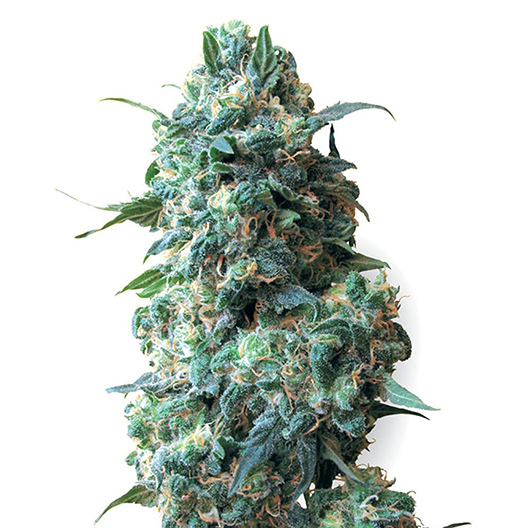
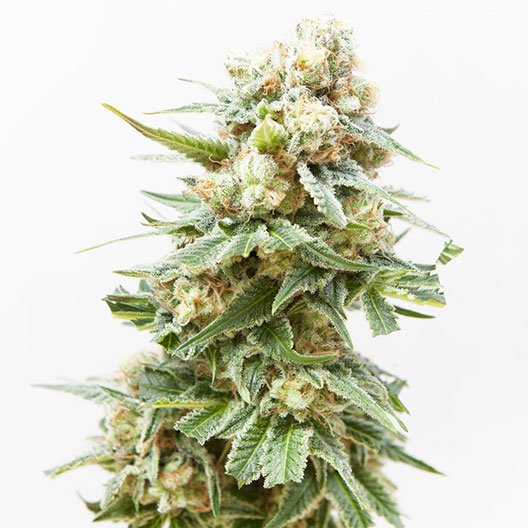
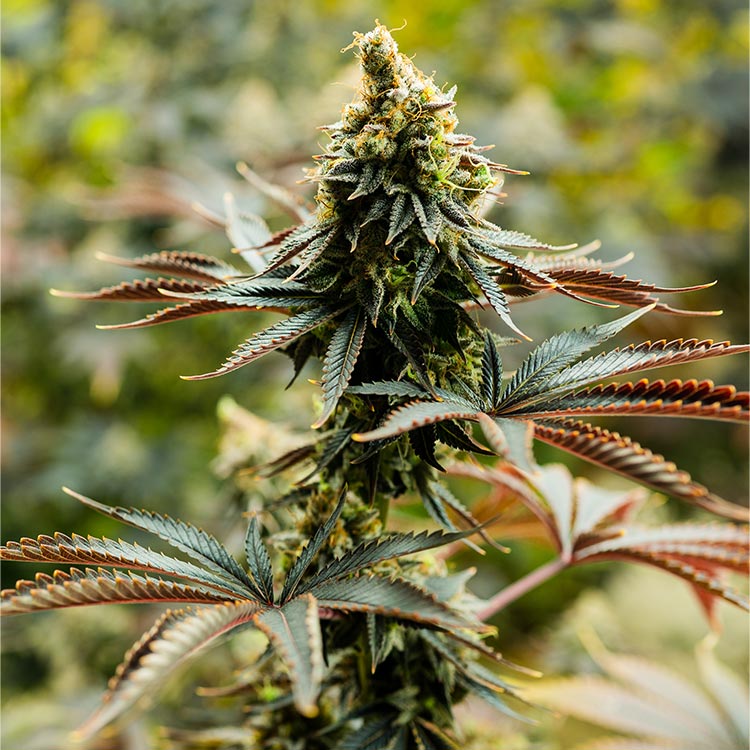
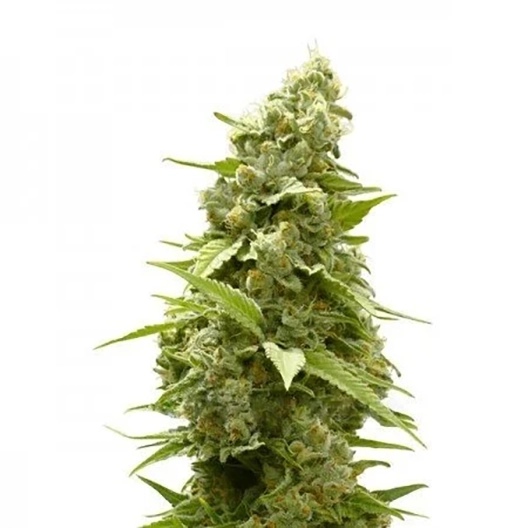
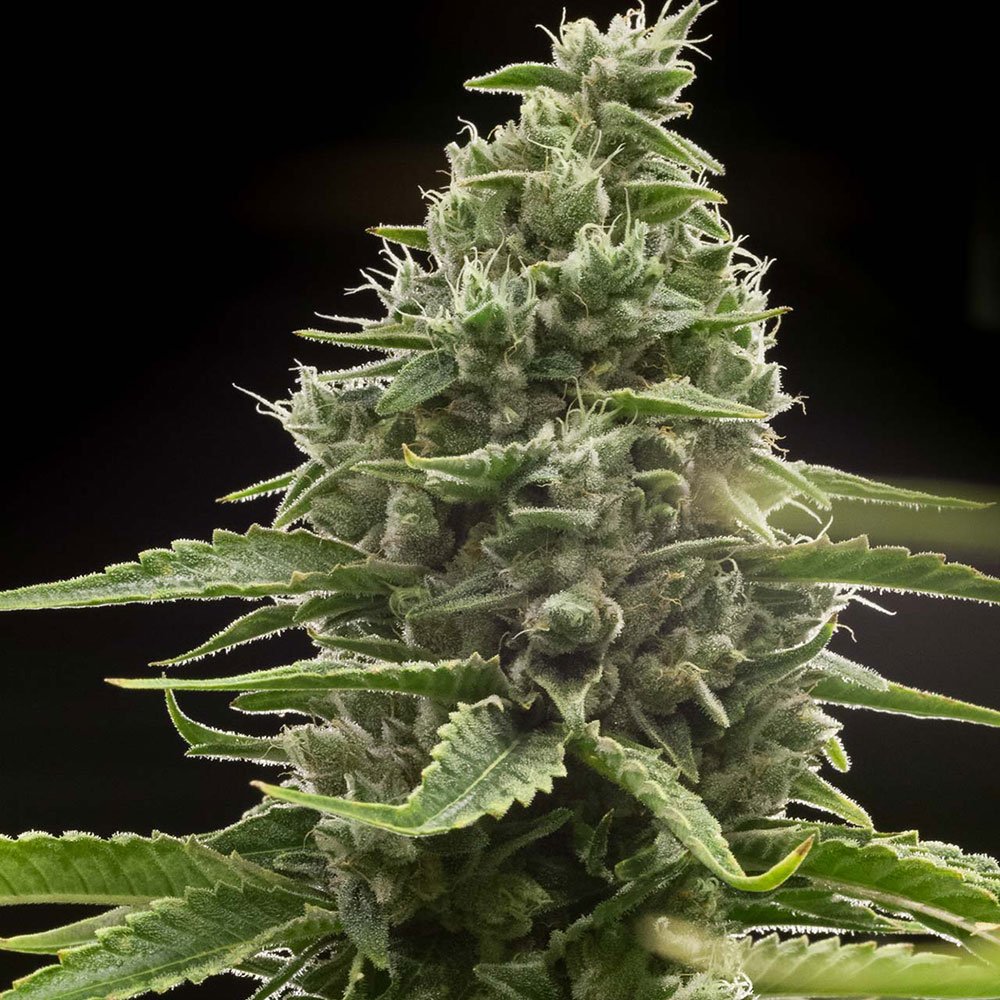
As the name suggests the Red-Headed Stranger flowers have a reddish hue, ranging from pale pink to deep crimson and reddish-orange pistils. The flowers may also bloom in other colors such as white or yellow, depending on the variety. The plant typically takes a few years of growth until maturity and the flowering time lasts several days to a couple of weeks.
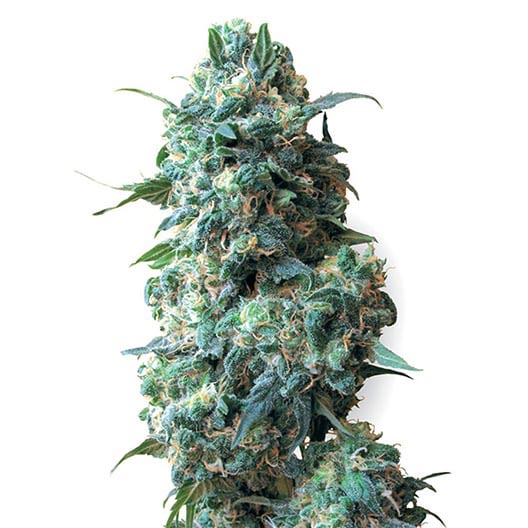
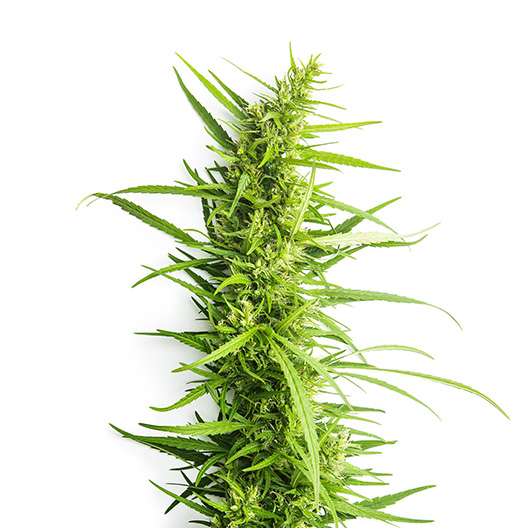
The Red-Headed Stranger seeds will grow into a medium-height cascading plant that typically grows as a long, pendulous vine. The buds will appear as dense and compact, spade-like shapes coated in a layer of milky trichomes with vibrant forest-green leaves.
How to Grow Red-Headed Stranger Seeds?
It is important to consider certain requirements when growing Red-Headed Stranger strain seeds in a Mediterranean climate. Growers should account for; temperature, humidity, lighting, and wind protection to ensure optimal growth.
Mediterranean Climate Requirements for Optimal Growth
When it comes to temperature, the Red-Headed Stranger thrives in warm climates such as the Mediterranean. It flourishes in a climate between 70°F (21°C) and 85°F (29°C) during the day and around 60°F (15°C) at night.
Growers should also aim for a low humidity level of around 40% to 50% during the vegetative stage and slightly lower, around 30% to 40%, during the flowering stage. This plant does well in the Mediterranean since the summers are usually dry.
Growers should also be sure to take into account the fact that Red Headed Stranger requires abundant sunlight or high-quality artificial lighting. In a Mediterranean climate, where there is ample sunshine, outdoor cultivation is ideal. Plants should receive at least 8 to 12 hours of direct sunlight per day.
This plant may not withstand stronger winds or unpredictable temperature changes, due to its lanky structure and delicate branches. In regions of the Mediterranean that experience strong winds or coastal areas with a higher risk of wind exposure, it is vital to grow the plant in a controlled environment to prevent physical damage or breakage. Greenhouses or indoor setups allow growers to protect the plants as well as regulate the temperature, humidity, and other environmental factors.
Recommended Low-Stress Training Techniques
With such a delicate structure, the Red-Headed feminized strain is relatively fickle to grow. These plants develop tall stalks with thin branches that require some experience with low-stress training techniques such as; topping, pruning, and trellising to prevent them from breaking under their weight.
If growers want to keep these dainty plants in tip-top shape, it is best to grow them indoors with low-stress training techniques. Topping involves cutting off the main stem's tip to stimulate the growth of flowering sites. Topping encourages lateral growth, preventing the plant from growing too tall and top-heavy which could be perilous for the fragile Red-Headed Stranger plant.
Pruning involves removing any lower branches or foliage that receive insufficient light in order to ensure better light distribution and airflow, which is critical to the healthy growth of the Red-Headed Stranger strain.
Trellises or other plant support structures are highly recommended for Red-Headed Stranger plants since the thin branches bend and break easily. Trellising supports the weight of the buds and prevents breakage of the frail Red-Headed Stranger plant which is prone to toppling over.
Flowering Time & Yields?
There is no doubt that the long flowering time is worth the wait for the incredibly high yields the Red-Headed Stranger produces in warm climates.
How Long Does it Take Red-Headed Stranger to Flower?
When this strain is grown indoors, growers can count on a long flowering time. It usually takes about 10 to 12 weeks for the plant to complete its flowering stage. For full-bloom flowering, the Red-Headed Stranger plant requires a shift in the photoperiod with a consistent 12 hours of uninterrupted darkness and 12 hours of light per day.
When it comes to the ideal grow space set-up, growers should provide these plants with a minimum ceiling height of around 6 feet. The lanky Red-Headed Stranger plants flourish in ample vertical space due to their potential height during the flowering stretch.
What Kind of Yields Can I Expect?
The Red-Headed Stranger feminized cannabis seeds tend to produce moderate yields when grown indoors. Growers can anticipate a yield of around 400 to 600 grams per square meter. If growers want to maximize their yield, they should consider techniques such as topping, low-stress training, and pruning to promote bushier growth and increase bud sites. Also, providing adequate lighting is key to a successful yield when grown indoors.
Plants grown outdoors in a warm and sunny climate have the potential to produce considerable harvests. Growers can expect impressive yields of around 500 to 800 grams per plant as long as they provide adequate spacing between plants, ensuring good airflow and reducing the risk of pest infestations or diseases. Outdoor cultivation requires a warm and sunny environment, preferably a Mediterranean-like climate.
Check out these similar strains:
- Super Silver Haze provides a blissful, cerebral experience that promotes creativity, focus, and happiness. Just like the Red-Headed Stranger strain, Super Silver haze gives you a burst of energy and motivation, making it a popular choice for daytime use.
- Green Crack Green Crack is a Sativa-Dominant strain that is known for its potent effects. Both Green Crack and Red Headed Stranger provide a cerebral and stimulating high that gives cannabis users mental clarity and increased focus.
- Lemon Haze is an uplifting strain with mood-enhancing effects. Just like the Red-Headed Stranger, Lemon Haze promotes a sense of happiness, euphoria, and ease of sociability which is perfect for a night out on the town.
- Durban Poison is a pure Sativa strain with energetic and uplifting effects, it's ideal for getting together with friends and socializing. It has a sweet and spicy aroma, and hints of pine and citrus flavors, which can be reminiscent of Red Headed Stranger.
- Jack Herer is a Sativa-dominant strain that provides an uplifting and cerebral high. It has a spicy, piney aroma with hints of citrus, which are similar to Red Headed Stranger flavors.
Strain Data
| Pack Size | 3 Seeds, 5 Seeds, 10 Seeds, 25 Seeds |
| Cannabis Species | 100% Sativa |
| Genetics | 80% Sativa/20% Indica |
| Flowering Time | 70-80 days |
| THC | 23% |
| CBD Level | Low (<2%) |
| Effects | Energetic, Happy, Uplifted |
| Yield Indoors (per m²) | Up to 450g/m², Up to 500g/m² |
| Terpene Profile | Caryophyllene, Myrcene, Pinene, Terpinolene |
| Yield Outdoors | Up to 450 gr |
| To Target | Pain |
| Taste | Citrus, Herbal, Spicy |
| Skill Level | Intermediate |
| Plant Sex | Feminized |
| Flowering Type | Photoperiod |
| Where to Grow/Cultivate | Indoor/Outdoor |
| Size | Medium |
| THC Level | High (>20%) |
| BIN | BIN1 |
| Yield Level | Standard Yield |