Dutch Dragon Feminized

Dutch Dragon is a Sativa strain that uplifts your mind while adding a cheerful euphoria. It has an 18% THC content and a delicious fruity, sweet citrus taste and smell.
More About the Dutch Dragon Strain and Its Origins
Durban Dragon is a sativa leaning cultivar that blends the bright, upbeat edge people expect from Durban line genetics with the sweeter citrus side found in Dutch Dragon. One origin story floating around grow forums pins it as an F1 cross of Dutch Dragon x Durban. Expect a zesty lane. Citrus can show up fast, with orange and tropical notes in the mix, a lot like Dutch Dragon leans. Some reviews for Durban Dragon lean spicier, with herbal and peppery notes plus bits of fruit.
Most reports frame Durban Dragon as energising and upbeat, with giggly, talkative, euphoric-style vibes leading the charge.
Growing Tips for Dutch Dragon
Dutch Dragon is easy to grow, but only if you are a master-level grower. Dutch Dragon marijuana plants will thrive indoors and outdoors, but have an easier time growing indoors because of the ability to completely control the climate.
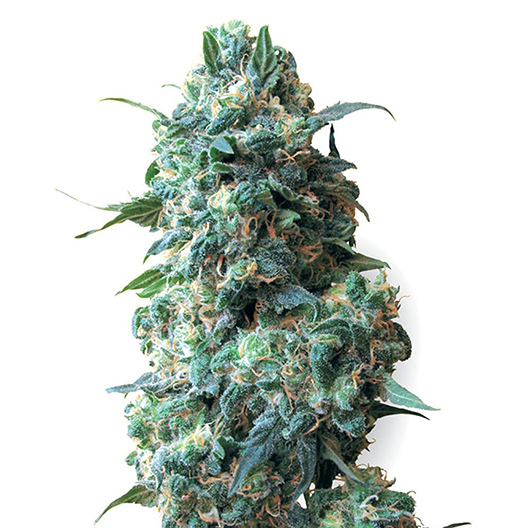
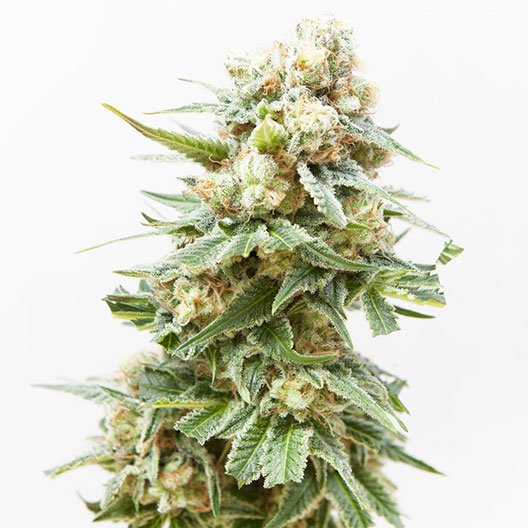
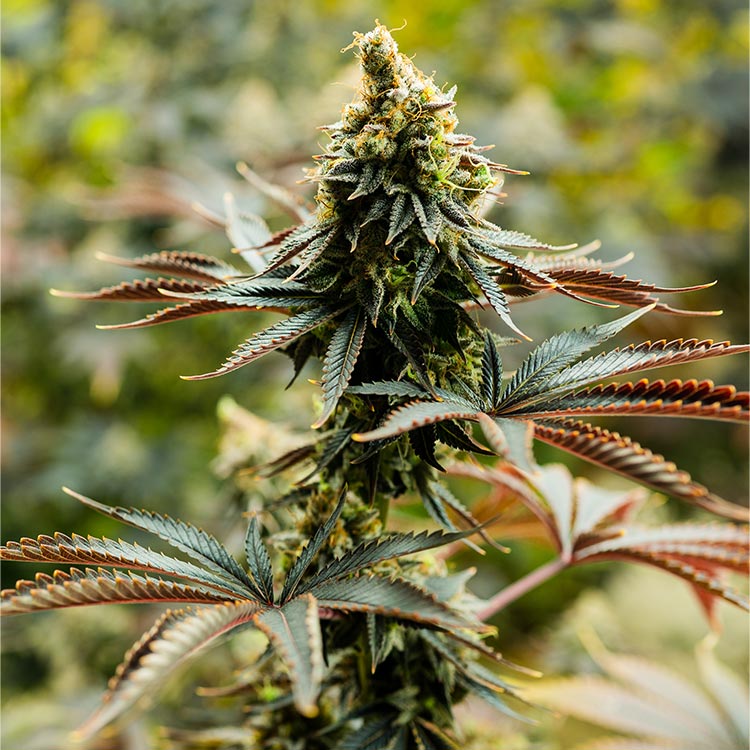
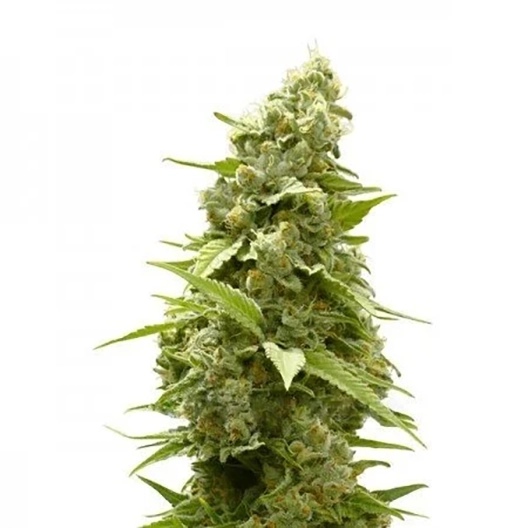
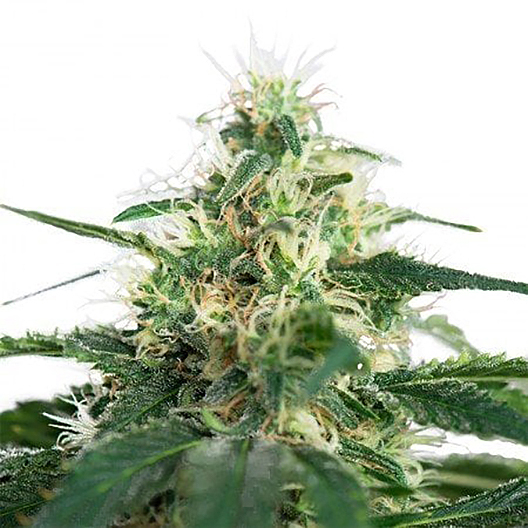
If you choose to grow indoors, you will have to replicate a steady environment similar to a warm, Mediterranean-style climate. Dutch Dragon cannabis seeds produce plants with smaller buds and leaves. There are loads of white and faded yellow pistils growing from within the bud sites.
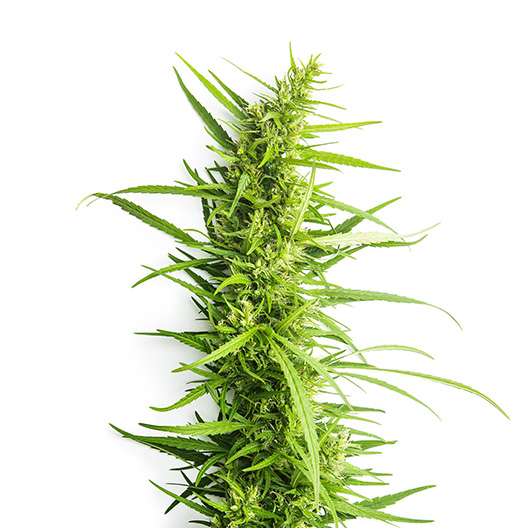
If you choose to grow outdoors, you will need consistent temperature and humidity to grow these plants to completion. Doing so will ensure that you grow healthy buds from the top of the plants to the buds closest to the soil. Having access to a greenhouse is the best way to give these plants the perfect outdoor climate without having to contend with unexpected outdoor variables — particularly important across Canada's varied regional climates. These plants grow to a tall height and can reach around 1.2–3 metres tall. Because the plants can reach a maximum indoor and outdoor height of 3 metres, they will need ample vertical space to grow properly.
The ideal temperature for these plants is around 21–29°C and slightly cooler at night. Humidity levels should be kept around 45–75% during the vegetative growth stage and the flowering stage, but lowering the humidity every week will help this plant thrive. Growing indoors will ensure that the moderate humidity levels and moderate temperatures are consistent and maintained every day that the plants are in the growing stages.
Topping, Screen of Green (ScrOG), and Low-stress training (LST) methods are the most beneficial methods for this strain. If performed correctly, these techniques will help to increase the overall yields and improve bud production. Both of these methods will help the plant to hit its peak by adjusting the canopy so more light and air reach the lowest levels of the plant. The Screen of Green method reinforces the heavier bud sites so they don't bend or break the branches. The Dutch Dragon strain requires an 18–20 hour light cycle to reach the vegetative growth stage. This strain requires a change in the light cycle to induce the flowering stage. A 12/12 cycle should do the trick!
Yields, Flowering Time, and Harvest
- Flowering Time: Growing indoors, you can expect the Dutch Dragon strain to harvest after a flowering period of 60–70 days.
- Yields: Indoor yields are around 500 grams per square metre, while outdoor grows typically produce up to 1000 grams per plant. These taller plants produce massive yields of delicious herb.
- Harvest: Outdoor growers across Canada can plan on harvesting their yields around the end of October, depending on when the seeds were planted.
Dutch Dragon: Fruity Citrus
The Dutch Dragon cannabis strain terpene profile is directly responsible for how the plant smells and tastes, and the strong effects it has on its users. The most dominant terpene in this strain is caryophyllene, while humulene and limonene are the secondary terpenes.
- Caryophyllene: Most Dominant - Spicy and peppery, caryophyllene is mostly found in cloves, black pepper, and cannabis plants.
- Humulene: Secondary Terpene - Found in beer with a high hop content, humulene produces an earthy aroma and flavour in cannabis.
- Limonene: Citrus Vibes - Commonly found in the rinds of citrus fruits like lemons, this terpene can help with anxiety and improve lung function.
FAQs
Is Durban Dragon more sativa or indica?
What does Durban Dragon usually taste and smell like?
Is Durban Dragon better for daytime or nighttime?
What are common downsides people report with Durban Dragon?
Strain Data
| Breeder | Coastal Genetics |
| Pack Size | 3 Seeds, 5 Seeds, 10 Seeds, 25 Seeds |
| Cannabis Species | 100% Sativa |
| Genetics | 75% Sativa/25% Indica |
| Flowering Time | 60-70 days |
| THC | 18% |
| THC Level | Moderate (10%-20%) |
| CBD Level | Low (<2%) |
| Terpene Profile | Caryophyllene, Humulene, Limonene |
| Effects | Energetic, Happy, Uplifted |
| Yield Indoors (per m²) | Up to 500g/m² |
| Yield Outdoors | Up to 1 kg |
| To Target | Inflammation, Lack of Appetite |
| Taste | Citrus, Fruity, Sweet |
| Skill Level | Intermediate |
| Plant Sex | Feminized |
| Flowering Type | Photoperiod |
| Where to Grow/Cultivate | Indoor/Outdoor |
| Size | Tall |
| BIN | BIN2 |
| Yield Level | Standard Yield |