Blueberry Cheesecake Feminized

Blueberry Cheesecake is a sativa-dominant hybrid with 17% THC and a rich, dessert-like flavour of ripe blueberries and creamy cheese. It delivers an uplifting buzz followed by relaxing body vibes—perfect for anyone with a sweet tooth.
Growing Tips for Blueberry Cheesecake
Blueberry Cheesecake can be difficult to grow. If you are an intermediate or master level grower, you should have no issues bringing this strain to fruition. Blueberry Cheesecake marijuana plants will thrive both indoors and outdoors, but have an easier time growing indoors because of the grower's ability to control the climate. If you choose to grow indoors, you will need to replicate a steady environment with warm temperatures and consistent humidity throughout the growing season to help this strain reach its full potential.
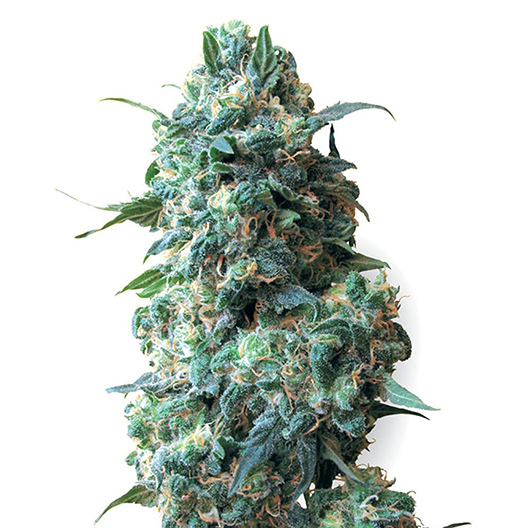
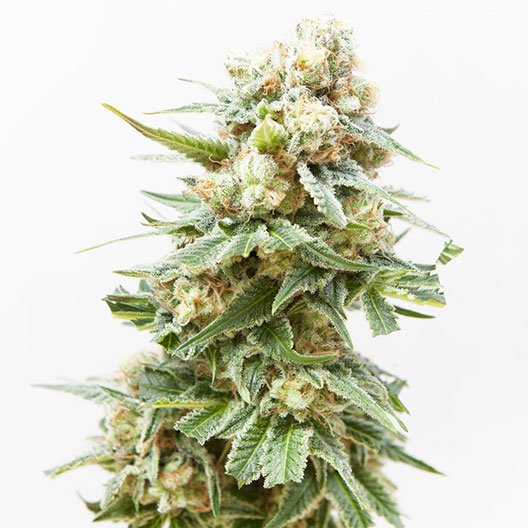
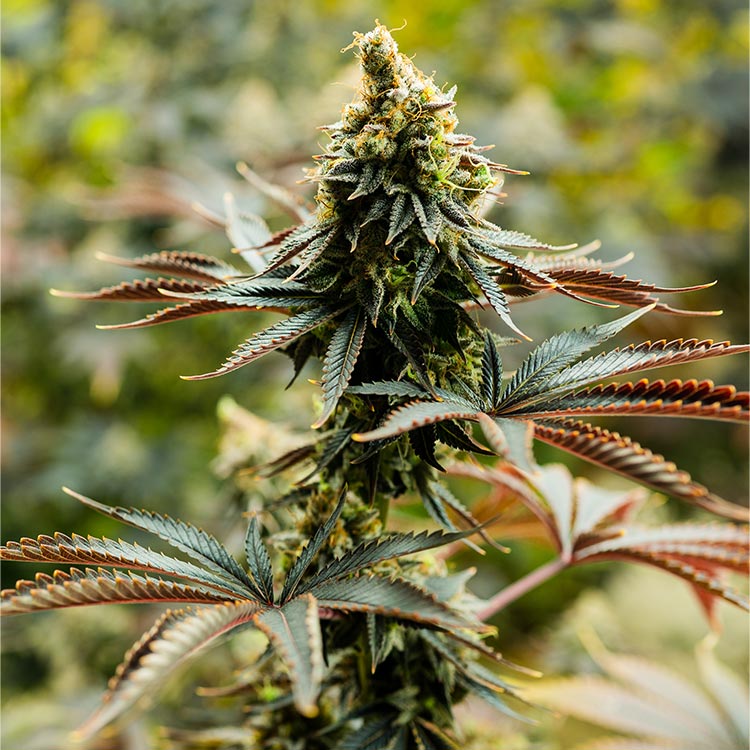
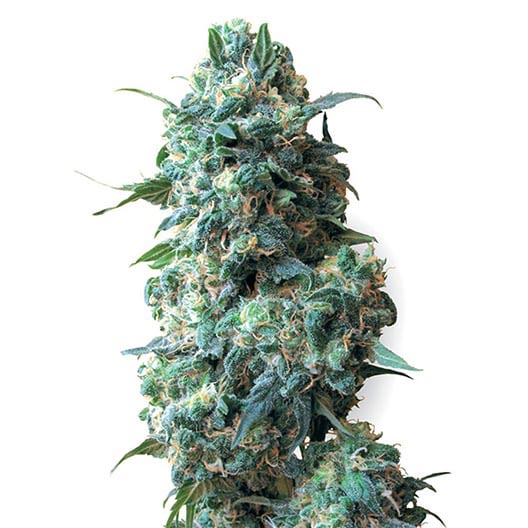
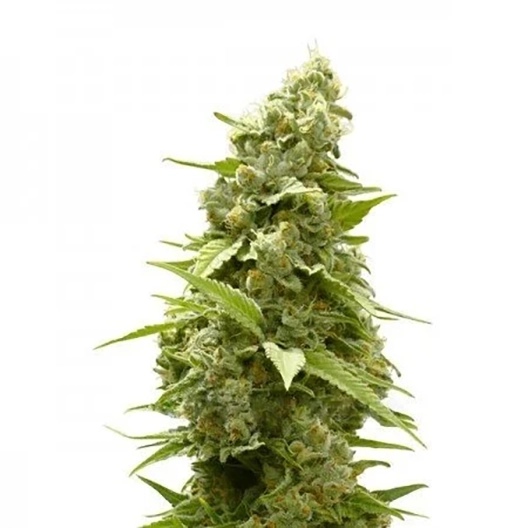
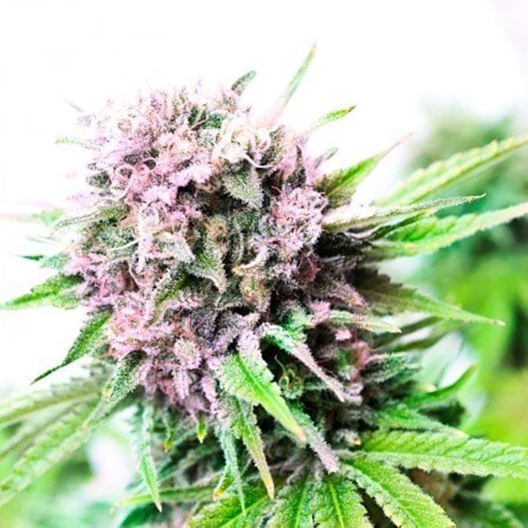
Blueberry Cheesecake produces plants that are bright purple and pale green with dusty resin covering the exterior of the buds. The aroma is released the second the buds are broken up, and it is one of the most pungent and potent scents in the cannabis kingdom. If you are going to grow outdoors, you will need to maintain a consistent temperature and humidity to get these plants to harvest. Having access to a greenhouse is the best way to give these plants the perfect outdoor climate they require without having to put up with unexpected outdoor variables — particularly important across many Canadian regions where temperatures and weather can be unpredictable.
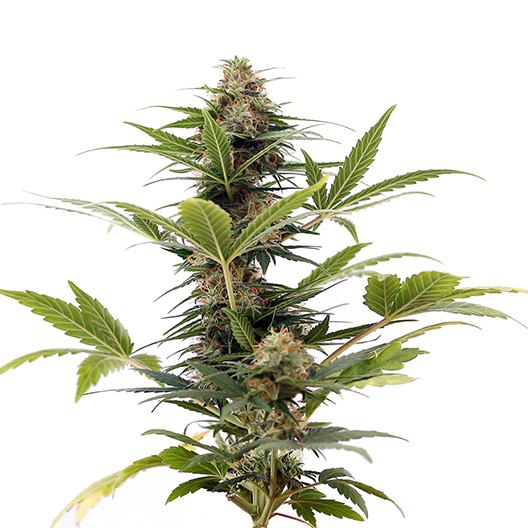
These plants grow medium height and can reach around 1.8 metres tall when grown correctly. Because of the size of these plants, you can grow them in a variety of different smaller grow setups as long as they have ample vertical space to thrive. The ideal temperature for these plants is around 18–27°C. Humidity levels should be kept at 30–70% during the vegetative growth stage and the flowering stage. Growing indoors will ensure that the proper humidity levels and temperature are maintained every day that the plants are in the growing stages.
Low-stress training (LST) and topping are the best training techniques for this specific strain. Each of these methods will adjust the plant's height so that they are more manageable. They will also adjust the canopy so that more light and air reach the bottom levels of the plants. The Blueberry Cheesecake strain requires an 18–20 hour light cycle to reach the vegetative stage of growth. Altering the light cycle to a 12/12 cycle will induce the flowering stage and get you to your harvest.
How to Germinate
Before you even plant your Blueberry Cheesecake female cannabis plants, you will first need to germinate these seeds. To do so, refer to our free germination guide, knowing that they are backed by our impressive 90% germination guarantee.
Yields, Flowering Time, and Harvest
- Flowering Time: Growing indoors, you can expect the Blueberry Cheesecake strain to harvest after a long flowering period of 70–80 days.
- Yields: Indoor yields are around 500 grams per square metre, while outdoor grows typically produce up to 800 grams per plant. The longer flowering period produces hefty yields of high-quality buds. These yields are a great reward for the amount of work it takes to bring these plants to harvest.
- Harvest: Outdoor growers in Canada can plan on harvesting their yields around the beginning of November, depending on when the seeds were planted and local climate conditions.
Blueberry Cheesecake: Delectable Dessert
The Blueberry Cheesecake terpene profile is directly responsible for how the plant smells and tastes, and the strong effects it has on its users. The most dominant terpene in this strain is caryophyllene, while myrcene, pinene, and limonene are the secondary terpenes.
- Caryophyllene: Most Dominant - Spicy and peppery, this terpene is found in cinnamon and black pepper as well as some cannabis cultivars.
- Myrcene: Secondary Terpene - The "Mother of all Terpenes", myrcene gives cannabis its earthy flavour and aroma. Myrcene can be found in several cannabis strains.
- Pinene: Pine Needles – Found in cannabis plants as well as pine needles and conifer trees, this terpene is responsible for the strain's pine-like notes.
- Limonene: Citrus Flavour - Limonene is common in cannabis plants as well as the rinds of citrus fruits such as lemon. This terpene can reduce anxiety and improve lung function when found in cannabis plants.
Strain Data
| Breeder | Advanced Genetics |
| Pack Size | 3 Seeds, 5 Seeds, 10 Seeds, 25 Seeds |
| Cannabis Species | Hybrids |
| Genetics | 60% Sativa/40% Indica |
| Flowering Time | 70-80 days |
| THC | 17% |
| THC Level | Moderate (10%-20%) |
| CBD Level | Moderate (3-10%) |
| Terpene Profile | Caryophyllene, Limonene, Myrcene, Pinene |
| Effects | Happy, Relaxed, Uplifted |
| Yield Indoors (per m²) | Up to 500g/m² |
| Yield Outdoors | Up to 800 gr |
| To Target | Depression, Headache, Stress |
| Taste | Cheese, Fruity, Sweet |
| Skill Level | Intermediate |
| Plant Sex | Feminized |
| Flowering Type | Photoperiod |
| Where to Grow/Cultivate | Indoor/Outdoor |
| Size | Medium |
| BIN | BIN3 |
| Yield Level | Standard Yield |