The 11 Best Marijuana Seeds for Beginners
11 min read · , updated May 14, 2026
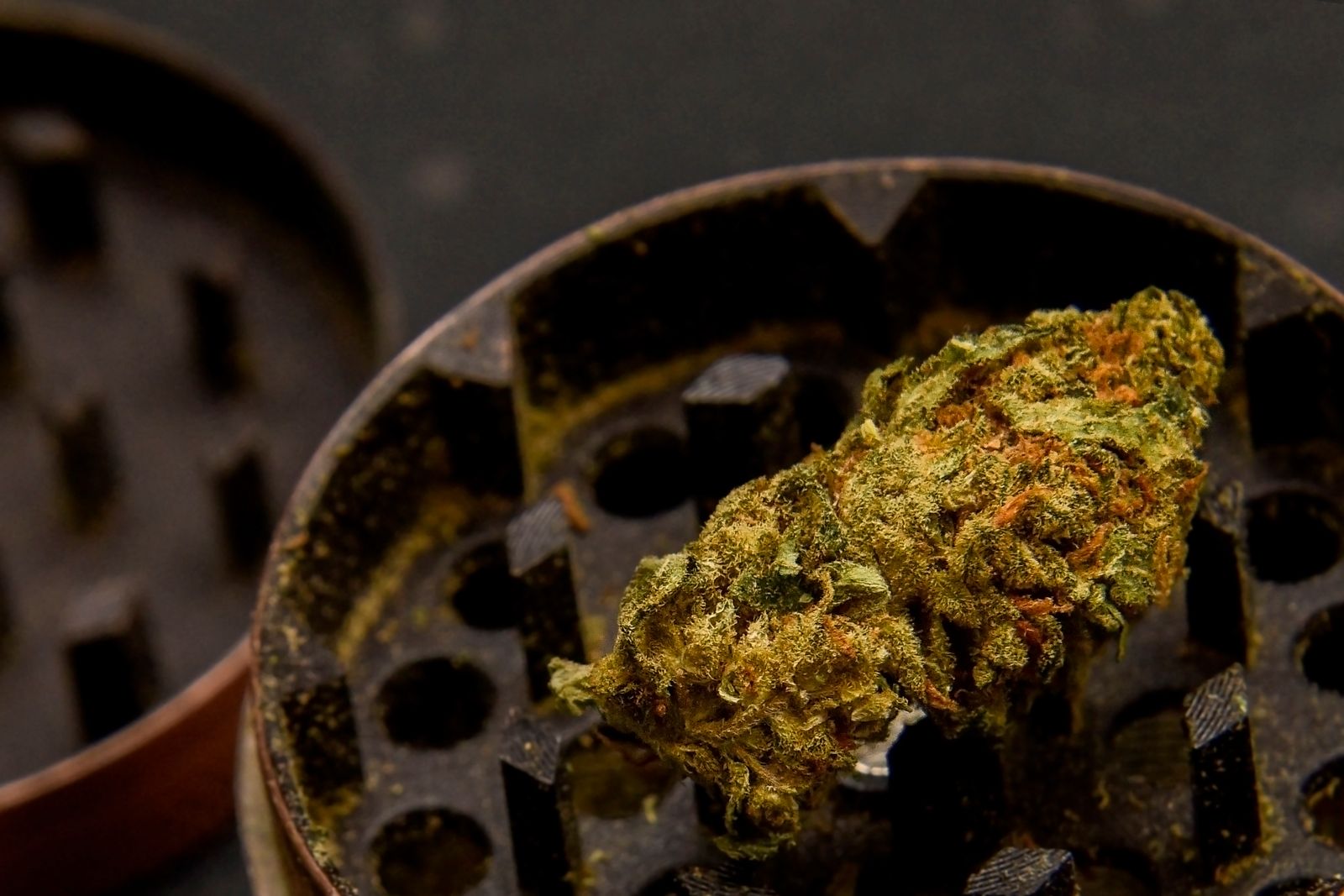
Most first-time growers make the same mistake: they chase the most potent or the most photogenic strain on the shelf, then spend the next ten weeks troubleshooting deficiencies, hermaphrodites, and revegetation disasters. The smarter move is to let genetics do the heavy lifting while you build the foundational skills that will serve every future grow. The eleven strains below were chosen because they are genuinely forgiving — not because they are the easiest to describe in a catalogue.
Under the Cannabis Act, Canadian adults can legally cultivate up to four plants per household, which means your first grow is a real, legal project worth doing well. Choosing the right seed is the single highest-leverage decision you will make.
What Actually Makes a Strain Good for Beginners?
Resilience is the word. A true beginner strain does not collapse when you make the inevitable small errors — a missed watering, a light burn during week three, a slight pH swing that nudges your nutrients out of range. Strong genetics absorb those moments and keep growing.
Beyond raw resilience, the best starter strains share a specific set of traits:
- Mould and pest resistance — thick trichome coverage and dense terpene profiles (myrcene, caryophyllene) that deter insects and inhibit fungal colonisation
- Compact or manageable height — indica-dominant and autoflowering varieties typically stay under 100 cm indoors, which suits closets, grow tents, and balconies alike
- Fast finish — strains that flower in 8–11 weeks from seed let you complete a full cycle and learn from it before summer ends
- Stable phenotype expression — consistent genetics mean plants behave predictably, so you can recognise what normal looks like and spot trouble early
- Tolerance for training errors — a beginner-friendly strain recovers quickly from a clumsy topping or an overly aggressive low-stress training (LST) bend
Autoflowering seeds deserve special mention for new growers. Because they flower on chronological age rather than light schedule, you never have to make the critical call of when to flip from the vegetative phase into flowering. That eliminates one of the most common beginner errors — accidentally revegging a plant or triggering hermaphroditism with inconsistent photoperiods. Photoperiod feminized strains give you more control over final size and can produce larger yields, but they reward patience and precision that typically comes with a second or third grow.
Either path works. Know which one fits your schedule and your setup before you order.
The 11 Best Strains to Start With
1. Northern Lights Auto
Northern Lights, the legendary Afghan-Thai indica that defined modern indoor cultivation, remains the gold standard for beginners more than three decades after it first appeared. The autoflowering version compresses that storied resilience into a compact, fast-finishing package that rarely exceeds 80–100 cm indoors.
What makes it so approachable is its immune system. Northern Lights carries robust resistance to botrytis and powdery mildew — two problems that end first grows prematurely. The resin-coated, myrcene-heavy buds deliver the deep, sedating body effect the strain is famous for, and the short internodal spacing means the canopy stays manageable even without training. If you grow only one strain your first season, grow this one.
2. Blueberry Auto
Watch a Blueberry Auto plant in the final two weeks of flowering and you will understand why beginners find it so satisfying: the fan leaves flush from deep green to violet and burgundy as anthocyanin pigments express under cooler night temperatures. It is one of the more visually rewarding grows you can have, and the indica-dominant hybrid asks very little in return.
Blueberry Auto finishes in approximately 9–10 weeks from seed, produces compact, trichome-loaded colas, and expresses a terpene profile dominated by sweet berry, vanilla, and light floral notes — primarily linalool and myrcene. The effect is calm and gently euphoric. Ideal for evening use. Outdoors in Canada, it handles the cooler nights of late summer far better than many tropical-heritage strains.
3. AK Auto
The classic AK lineage is known for structural strength, and the autoflowering version carries that forward in a format that requires almost no intervention. AK Auto is a balanced hybrid that builds thick, woody branches capable of supporting heavy bud sets without needing stakes or trellis nets — a genuine convenience when you are still learning to read your plant's structural needs.
It finishes fast, tolerates modest light intensity fluctuations, and delivers a well-rounded high that leans mildly cerebral without being overwhelming. For a beginner who wants a hybrid experience without the fussiness of a true sativa, this is a reliable choice.
4. Durban Poison Auto
Pure sativa strains are rarely recommended for beginners because of their stretch, their long flowering time, and their sensitivity to environmental stress. Durban Poison is the exception. This South African landrace — now available in an autoflowering format, handles heat well, moves through its cycle with unusual speed for a sativa, and produces long, resin-drenched colas packed with THCV alongside more conventional THC.
Expect significant vertical growth, so plan your canopy height accordingly. Outdoors in BC, Ontario, or Quebec, Durban Poison thrives during the warmest months. Indoors, a light defoliation around week four keeps airflow through the stretch zone. The finished product delivers a focused, energising effect with an earthy, anise-forward terpene profile — a strong contrast to the sedating indicas that dominate beginner recommendations.
5. Super Skunk Auto
Super Skunk Auto, an indica-dominant feminized autoflower, is the strain that teaches you how easy cannabis can actually be. Because it flowers on its own schedule regardless of the light cycle, you never need to manage a photoperiod flip — a particular advantage for beginners still learning the mechanics of indoor lighting setups.
The buds are dense, pungent, and deeply relaxing. Super Skunk's terpene signature is dominated by caryophyllene and myrcene, which combine to produce that sharp, skunky musk the old-school Skunk genetics are famous for. It finishes faster than most photoperiod indica strains and delivers consistent, satisfying yields even when conditions are not ideal.
6. Jack Herer
Named for the legendary cannabis activist, Jack Herer is a sativa-dominant hybrid that rewards beginners who are ready to try their first training techniques. It responds exceptionally well to topping and low-stress training — gentle bends applied during the mid-vegetative phase, without the stress sensitivity that makes some sativa hybrids punishing to work with.
The flavour profile leans earthy, piney, and subtly spicy, driven largely by terpinolene and pinene. The effect is uplifting without being anxious, which appeals to growers who want a daytime-friendly end product. Jack Herer is a natural stepping stone: approachable enough for a second grow, nuanced enough to hold your attention for many seasons.
7. Skywalker OG Auto
For growers working with a small tent, a closet, or a balcony under the Canadian Cannabis Act's four-plant personal limit, Skywalker OG Auto is purpose-built for the task. This indica-dominant hybrid stays low and bushy — rarely exceeding 70–80 cm, while accumulating thick, heavy buds that carry a fuel-and-sweet-earth aroma from its OG Kush heritage.
It typically completes its cycle in 10–11 weeks from seed, shows solid mould resistance, and rarely demands intervention after the seedling stage. The finished effect is deeply relaxing, making it a go-to recommendation for growers cultivating for stress relief or sleep support.
8. Sour Diesel
Sour Diesel is the outlier on this list — it stretches, it takes its time, and it wants airflow and space. So why include it here? Because it is extraordinarily tolerant of minor mistakes, and its characteristics teach beginners skills they carry into every future grow.
This sativa-dominant hybrid pushes height during its stretch phase, which means learning to manage vertical growth is part of the experience. It also trains you to appreciate vapour pressure deficit (VPD): Sour Diesel thrives when relative humidity drops appropriately as it moves into late flower, and the reward for getting that right is those famously sharp, diesel-and-citrus colas that have made it one of the most recognisable strains in North America. If your setup has height and warmth to spare, Sour Diesel is a fantastic teacher.
9. Amnesia Lemon
Amnesia Lemon, a sativa-dominant feminized hybrid, brings together the heady cerebral energy of Amnesia genetics with a bright, tangy lemon terpene profile driven by limonene. It is an invigorating grow in every sense: the buds develop a generous resin coating during flowering, the citrus aroma intensifies as you move into the cure, and the effect is uplifting and creative without the paranoia sometimes associated with high-THC sativa hybrids.
Beginners in warm regions — think Vancouver Island, the Okanagan, or southern Ontario in a good summer, will find Amnesia Lemon particularly rewarding outdoors. It prefers warm, stable conditions and rewards consistent care with a visually striking, aromatic harvest. It does take slightly longer to finish than most autoflowers, but that patience is paid back in flavour quality.
10. Blue Cheese Auto
There is something uniquely satisfying about growing a strain with a genuinely unusual terpene profile, and Blue Cheese Auto delivers exactly that. This indica-dominant feminized autoflower combines the classic Blueberry sweetness with Cheese genetics to produce a savoury, funky, berry-forward aroma that is unlike anything else on a beginner's growing bench.
It stays compact, adapts well to cooler Canadian climates — making it one of the better outdoor autoflowers for Alberta and Manitoba growers, and completes its cycle in approximately 10 weeks from seed. The effect is calming and physically relaxing, characteristic of its indica heritage. For first-time outdoor growers who want a strain that handles lower temperatures without protest, Blue Cheese Auto deserves serious consideration.
11. Mexican Haze
Mexican Haze, a feminized sativa, is the recommendation for the beginner who already knows they want a cerebral, uplifting experience and is willing to give a plant a little more room and time to deliver it. It stretches during flowering — a natural sativa trait, but does so in a manageable, predictable way that does not demand aggressive intervention.
The flavour is light and citrus-forward, with subtle herbal undertones that develop beautifully through a slow, humid cure. Mexican Haze is notably tolerant of minor feeding errors, which makes it more accessible than many Haze-lineage strains. The additional weeks it takes to finish are offset by its resilience in bright outdoor locations — it thrives in sunlight and forgives the occasional weather inconsistency that Canadian summers inevitably deliver.
Autoflowering vs. Feminized Photoperiod: How to Choose
The choice between these two formats shapes your entire growing experience, so it is worth understanding clearly before you order seeds.
Autoflowering strains flower based on age — typically switching automatically around weeks 3–4 regardless of light hours. That means no light schedule management, faster seed-to-harvest cycles (often 8–11 weeks total), and smaller, more manageable plants. The trade-off is that you cannot extend the vegetative stage to build a larger plant, and yields per plant tend to be lower than photoperiod equivalents.
Feminized photoperiod strains flower when the light cycle drops to approximately 12 hours of darkness — either naturally outdoors in late summer, or controlled indoors by adjusting your timer. They give you the ability to build a large, productive plant during a long vegetative phase, and they typically yield more per plant at harvest. They also require more attention and a longer overall timeline.
For most first-time Canadian growers, autoflowering seeds are the practical starting point. They are forgiving, fast, and designed to succeed even when the grower is still learning. As your confidence builds, photoperiod strains offer the next layer of skill development.
Practical Tips That Will Actually Improve Your First Grow
Great genetics are only half the equation. Here is what consistently separates successful first grows from frustrating ones:
- Start with one to three plants. Fewer plants mean more focused observation. You will notice changes faster and respond before small issues become serious ones.
- Invest in quality growing medium. A well-amended, aerated soil blend — with a slightly acidic pH around 6.0–6.5 — reduces feeding problems dramatically. Many beginners find that good soil alone cuts their troubleshooting workload in half.
- Read your leaves daily. Yellowing from the bottom up typically signals nitrogen drawdown in late flower; uniform pale green suggests a deficiency earlier. Leaves curling upward usually indicate heat stress or overly aggressive airflow, while downward clawing points to overwatering or nitrogen toxicity.
- Resist the urge to overfeed. Cannabis in healthy soil rarely needs heavy supplementation before week four. Start at half the manufacturer's recommended dose and increase only in response to what your plant tells you.
- Master your watering rhythm before anything else. Let the top 2–3 cm of soil dry before watering again. Lift the pot — a light pot means a thirsty plant; a heavy pot means wait. This single habit prevents the majority of beginner problems.
- Dial in your environment early. Target temperatures of 22–28°C during lights-on, 18–22°C during lights-off. Keep relative humidity around 60–70% in seedling and vegetative stages, dropping to 40–50% in flower to reduce mould pressure.
- Harvest by trichome colour, not calendar. Invest in a 30–60× jeweller's loupe or a USB microscope. Cloudy trichomes signal peak THC; amber trichomes indicate THC degrading to CBN, producing a more sedating effect. Most beginners harvest too early.
The curing stage matters just as much as the grow itself. A slow, dark, 60–65% RH cure over four to six weeks transforms adequately dried buds into something genuinely exceptional — smooth smoke, fully developed terpene expression, and the kind of flavour that makes you understand why the grower's craft is worth learning properly.
Building Confidence One Cycle at a Time
Every strain listed here was chosen because it gives you a fair chance to succeed without requiring years of experience first. Some, like Northern Lights Auto and Blue Cheese Auto, are almost explicitly designed to reward a careful but inexperienced hand. Others, like Sour Diesel and Durban Poison, ask a little more — but teach a great deal in return.
The right seed for your first grow is the one that matches your actual setup: your space, your climate, your schedule, and your end goal. A compact autoflower in a 0.6 m² tent under an LED is a completely different project from a photoperiod sativa on a south-facing British Columbia patio — and both can produce remarkable results when the genetics are sound.
Start with one strain you genuinely connect with, grow it attentively, and let the plant be your best teacher. For more strain profiles, cultivation deep-dives, and grower guides, explore the full Marijuana Strain Profile collection — there is always another technique to master and another cultivar worth understanding.