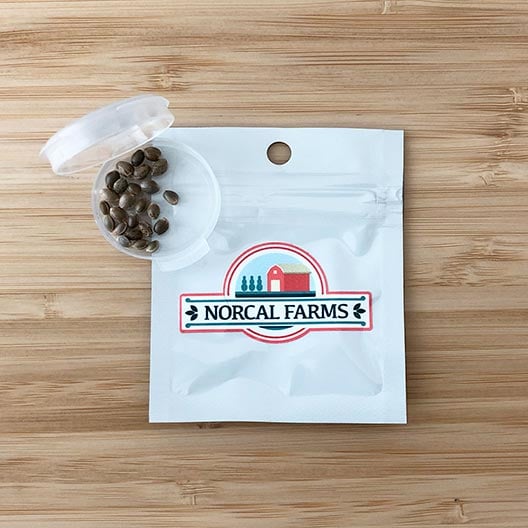
Purple Tangie Seeds
Purple Tangie is a Sativa-dominant monster with high THC, zesty flavour, and long-lasting effects. Delivering immediate cerebral euphoria and mental clarity, this strain is ideal for all creative-type folks looking to expand their minds.
Purple Tangie: Fresh Tangerine
With a mouth-watering and fruity taste and the scent of flowers and earth, it is no wonder that Purple Tangie has exploded onto the cannabis scene. There is a taste of tropical fruit when you inhale the smoke of this bud, and on the exhale, a sweet, grape-like finish that will leave you wanting more, and more. It gets this amazing profile from parent strains, Tangie and an unknown Purple phenotype.
This strain's THC content of up to 28% means that the effects take hold pretty quickly, with the cerebral effects sitting in the driver's seat. There is a rush of productivity and focus, allowing folks to complete tasks they wouldn't normally be able to accomplish with heavier, Indica strains. A High Times Cannabis Cup winner, Purple Tangie has only been around for about a decade, but has become a fan favourite nonetheless.
Growing Tips for Purple Tangie
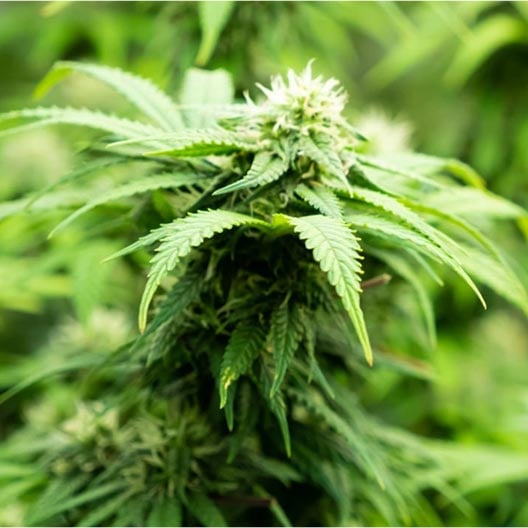
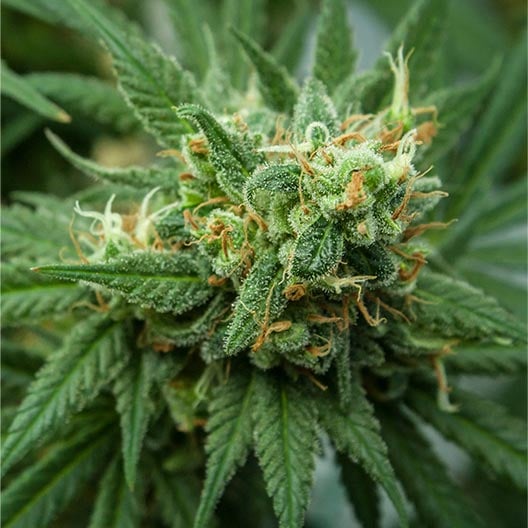
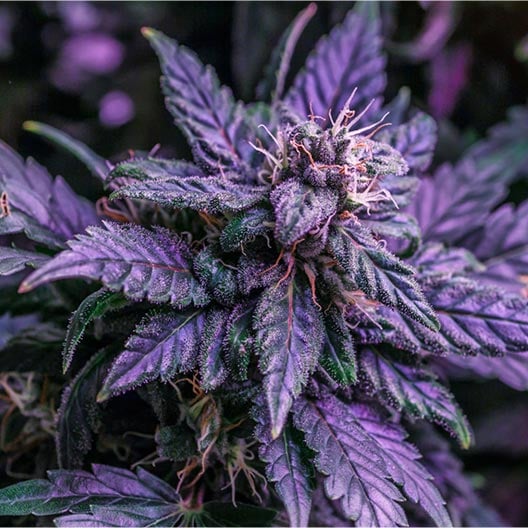
Purple Tangie plants can grow to a tall height indoors and out, reaching as high as 8 feet. The plants grow dense with spade-shaped nugs and violet hues. Covered in thick white trichomes and bright orange hairs, the plants really stand out in a grow room. Known for its resilience toward fluctuating temperatures. Like many cannabis strains, it performs best in a closely-controlled environment, but because it can endure minor dips and spikes concerning heat and moisture, it serves as a practical choice for experienced growers, as this strain is said to be moderately challenging. Below, we've provided effective ways to simplify and streamline the growing process.
Establish consistent conditions
Daytime temperatures of approximately 20–29 degrees Celsius are ideal for Purple Tangie plants. Humidity levels should fall between 40–50% during the vegetative stage, and drop to 40% during the flowering phase. A reduction in moisture helps eliminate the risk of mould while encouraging a more potent terpene profile.
Recommended Training Techniques
Low-stress Training, Screen of Green (ScrOG), and Topping training techniques are best suited for this particular strain. These techniques require the grower to trim the non-producing parts of the plant while reinforcing the heavier branches and buds with screens or nets so the weight of the buds doesn't compromise the integrity of the entire plant.
Fine-tune nutrient levels
All cannabis plants benefit from nitrogen, phosphorus, and potassium (NPK). During vegetative growth, Purple Tangie prefers greater amounts of nitrogen, as it promotes leaf and stem production. However, because nitrogen encourages leaf growth, it's important to reduce levels during the flowering stage. This will allow your plants to channel their efforts towards resin-rich bud development instead. To lower nitrogen levels, try using a bloom formula or simply dilute your existing feed.
Germinating Your Purple Tangie Seeds
Our straightforward germination guide is an easy-to-understand way for growers of all skill levels to start the growing process. If you have basic items on hand, such as paper towels and water, you can germinate your Purple Tangie seeds like a pro.
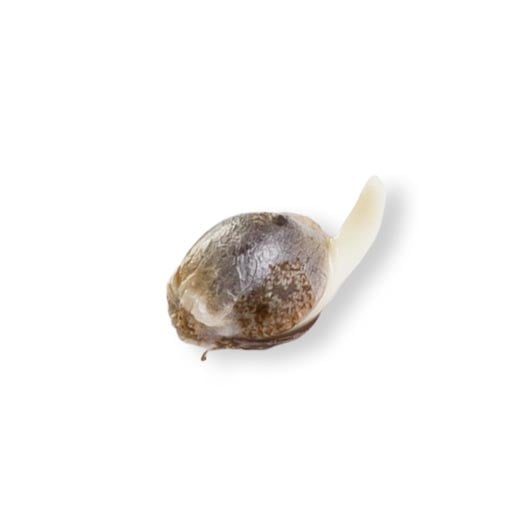
Our step-by-step process allows taproots to emerge within 3–7 days, following which your seeds can be transferred to nutrient-rich soil, a hydroponic setup, or another growing medium of your choice. As an added benefit, growers who use our technique can cultivate with confidence, knowing their seeds are fully protected by our germination guarantee.
Yields, Flowering Times, and Harvest
The Purple Tangie strain has a flowering period of approximately 60–75 days, with outdoor harvests typically occurring in late September to early October. Indoor growers will produce up to 650 grams of trichome-rich buds under proper care, while outdoor growers may see yields of up to 800 grams per plant, so long as environmental conditions remain stable.
Dominant Terpenes in Purple Tangie
Purple Tangie's tropical fruit taste and citrus aroma are due, in part, to dominant terpenes terpinolene, myrcene, and limonene. Terpinolene is known for enhancing the citrus profile in cannabis with herbal and/or spicy notes. Myrcene is one of the most abundant terpenes in the cannabis world. It offers a relaxing feeling as well as an earthy and herbal fragrance. Limonene is commonly found in the rinds of citrus fruits, and when found in cannabis plants, it gives off a fruity scent and flavour.
Dominant Cannabinoids in Purple Tangie
Purple Tangie's THC content of up to 28% offers an amazing cerebral buzz that uplifts the mind, adds focus, and allows users to be more creative while accomplishing tasks around the house. The physical side of the high is lighter, more relaxed, but not so fierce that it will induce couch-lock. The two sides of the effects complement each other nicely and are pretty standard for Sativa-dominant variants like Purple Tangie. Users also love the killer flavour and aroma that this strain adds to an already intense smoking session.
Strain Data
| Breeder | Norcal Farms |
| Pack Size | 3 Seeds, 5 Seeds, 10 Seeds, 25 Seeds |
| Genetics | Tangie x Unknown Purple Strain |
| Cannabis Species | Sativa Hybrid |
| Blend | 20% Indica / 80% Sativa |
| Flowering Time | 60-75 days |
| THC | 28% |
| THC Level | High (>20%) |
| CBD Level | Low (<2%) |
| Effects | Clarity, Creative, Euphoric |
| Terpene Profile | Limonene, Myrcene, Terpinolene |
| Yield Indoors (per m²) | Up to 650g/m² |
| Outdoor Yield (per plant) | Up to 800 gr/plant |
| Yield Level | XL Yield |
| To Target | Fatigue, Muscle Spasms, Stress |
| Taste | Citrus, Floral |
| Skill Level | Easy |
| Plant Sex | Feminized |
| Flowering Type | Photoperiod |
| Where to Grow/Cultivate | Indoor/Outdoor |
| Size | Tall |
| BIN | BIN2 |