Purple Octane Seeds
Purple Octane is an indica-dominant hybrid with a unique flavour profile and creeping effects. The buzz starts in the mind with a rush of euphoria and happiness. The effects then shift into a calming full-body high.
Purple Octane: High Octane Fuel
The scent alone will ultimately draw you in as pungent diesel fuel fills the air without even igniting the buds. The taste lingers on the tongue with hints of grape, lavender, and berries. Purple Octane owes its effects, taste, and scent to a plethora of parent strains, including Biscotti, Jealousy, Sherb BX1, and also has roots tied to the genetic profiles of both Girl Scout Cookies and Gelato.
This strain's THC content of up to 32% provides a potent delivery to even the most advanced consumers. It does have minor amounts of CBD reaching as high as 2%. While the mental effects are predominant, once the physical effects take hold, users are down for the night. Developed in the early 2020s, it hasn't taken long for this strain to make its way into grow rooms and collections across the country.
Growing Tips for Purple Octane
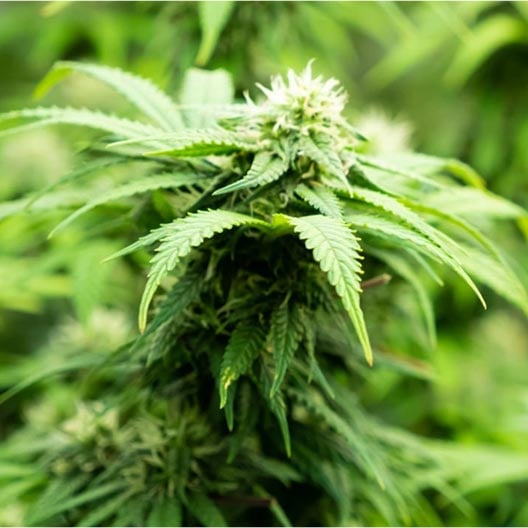
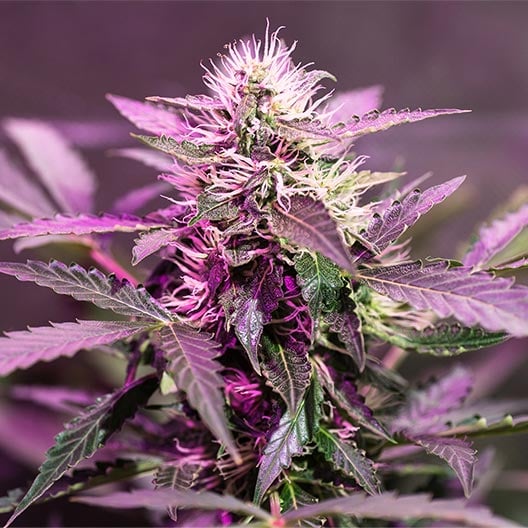
Purple Octane plants grow to a medium height indoors and super tall outdoors, reaching over 2.4 metres. The plants grow dense with forest green nugs and purple undertones. Coated in purple-tinted trichomes with bright orange hairs or pistils. Known for its resilience toward fluctuating temperatures. Like many cannabis strains, it performs best in a closely controlled environment, but because it can endure minor dips and spikes concerning heat and moisture, it serves as a practical choice for beginning and intermediate growers, as this strain is said to be moderately challenging. Below, we've provided effective ways to simplify and streamline the growing process.
Establish consistent conditions
Daytime temperatures of approximately 21–29 degrees Celsius are ideal for Purple Octane plants. Humidity levels should fall between 50–60% during the vegetative stage, and drop to 40–50% during the flowering phase. A reduction in moisture helps eliminate the risk of mould while encouraging a more potent terpene profile.
Recommended Training Techniques
Low-stress Training and Topping training techniques are best suited for this particular strain. These techniques require the grower to trim the non-producing parts of the plant while reinforcing the heavier branches and buds with screens or nets so the weight of the buds doesn't compromise the integrity of the entire plant.
Fine-tune nutrient levels
All cannabis plants benefit from nitrogen, phosphorus, and potassium (NPK). During vegetative growth, Purple Octane prefers greater amounts of nitrogen, as it promotes leaf and stem production. However, because nitrogen encourages leaf growth, it's important to reduce levels during the flowering stage. This will allow your plants to channel their efforts towards resin-rich bud development instead. To lower nitrogen levels, try using a bloom formula or simply dilute your existing feed.
Germinating Your Purple Octane Seeds
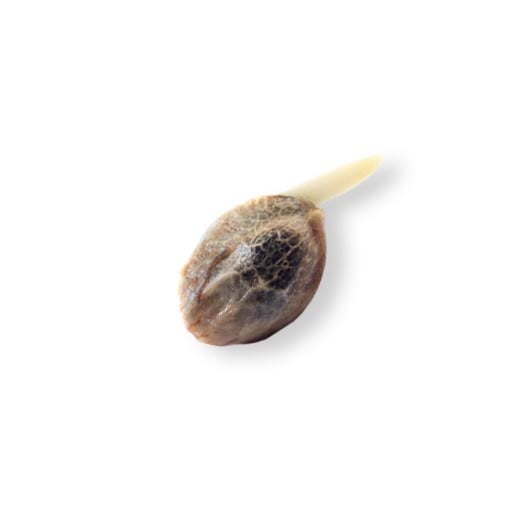
Our straightforward germination guide is an easy-to-understand way for growers of all skill levels to start the growing process. If you have basic items on hand, such as paper towels and water, you can germinate your Purple Octane seeds like a pro.
Our step-by-step process allows taproots to emerge within 3–7 days, following which your seeds can be transferred to nutrient-rich soil, a hydroponic setup, or another growing medium of your choice. As an added benefit, growers who use our technique can cultivate with confidence, knowing their seeds are fully protected by our germination guarantee.
Yields, Flowering Times, and Harvest
The Purple Octane strain has a flowering period of approximately 55–65 days, with outdoor harvests typically occurring in early to mid-October. Indoor growers will produce up to 500 grams of trichome-rich buds under proper care, while outdoor growers may see yields of up to 800 grams per plant, so long as environmental conditions remain stable.
Dominant Terpenes in Purple Octane
Purple Octane's berry flavour and diesel aroma are due, in part, to dominant terpenes beta-caryophyllene, myrcene, and limonene. Beta-Caryophyllene is known in the cannabis world as being spicy and peppery, and can be found naturally in cinnamon and black pepper. Myrcene is one of the most abundant terpenes in cannabis. It offers a relaxing feeling as well as an earthy and herbal fragrance. Limonene is commonly found in the rinds of citrus fruits, and when present in cannabis plants, it gives off a fruity scent and flavour.
Dominant Cannabinoids in Purple Octane
Purple Octane's THC content of up to 32% is rather impressive and makes it one of the strongest cultivars available. With a euphoric cerebral high and heavy, relaxing body buzz, it is recommended that even the most seasoned consumers enjoy this strain in the evening, as it can induce couch-lock even after a few smaller hits. While the herb is potent, the taste and aroma make it highly enjoyable regardless of experience level. Lighter consumers should tread carefully and start low and slow.
Strain Data
| Breeder | Advanced Genetics |
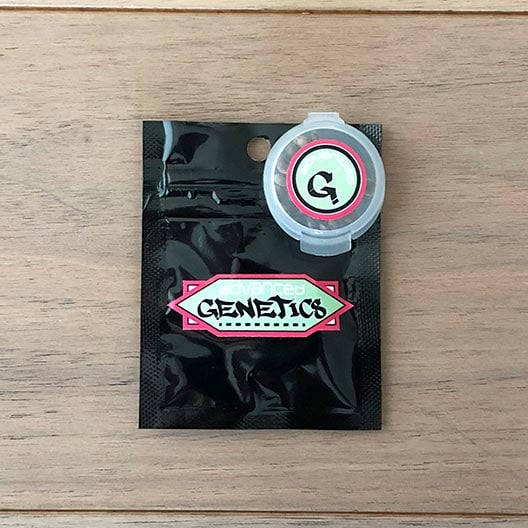
| Pack Size | 3 Seeds, 5 Seeds, 10 Seeds, 25 Seeds |
| Genetics | Biscotti x Jealousy x Sherb BX1 |
| Cannabis Species | Indica Hybrid |
| Blend | 70% Indica / 30% Sativa |
| Flowering Time | 55-65 days |
| THC | 32% |
| THC Level | High (>20%) |
| CBD Level | Low (<2%) |
| Effects | Relaxing, Sleepy |
| Terpene Profile | Beta-Caryophyllene, Limonene, Myrcene |
| Yield Indoors (per m²) | Up to 500g/m² |
| Outdoor Yield (per plant) | Up to 800 gr/plant |
| Yield Level | XL Yield |
| To Target | Insomnia, Pain, Stress |
| Taste | Diesel, Grape, Lavender |
| Skill Level | Easy |
| Plant Sex | Feminized |
| Flowering Type | Photoperiod |
| Where to Grow/Cultivate | Indoor/Outdoor |
| Size | Medium |
| BIN | BIN6 |