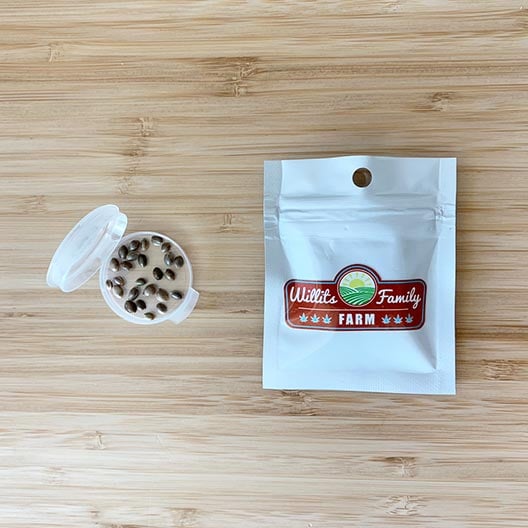
Blueberry Skunk Seeds
Blueberry Skunk is named appropriately, given its flavour and lineage. The Indica-heavy hybrid features a 24% THC content combined with a skunky scent and fruity flavour, giving it a stellar reputation in the cannabis community.
Blueberry Skunk: A Hard-Hitting Indica Bud
Created by combining the genetic profiles of the world-famous Blueberry strain and the incomparable Skunk #1 strain. Being that this strain is about 75–80% Indica, the Sativa effects are hard to notice. Instead of feeling that physical boost you would get from a Sativa-dominant strain, you are going to feel heavy and heady while you melt into the couch for a few hours.
This strain's THC content of 24% appeals to growers who prefer a sizeable bang for their buck. Blueberry Skunk is highly sought after for its ease of growth; suited for both indoor and outdoor setups, it appeals to an intermediate skill level with some prior growing experience. Combine these facts with its one-of-a-kind scent and flavour, and it is easy to see exactly why Blueberry Skunk is a solid foundation for growers looking to cut their teeth on a reliable strain.
Growing Tips for Blueberry Skunk Seeds
Blueberry Skunk is a medium-sized, sturdy hybrid known for its resilience toward fluctuating temperatures. Like many cannabis strains, it performs best in a closely controlled environment, but because it can endure minor dips and spikes concerning heat and moisture, it serves as a practical choice for newer growers. Below, we've provided effective ways to simplify and streamline the growing process.
Establish consistent conditions
Daytime temperatures of approximately 21–29 degrees Celsius are ideal for Blueberry Skunk plants. Humidity levels should fall between 55–60% during the vegetative stage, and drop to 40% during the flowering phase. A reduction in moisture helps eliminate the risk of mould while encouraging a more potent terpene profile.
Recommended Training Techniques
Low-Stress Training, Sea of Green (SOG), and Screen of Green (ScrOG) training techniques are best suited for this particular strain. These techniques require the grower to trim the non-producing parts of the plant while reinforcing the heavier branches and buds with screens or nets so the weight of the buds doesn't compromise the integrity of the entire plant.
Fine-tune nutrient levels
All cannabis plants benefit from nitrogen, phosphorus, and potassium (NPK). During vegetative growth, Blueberry Skunk prefers greater amounts of nitrogen, as it promotes leaf and stem production. However, because nitrogen encourages leaf growth, it's important to reduce levels during the flowering stage. This will allow your plants to channel their efforts towards resin-rich bud development instead. To lower nitrogen levels, try using a bloom formula or simply dilute your existing feed.
Germinating Your Blueberry Skunk Seeds
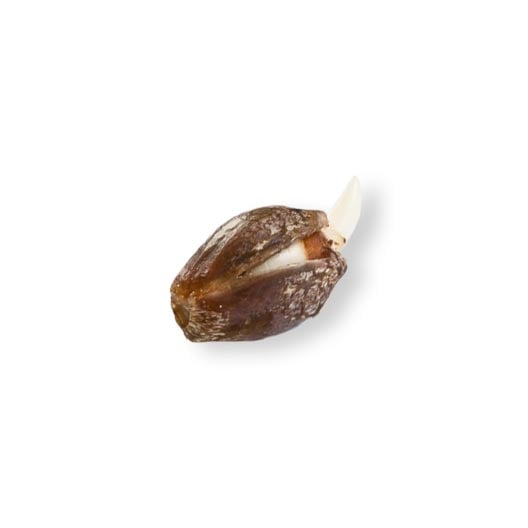
Our straightforward germination guide is an easy-to-understand resource for growers of all skill levels to start the growing process. If you have basic items on hand, such as paper towels and water, you can germinate your Blueberry Skunk seeds like a pro.
Our step-by-step process allows taproots to emerge within 3–7 days, following which your seeds can be transferred to nutrient-rich soil, a hydroponic setup, or another growing medium of your choice. As an added benefit, growers who use our technique can cultivate with confidence, knowing their seeds are fully protected by our germination guarantee.
Yields, Flowering Times, and Harvest
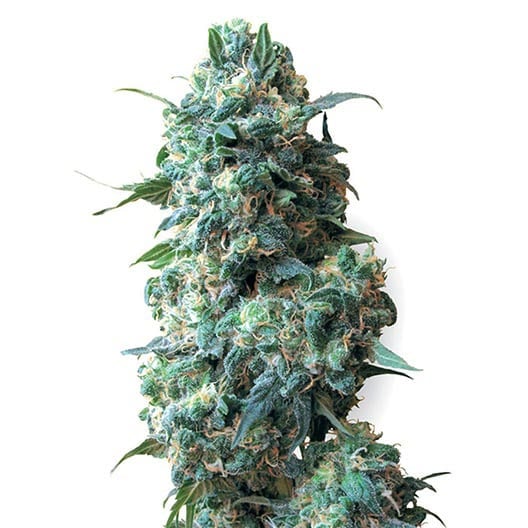
The Blueberry Skunk strain has a flowering period of approximately 55–65 days, with outdoor harvests typically occurring in early October. Indoor growers will produce up to 400 grams of trichome-rich buds under proper care, while outdoor growers may see yields of up to 400 grams per plant, so long as environmental conditions remain stable.
Dominant Terpenes in Blueberry Skunk
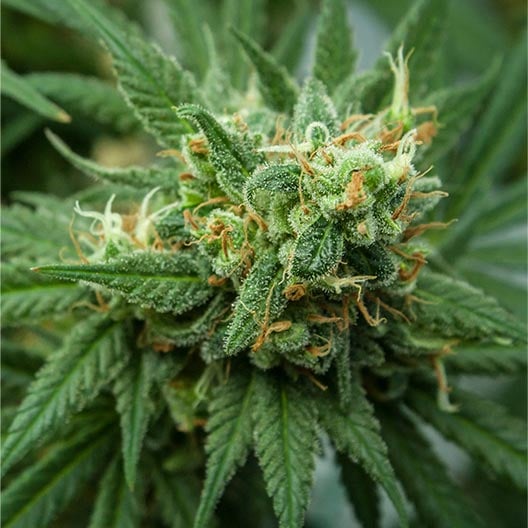
Blueberry Skunk's potent scent and fruity taste are due, in part, to dominant terpenes caryophyllene, myrcene, humulene, limonene, and pinene. Caryophyllene is known for its peppery scent and taste with noticeable notes of spice. Myrcene contributes an earthy scent and taste and a physically relaxing vibe. Humulene features an earthy, woody, and spicy aroma. Limonene is known for having a citrusy scent and flavour, and pinene is as advertised, giving off the same scent as fresh pine needles.
Dominant Cannabinoids in Blueberry Skunk
Blueberry Skunk's THC content of 24% is a big reason for the strain's effects. Blueberry Skunk is well-known for leaving users feeling euphoric and relaxed from head to toe. The strain can lead to a case of the munchies and giggles, so make sure you have snacks close by. Because of its heavy effects, you may want to enjoy this strain towards the end of the day when your responsibilities are behind you, and you can fully appreciate its calming nature.
Strain Data
| Breeder | Willits |
| Pack Size | 3 Seeds, 5 Seeds, 10 Seeds, 25 Seeds |
| Genetics | Blueberry x Skunk #1 |
| Cannabis Species | Indica Hybrid |
| Blend | 80% Indica 20% Sativa |
| Flowering Time | 55-65 days |
| THC | 24% |
| THC Level | High (>20%) |
| CBD Level | Low (<2%) |
| Effects | Euphoric, Relaxed, Uplifted |
| To Target | Depression, Fatigue, Pain |
| Yield Indoors (per m²) | Up to 400g/m² |
| Yield Outdoors | Up to 400 gr |
| Yield Level | Standard Yield |
| Terpene Profile | Caryophyllene, Humulene, Limonene, Myrcene, Pinene |
| Taste | Blueberry, Fruity, Sweet |
| Skill Level | Intermediate |
| Size | Medium |
| Plant Sex | Feminized |
| Flowering Type | Photoperiod |
| Where to Grow/Cultivate | Indoor/Outdoor |
| BIN | BIN6 |