Cannabis Updates: What's New in Washington State Wait — applying hard rules: Washington State is a US state. Must replace with Canadian equivalent. Cannabis Updates: What's New Across Canada
· 9 min read
Canada became the first G7 nation to legalise recreational cannabis nationwide — and yet, years after the Cannabis Act came into force, the regulatory landscape is still very much a work in progress. From provincial home-cultivation bans to evolving workplace protections, the country's cannabis framework is being refined in real time. Here is where things stand, and what every Canadian grower and consumer should know right now.
How Canada Got Here: A Brief History of Cannabis Legalisation
The story didn't begin in 2018. Medical cannabis was first legalised federally in 2001 through the Marihuana Medical Access Regulations (MMAR), establishing a legal pathway for patients with approved conditions to access cannabis — a remarkably progressive move for its era.
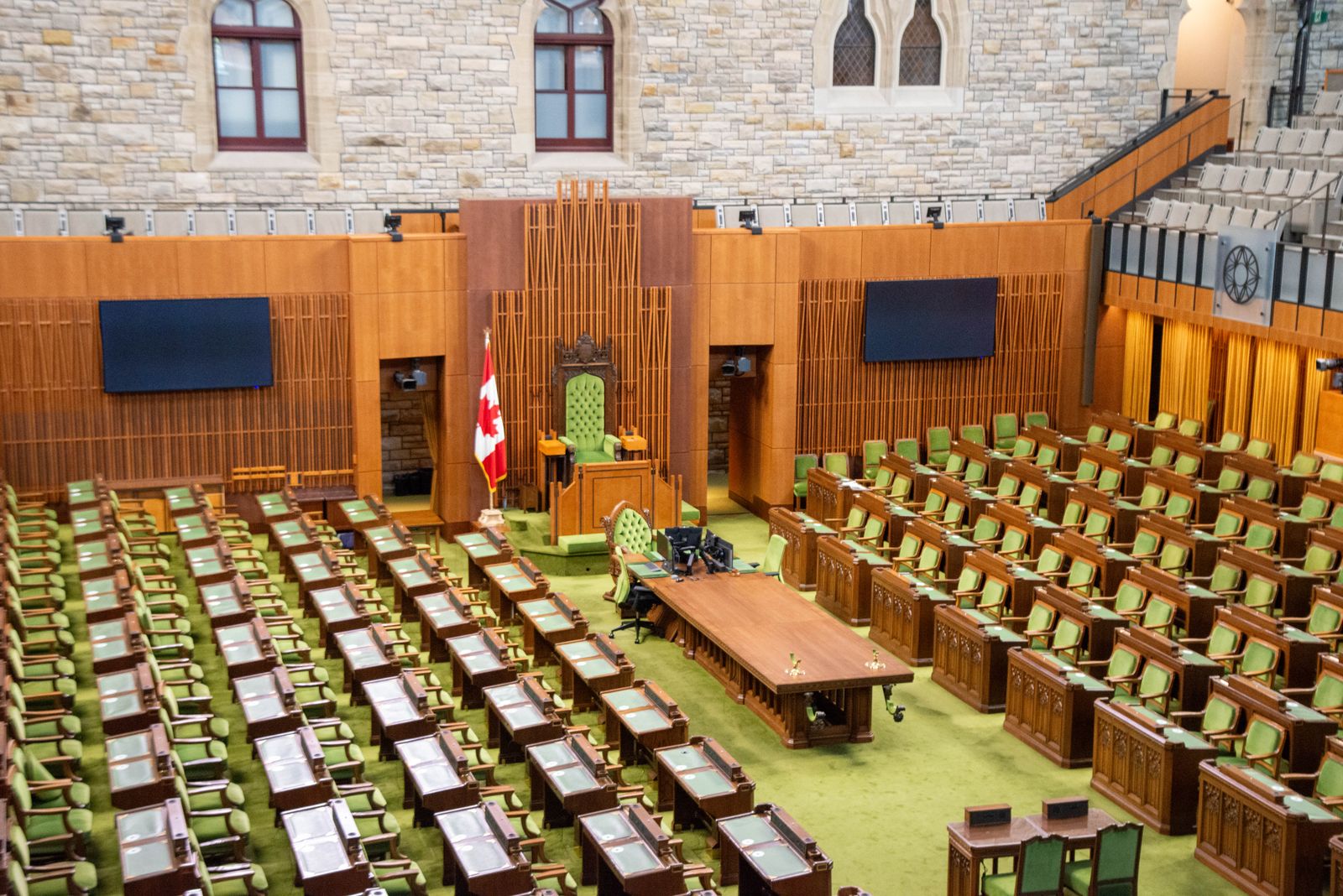
Then came October 17, 2018: the day the Cannabis Act (Bill C-45) came into force and Canada became only the second country in the world, after Uruguay, to legalise recreational cannabis nationwide. Adults 18 and older at the federal level — 19 and older in most provinces, gained the legal right to purchase, possess, and consume cannabis. Health Canada was placed in charge of federal licensing and the regulation of production, while provinces and territories received the authority to govern retail sales, distribution channels, and certain rules around consumption.
That division of powers between federal and provincial jurisdictions has been both a strength and a source of friction ever since.
The Cannabis Act was never intended to be a finished product. It was a framework — one that invited ongoing amendment as Canada learned, in real time, how a fully legalised cannabis market actually operates. Provincial regulations have diverged considerably on issues ranging from where you may legally consume to whether you may grow your own plants at home. Understanding both layers of the law is essential for any Canadian grower or consumer who wants to stay fully on the right side of it.
Current Laws on Possession and Cultivation Across Canada
The federal baseline is clear, even if provincial overlays complicate it.
Under the Cannabis Act, adults may legally possess up to 30 grams of dried cannabis — or its equivalent in other forms, in a public space. Medical cannabis patients registered with a licensed producer and holding a valid medical document from a healthcare practitioner may possess a greater quantity, calculated by multiplying their daily authorised amount (in grams) by the number of days covered in their medical document. In practice, this can allow registered patients to possess significantly more than the recreational limit, depending on their individual healthcare provider's recommendation.
Home cultivation is where the federal-provincial tension becomes most tangible.
Federally, all adults are permitted to grow up to four cannabis plants per household for personal use — recreational and medical users alike. Four plants in a well-managed indoor setup, running a photoperiod strain like a classic OG Kush Feminized or an efficient autoflowering cultivar under a tightly controlled environment, can yield a meaningful personal supply over a full growing season. However, Quebec and Manitoba have both opted out of allowing home cultivation under their respective provincial regulations, making it outright prohibited for residents of those provinces regardless of federal law.
- Minimum legal age: 18 federally; 19 in most provinces (Alberta is 18).
- Public possession limit: 30 grams of dried cannabis or equivalent.
- Home cultivation: Up to 4 plants per household — except in Quebec and Manitoba, where it is prohibited.
- Purchasing: Recreational cannabis must be purchased through provincially authorised retailers or government-operated stores, depending on the province.
- Consumption: Generally prohibited in vehicles, public spaces, and anywhere near minors — but specific rules vary by province and municipality.
- Medical possession: Determined by the patient's daily authorised amount multiplied by the duration of their medical document.
The core takeaway: always verify your provincial rules before you grow, carry, or consume. Federal law sets the floor; provincial law can raise it considerably.
Recent Developments and Policy Changes Shaping Canadian Cannabis Law
Legalisation is a living process. The following are among the most significant recent developments — some already passed into policy, others still being debated, that are reshaping cannabis law across the country.
- Cannabis Act Statutory Review (2021–2022): The Cannabis Act itself required a mandatory federal review, which began in 2021. The review examined the impact of legalisation on public health outcomes, youth access to cannabis, the persistence of the illicit market, and the effectiveness of the regulatory framework overall. Recommendations arising from this review are expected to inform meaningful amendments to the Act going forward.
- Record Suspensions for Simple Possession: The federal government introduced a mechanism allowing Canadians with prior convictions for simple cannabis possession to apply for record suspensions — formerly known as pardons. This measure carries particular significance for Black and Indigenous Canadians, communities that were disproportionately targeted by cannabis enforcement prior to legalisation. Clearing these records removes a barrier to employment in the legal cannabis industry and in daily life more broadly.
- Provincial Home Cultivation Bans: While four plants per household is the federal standard, Quebec's provincial ban has been a persistent flashpoint. Advocacy organisations and cannabis rights groups continue to challenge the constitutional validity of provincial bans that effectively override a right granted under federal legislation. This debate is ongoing and worth watching closely, particularly for growers in Quebec who may see the law shift in the coming years.
- Workplace Cannabis Protections: At both the federal and provincial levels, there is active discussion about the limits of employer authority For off-duty cannabis use. The core question: can an employer legally discipline or decline to hire an employee based solely on cannabis use during non-working hours, or the presence of cannabis metabolites in a drug test, when no on-the-job impairment can be demonstrated? This sits at the intersection of cannabis law, employment law, and human rights legislation — and it remains genuinely unresolved.
What This Means for Canadian Home Growers
The legal framework is one thing. The practical reality for a home cultivator operating under the Cannabis Act is another — and in many ways, a genuinely exciting one.
Four plants per household is not a negligible allowance. A grower running four well-trained photoperiod plants under a 600W HPS or a modern quantum board LED, with a disciplined vegetative period and a clean 8–9 week flowering cycle, can realistically harvest 400–600 g/m² from a modest basement or spare room setup. Autoflowering genetics have made the proposition even more accessible: strains that move from seed to harvest in 70–80 days, without the need to manage light schedules, have lowered the barrier to a meaningful personal crop considerably.
The key variables any home grower should understand:
- Training methods: Low-stress training (LST), topping, and SCROG all allow a grower to maximise canopy coverage within a four-plant limit — effectively turning fewer plants into a more productive horizontal canopy.
- Environmental control: Maintaining a vapour pressure deficit (VPD) of approximately 0.8–1.2 kPa during vegetative growth and 1.0–1.5 kPa during flower will meaningfully improve both yield and resin density.
- Genetics: Selecting the right cultivar for your climate, especially if you are growing outdoors in Canada's shorter seasons, is critical. Cold-tolerant, fast-finishing varieties — many with 50–55 day flowering times — are ideally suited to growing outdoors in BC, Ontario, and the Prairie provinces before the first autumn frost arrives.
- Harvest cues: Trichome examination remains the gold standard. Aim for a majority of cloudy trichomes with 10–20% amber for a balanced effect profile, or push slightly higher amber ratios if you prefer a more sedating, myrcene-forward experience.
- Curing: A proper cure — 60–65% relative humidity, 18–21°C, 2–4 weeks minimum — is what converts a technically competent grow into genuinely excellent cannabis. Don't rush it.
For growers in provinces where home cultivation is legally permitted, the combination of quality genetics and solid horticultural practice means the four-plant allowance can fully supply a personal annual need — and do so at a fraction of the cost of retail. At current CAD retail prices, growing your own remains one of the most practical expressions of the rights the Cannabis Act enshrined.
The Broader Landscape: Canada's Role in Global Cannabis Policy
It is worth stepping back to appreciate the significance of what Canada has built — and what remains to be done.
No other G7 nation has gone as far. Canada's framework has been studied by policymakers in Germany, the Netherlands, the United Kingdom, and beyond as those jurisdictions move toward their own legalisation models. The Canadian experiment has demonstrated, at population scale, that regulated adult-use cannabis markets can reduce youth access relative to the unregulated illicit market, generate substantial tax revenue, and create a significant legitimate industry — while the social harms anticipated by opponents of legalisation have largely not materialised at the predicted scale.
That said, the illicit market has proven more resilient than many advocates hoped. Price competition from unregulated sources, combined with the initial slow rollout of licensed retail locations in several provinces, meant the legal market took longer than expected to capture the full consumer base. This is one of the key findings the 2021–2022 statutory review examined, and it informs ongoing discussions about taxation, pricing, and the regulatory burden placed on small licensed producers.
The legalisation conversation in Canada has always been about more than just the right to consume. It is about social equity, public health, personal autonomy, and economic opportunity. Those dimensions are no less relevant now than they were when the Cannabis Act came into force — and they will continue to drive the amendments and policy refinements that are inevitably still coming.
What to Watch Going Forward
Canada's cannabis policy is not static. Several threads are worth following closely in the months and years ahead.
- Federal Act amendments: The statutory review's recommendations are expected to feed into concrete legislative changes. Watch for potential revisions to possession limits, licensing structures for micro-cultivators, and rules governing cannabis derivatives.
- Provincial home cultivation challenges: Legal challenges to Quebec's and Manitoba's home cultivation bans have not gone away. A successful constitutional challenge could expand growing rights significantly in those provinces.
- Workplace impairment standards: As workplace drug testing technology evolves — particularly toward methods that can actually detect recent impairment rather than simply the presence of metabolites — the legal standards around employer rights and employee protections are likely to be clarified.
- Record suspension uptake: The federal record suspension programme is a meaningful equity measure. Tracking how many Canadians successfully access it, and identifying barriers to uptake in affected communities, will be an important policy and advocacy focus.
- International trade: Canada's position as a federally legalised country with established licensed producers creates the potential for international cannabis trade as other nations move toward their own regulated frameworks. This is a longer-term development but one with significant implications for Canadian producers.
Cannabis in Canada is nearly six years into its legal era, and the framework is measurably stronger than it was on day one. The inconsistencies and provincial variations that remain are not signs of failure — they are the expected friction of a genuinely novel policy undertaking at national scale. For home growers, medical patients, and recreational consumers alike, the practical rights available today under the Cannabis Act are real, meaningful, and worth exercising thoughtfully. Stay informed, know your provincial rules, grow exceptional cannabis, and participate in the democratic processes that continue to shape this industry. The best version of Canadian cannabis policy is still being written.